Environment

Earth, climate, and ecology

Environment

Reversing vegetable biodiversity loss to diversify diets.

Vegetables are a critical component of diets, with inadequate intake of this essential food group leading to poor dietary quality and malnutrition. Food system assessments identify insufficient production, comparatively high prices, and sociocultural barriers as key constraints to vegetable consumption. We argue that vegetable biodiversity, spanning vegetable species and their varieties, as well as their wild relative species, is a central yet underutilized lever for enhancing vegetable consumpt

Continue reading
Environment

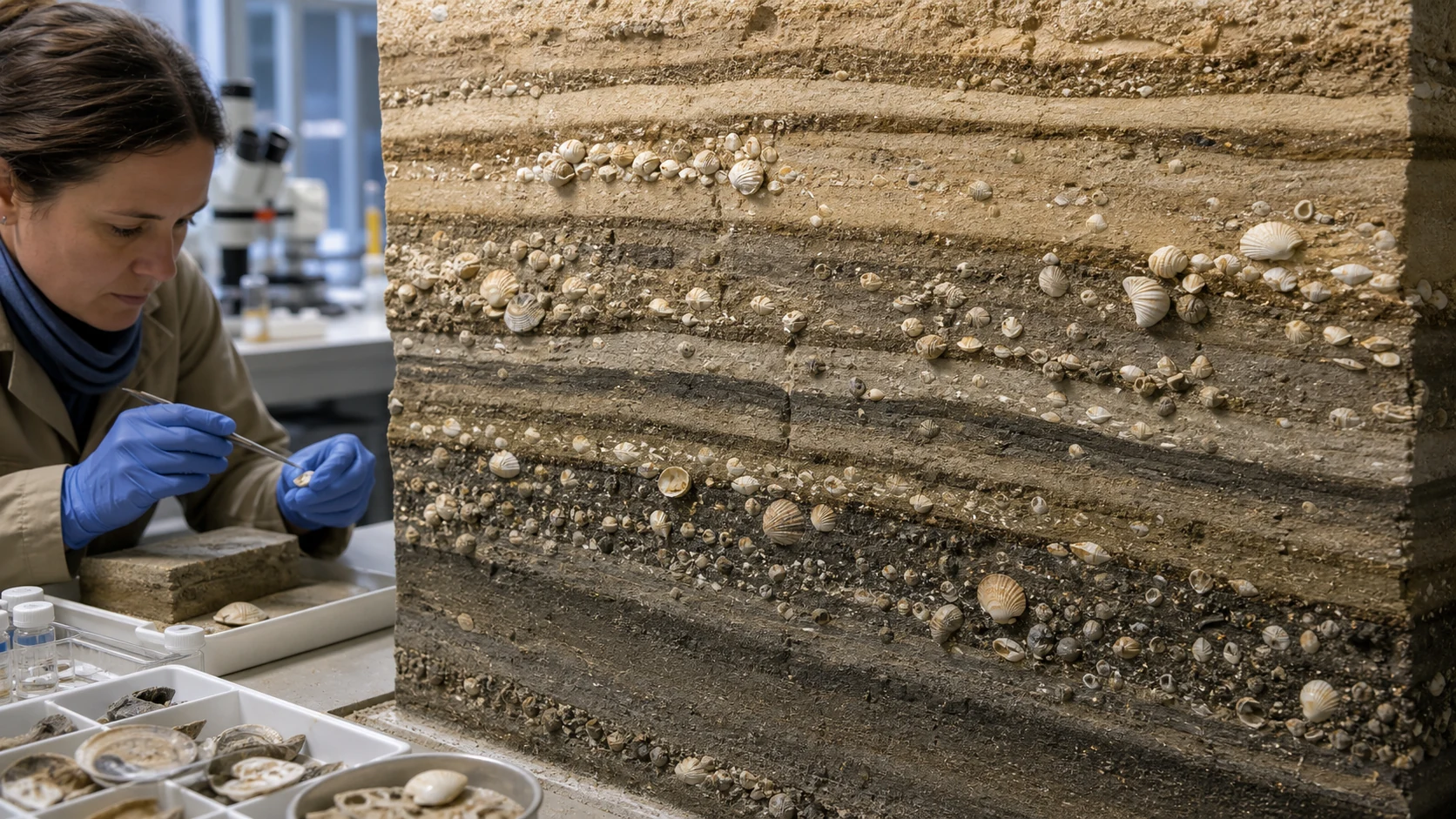
Sediment accumulation rate predicts the temporal resolution of marine fossil assemblages.

Time averaging (TA), the mixing of noncontemporaneous organisms in fossil assemblages, governs the resolution of paleontological data and determines which biological and environmental processes are recorded in the geological record. To assess variation in TA and its dependence on external drivers, we used amino acid and radiocarbon methods to individually date 7,593 specimens across 384 samples from late Quaternary marine assemblages of calcifying organisms. Bivalve mollusks dominated the data,

Continue reading
Environment

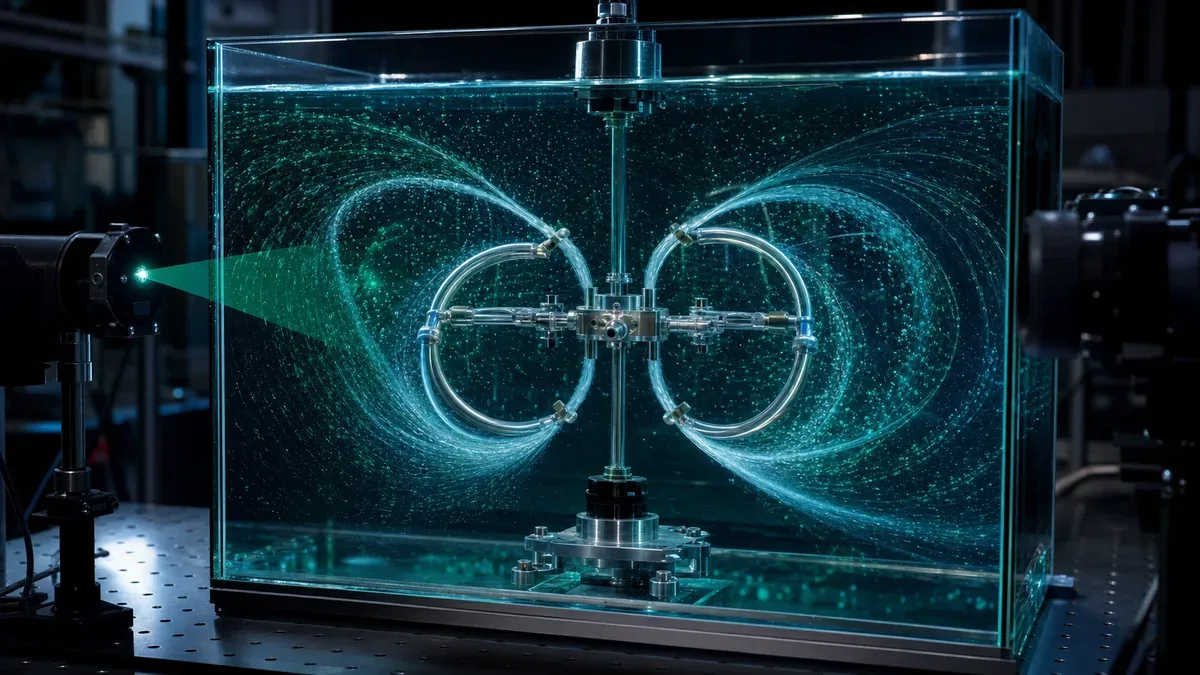
Geometry controls momentum flux in the sprinkler problem.

Hydro- and aero-mechanical devices convert fluid flows into useful motions, force, and power. The operating principles can involve subtle and poorly understood physics, as epitomized by open questions about systems that aspirate flows through curving tubular arms. Since its introduction by Mach and popularization by Feynman, the so-called reverse sprinkler problem has evoked many competing theories and fluid mechanical effects that have not to date been distinguished by experiments. Here we cond

Continue reading
Environment

Guanidine fuels rapid resurrection of desert cyanobacteria.

In desert ecosystems, microbial activity is driven by brief hydration pulses but is severely limited by persistent nutrient scarcity. Cyanobacteria serve as essential pioneer photoautotrophs, maintaining biogeochemical cycles and ecosystem stability in these arid landscapes. However, their ability to quickly reactivate after rehydration is critically restricted by nitrogen availability. Although the nitrogen demand can be met later by biological nitrogen fixation, it is ineffective and irrelevan

Continue reading
Environment

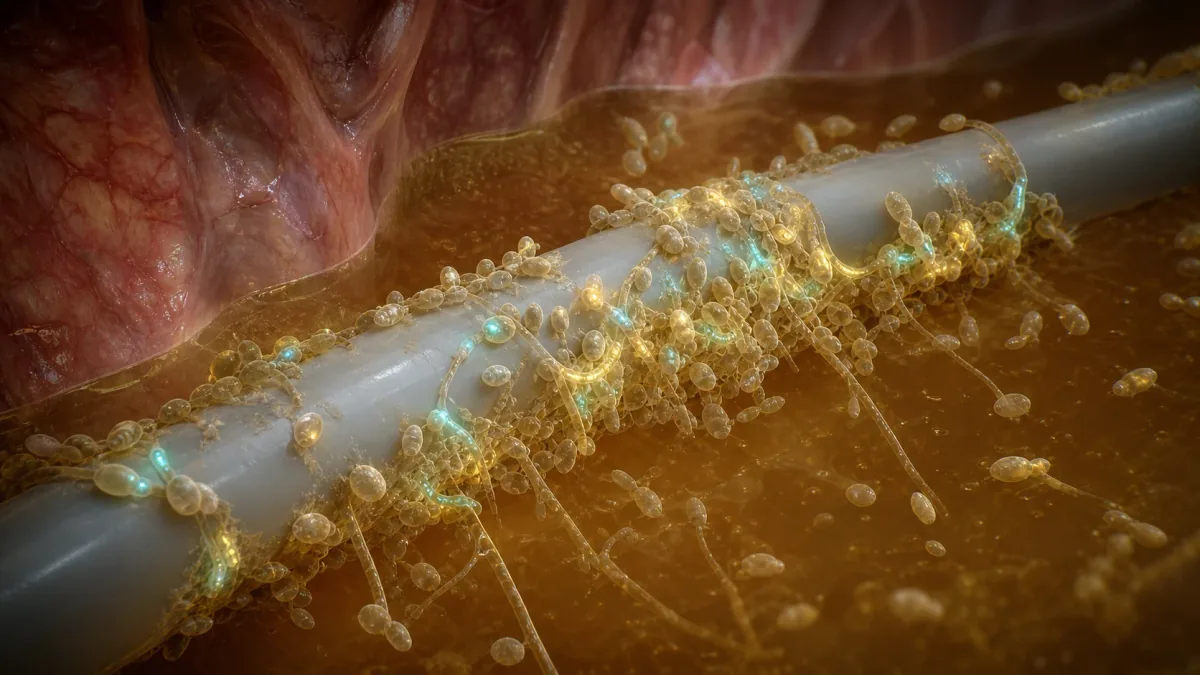
The unique Efg1 fungal virulence regulon in the catheterized bladder environment.

Urinary catheterization, a frequent procedure in hospitals, nursing homes, and other healthcare facilities, is a primary driver of nosocomial infections. The most common of these are catheter-associated urinary tract infections (CAUTIs), which often progress to severe complication, sepsis, and ultimately death. The fungus Candida albicans is a primary causative agent of CAUTIs; yet, its tissue-specific pathogenesis remains poorly understood, which complicates development of efficient treatments.

Continue reading
Environment

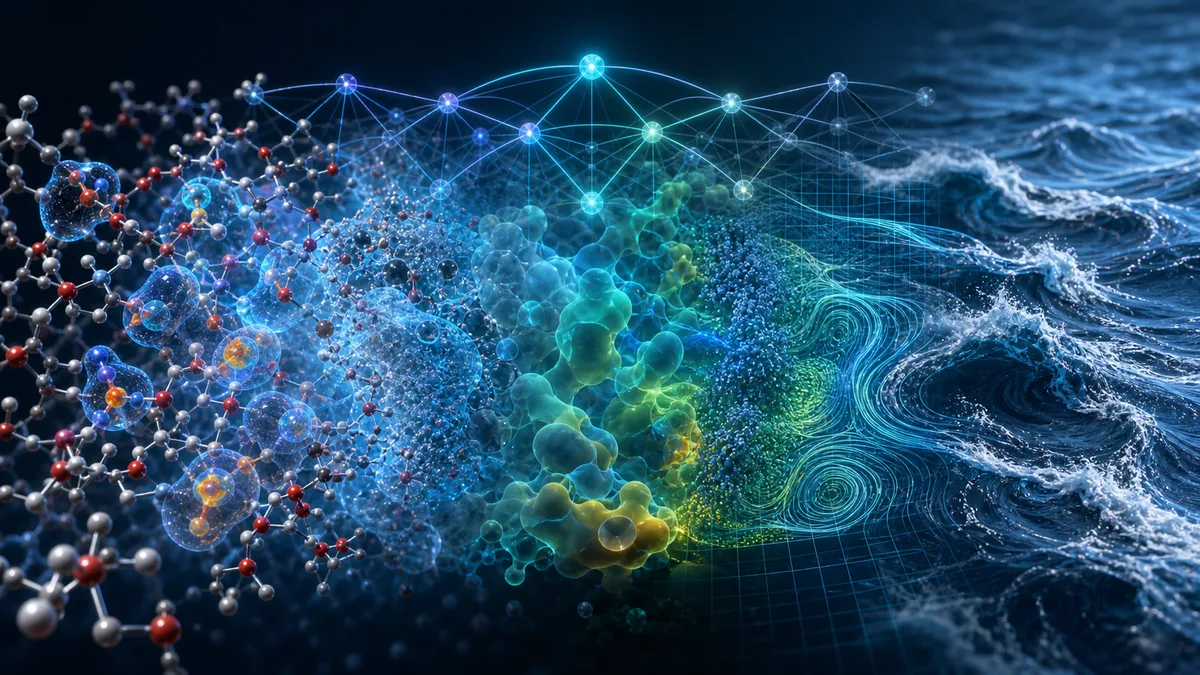
A unified machine-learning framework for ab initio multiscale modeling of liquids.

Understanding and predicting the behavior of liquid matter across length scales-using only the microscopic interactions encoded in the Schrödinger equation-remains a central challenge in the physical sciences. Achieving this goal requires not only an accurate and efficient description of intermolecular forces but also a consistent framework that bridges the micro-, meso-, and macroscales. Here, by combining machine-learned interatomic potentials (MLIPs) with neural classical density functio

Continue reading
Environment

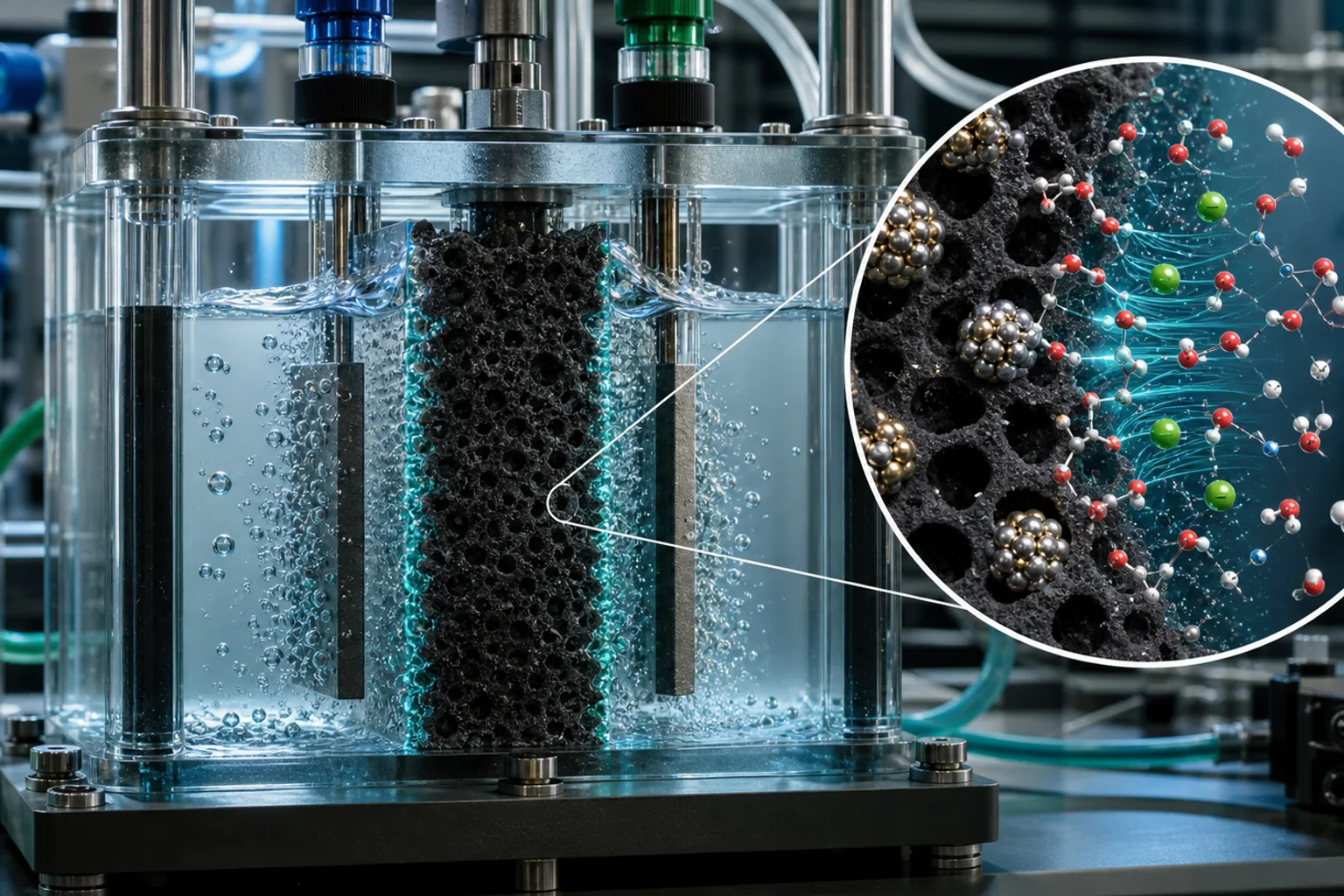
Interfacial Donnan Hydration Funnels in Lignin-Derived Carbon Orchestrate RuNi Synergy for Aldehyde-Assisted Dual-Hydrogen Electrosynthesis.

Aldehyde oxidation-coupled hydrogen production can markedly reduce the energy demand of electrolysis while enabling hydrogen generation and collection from two compartments. However, high-current-density operation relies on catalysts that sustain fast kinetics and high selectivity under strong interfacial gradients. Electro-oxidized lignin is employed to construct a lignin-metal supramolecular framework composite, which upon carbonization yields RuNi@NOLC, a Ni-enriched RuNi alloy confined withi

Continue reading
Environment

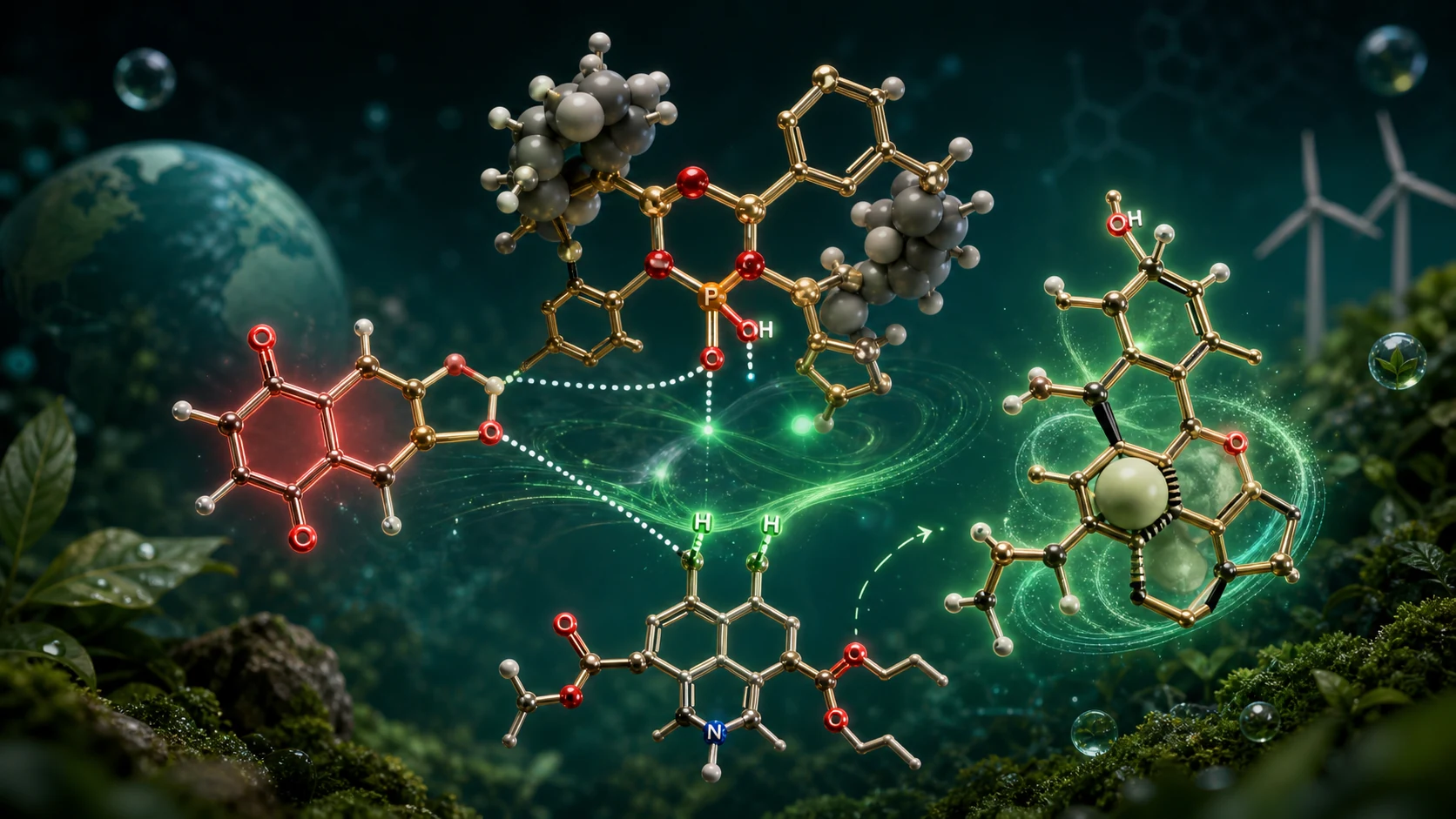
Chiral Phosphoric Acid-Catalyzed Asymmetric Hydrogenolysis of C-O Bonds.

The combination of chiral phosphoric acid with a biomimetic hydrogen source (Hantzsch esters) constitutes a powerful system for asymmetric reduction of unsaturated compounds. In contrast, asymmetric hydrogenolysis of C-O single bonds remains an elusive challenge owing to the high C-O bond energy and the weak intermolecular affinity between the substrate and the catalyst. In this study, we report a hydrogen-bond-activation strategy, driven by aromatization, for asymmetric hydrogenolysis of C-O bo

Continue reading
Environment

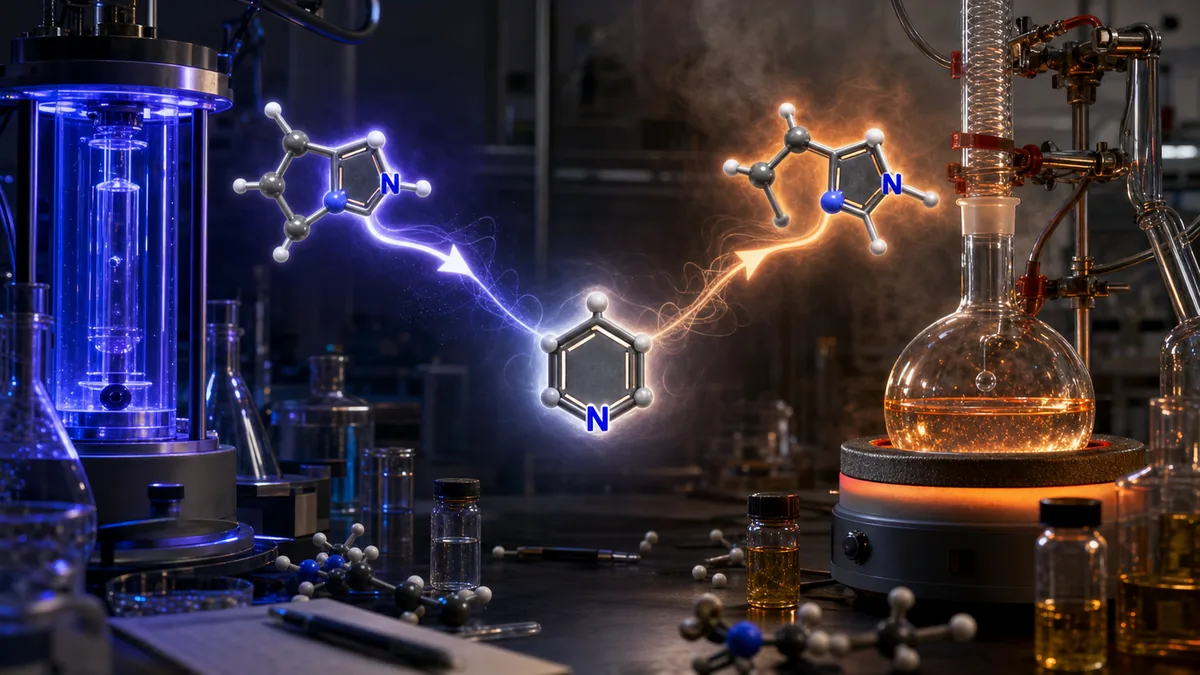
Divergent Pyridine-to-Pyrazole Conversion via Carbon-Retentive Skeletal Editing.

Regioselective pyrazole synthesis remains a longstanding challenge in medicinal chemistry due to difficulties controlling N-differentiation during ring construction or functionalization. We address this through carbon-retentive skeletal editing that preserves molecular complexity while encoding regioselectivity during framework reorganization. From a single pyridine, mechanistically divergent pathways deliver structurally distinct pyrazoles: photochemical radical deconstruction-rearrangement yie

Continue reading
Environment

Exceptional brain and ecological diversity in the earliest snakes.

Understanding the ecological origin of snakes has remained a century-old challenge 1,2 , hindered by an extremely sparse early fossil record and conflicting interpretations of fossil ecologies. Here we describe an exceptionally preserved Cretaceous fossil snake, Tametara mirim gen. et sp. nov., from Brazil, representing one of the earliest-diverging stem snakes. High-resolution micro-CT scans reveal unprecedented details of cranial nerves, inner ear and brain anatomy, enabling the most integrate

Continue reading
Environment

Polarons are probes of the dynamic nanoscale environments found in electrochemically doped π-conjugated polymers.

Charge carriers (i.e., polarons) in electrochemically doped organic (semi)conductors are proposed to be regulated by several physicochemical features, including the chemical compositions and structures of the π-conjugated frameworks of the semiconductor building blocks, the chemistry of the electrolyte (considering both the salt and solvent), multiscale and time-dependent morphology variations across the material as a function of electrochemical processes, and assorted permutations of thes

Continue reading
Environment

Selective Reduction of Carbon Dioxide in Water Using [M(bpy 2+ )(CO) 3 (I)] 2+ (M = Mn, Re) Electrocatalysts with Pendent Cations.

Manganese(I) carbonyl complexes are promising electrocatalysts for CO 2 reduction, yet their application in homogeneous aqueous media remains limited by poor solubility and selectivity. Here, we report water-soluble Mn(I) and Re(I) complexes fac -[M(bpy 2+ )(CO) 3 X] 2+ (X = I or Cl), featuring bipyridine ligands functionalized with -Ph-CH 2 -(NMe 3 ) + cationic ammonium groups that integrate water solubility with secondary-sphere stabilization. In a bicarbonate buffer at pH 6.8, the Mn catalyst

Continue reading

Environment

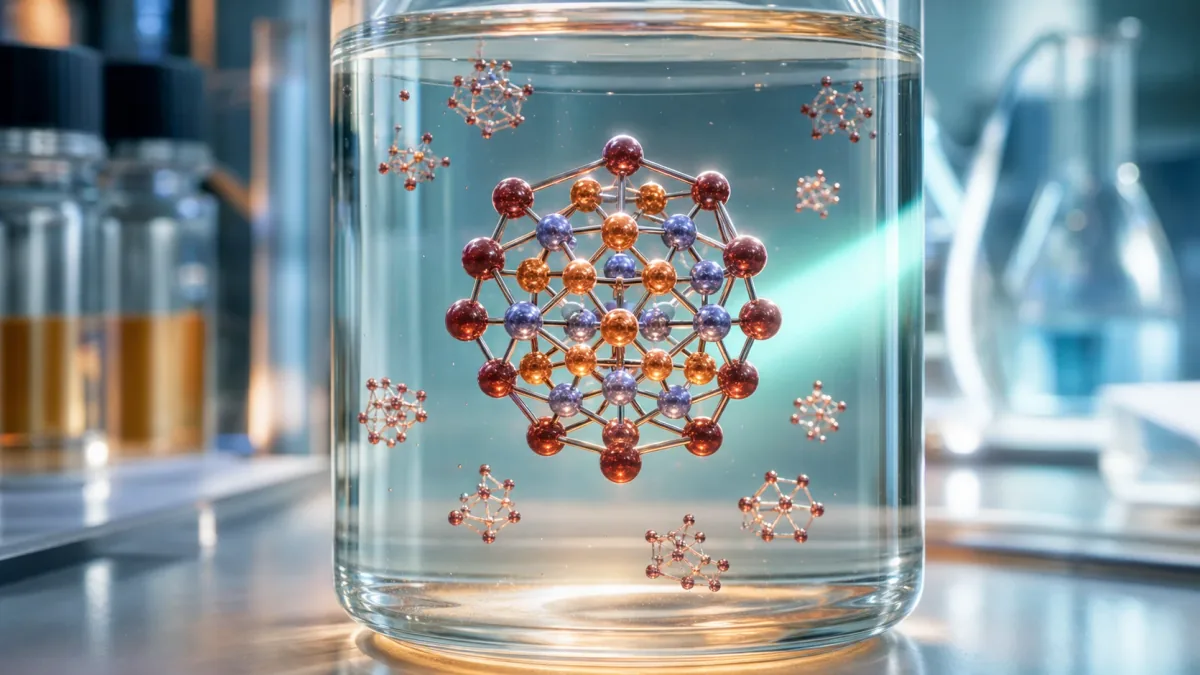
Precision Synthesis of I-III-VI Ternary Semiconductor Nanoclusters via Self-Limiting Cation Exchange.

Ternary I-III-VI semiconductors are important materials because of their environmental compatibility and broad tunability. However, achieving atomic-level control of multinary semiconductor materials remains a major challenge. Here, we report the precision synthesis of ternary nanoclusters with atomically defined stoichiometry, structure, and surface via self-limiting cation exchange. Specifically, the reaction between a Cu 26 Se 13 (PR 3 ) 14 template cluster and an InCl 3 -PR' 3 complex produc

Continue reading
Environment

Droplet-Enhanced Asymmetric Catalysis: Squaramide-Derived Pseudopeptide for Enantioselective Addition Reactions.

Droplets formed through phase separation represent an emerging strategy to enhance enzyme-mimetic catalysis, demonstrating significant potential in catalytic science. However, due to the lack of systematic methodologies for precise engineering of chiral microenvironments within droplets, their application to asymmetric catalysis remains largely unexplored. To address this challenge, we integrate l -phenylalanine into an L-tert -leucine-derived squaramide to design the squaramide-derived pseudope

Continue reading

Environment

Chemically Separable Ruthenium Hydride Isomers with Distinct Hydride Transfer Properties.

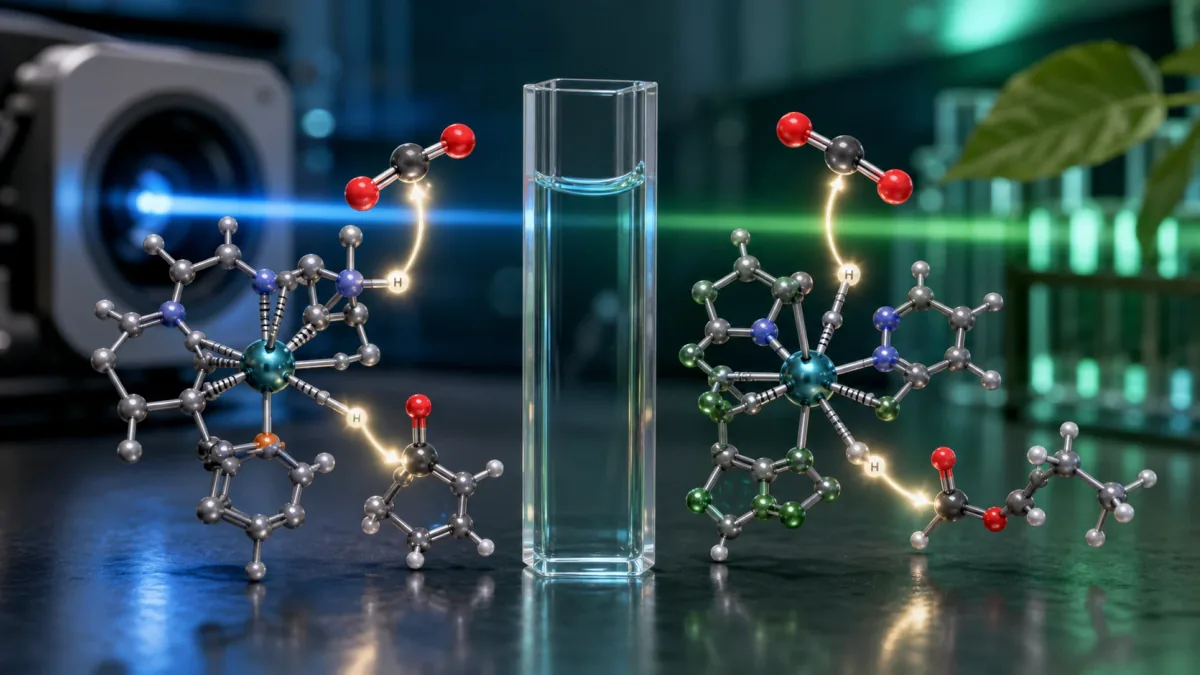
Transition metal hydrides are key intermediates in biological and industrial catalysis, where control over hydride donor ability (hydricity) is essential for optimizing reactivity. Herein, we report a series of isomeric ruthenium hydrides in which the ligand trans to the ruthenium hydride bond-either an N-heterocyclic carbene or pyridine-modulates the thermodynamic hydricity by up to 8 kcal mol -1 . These hydrides exhibited distinct reactivity toward CO 2 and various organic hydride acceptors, e

Continue reading
Environment

Surface-Confinement Effect Enables Bioorthogonal Drug Release in Tumors.

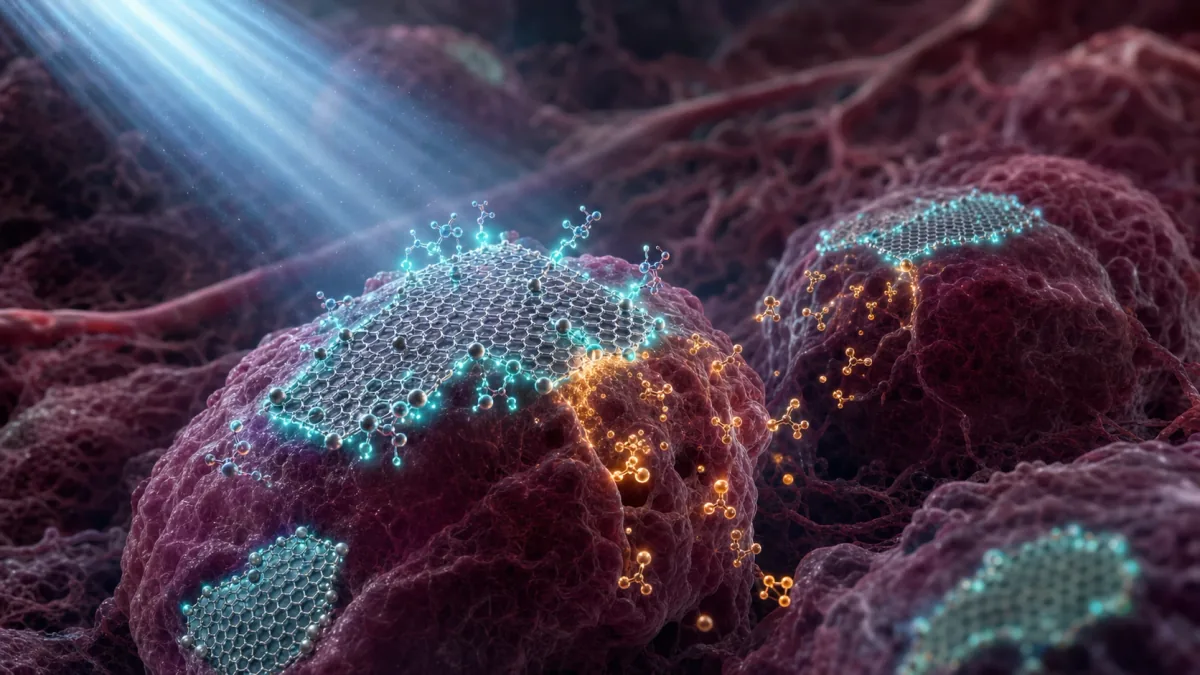
A critical challenge in the bench-to-bedside translation of controlled drug release strategies is the sharp decline in reaction efficiency as biological complexity increases. A platform capable of maintaining bioorthogonal-like drug release─remaining minimally perturbed by physiological environments─would address an unmet clinical need. This is particularly relevant for radiotherapy-mediated drug release, where the oxidative activation of prodrugs is often compromised by the rapid

Continue reading
Environment

Scope of Ni(II)-Catalyzed Nonalternating Ethylene/Carbon Monoxide Copolymerization.

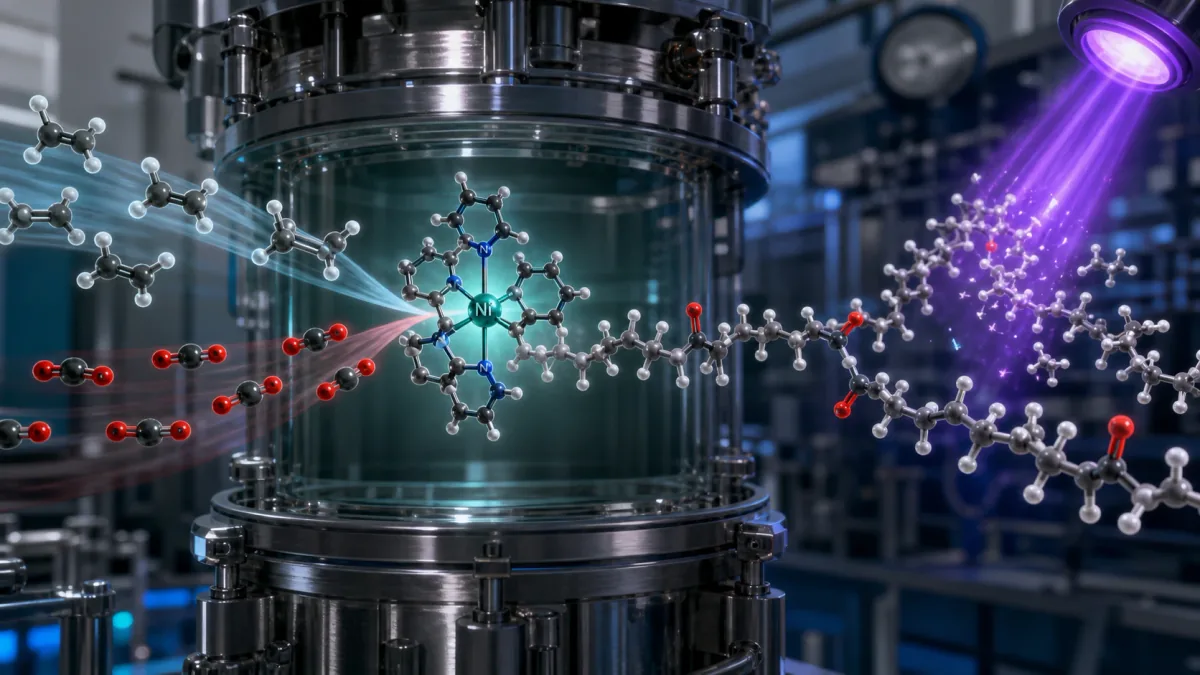
The recent achievement of a nonalternating ethylene/carbon monoxide (CO) copolymerization was a long-sought breakthrough. Their in-chain keto functional groups endow the resulting polyethylenes (keto-PEs) with photodegradability. To date, only two types of catalysts, based on long-known structural motifs, are capable of this challenging copolymerization to keto-PE materials, raising the question whether the reaction is restricted to this narrow scope. Here, we report a diverse range of neutral N

Continue reading
Environment

Origins of Reactivity in SAM-Utilizing Ribozyme SAMURI-Catalyzed RNA Alkylation.

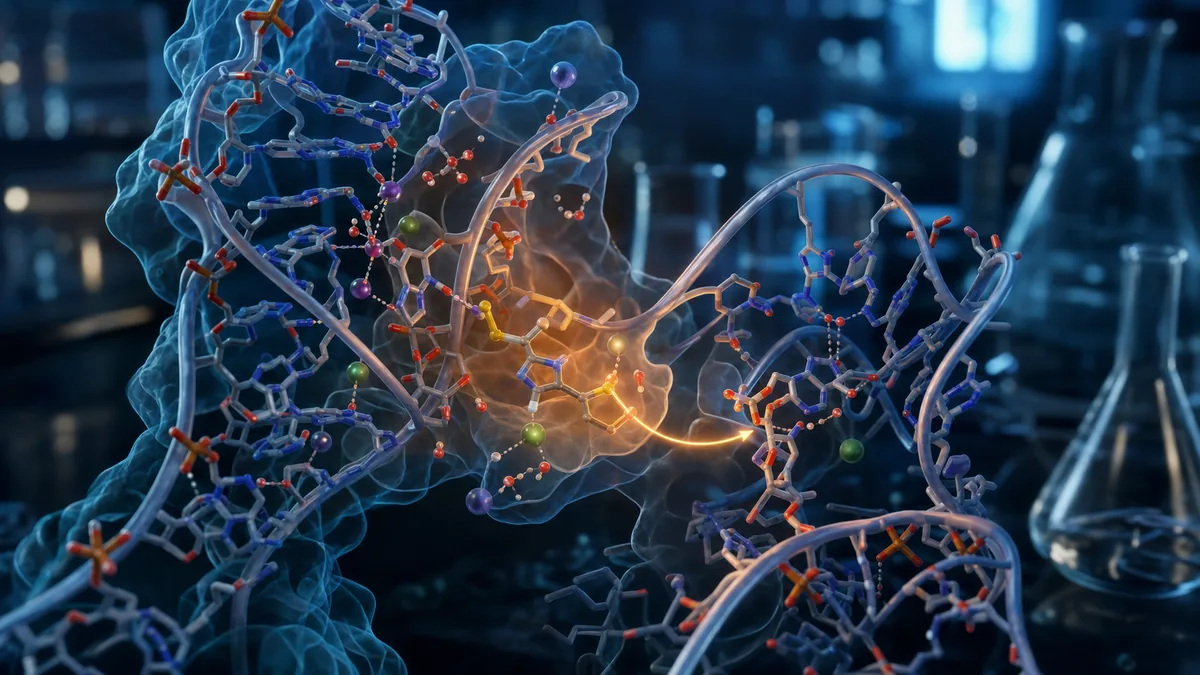
Unlocking the design principles of programmable RNA catalysts capable of site-specific chemical modification is critical for expanding the functional and therapeutic potential of RNA. The SAM analogue-utilizing ribozyme (SAMURI) enables site-specific RNA alkylation using either S-adenosylmethionine (SAM) or the synthetic cofactor propargylic Se-2,6-diaminopurinribosyl-selenomethionineamide (ProSeDMA), yet the molecular determinants of its reactivity remain incompletely understood. Here, we combi

Continue reading
Environment

Structural Chemistry of [V 2 As 17 ] 3- and [V 2 Sb 17 ] 4- : A Complex Interplay between V-Pn and Pn-Pn Bonding.

The ability of the heavier pnictogen elements, P, As, Sb and Bi, to form extensively catenated structures is well established, and a wide range of architectures is known, both for the isolated ions and for their coordination complexes. In this work, we report two new vanadium clusters, [V 2 As 17 ] 3- and [V 2 Sb 17 ] 4- , which contain crown-like VPn 8 units, linked by a single bridging atom. Reaction monitoring using ESI-MS suggests a growth pathway involving both VPn 8 and VPn 9 units, the la

Continue reading
Environment

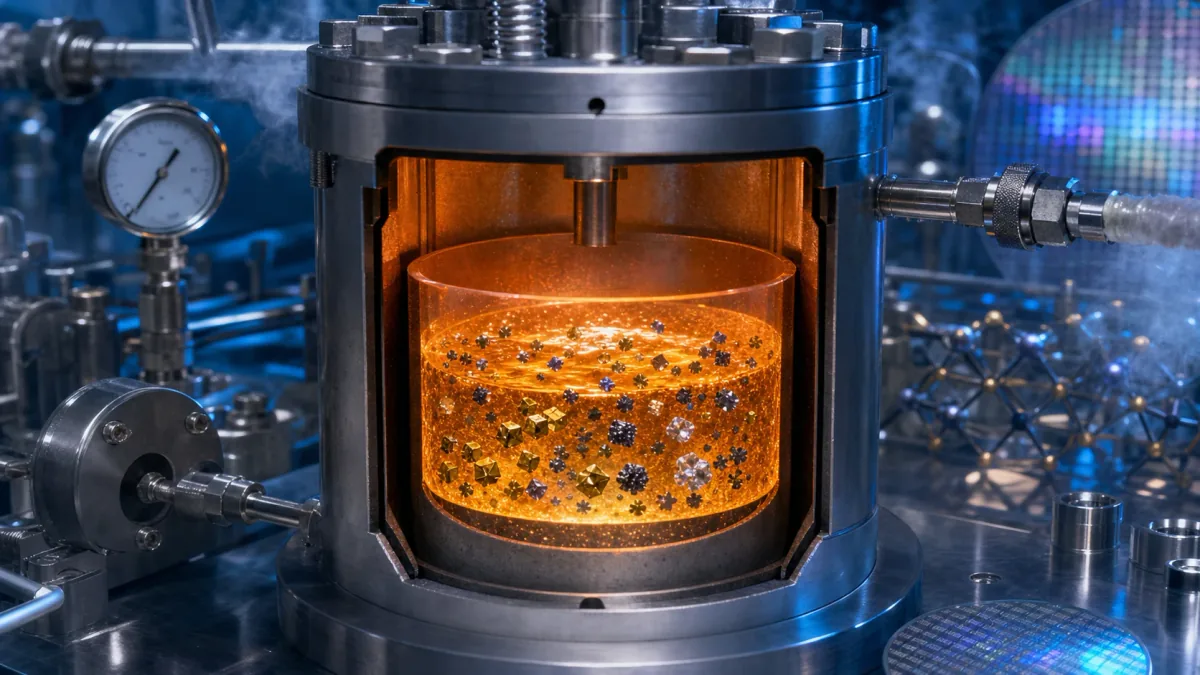
Ammonia pressure controls colloidal metal nitride synthesis in molten salts.

Metal nitrides represent a large class of materials with extensive applications in optoelectronics, energy and healthcare technologies. For example, GaN and related nitride semiconductors are key materials for solid-state lighting and high-power electronics 1,2 . TiN and other early transition metal nitrides (TMNs) are widely used in wear-resistant alloys, tool coatings, catalysts and medical implants 3 . Strong metal-nitrogen bonds grant nitrides structural rigidity as well as chemical and ther

Continue reading
Environment

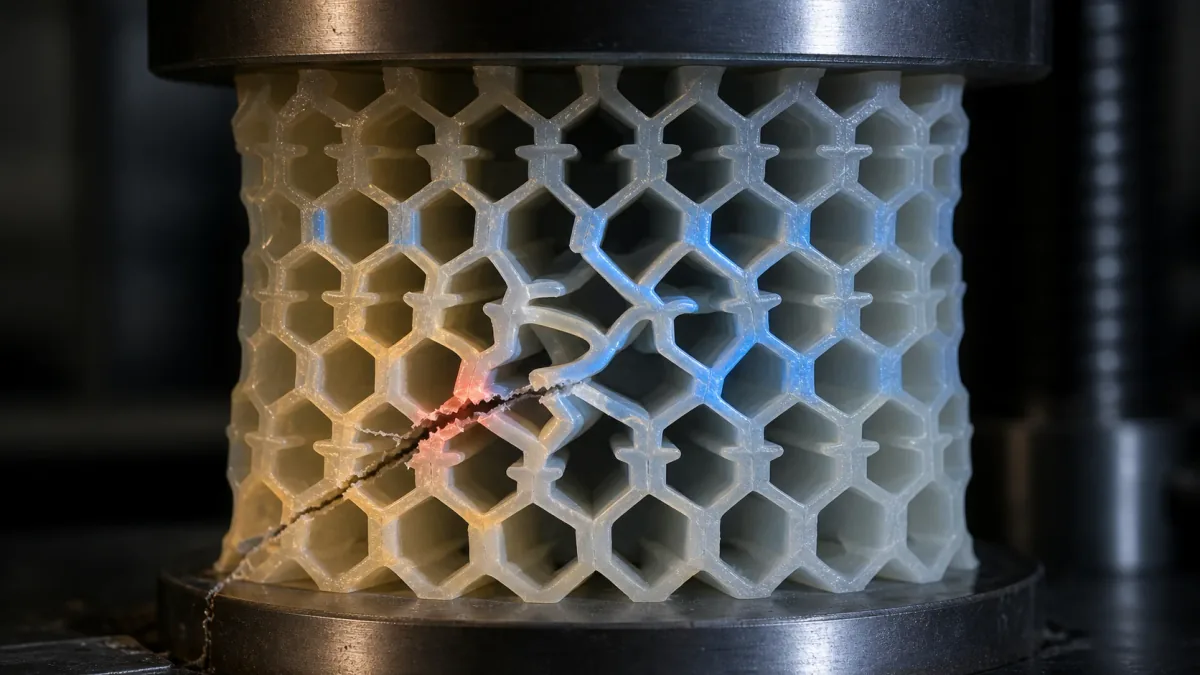
Programming fracture resistance in metamaterials via elastic instabilities.

The design of fracture-resistant materials has long been hindered by the complexity of toughening mechanisms across multiple length scales 1,2 . Mechanical metamaterials offer a promising platform to address this challenge, yet existing research has largely focused on passively characterizing fracture in conventional lattice architectures 3-8 . Recent studies have demonstrated the potential of elastic instabilities to enhance functionalities in architected materials 9-18 ; however, their connect

Continue reading
Environment

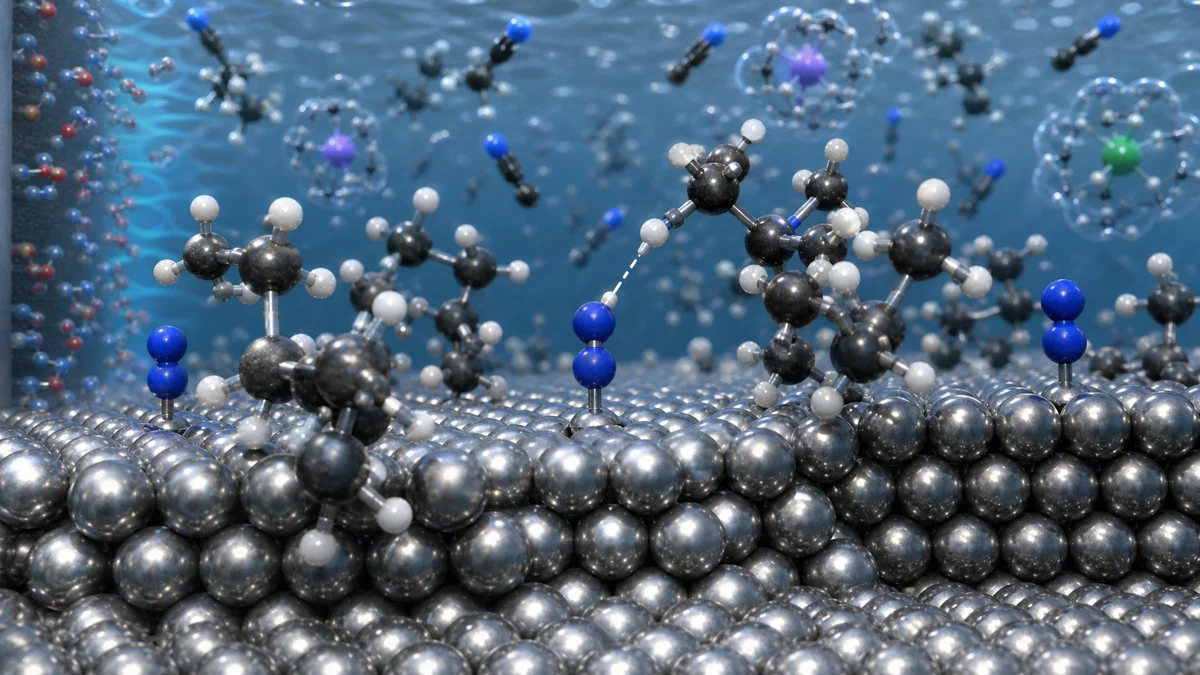
Steric Hindrance of Proton Donors Modulates Heterogeneous Electrochemical Nitrogen Reduction Reaction Selectivity in Nonaqueous Electrolytes.

The electrochemical nitrogen reduction reaction (NRR) in aqueous electrolytes is severely limited by the early buildup of adsorbed H (*H) at cathodic potentials, which suppresses N 2 adsorption (*N 2 ) and promotes the hydrogen evolution reaction (HER). Nonaqueous electrolytes containing molecular proton donors offer a route to mitigate this competition, but molecular design principles that suppress the HER without comparably slowing the NRR remain poorly defined. Here, density functional theory

Continue reading
Environment

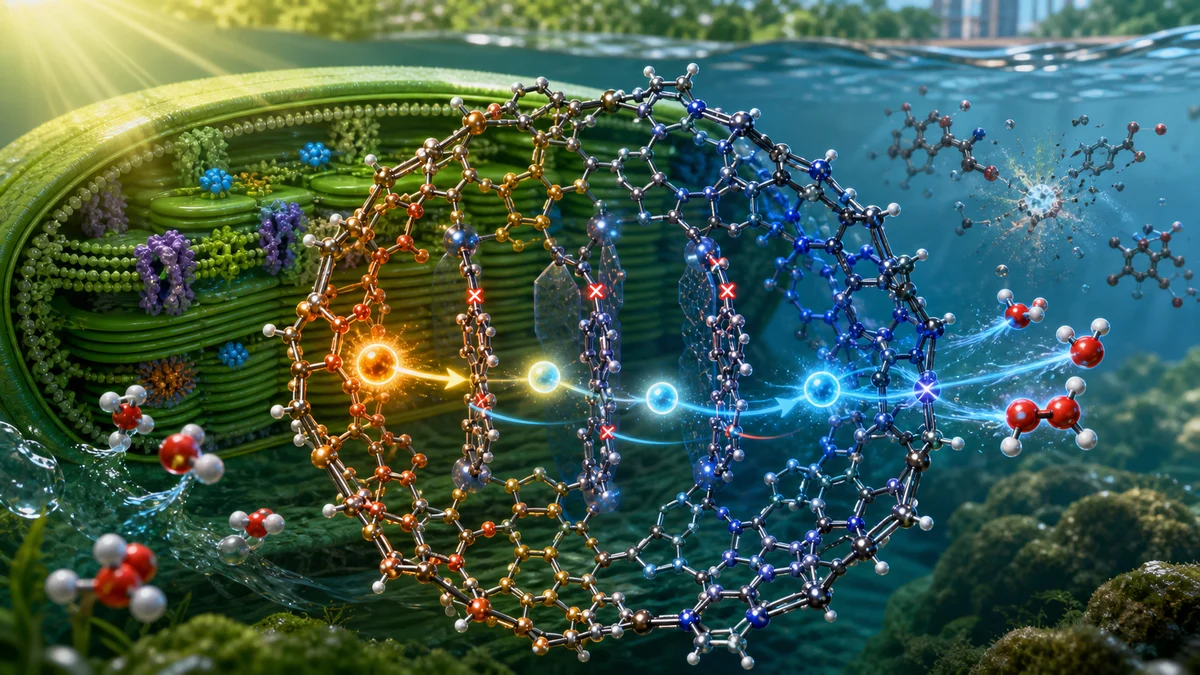
Biomimetic D-A1-A2 Organic Cages with Recombination-Suppressed Sequential Charge Transfer for Hydrogen Peroxide Photosynthesis.

Photocatalytic synthesis of hydrogen peroxide (H 2 O 2 ) offers a sustainable route toward green oxidation and environmental remediation, yet its efficiency is fundamentally constrained by rapid backward charge recombination, underscoring the synthetic challenge of creating molecular architectures capable of enforcing directional and recombination-suppressed charge transfer. Inspired by the stepwise electron transfer within the compartmentalized reaction centers of thylakoid membranes in natural

Continue reading
Environment

In vivo feasibility study of humanoid robots in surgery.

Recent advances in actuation, control and learning have rapidly pushed humanoid robots from a distant vision towards near-term real-world deployment 1-18 . Healthcare is a particularly pressing domain, in which staffing shortages and increasing care demand are widening the gap between clinical workload and available skilled labour 19-21 . Although current automation has largely focused on digital and logistical tasks 22 , much hospital work remains embodied, requiring mobility, manipulation and

Continue reading
Environment

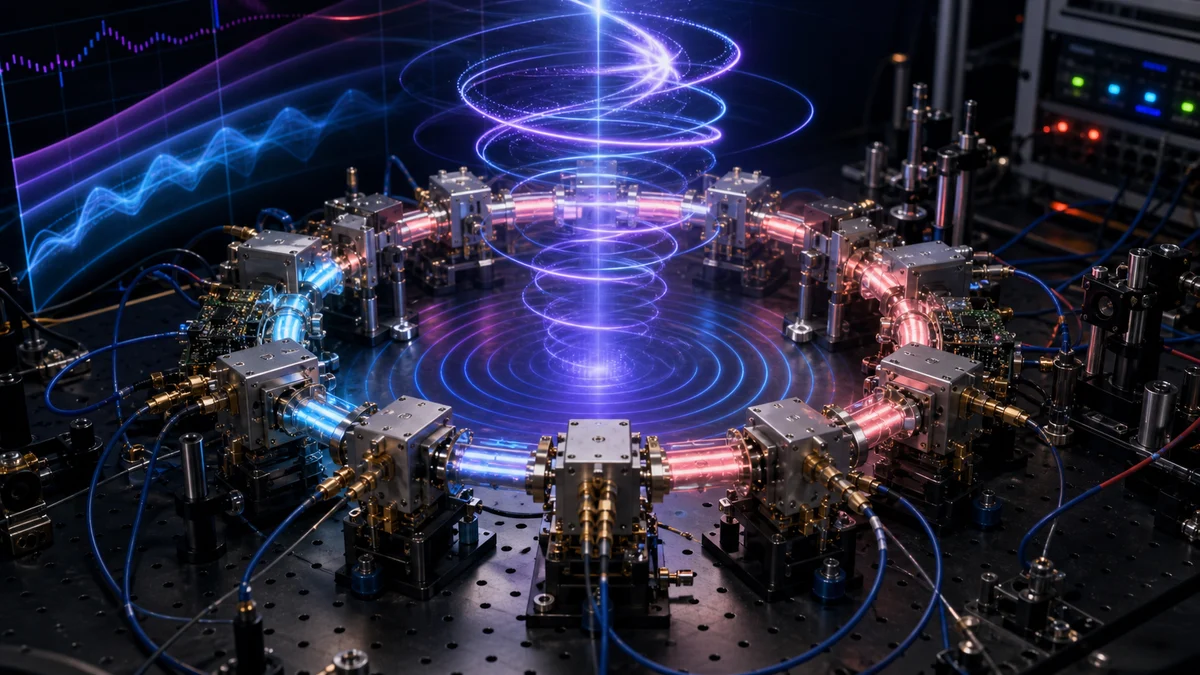
Observation of Floquet rotational super-radiance.

Time-driven systems provide a framework for controlling waves through spatio-temporal modulation, which enables the synthesis of effective motion without mechanical displacement 1-7 . Within this framework, travelling-wave modulations can emulate moving media and give rise to phenomena such as Doppler-induced non-reciprocity 8-10 . A related effect is the extraction of energy from rotating media, which has been theoretically predicted to occur when waves experience sufficiently large rotational

Continue reading