Latest Science News

All published articles

Physical/Tech

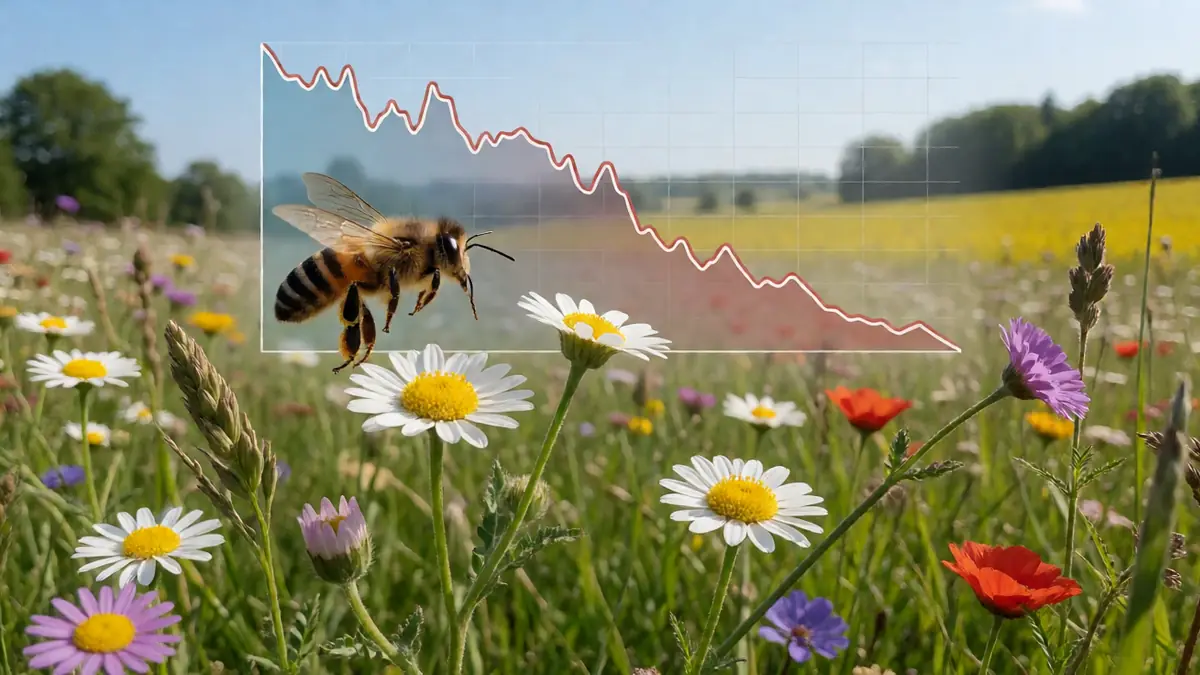
Historical trends show more declining than increasing species among European pollinators.

Anthropogenic global change presents a growing threat to insect pollinators. Yet, long-term, continental-scale assessments of their population trends remain limited. Here, we leveraged a curated database of over four million occurrence records, covering 88% of extant bee and hoverfly species in Europe, to assess persistence, richness, and occupancy trends over the past century. Species persistence at the European level was relatively high, with modern records available for 87% of bee and 89% of

Continue reading

Environment

Widespread plasma jets in the Martian magnetosheath revealed by dual-spacecraft observations.

Plasma jets in planetary magnetosheaths are transient, high dynamic pressure structures capable of strongly perturbing downstream magnetospheres and modulating solar wind energy transfer. Although recently identified at Mars, their formation mechanisms and global occurrence remain poorly constrained. Using dual-spacecraft observations from Mars Atmosphere and Volatile EvolutioN and Tianwen-1, we show that magnetosheath jets occur throughout the Martian magnetosheath, in striking contrast to Eart

Continue reading
Artificial Intelligence

Protein resource allocation across subcellular compartments revealed by large-scale absolute quantitative proteomics in yeast.

Subcellular compartmentalization within complex membrane-bound organelles is a hallmark of eukaryal life, enabling metabolic specialization through spatial segregation. Here, we compiled a dataset encompassing 300 absolute quantitative proteomes, the largest to date, across two yeast species under diverse experimental conditions. Leveraging big data analysis, formula fitting, and machine learning, quantitative correlations among protein abundance, resource allocation, and cellular phenotypes wer

Continue reading
Health & Medicine

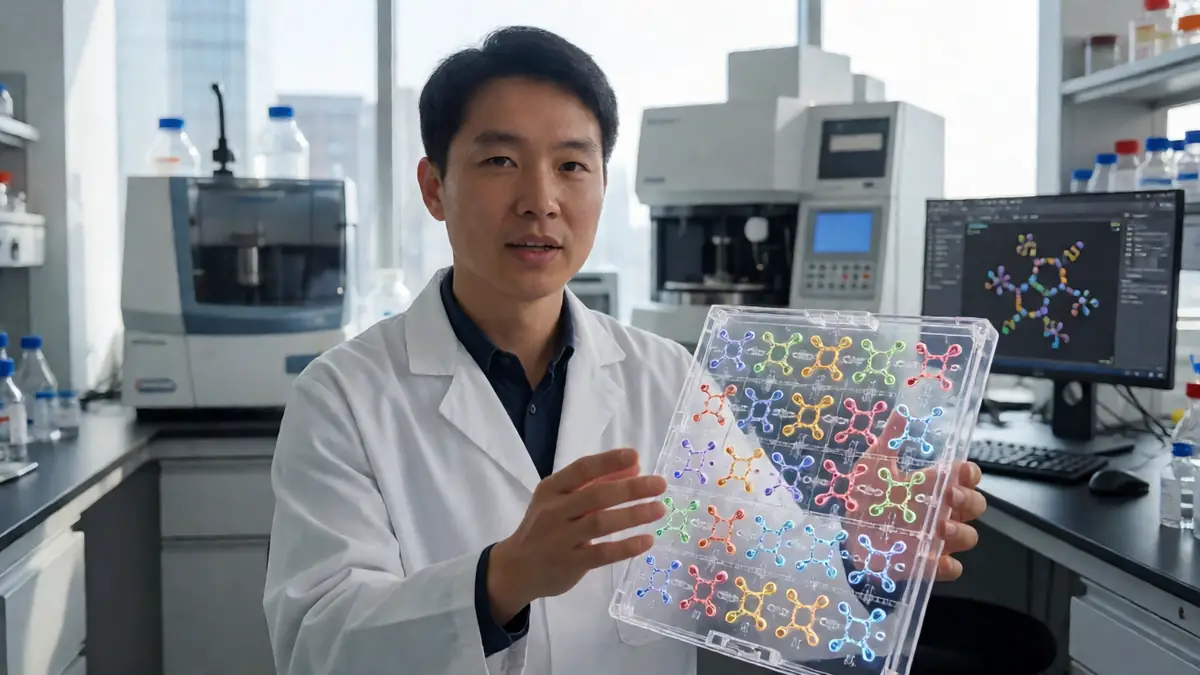
An innervated and vascularized HNSCC-on-a-chip model built on defined and tunable engineered extracellular matrices.

Understanding the tumor microenvironment requires experimental platforms that faithfully recapitulate its key components. Here, we present an innervated and vascularized head and neck squamous cell carcinoma (HNSCC)-on-a-chip platform built with fully defined and tunable engineered extracellular matrices (eECMs). In a stepwise increase of complexity, we first cocultured patient-derived HNSCC cells, cancer-associated fibroblasts, and endothelial cells within tailored eECMs, revealing extracellula

Continue reading
Health & Medicine

Septin binding restricts Shigella growth and triggers intracellular tolerance.

Pathogen survival relies on their ability to adapt to changing environments, yet how intracellular bacteria tolerate cell-autonomous immunity remains unclear. Septins assemble into cage-like structures around cytoplasmic Shigella targeted by autophagy, but their antibacterial activity was unknown. Using advanced microscopy and cell-free reconstitution, we show that septins polymerize into circumferentially oriented filaments that inhibit bacterial growth. RNA-sequencing reveals that septin bindi

Continue reading
Economics

A glycan superbinder reveals polysialylated-CD56 as a precision biomarker for pancreatic cancer.

Pancreatic cancer remains one of the most lethal malignancies, largely due to the lack of reliable biomarkers for early detection. Aberrant glycosylation presents a promising source of diagnostic signatures, yet polysialic acid (polySia), a distinctive glycan, has remained underexplored, primarily owing to limitations in detection methods and recognition tools. Here, we report the development of a polySia "superbinder," a nanoscale molecularly imprinted polymer (nanoMIP) that exhibits superior s

Continue reading
Environment

Defining and measuring proximity to criticality based on univariate time series.

Diverse social, engineered, and biological systems are made up of multiple interacting dynamical components; to work properly, certain components must be carefully regulated so that their dynamics avoid instability. However, many desirable properties, like optimized computation and control, emerge close to the tipping point between stability and instability, i.e., near criticality. Claims that such dynamical systems operate near criticality have been controversial because it is difficult to asse

Continue reading
Artificial Intelligence

Quantifying ancient architecture: Stone-level machine learning reveals architectural variation and settlement growth at Shivta.

Built environments provide durable evidence for how ancient settlements were organized, expanded, and transformed over time. Yet quantitative approaches to documenting architectural variability are generally labor-intensive, limited to individual structures, or dependent on aggregate volumetric estimates. We present a scalable, machine-learning-based framework that shifts the unit of analysis to the individual building stone and combines two complementary datasets: low-altitude drone imagery of

Continue reading

Environment

Orexin and pupillary modulation for hunger control.

Fasting-based interventions improve metabolic health and are also explored as adjuncts in other clinical settings, but hunger remains a barrier to adherence. Fasting activates AgRP/NPY neurons (ANs), a hunger-promoting population whose inhibition reduces eating in hungry animals. Here we identify hypocretin/orexin neurons (HONs), classically associated with arousal, as rapid suppressors of AN activity. HON ablation increased AN population activity, whereas HON optostimulation rapidly suppressed

Continue reading
Health & Medicine

DCAF6 reprograms TGF-β responses through TRIM33 destruction.

TGF-β signaling plays a pivotal role in regulating numerous cellular processes, primarily through the Smad-dependent pathway. Disruptions of the pathway are associated with developmental disorders and life-threatening diseases, such as cancer. It has been reported that TRIM33 inactivates Smad4 signaling and also drives its own signaling responses. However, the mechanism controlling TRIM33 activity has remained unclear. In this study, we identify DCAF6 as a previously unrecognized ubiquitin

Continue reading
Environment

Environmental RNA improves detection and surveillance of schistosomiasis transmission.

Environmental diagnosis of schistosomiasis, a disease affecting over 250 million people globally, remains challenging, thereby limiting efficient eradication efforts. Current methods, including environmental DNA (eDNA), cannot distinguish between infectious parasite life stages present in the environment. Here, we develop and validate an environmental RNA (eRNA) approach that enables detection and quantification of Schistosoma mansoni miracidia (infective to snails) and cercariae (infective to h

Continue reading
Physical/Tech

The ABCD hypothesis.

If [Formula: see text] and [Formula: see text] are cardinals, then the cardinal exponentiation [Formula: see text] is the set of all functions from [Formula: see text] into [Formula: see text]. The ABCD hypothesis is the statement that for all infinite cardinals [Formula: see text] and [Formula: see text], [Formula: see text] if and only if [Formula: see text] and [Formula: see text]. The Axiom of Determinacy, AD, states that every two-player infinite game on [Formula: see text] has a winning st

Continue reading
Environment

Gram-Negative Bacterial Resistance.

The rapid worldwide spread of antimicrobial resistance among gram-negative bacteria is driven by a complex interplay of human, environmental, and health care-associated factors and accelerated by mobile genetic elements that facilitate the dissemination of resistance genes. Resistance in gram-negative bacteria arises primarily through reduced drug entry, active drug efflux, modification of antibiotic targets, and enzymatic drug inactivation, most notably through β-lactamase production. Cli

Continue reading
Physical/Tech

The delocalized nature of chemical bonding at a catalytic metal surface.

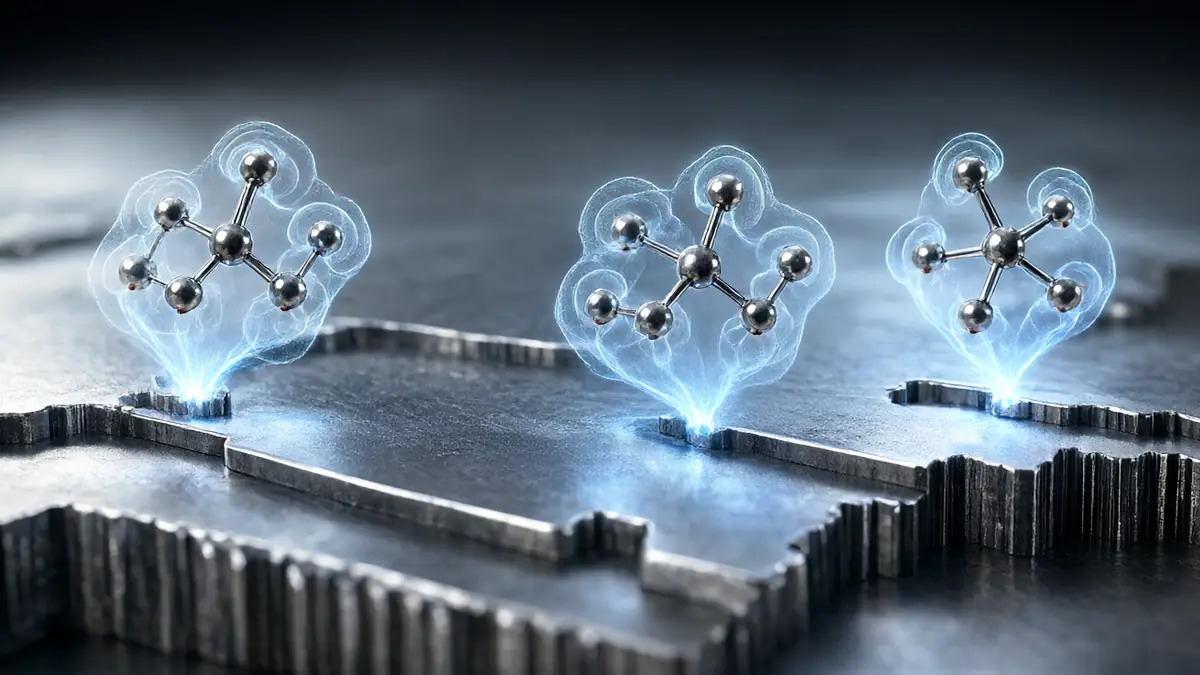
Adsorbate bonding at metal surfaces requires hybridization of localized molecular orbitals with delocalized electronic bands of the metal; hence, the electronic wave function involved in bonding may extend far beyond the adsorption site. We revealed the consequence of this delocalization by determining the distance over which structural variations of the metal surface influence the molecule-metal bond strength. Velocity-resolved kinetics provided adsorption energies for three molecules bound at

Continue reading
Health & Medicine

Stimulated protein degradation to promote mitochondrial function and neuronal survival.

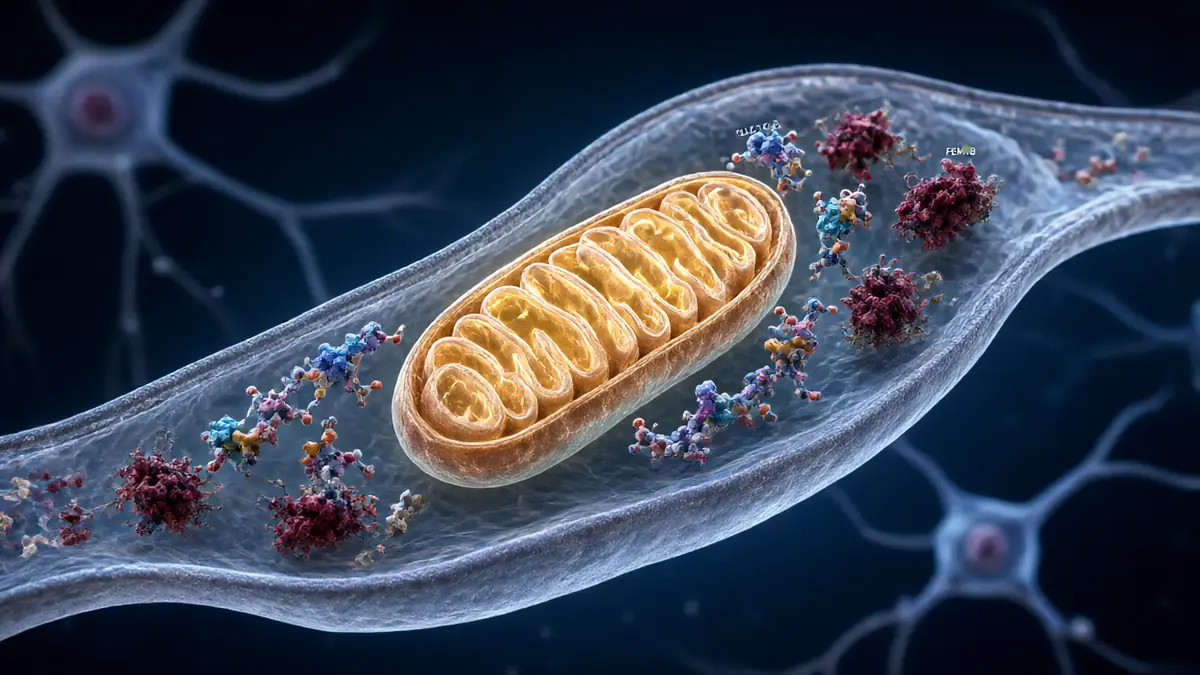
Targeted protein degradation is a promising modality to treat cancer or inflammation, but whether it can provide a similar benefit for disorders caused by pervasive protein dysregulation is unclear. We describe stimulated protein degradation (SPD) as a strategy that leverages agonists of stress-responsive E3 ubiquitin ligases to simultaneously eliminate multiple pathogenic factors. Specifically, we show that activators of the reductive stress response E3 CUL2 FEM1B boost degradation of multiple

Continue reading
Health & Medicine

Spatial coordination in the codevelopment of the human urogenital system during organogenesis.

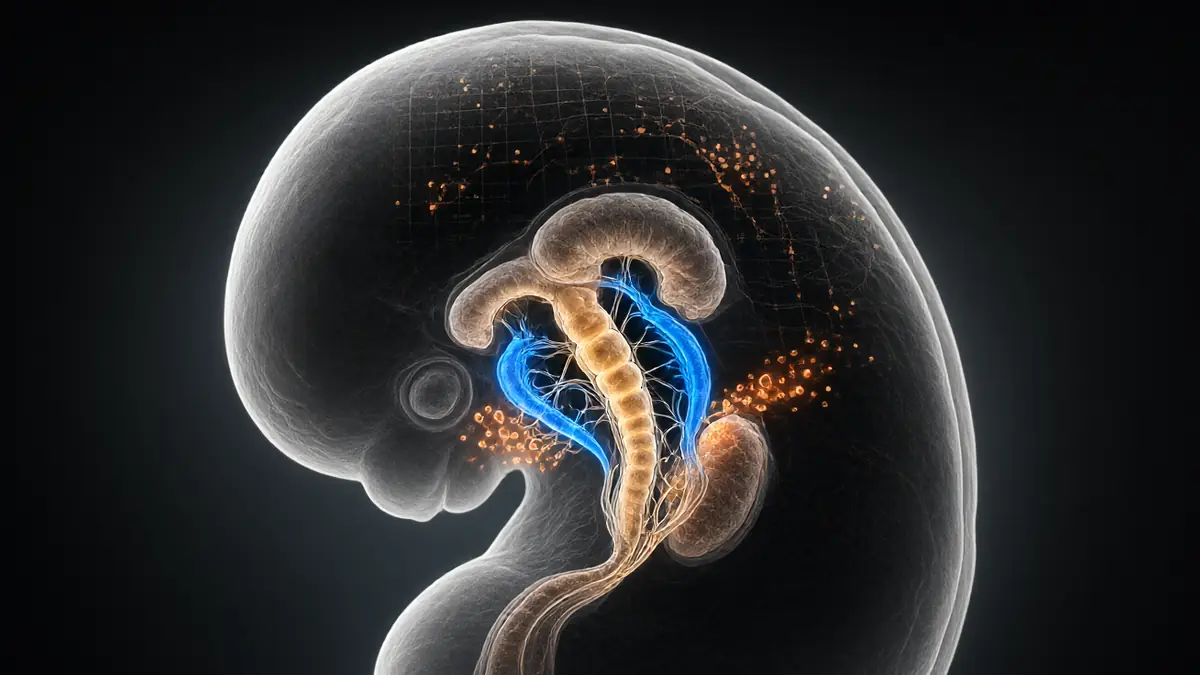
The human urogenital system originates from a common embryonic domain, yet the mechanisms guiding its spatiotemporal coordination remain understudied. Here, we combined high-resolution spatial transcriptomics with single-cell multiomics to profile human embryos from Carnegie stages 15 to 23, capturing the codevelopmental dynamics of the urogenital system. We revealed mesonephros- and adrenal primordium-derived signals that promote gonadal specification and enable efficient in vitro generation of

Continue reading
Artificial Intelligence

Data-driven discovery and rapid, direct synthesis of MXenes.

MXenes are a rapidly expanding family of two-dimensional transition metal carbides and nitrides, yet scalable synthesis routes remain limited and historical reports suggest a broader, largely unexplored chemical space. We used machine learning-assisted database mining to uncover hidden multilayer MXenes. Screening reveals 33 previously synthesized but unrecognized MXene candidates. Guided by these findings, we synthesized seven multilayer MXenes using a rapid, scalable self-propagating high-temp

Continue reading

Artificial Intelligence

Intrinsic gestational timing governs human cerebellar development after preterm birth.

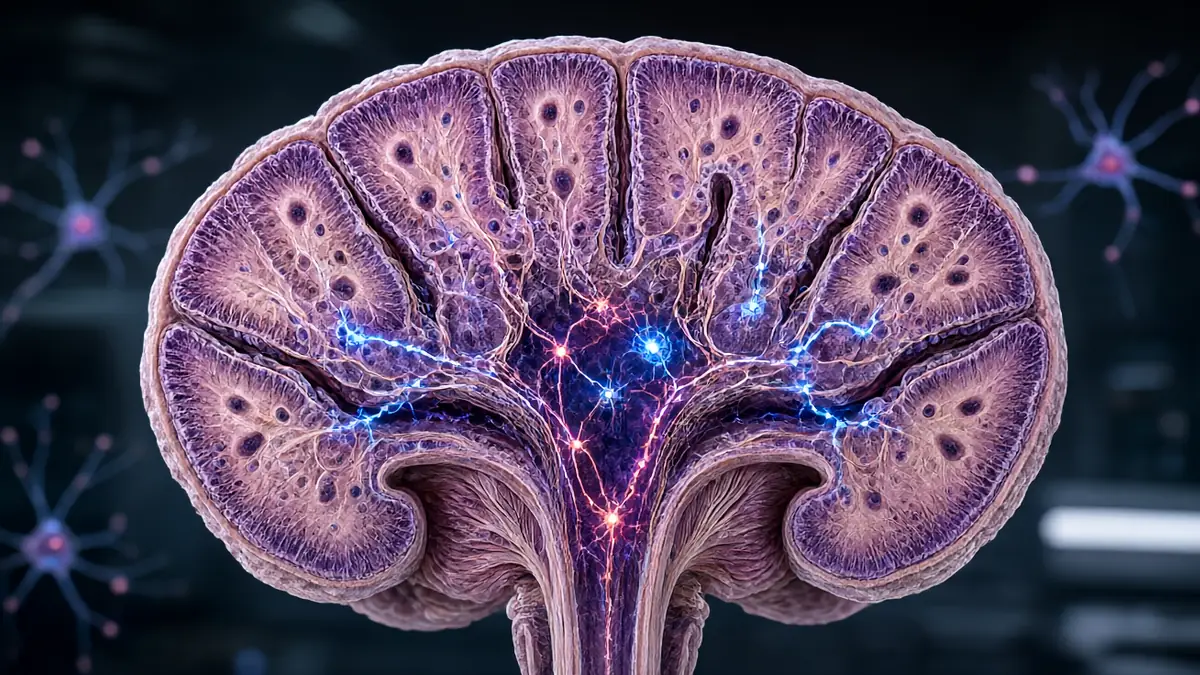
Intrinsic programs shape brain maturation; however, which of these programs are perturbed by prematurity as well as the molecular pathways involved remain unknown. The human cerebellum serves as a paradigm of extrauterine development-its accelerated growth and circuit formation align with the third trimester, a period disrupted by preterm delivery. Using multimodal datasets encompassing in vivo neuroimaging and neurodevelopmental outcomes with postmortem spatial-transcriptomic and histopathologi

Continue reading

Physical/Tech

Chiral altermagnon in MnTe.

Altermagnetism has been recognized as a magnetic phase that bridges the properties of ferro- and antiferromagnetism. The momentum-dependent spin splitting observed in these materials reflects their distinctive symmetry characteristics, which also establish the conditions for chiral magnons to emerge. Here we provide direct experimental evidence for a chiral magnon in the altermagnetic candidate manganese telluride (MnTe) revealed by circular-dichroism resonant inelastic x-ray scattering. This mo

Continue reading

Environment

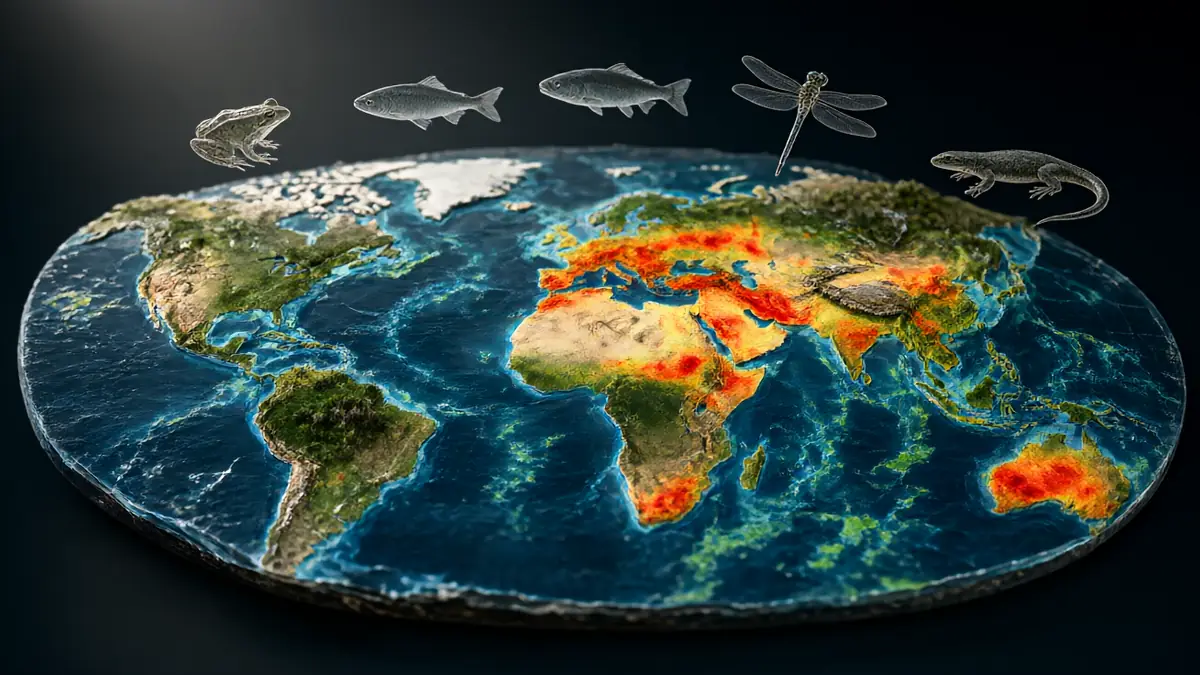
The global geography of threats to freshwater biodiversity.

Human activities are eroding biodiversity, especially in freshwater systems. Despite major advances in quantifying species vulnerability and threats, we still lack a crucial understanding of where threats are affecting freshwater species globally. Here, we produced a species-centered spatial assessment of threats, mapping the impact of 45 threats across 21,490 freshwater species of amphibians, fish, mammals, odonates, and reptiles. We found that species in highly developed and water-managed regi

Continue reading

Environment

Nutrient legacies from elephant megacarcasses create coldspots of biodiversity and hotspots of ecosystem processes.

Terrestrial megafauna (animals >1,000 kg) have substantial impacts on ecosystems while alive; yet, we know little about the impacts of these ecosystem engineers after they die. Like whale carcasses in the ocean, terrestrial megacarcasses may leave ecological legacies via the nutrient pulses they create on the landscape. Here, we investigated the impact of elephant megacarcasses on savanna ecosystems in Kruger National Park, South Africa. To determine how elephant carcasses affect below- and a

Continue reading

Physical/Tech

Extensive glacier loss in the coterminous United States.

Glaciers populate the mountain ranges of the western conterminous United States and despite their importance to alpine hydrology, their area and volume change have never been comprehensively evaluated. Our study shows that since the mid-twentieth century about one-quarter of the glaciers have disappeared and the overall area and volume are reduced by one-third. The pattern of glacier shrinkage suggests most glaciers in the conterminous United States are largely maintained by local topographic in

Continue reading
Health & Medicine

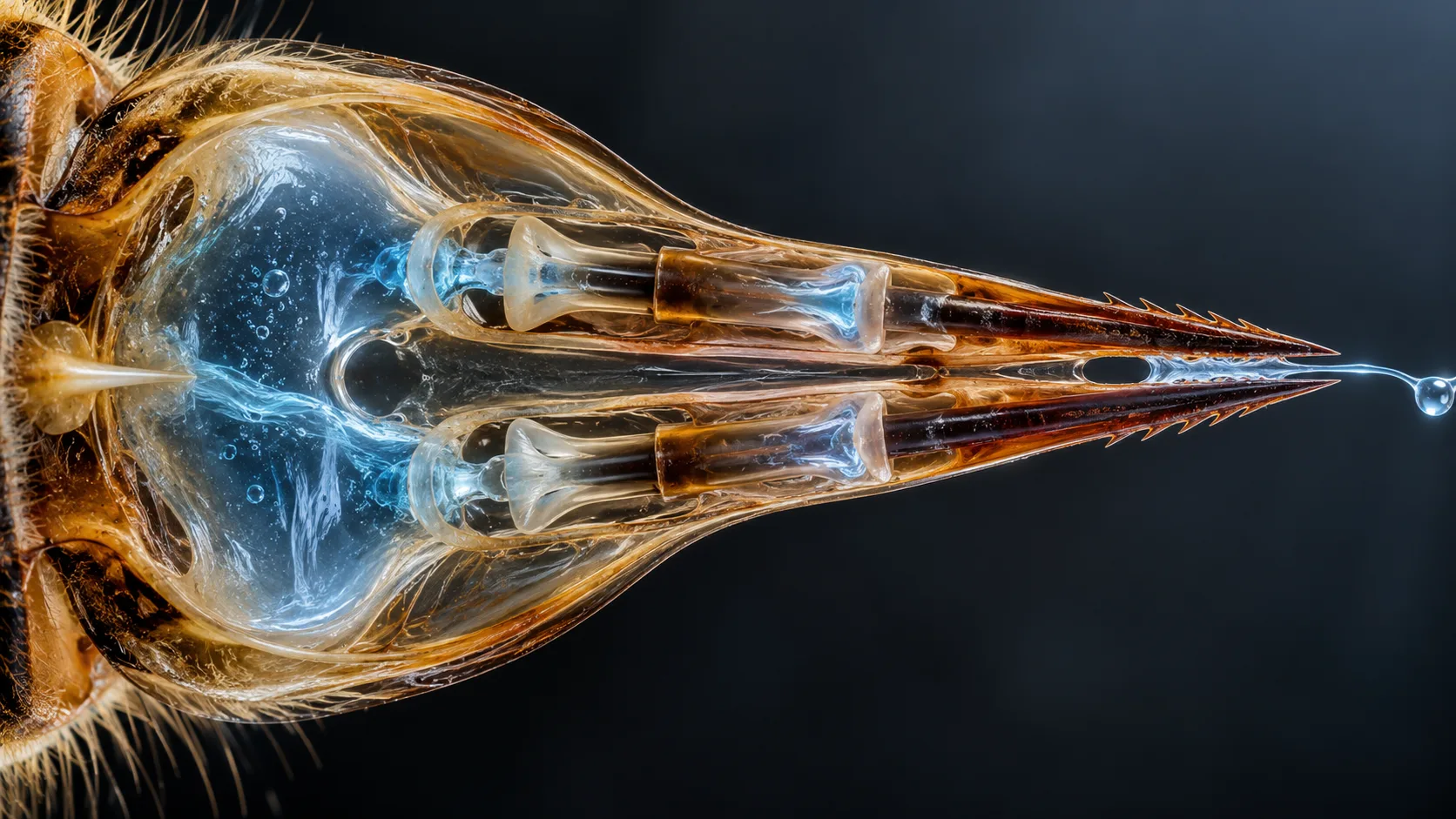
The honey bee stinger: An unusual pump with collapsible double pistons.

Most stinging animals deliver venom by contracting muscles around a venom reservoir, but honey bees employ a fundamentally different strategy. The stingers of worker bees have the unique ability to autotomize, separating from the body, to continue to sting independently. Despite more than a century of anatomical descriptions, the mechanics of venom pumping have remained unresolved due to the challenges of observing them in action. We recorded high-speed videos of active, autotomized stingers, co

Continue reading
Environment

Global origins of tuna and billfish fisheries reveal the transition from coastal access to oceanic exploitation.

Ocean ecosystems have played a crucial role in people's lives around the world for millennia. However, questions persist about when, why, and how people first began removing biomass from offshore habitats and established fisheries in distant, oceanic environments. We explore the antiquity and evolution of tuna (Thunnini) and billfish (Istiophoridae/Xiphiidae) fisheries, two groups of fishes that occur around the world, are economically significant, and are ecologically important open ocean apex

Continue reading

Health & Medicine

mechanoLight: A genetically encoded fluorescent biosensor for visualizing 5-HT2AR mechanotransduction in live cells.

G protein-coupled receptors (GPCRs) are pivotal sensors of the mechanical environment, yet how they sense and transduce physical stimuli into biochemical signals within live cells remains largely elusive. Here we introduce mechanoLight, a genetically encoded red fluorescent biosensor designed to report the mechanical activation of the 5-hydroxytryptamine 2A receptor (5-HT2AR). By incorporating a circularly permuted mApple (cp-mApple) into the third intracellular loop of 5-HT2AR with the optimize

Continue reading

Environment

Toward cooler cities by larger homogeneous functional clusters.

Urban heat island (UHI) intensifies heat-related risks and environmental degradation in cities worldwide, yet existing mitigation strategies have largely overlooked how the spatial scale of homogeneous functional building clusters influences local climate. This scale may matter because buildings with similar functions often share similar morphology, activity schedules, and anthropogenic heat-release patterns, allowing their spatial contiguity to shape ventilation and heat accumulation. Here, we

Continue reading

Physical/Tech

Scientists disrupt less but more persistently with career aging.

Disruption describes the extent to which a scientific work overturns the prior knowledge on which it builds and leads to a new line of research. A scientist's tendency to produce disruptive work has been found recently to decline over the career. However, the disruption index captures only how strongly a paper overturns prior work and ignores whether that disruption is later accepted or overturned by subsequent research. The persistent disruption (PD) framework adds this second perspective, iden

Continue reading
Health & Medicine

Neuromodulatory control of cortical function: Cell-type-specific regulation of neuronal information transfer.

Neuromodulatory systems such as dopamine and acetylcholine enable cortical circuits to rapidly shift between behavioral states, yet it remains unclear how receptor-specific signaling reshapes what single neurons compute. Here, we combined whole-cell recordings from excitatory and inhibitory neurons in layer 2/3 of mouse somatosensory cortex with information-theoretic analyses under frozen-noise stimulation. We quantified stimulus-to-spike information transfer and profiled each neuron across four

Continue reading
Environment

A Bering Sea marine heatwave triggers unprecedented crab hybridization, challenging fisheries management.

Marine heatwaves are increasingly recognized for their capacity to generate ecological surprises, yet the pathways that propagate these unexpected responses are often poorly understood. Here, we document an unanticipated ecological response 7 y after a Bering Sea marine heatwave, in which formerly rare snow crab ( Chionoecetes opilio ) × Tanner crab ( C. bairdi ) hybrid abundance increased 13.4-fold, and the proportion of commercial-sized hybrid males increased 13.1-fold, relative to histor

Continue reading

Physical/Tech

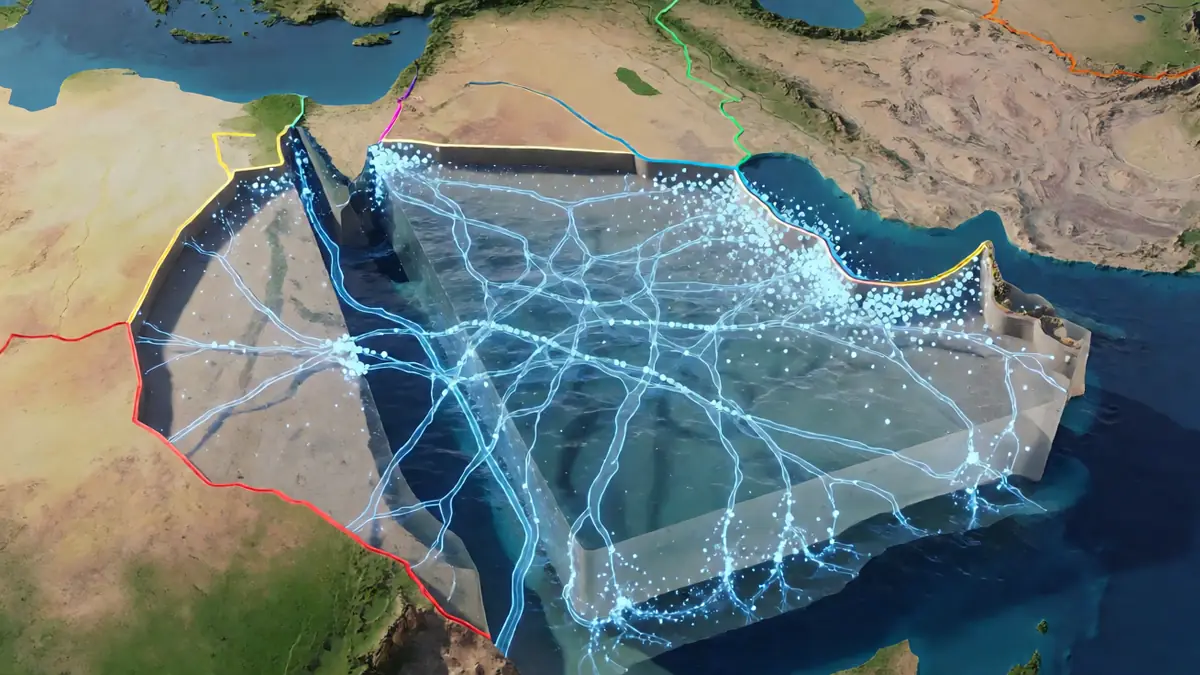
Geography of groundwater use and depletion in internationally shared aquifers.

Transboundary aquifers (TBAs) underlie 35% of global groundwater-irrigated cropland, yet few are covered by formal cooperative arrangements. Whether this limited cooperation is consequential depends in part on where groundwater is used within shared aquifers, because pumping far from international borders may generate little cross-border impact. Combining [Formula: see text]116,000 well observations with global irrigation data across all 426 known TBAs, we assess how groundwater use and depletio

Continue reading

Health & Medicine

Identification and characterization of neoplastic cells in keratin-positive giant cell-rich tumors.

Keratin-positive giant cell-rich tumor (KPGCT) is a newly described bone and soft tissue tumor. The tumor is characterized by scattered keratin-positive cells and the presence of HMGA2::NCOR2 fusions. It is not known if the HMGA2::NCOR2 fusion is located in the keratin-positive cells, and little is known about how KPGCT develops. KPGCT shares some histologic features with tenosynovial giant cell tumor (TGCT), a soft tissue tumor with CSF1 rearrangements. Single-nuclei RNA sequencing and Xenium s
Continue reading

Health & Medicine

Mediator-associated proteins and the small RNA-guided Polycomb repressive complex enhance cryptic transcription for transposon exclusion.

Suppression of transposable elements (TEs) is critical for maintaining genome integrity. The evolutionary arms race between TEs and their eukaryotic host organisms has driven the development of small RNA-dependent mechanisms that specifically suppress TEs while leaving non-TE regions unperturbed. In the binucleated ciliate Tetrahymena , small RNAs (sRNAs) are generated from both TE and non-TE regions of the germline genome, whereas noncoding RNAs (ncRNAs) from the TE-free somatic genome target a

Continue reading
Health & Medicine

PLD1-driven oncogenic secretion creates a therapeutic vulnerability in chromosome 3q-amplified NSCLC.

Chromosome 3q (3q) amplification is a frequent event in non-small cell lung cancer (NSCLC) and other cancer types, yet therapeutic strategies targeting oncogenic drivers within this amplicon have been unsuccessful. Our study revealed that the 3q amplicon encodes multiple Golgi-related proteins, including Phospholipase D1 (PLD1), which catalyzes the production of a potential oncogenic lipid, phosphatidic acid. We found that PLD1 is highly expressed in 3q-amplified NSCLC (3q-NSCLC) and its enzymat

Continue reading
Artificial Intelligence

CX3CL1 (fractalkine)-CX3CR1 interface drives CD8⁺ T cell-induced neurodegeneration in human brain organoids.

Immune-neuron interactions play a critical role in neuroinflammatory and neurodegenerative diseases, such as Alzheimer's disease (AD), but how CD8⁺ T cells contribute to brain pathology remains poorly understood. Amyloid-β (Aβ), a hallmark of AD, is known to trigger neuronal stress and inflammation. Here, we established a human cortical organoid (hCO) model to investigate CD8⁺ T cell responses to Aβ-induced neurodegenerative stress. Aβ exposure increased neu

Continue reading
Physical/Tech

Programmable chemoenzymatic synthesis of a keratan sulfate N -glycan library for glycocode decoding.

Keratan sulfate (KS) is a unique and widely distributed glycosaminoglycans family implicated in diverse biological processes. KS features branched glycan architectures with diverse sialylation and sulfation patterns, encoding a vastly expanded chemical and biological space. The limited accessibility of well-defined structures has hindered precise investigations into the KS biological functions. Here we report a programmable chemoenzymatic platform for assembling a 106-membered library of KS N -g

Continue reading
Economics

Evolution of the arbuscular mycorrhizal regulatory network through differential GRAS gene retention and protein interaction in land plants.

Plants rely on an ancient genetic "toolkit" to establish arbuscular mycorrhizal symbiosis (AMS) with fungal partners. However, the symbiotic outcomes vary among AMS hosts, indicating divergence in downstream transcriptional reprogramming after the perception of symbiotic signals. To uncover the cross-species variation of the AMS regulatory network, we traced the evolutionary trajectory of the GRAS gene family, which encodes the major group of transcription factors in AMS regulation. Phylogenetic

Continue reading
Health & Medicine

Connexins are essential for the contribution of latent progenitors to healing after spinal cord injury.

Gap junctions are important regulators of the biology of neural stem cells. Both in vertebrates with regenerative abilities and neonatal rodents, ependymal cells communicate via connexin (Cx) 43 and Cx26. Gap junction coupling and Cx26 are down-regulated as the ependyma becomes quiescent in adulthood, but injury overrules this developmental down-regulation suggesting a role for Cx signaling in the reactivation of ependymal cells. However, direct evidence of the involvement of these Cxs in the re

Continue reading
Artificial Intelligence

Causality in liquid water as a hallmark of emergent glassy dynamics.

In molecular liquids such as water, time-delayed influences between microscopic or mesoscopic variables are typically probed using time-correlation functions, which are symmetric under detailed balance and therefore blind to dynamical asymmetries. Here, we characterize water's dynamics using a causal inference metric that captures asymmetric couplings between collective variables. Analyzing equilibrium molecular dynamics simulations at ambient conditions and in the high-density liquid (HDL) regi

Continue reading
Health & Medicine

Structure of bovine viral diarrhea virus E2 glycoprotein in complex with CD46 reveals the molecular basis of virus-receptor recognition.

Bovine viral diarrhea virus (BVDV) is a major contagious pathogen of ruminants and imposes substantial economic burdens on the global livestock industry. The viral envelope glycoprotein E2 mediates host cell attachment by recognizing the CD46 receptor; however, the molecular basis of this interaction remains unclear. Here, we report the crystal structure of BVDV-1 E2 in complex with bovine CD46 at 3.1-Å resolution. The structure reveals that the SCR1-2 domains of CD46 engage the DII-DIV dom

Continue reading
Health & Medicine

Bridging spatial scales in respiratory viral infection.

Respiratory viruses spread within the host through a combination of local expansion and occasional long-range dissemination that seeds new infection foci. We present LEAP (Lotka-Euler Airway Pathogen model), an analytically tractable within-host model that captures this two-scale process. The model takes the form of an age-dependent branching process and yields a closed-form expression for the exponential growth rate during early infection. Using empirical data to parameterize the model, we find

Continue reading