Thermal imbalance drives avian performance and responses to climate warming.
Thermal performance curves are widely used to predict ectothermic responses to climate warming but are less effective for predicting endotherm performance across environmental conditions because thermoregulation often decouples body temperature from ambient temperature. We develop theory and provide empirical evidence for performance curves in endotherms structured by net sensible heat flux (Q), an integrative index of thermoregulatory imbalance. Using biophysical simulations in tree swallows, w
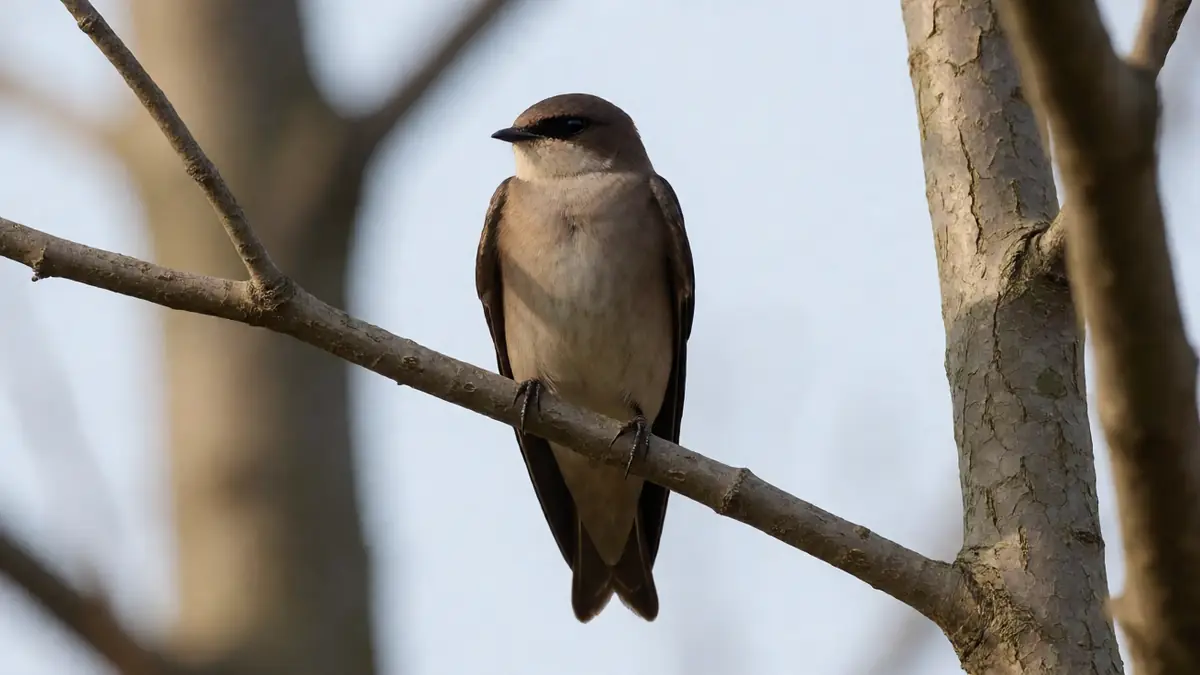
Thermal performance curves are widely used to predict ectothermic responses to climate warming but are less effective for predicting endotherm performance across environmental conditions because thermoregulation often decouples body temperature from ambient temperature. We develop theory and provide empirical evidence for performance curves in endotherms structured by net sensible heat flux (Q), an integrative index of thermoregulatory imbalance. Using biophysical simulations in tree swallows, we show that performance varies predictably with Q (which we term "QPCs"), thereby explaining variation in nestling provisioning performance, reproductive fitness, and geographic limits, while also forecasting responses to climate change. We also demonstrate that thermal imbalance helps shape breeding ranges of birds across North America. Our findings introduce Q as a broadly relevant ecophysiological dimension that constrains performance in endotherms and provides a framework for predicting endotherm responses to climate warming.