Environment

Construction of Divergent Enantioenriched 3D-Fluoro Scaffolds via Ni(0) π-Lewis Base-Mediated Umpolung of Fluorodienes.
| Source: Journal of the American Chemical Society

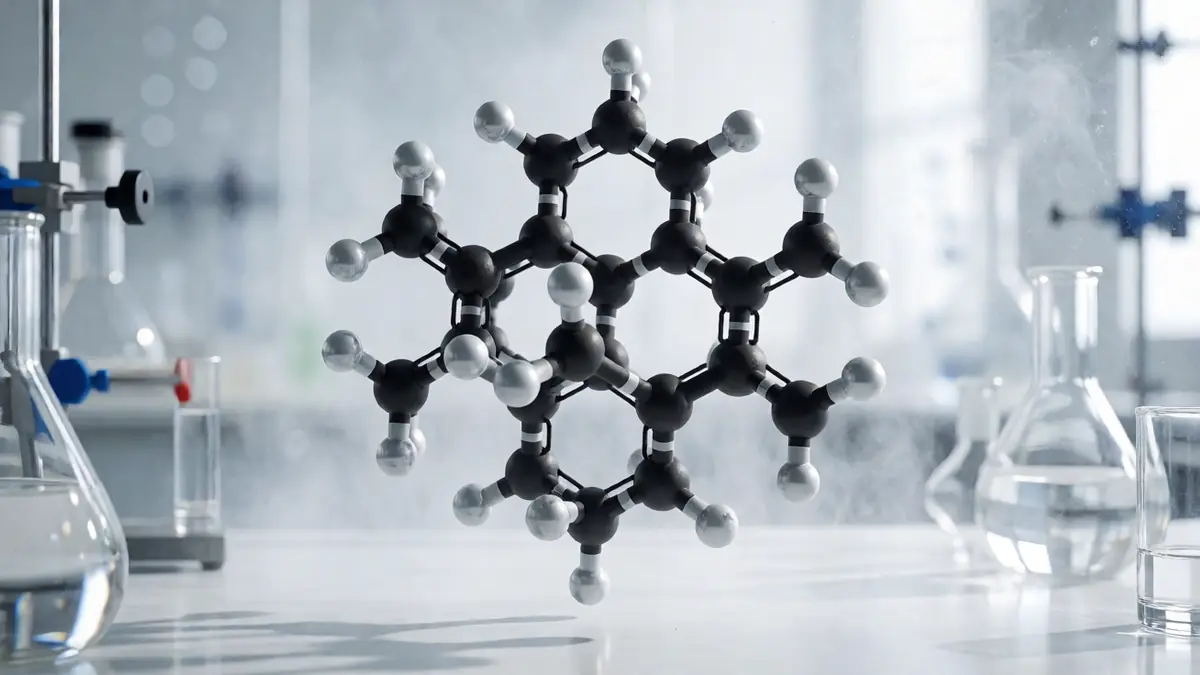
Enantioenriched three-dimensional (3D) fluorinated scaffolds are pivotal in drug discovery, whereas the asymmetric synthesis directly from readily available 2D fluoroalkenes represents a desirable yet challenging synthetic objective. The α-carbon of gem-difluoroalkenes is inherently electrophilic, which typically precludes their utility in nucleophilic assemblies. Herein, we report an umpolung strategy that utilizes low-valent Ni(0) as a π-Lewis base activator for gem-difluorodienes

Enantioenriched three-dimensional (3D) fluorinated scaffolds are pivotal in drug discovery, whereas the asymmetric synthesis directly from readily available 2D fluoroalkenes represents a desirable yet challenging synthetic objective. The α-carbon of gem-difluoroalkenes is inherently electrophilic, which typically precludes their utility in nucleophilic assemblies. Herein, we report an umpolung strategy that utilizes low-valent Ni(0) as a π-Lewis base activator for gem-difluorodienes and leverages d → π* backdonation to effectively reverse their intrinsic electrophilicity, thereby enabling the addition to aldehydes and imines stereoselectively. Two distinct transformative pathways for the resultant difluoro π-allylnickel(II) species are developed: exclusively (Z)-defined defluorination and reductive coupling, finally furnishing chiral fluoroalkenyl and gem-difluoro homoallylic derivatives, respectively. In addition, stereodivergent control over vicinal fluorine-containing stereocenters is achievable under the identical catalysis, by simply using geometric isomers of 1-fluorodienes. The current Ni(0)-based umpolung paradigm of fluorodienes establishes a powerful framework for constructing structurally diverse and enantioenriched fluorinated compounds with pharmaceutical significance.
Read the original source →

Related Stories

Environment

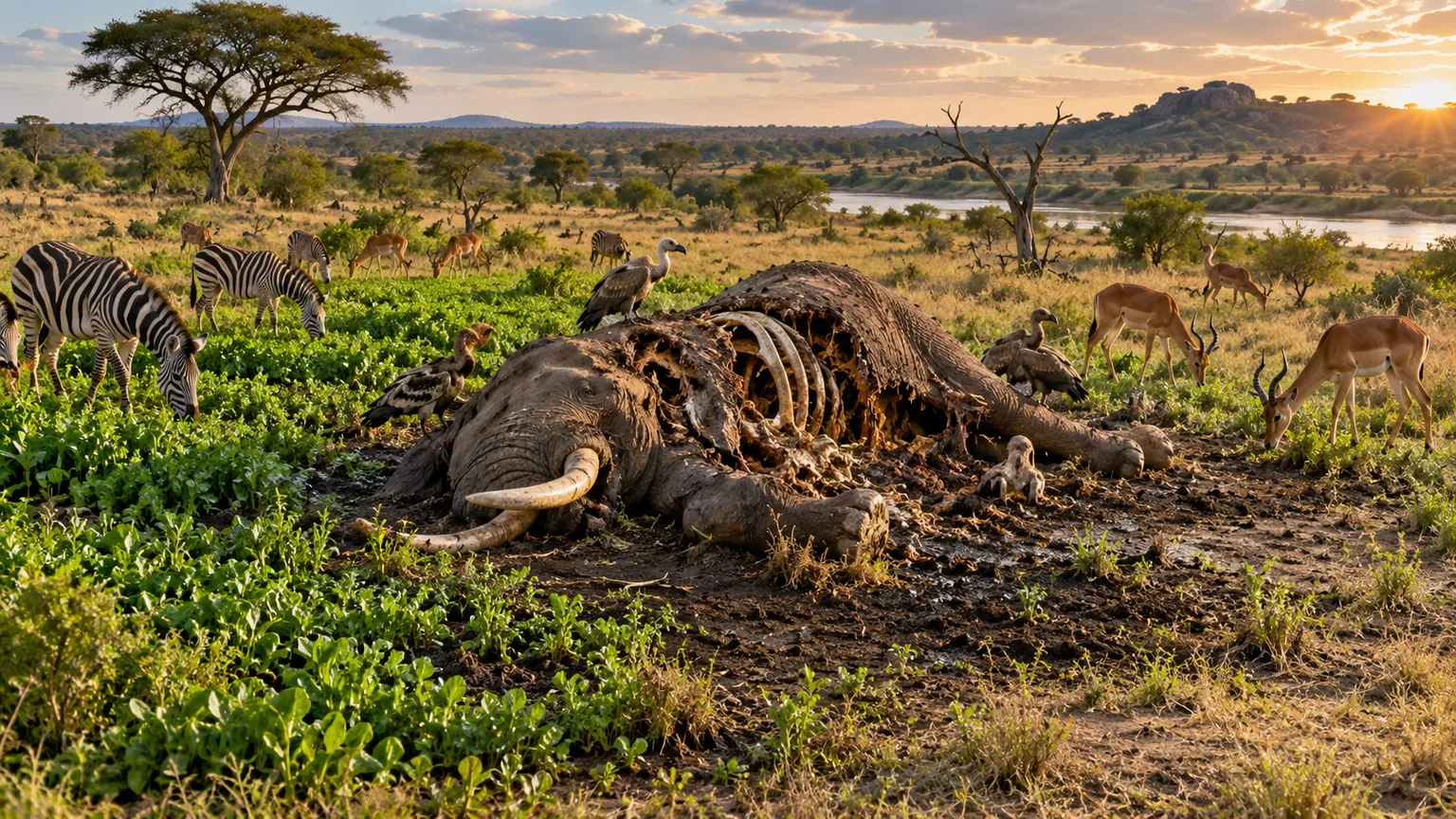
Nutrient legacies from elephant megacarcasses create coldspots of biodiversity and hotspots of ecosystem processes.

Terrestrial megafauna (animals >1,000 kg) have substantial impacts on ecosystems while alive; yet, we know little about the impacts of these ecosystem engineers after they die. Like whale carcasses in the ocean, terrestrial megacarcasses may leave ecological legacies via the nutrient pulses they create on the landscape. Here, we investigated the impact of elephant megacarcasses on savanna ecosystems in Kruger National Park, South Africa. To determine how elephant carcasses affect below- and a

Continue reading
Environment

Global origins of tuna and billfish fisheries reveal the transition from coastal access to oceanic exploitation.

Ocean ecosystems have played a crucial role in people's lives around the world for millennia. However, questions persist about when, why, and how people first began removing biomass from offshore habitats and established fisheries in distant, oceanic environments. We explore the antiquity and evolution of tuna (Thunnini) and billfish (Istiophoridae/Xiphiidae) fisheries, two groups of fishes that occur around the world, are economically significant, and are ecologically important open ocean apex

Continue reading
Environment

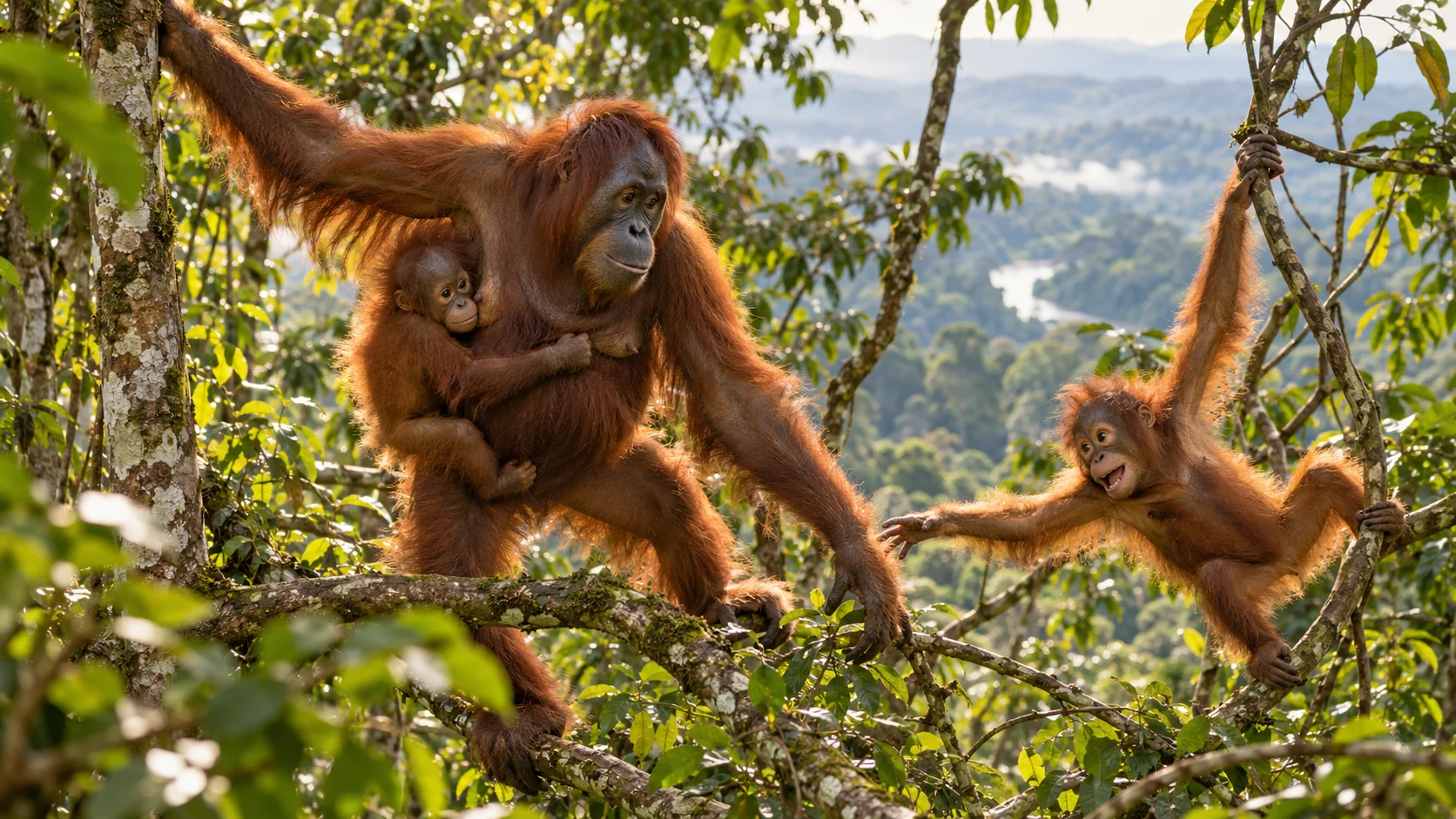
Maternal ranging strategies facilitate offspring social play at energetic cost in the most solitary ape.

In most vertebrates, social play among peers is considered essential for behavioral development. Yet in solitary species bearing single offspring, opportunities for social play are inherently scarce. Whether mothers of such species actively facilitate play opportunities for their offspring, and at what cost, remains unknown. We used 15 y of behavioral and movement data (∼32,600 observation hours) from 31 wild Bornean orangutan ( Pongo pygmaeus wurmbii ) mother-offspring pairs to test whet

Continue reading
Environment

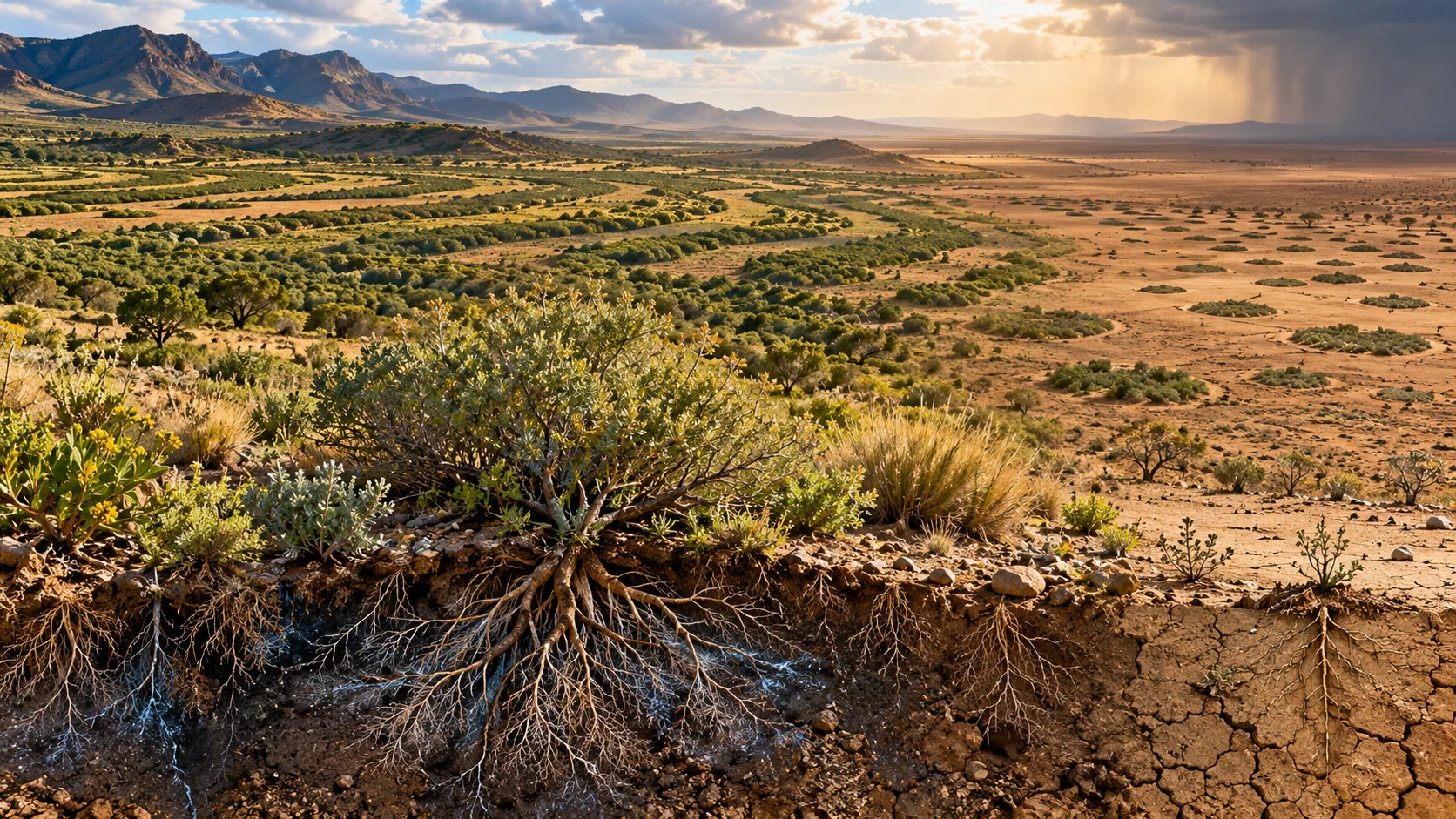
Evolution shapes ecosystem resilience through spatial self-organization.

Drylands are globally widespread and ecologically important but vulnerable to climate change. Many exhibit spatially self-organized vegetation patterns that enhance resilience by enabling vegetation to reorganize their patterns under drying, thereby optimizing water use and maintaining productivity. Plants can also undergo evolution in response to environmental change. Although both spatial self-organization and rapid evolution are fundamental mechanisms of resilience, their interaction remains

Continue reading
Environment

Thermal imbalance drives avian performance and responses to climate warming.

Thermal performance curves are widely used to predict ectothermic responses to climate warming but are less effective for predicting endotherm performance across environmental conditions because thermoregulation often decouples body temperature from ambient temperature. We develop theory and provide empirical evidence for performance curves in endotherms structured by net sensible heat flux (Q), an integrative index of thermoregulatory imbalance. Using biophysical simulations in tree swallows, w

Continue reading