Environment

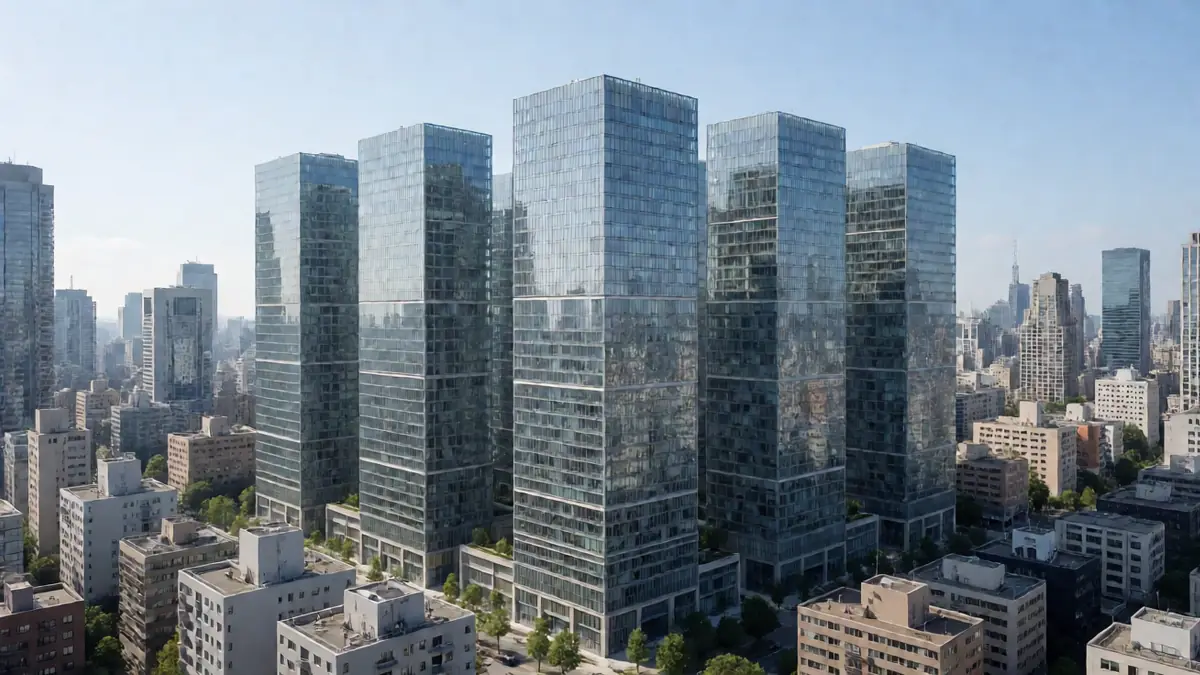
Toward cooler cities by larger homogeneous functional clusters.
| Source: Proceedings of the National Academy of Sciences of the United States of America

Urban heat island (UHI) intensifies heat-related risks and environmental degradation in cities worldwide, yet existing mitigation strategies have largely overlooked how the spatial scale of homogeneous functional building clusters influences local climate. This scale may matter because buildings with similar functions often share similar morphology, activity schedules, and anthropogenic heat-release patterns, allowing their spatial contiguity to shape ventilation and heat accumulation. Here, we

Urban heat island (UHI) intensifies heat-related risks and environmental degradation in cities worldwide, yet existing mitigation strategies have largely overlooked how the spatial scale of homogeneous functional building clusters influences local climate. This scale may matter because buildings with similar functions often share similar morphology, activity schedules, and anthropogenic heat-release patterns, allowing their spatial contiguity to shape ventilation and heat accumulation. Here, we introduce the Urban Homogeneous Scale (UHS)-an indicator that measures the spatial scale of contiguous, functionally similar building clusters-and analyze 233,844 observations across 101 global cities to assess its potential for mitigating surface UHI. We find that larger UHS is associated with lower surface UHI: every 100-meter increase in UHS corresponds to 4.5% decrease in daytime UHI. This daytime cooling effect is particularly more pronounced in inland, humid, and high-income regions. In low-income regions, larger building area and higher building volume more strongly weaken UHS cooling capacity than in wealthier regions, revealing a socioeconomic inequality in UHS's mitigation benefits. Our findings identify the spatial scale of building clusters as a essential dimension of urban form associated with urban heat burden, and suggest that considering UHS alongside targeted controls on built environmental characteristics may inform future heat-mitigation planning.
Read the original source →

Related Stories

Environment

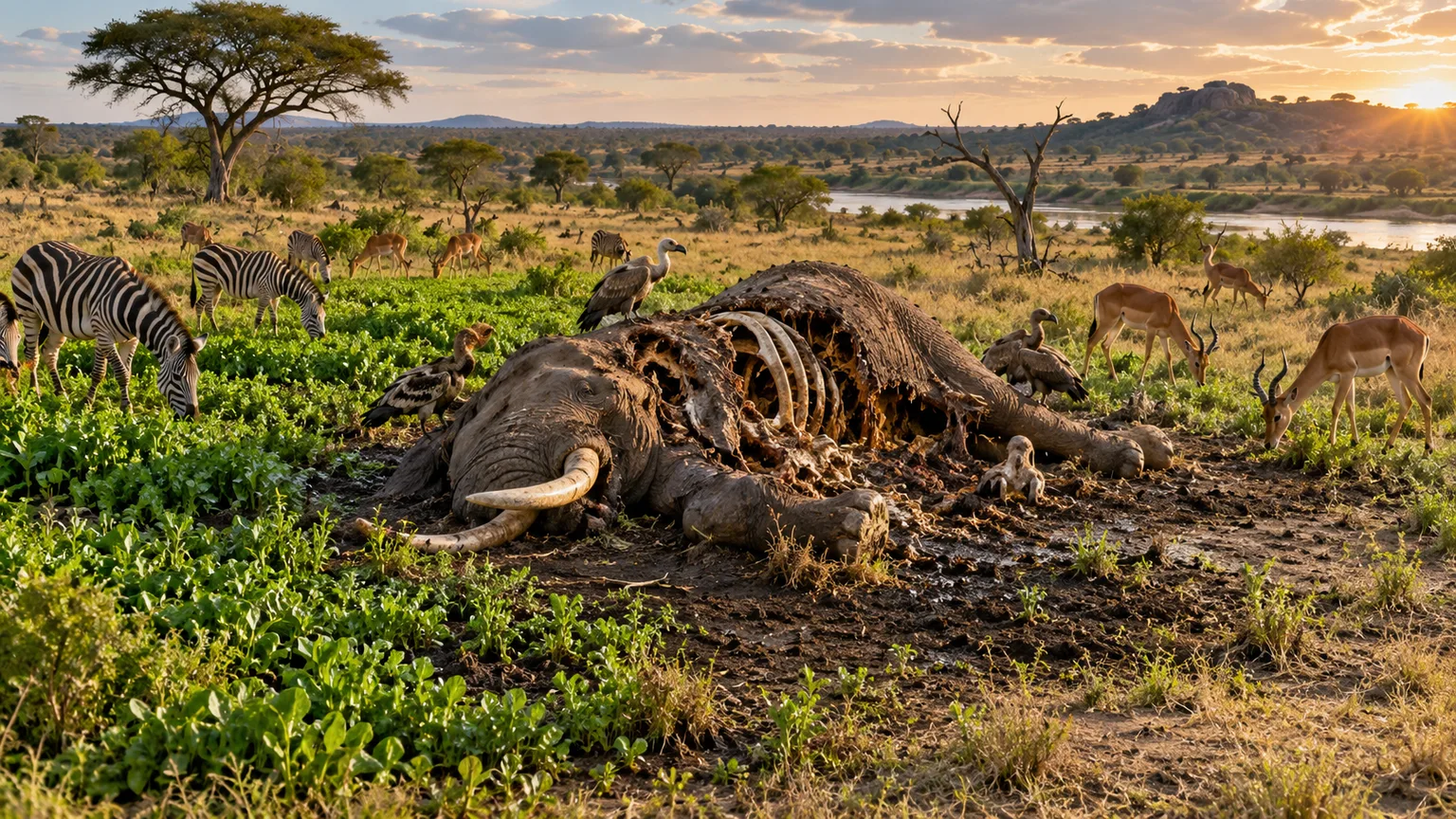
Nutrient legacies from elephant megacarcasses create coldspots of biodiversity and hotspots of ecosystem processes.

Terrestrial megafauna (animals >1,000 kg) have substantial impacts on ecosystems while alive; yet, we know little about the impacts of these ecosystem engineers after they die. Like whale carcasses in the ocean, terrestrial megacarcasses may leave ecological legacies via the nutrient pulses they create on the landscape. Here, we investigated the impact of elephant megacarcasses on savanna ecosystems in Kruger National Park, South Africa. To determine how elephant carcasses affect below- and a

Continue reading
Environment

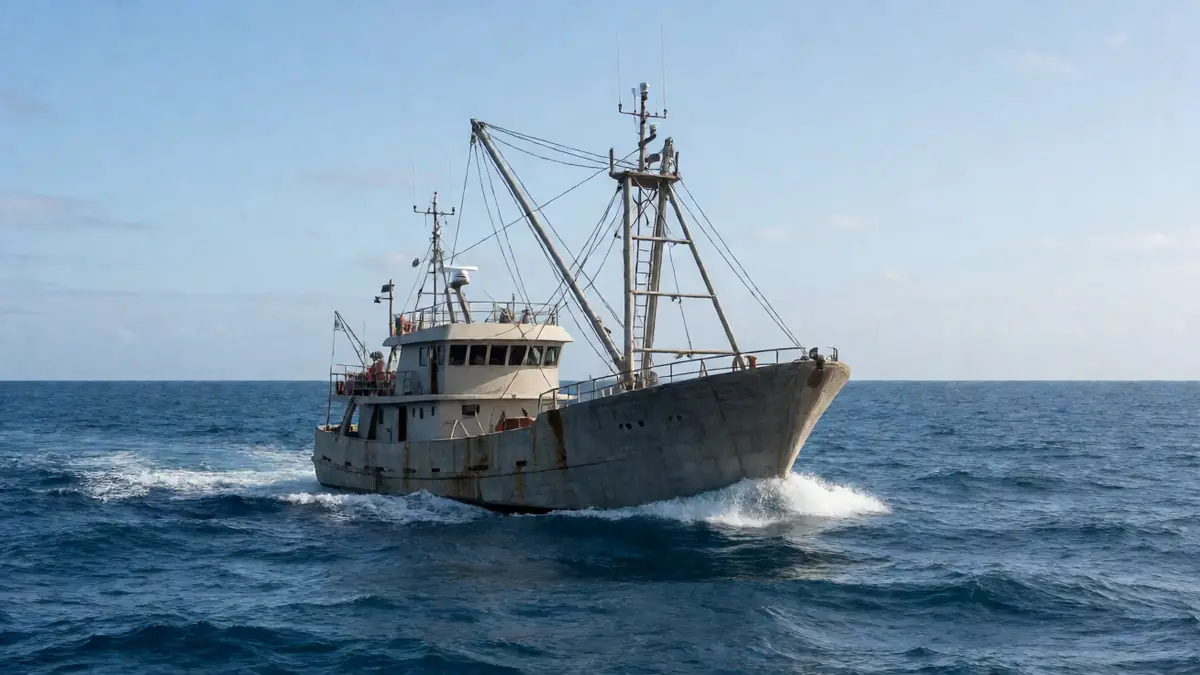
Global origins of tuna and billfish fisheries reveal the transition from coastal access to oceanic exploitation.

Ocean ecosystems have played a crucial role in people's lives around the world for millennia. However, questions persist about when, why, and how people first began removing biomass from offshore habitats and established fisheries in distant, oceanic environments. We explore the antiquity and evolution of tuna (Thunnini) and billfish (Istiophoridae/Xiphiidae) fisheries, two groups of fishes that occur around the world, are economically significant, and are ecologically important open ocean apex

Continue reading
Environment

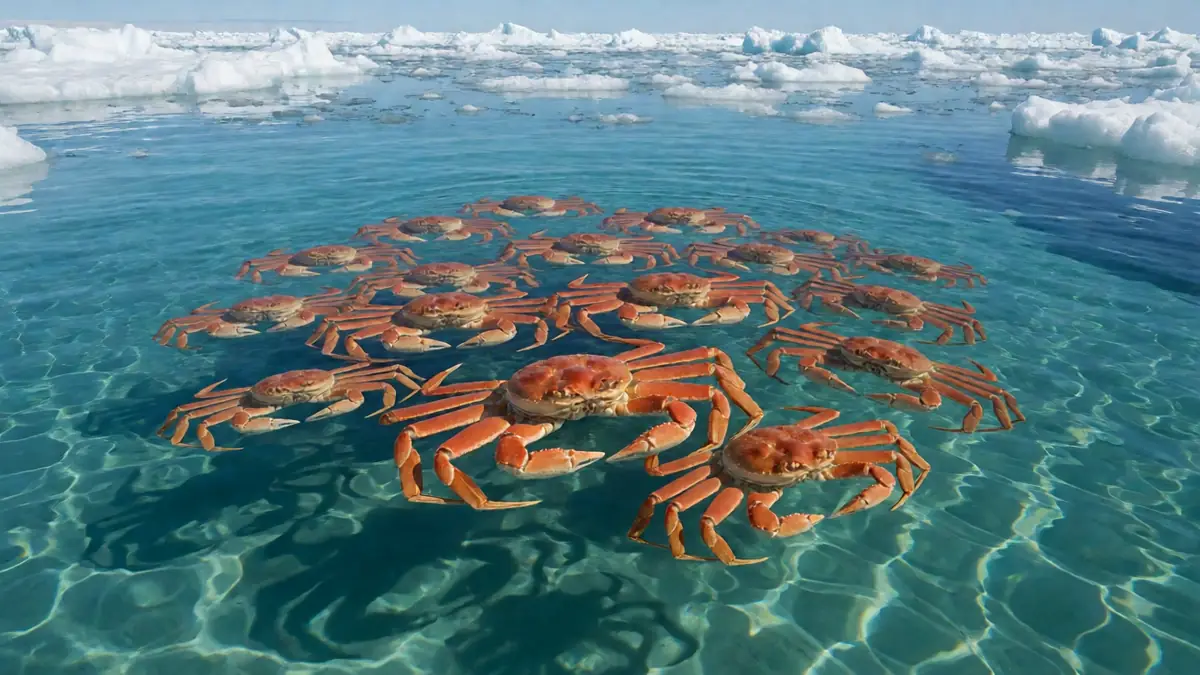
A Bering Sea marine heatwave triggers unprecedented crab hybridization, challenging fisheries management.

Marine heatwaves are increasingly recognized for their capacity to generate ecological surprises, yet the pathways that propagate these unexpected responses are often poorly understood. Here, we document an unanticipated ecological response 7 y after a Bering Sea marine heatwave, in which formerly rare snow crab ( Chionoecetes opilio ) × Tanner crab ( C. bairdi ) hybrid abundance increased 13.4-fold, and the proportion of commercial-sized hybrid males increased 13.1-fold, relative to histor

Continue reading
Environment

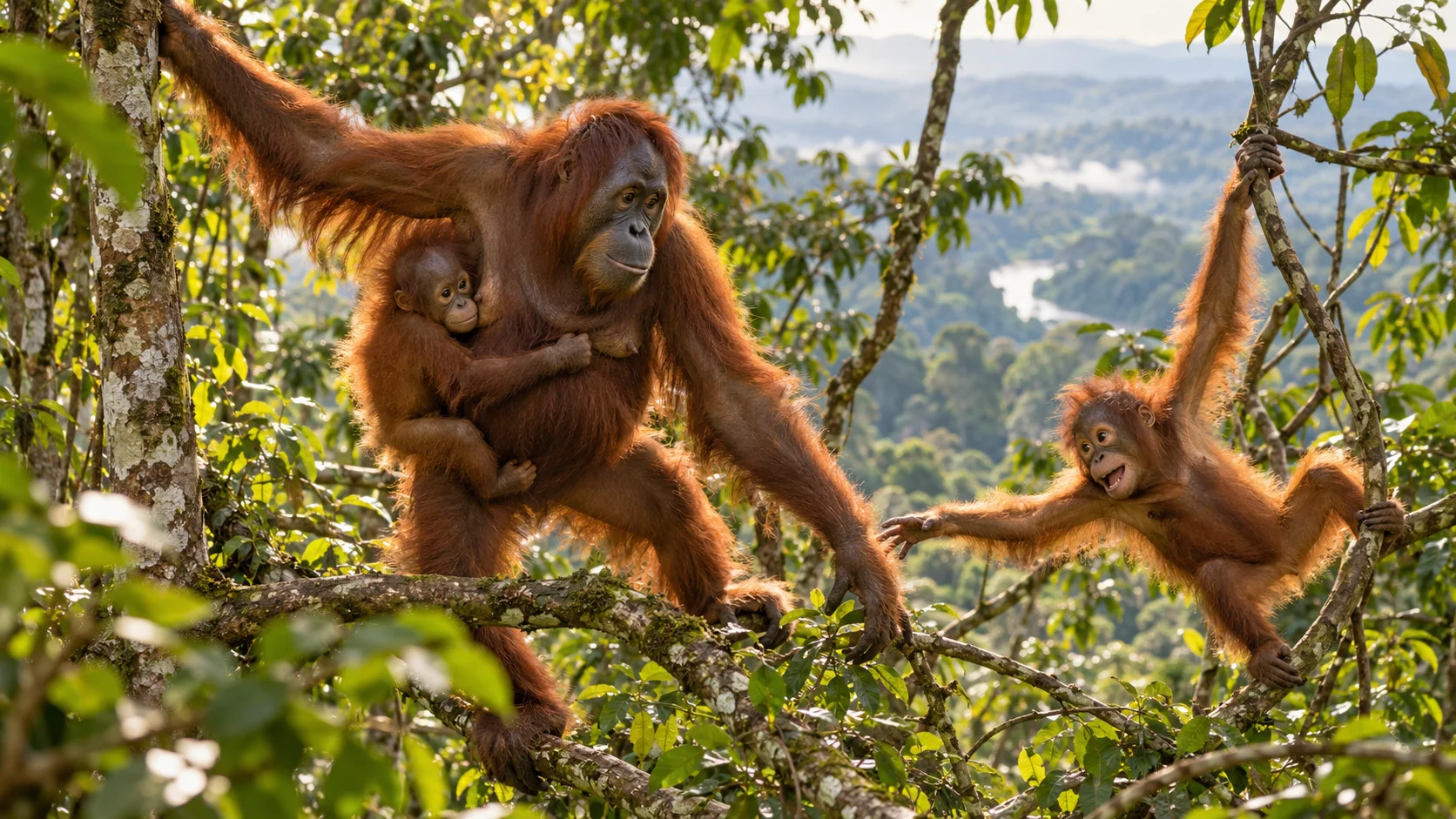
Maternal ranging strategies facilitate offspring social play at energetic cost in the most solitary ape.

In most vertebrates, social play among peers is considered essential for behavioral development. Yet in solitary species bearing single offspring, opportunities for social play are inherently scarce. Whether mothers of such species actively facilitate play opportunities for their offspring, and at what cost, remains unknown. We used 15 y of behavioral and movement data (∼32,600 observation hours) from 31 wild Bornean orangutan ( Pongo pygmaeus wurmbii ) mother-offspring pairs to test whet

Continue reading
Environment

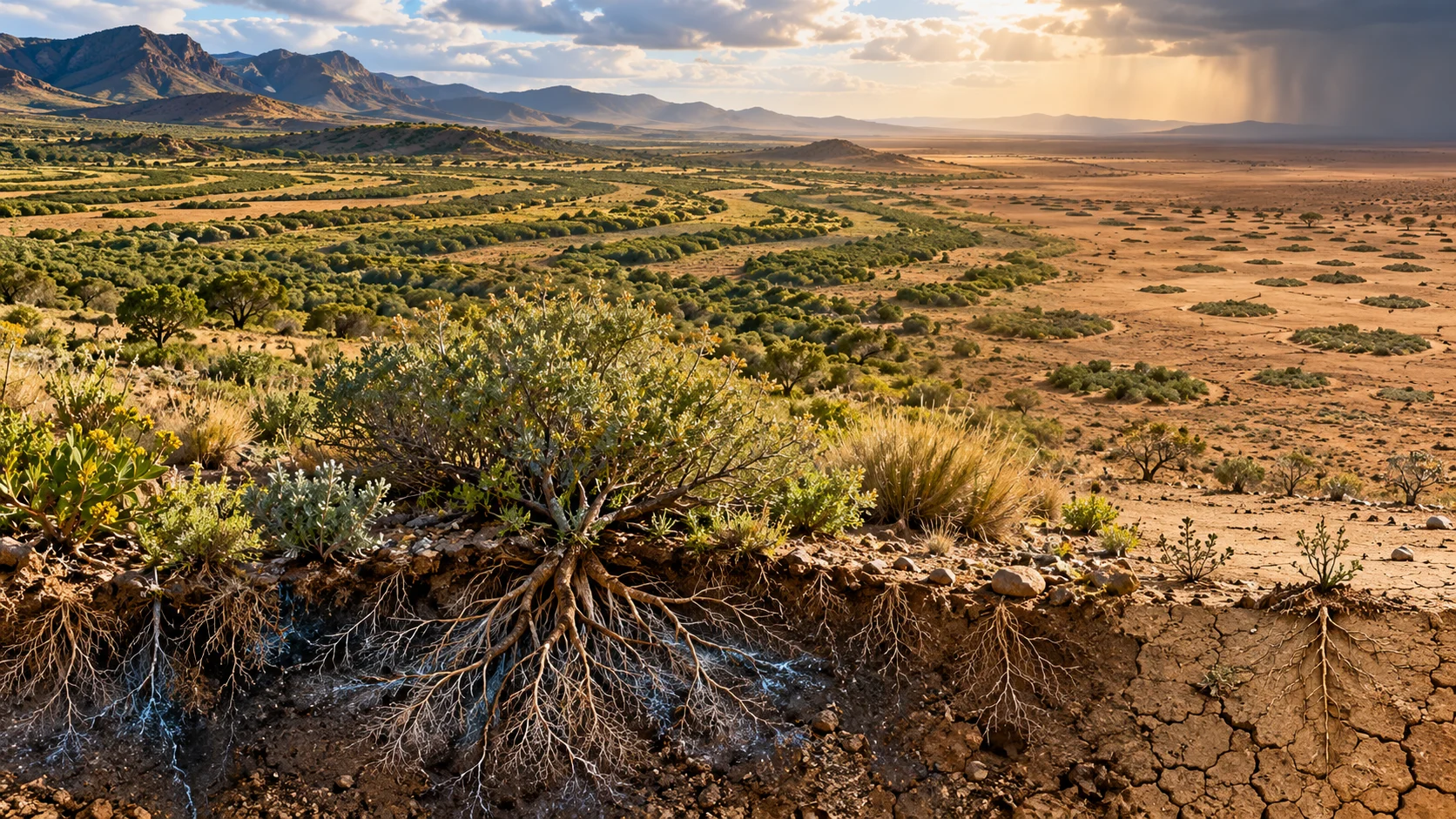
Evolution shapes ecosystem resilience through spatial self-organization.

Drylands are globally widespread and ecologically important but vulnerable to climate change. Many exhibit spatially self-organized vegetation patterns that enhance resilience by enabling vegetation to reorganize their patterns under drying, thereby optimizing water use and maintaining productivity. Plants can also undergo evolution in response to environmental change. Although both spatial self-organization and rapid evolution are fundamental mechanisms of resilience, their interaction remains

Continue reading