Health & Medicine

Medical and health research news

Health & Medicine

An innervated and vascularized HNSCC-on-a-chip model built on defined and tunable engineered extracellular matrices.

Understanding the tumor microenvironment requires experimental platforms that faithfully recapitulate its key components. Here, we present an innervated and vascularized head and neck squamous cell carcinoma (HNSCC)-on-a-chip platform built with fully defined and tunable engineered extracellular matrices (eECMs). In a stepwise increase of complexity, we first cocultured patient-derived HNSCC cells, cancer-associated fibroblasts, and endothelial cells within tailored eECMs, revealing extracellula

Continue reading


Health & Medicine

Septin binding restricts Shigella growth and triggers intracellular tolerance.

Pathogen survival relies on their ability to adapt to changing environments, yet how intracellular bacteria tolerate cell-autonomous immunity remains unclear. Septins assemble into cage-like structures around cytoplasmic Shigella targeted by autophagy, but their antibacterial activity was unknown. Using advanced microscopy and cell-free reconstitution, we show that septins polymerize into circumferentially oriented filaments that inhibit bacterial growth. RNA-sequencing reveals that septin bindi

Continue reading
Health & Medicine

DCAF6 reprograms TGF-β responses through TRIM33 destruction.

TGF-β signaling plays a pivotal role in regulating numerous cellular processes, primarily through the Smad-dependent pathway. Disruptions of the pathway are associated with developmental disorders and life-threatening diseases, such as cancer. It has been reported that TRIM33 inactivates Smad4 signaling and also drives its own signaling responses. However, the mechanism controlling TRIM33 activity has remained unclear. In this study, we identify DCAF6 as a previously unrecognized ubiquitin

Continue reading
Health & Medicine

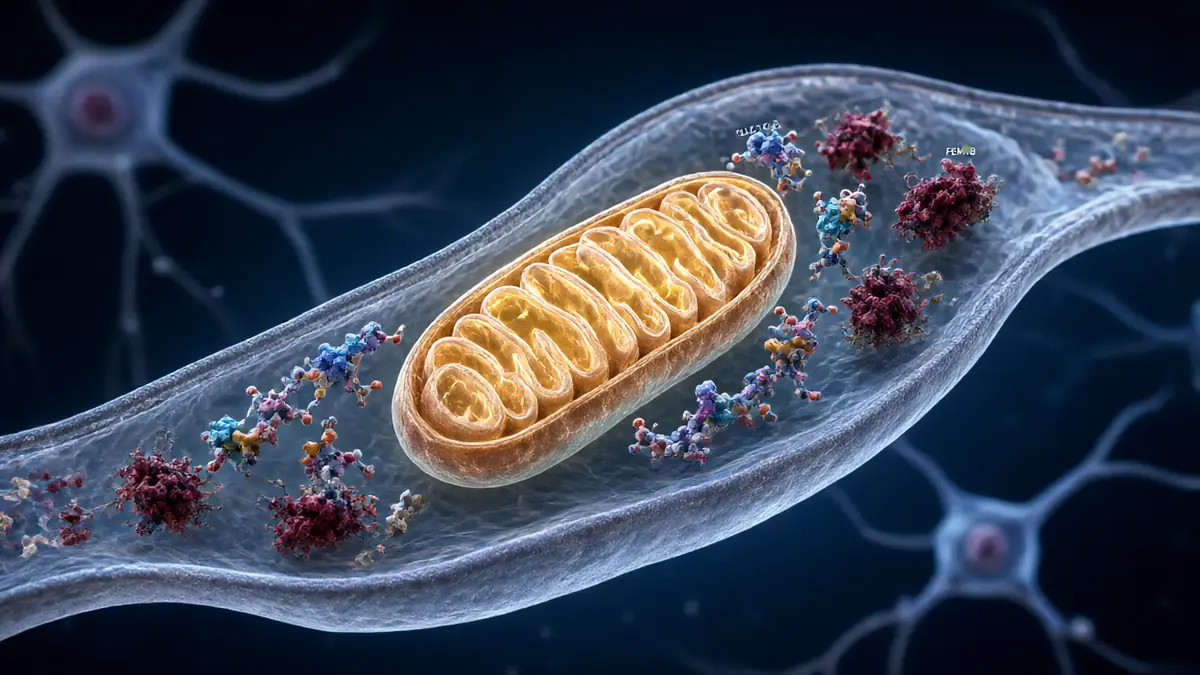
Stimulated protein degradation to promote mitochondrial function and neuronal survival.

Targeted protein degradation is a promising modality to treat cancer or inflammation, but whether it can provide a similar benefit for disorders caused by pervasive protein dysregulation is unclear. We describe stimulated protein degradation (SPD) as a strategy that leverages agonists of stress-responsive E3 ubiquitin ligases to simultaneously eliminate multiple pathogenic factors. Specifically, we show that activators of the reductive stress response E3 CUL2 FEM1B boost degradation of multiple

Continue reading
Health & Medicine

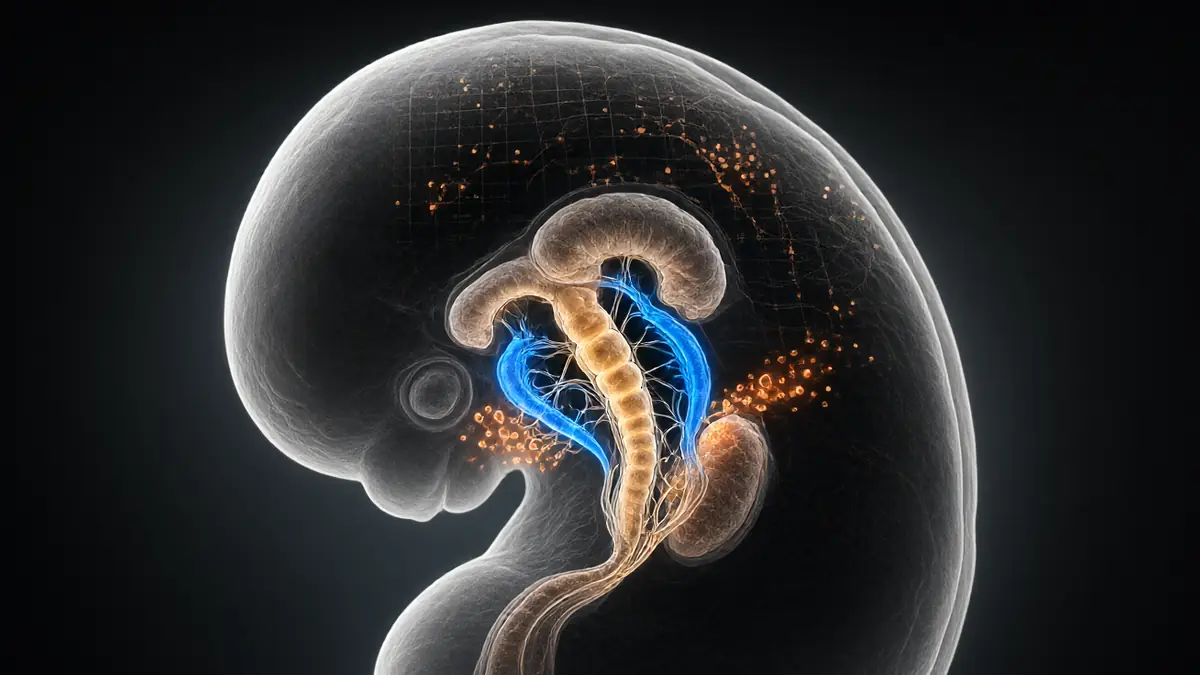
Spatial coordination in the codevelopment of the human urogenital system during organogenesis.

The human urogenital system originates from a common embryonic domain, yet the mechanisms guiding its spatiotemporal coordination remain understudied. Here, we combined high-resolution spatial transcriptomics with single-cell multiomics to profile human embryos from Carnegie stages 15 to 23, capturing the codevelopmental dynamics of the urogenital system. We revealed mesonephros- and adrenal primordium-derived signals that promote gonadal specification and enable efficient in vitro generation of

Continue reading
Health & Medicine

The honey bee stinger: An unusual pump with collapsible double pistons.

Most stinging animals deliver venom by contracting muscles around a venom reservoir, but honey bees employ a fundamentally different strategy. The stingers of worker bees have the unique ability to autotomize, separating from the body, to continue to sting independently. Despite more than a century of anatomical descriptions, the mechanics of venom pumping have remained unresolved due to the challenges of observing them in action. We recorded high-speed videos of active, autotomized stingers, co

Continue reading
Health & Medicine

mechanoLight: A genetically encoded fluorescent biosensor for visualizing 5-HT2AR mechanotransduction in live cells.

G protein-coupled receptors (GPCRs) are pivotal sensors of the mechanical environment, yet how they sense and transduce physical stimuli into biochemical signals within live cells remains largely elusive. Here we introduce mechanoLight, a genetically encoded red fluorescent biosensor designed to report the mechanical activation of the 5-hydroxytryptamine 2A receptor (5-HT2AR). By incorporating a circularly permuted mApple (cp-mApple) into the third intracellular loop of 5-HT2AR with the optimize

Continue reading
Health & Medicine

Neuromodulatory control of cortical function: Cell-type-specific regulation of neuronal information transfer.

Neuromodulatory systems such as dopamine and acetylcholine enable cortical circuits to rapidly shift between behavioral states, yet it remains unclear how receptor-specific signaling reshapes what single neurons compute. Here, we combined whole-cell recordings from excitatory and inhibitory neurons in layer 2/3 of mouse somatosensory cortex with information-theoretic analyses under frozen-noise stimulation. We quantified stimulus-to-spike information transfer and profiled each neuron across four

Continue reading
Health & Medicine

Identification and characterization of neoplastic cells in keratin-positive giant cell-rich tumors.

Keratin-positive giant cell-rich tumor (KPGCT) is a newly described bone and soft tissue tumor. The tumor is characterized by scattered keratin-positive cells and the presence of HMGA2::NCOR2 fusions. It is not known if the HMGA2::NCOR2 fusion is located in the keratin-positive cells, and little is known about how KPGCT develops. KPGCT shares some histologic features with tenosynovial giant cell tumor (TGCT), a soft tissue tumor with CSF1 rearrangements. Single-nuclei RNA sequencing and Xenium s

Continue reading
Health & Medicine

Mediator-associated proteins and the small RNA-guided Polycomb repressive complex enhance cryptic transcription for transposon exclusion.

Suppression of transposable elements (TEs) is critical for maintaining genome integrity. The evolutionary arms race between TEs and their eukaryotic host organisms has driven the development of small RNA-dependent mechanisms that specifically suppress TEs while leaving non-TE regions unperturbed. In the binucleated ciliate Tetrahymena , small RNAs (sRNAs) are generated from both TE and non-TE regions of the germline genome, whereas noncoding RNAs (ncRNAs) from the TE-free somatic genome target a

Continue reading

Health & Medicine

PLD1-driven oncogenic secretion creates a therapeutic vulnerability in chromosome 3q-amplified NSCLC.

Chromosome 3q (3q) amplification is a frequent event in non-small cell lung cancer (NSCLC) and other cancer types, yet therapeutic strategies targeting oncogenic drivers within this amplicon have been unsuccessful. Our study revealed that the 3q amplicon encodes multiple Golgi-related proteins, including Phospholipase D1 (PLD1), which catalyzes the production of a potential oncogenic lipid, phosphatidic acid. We found that PLD1 is highly expressed in 3q-amplified NSCLC (3q-NSCLC) and its enzymat

Continue reading

Health & Medicine

Connexins are essential for the contribution of latent progenitors to healing after spinal cord injury.

Gap junctions are important regulators of the biology of neural stem cells. Both in vertebrates with regenerative abilities and neonatal rodents, ependymal cells communicate via connexin (Cx) 43 and Cx26. Gap junction coupling and Cx26 are down-regulated as the ependyma becomes quiescent in adulthood, but injury overrules this developmental down-regulation suggesting a role for Cx signaling in the reactivation of ependymal cells. However, direct evidence of the involvement of these Cxs in the re

Continue reading

Health & Medicine

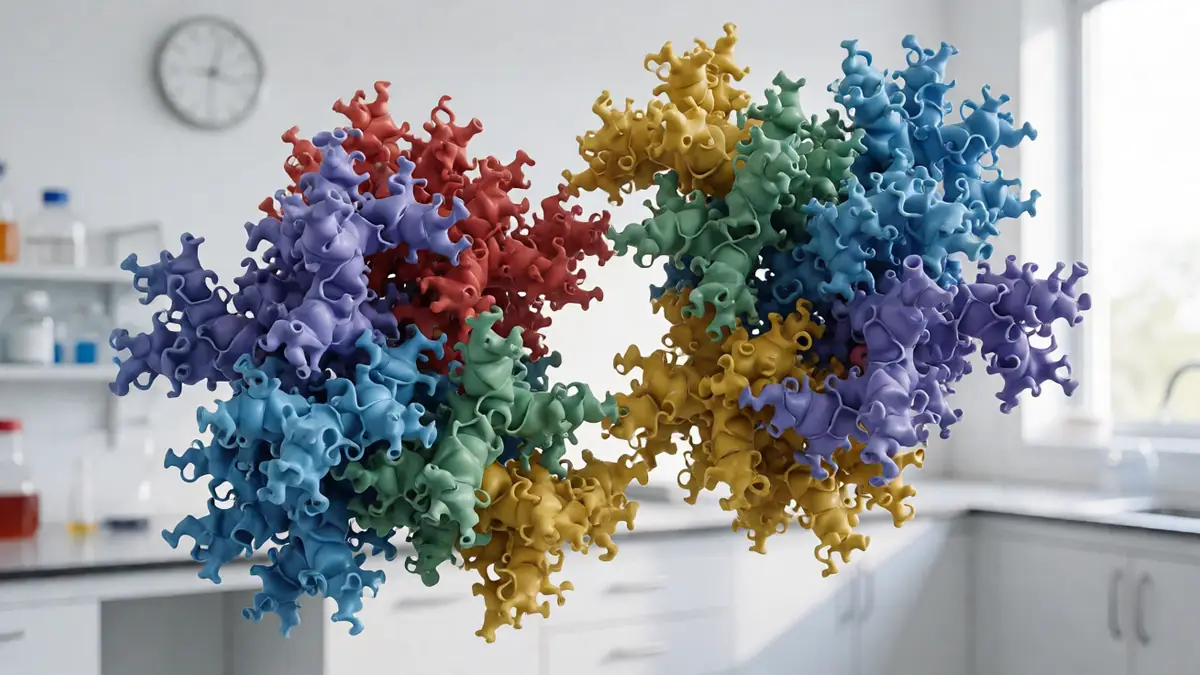
Structure of bovine viral diarrhea virus E2 glycoprotein in complex with CD46 reveals the molecular basis of virus-receptor recognition.

Bovine viral diarrhea virus (BVDV) is a major contagious pathogen of ruminants and imposes substantial economic burdens on the global livestock industry. The viral envelope glycoprotein E2 mediates host cell attachment by recognizing the CD46 receptor; however, the molecular basis of this interaction remains unclear. Here, we report the crystal structure of BVDV-1 E2 in complex with bovine CD46 at 3.1-Å resolution. The structure reveals that the SCR1-2 domains of CD46 engage the DII-DIV dom

Continue reading

Health & Medicine

Bridging spatial scales in respiratory viral infection.

Respiratory viruses spread within the host through a combination of local expansion and occasional long-range dissemination that seeds new infection foci. We present LEAP (Lotka-Euler Airway Pathogen model), an analytically tractable within-host model that captures this two-scale process. The model takes the form of an age-dependent branching process and yields a closed-form expression for the exponential growth rate during early infection. Using empirical data to parameterize the model, we find

Continue reading

Health & Medicine

PSF3 recruits Polθ to stalled replication forks to promote DNA repair.

DNA polymerase theta (Polθ) plays a pivotal role in the maintenance of stalled replication forks. However, little is known about how Polθ is recruited to the stalled forks. Here we show that PSF3, a member of GINS replicative complex, recruits Polθ to the stalled replication forks. Polθ, which is recruited by interacting with the C-terminal portion of PSF3, restarts the forks, exerts DNA double-strand break end-joining to repair the breaks resulting from collapsed forks i

Continue reading

Health & Medicine

Molecular basis for discrimination of cGAMP linkage isomers by a c-di-GMP-II riboswitch variant.

Riboswitches are noncoding RNA regulatory motifs predominantly found in bacteria. Signaling molecules such as c-di-GMP, c-di-AMP, and 3',3'-cGAMP have been reported to be recognized by riboswitches. In contrast, 2',3'-cGAMP functions as a second messenger in mammalian cells, yet its interaction with RNA molecules remains unclear. Here, we report the crystal structures of a c-di-GMP-II riboswitch variant, c-di-GMP-II-Bh, bound to 2',3'-cGAMP and 3',3'-cGAMP. Both complexes adopt a similar overall

Continue reading

Health & Medicine

Methanogenic archaea Methanobrevibacter smithii and Methanosphaera stadtmanae promote mucosal homeostasis and protect from colitis.

The intestinal microbiota is a critical determinant of mucosal homeostasis, yet the functional contributions of Archaea-which constitute up to 10% of the anaerobic community-remain largely undefined. Here, we provide evidence that the human methanogens Methanobrevibacter smithii (MSm) and Methanosphaera stadtmanae (MSt) promote colonic health. Transcriptomic analysis of germ-free mice reveals that MSm and MSt induce distinct colonic programs important for epithelial integrity. Using gnotobiotic

Continue reading

Health & Medicine

A tunable immune-evasion function of Zika virus NS5 governs viral fitness and pathogenesis.

Type I interferon (IFN) signaling is a central antiviral defense, with STAT2 driving the expression of IFN-stimulated genes (ISGs) to restrict viral infection. Zika virus (ZIKV) and dengue virus evade this pathway through nonstructural protein 5 (NS5)-mediated ubiquitination and proteasomal degradation of STAT2, yet the contribution of this immune-evasion strategy to viral fitness and pathogenesis remains incompletely defined. Here, using a multistep mutational scanning strategy that jointly ass

Continue reading

Health & Medicine

Izalontamab brengitecan versus platinum-based chemotherapy in EGFR-mutated advanced non-squamous non-small-cell lung cancer after progression on third-generation EGFR tyrosine kinase inhibitors (PANKU

Izalontamab brengitecan (iza-bren) is a first-in-class bispecific antibody-drug conjugate targeting epidermal growth factor receptor (EGFR) and human epidermal growth factor receptor 3 (HER3) and has shown antitumour activity in EGFR-mutated non-small-cell lung cancer (NSCLC). We compared iza-bren with platinum-based chemotherapy in participants with EGFR-mutated advanced non-squamous NSCLC after progression on third-generation EGFR tyrosine kinase inhibitors (TKIs). In this multicentre, randomi

Continue reading

Health & Medicine

Sacituzumab tirumotecan versus treatment of physician's choice in previously treated endometrial cancer (TroFuse-005/ENGOT-en23/GOG-3095): a randomised, open-label, phase 3 trial.

Therapeutic options for patients with endometrial cancer who progress after platinum-based chemotherapy and immunotherapy are scarce, and prognosis is poor. Sacituzumab tirumotecan (sac-TMT) is a trophoblast cell-surface antigen 2-directed antibody-drug conjugate with a unique, bifunctional linker that maximises delivery of a belotecan-derived topoisomerase I inhibitor payload to tumour cells. This study aimed to compare sac-TMT with the treatment of physician's choice (TPC) in patients with end

Continue reading

Health & Medicine

Izalontamab brengitecan for HR+/HER2- breast cancer in China (PANKU-Breast01): a randomised, phase 3 trial.

Patients with heavily pretreated hormone receptor-positive and human epidermal growth factor receptor 2-negative (HR+/HER2-) breast cancer have few treatment options. Izalontamab brengitecan (iza-bren) is a first-in-class, epidermal growth factor receptor and HER3 bispecific antibody-drug conjugate that contains a potent topoisomerase I inhibitor payload (Ed-04). The aim of PANKU-Breast01 was to compare the efficacy and safety of iza-bren versus chemotherapy in patients with pretreated HR+/HER2-

Continue reading

Health & Medicine

First-line pembrolizumab versus carboplatin plus paclitaxel in participants with mismatch repair-deficient advanced or recurrent endometrial cancer (KEYNOTE-C93/GOG-3064/ENGOT-en15): interim analysis

A need exists for first-line chemotherapy-free options in advanced or recurrent endometrial cancer. We therefore assessed the efficacy, quality of life, and safety of first-line pembrolizumab versus carboplatin plus paclitaxel in mismatch repair-deficient (dMMR) advanced or recurrent endometrial cancer. The KEYNOTE-C93/GOG-3064/ENGOT-en15 multicentre, open-label, randomised, active-comparator controlled, phase 3 trial was conducted at 122 centres in 24 countries in the Americas, Asia, Europe, an

Continue reading
Health & Medicine

Ruzaltatug rezetecan versus chemotherapy for EGFR-mutated advanced non-small-cell lung cancer progressing after EGFR tyrosine kinase inhibitor therapy (HERON-Lung01): interim analysis of a randomised,

Ruzaltatug rezetecan is a novel HER3-directed antibody-drug conjugate that has shown promising antitumour activity and manageable safety in pretreated EGFR-.mutated non-small-cell lung cancer (NSCLC) in a phase 1 trial. We aimed to compare the efficacy and safety of ruzaltatug rezetecan with chemotherapy in patients with EGFR-mutated advanced NSCLC that had progressed after EGFR tyrosine kinase inhibitor (TKI) therapy. HERON-Lung01 is a randomised, open-label, phase 3 trial conducted at 62 sites

Continue reading

Health & Medicine

Sacituzumab Tirumotecan plus Pembrolizumab in PD-L1-Negative Advanced NSCLC.

Pembrolizumab plus chemotherapy with a platinum-based agent and pemetrexed is a widely used standard first-line treatment option for patients with programmed death ligand 1 (PD-L1)-negative advanced nonsquamous non-small-cell lung cancer (NSCLC) without targetable genomic alterations, but outcomes remain suboptimal. In this phase 3, open-label, randomized trial, we evaluated sacituzumab tirumotecan plus pembrolizumab in patients with previously untreated locally advanced or metastatic nonsquamou

Continue reading

Health & Medicine

Osimertinib-Savolitinib in Advanced NSCLC after Progression during EGFR-TKI Therapy.

Savolitinib is an oral, potent, highly selective MET-tyrosine kinase inhibitor (TKI). Combination therapy with savolitinib and osimertinib, an epidermal growth factor receptor (EGFR)-TKI, has shown activity in patients with EGFR -mutated, advanced non-small-cell lung cancer (NSCLC) with MET overexpression, MET amplification, or both, after progression during EGFR-TKI therapy. In this international, phase 3, open-label trial, we randomly assigned, in a 1:1 ratio, patients with EGFR -mutated, loca


Continue reading
Health & Medicine

Divarasib as Compared with Sotorasib or Adagrasib in KRAS G12C-Mutated NSCLC.

Divarasib, a next-generation, oral KRAS G12C inhibitor, is more potent and selective in vitro than the first-generation KRAS G12C inhibitors sotorasib and adagrasib. In this phase 3, international, open-label trial, patients with previously treated KRAS G12C-mutated advanced or metastatic non-small-cell lung cancer (NSCLC) were randomly assigned to receive divarasib orally at a dose of 400 mg once daily or control treatment (sotorasib orally at a dose of 960 mg once daily or adagrasib orally at

Continue reading
Health & Medicine

Efficacy and safety of mitapivat in patients with sickle cell disease (RISE UP): a phase 3, double-blind, global, randomised, placebo-controlled trial.

Persistent haemolytic anaemia and recurrent vaso-occlusion drive complications and accelerate mortality in sickle cell disease. Mitapivat, an oral allosteric activator of pyruvate kinase, increases ATP and decreases 2,3-DPG with the potential to improve haemolytic anaemia and reduce sickling. We aimed to evaluate the efficacy and safety of mitapivat in patients with sickle cell disease. We report results from RISE UP, a phase 3, double-blind, global, randomised, placebo-controlled trial from 69

Continue reading
Health & Medicine

14-day versus 28-day trifluridine-tipiracil plus bevacizumab for refractory metastatic colorectal cancer (PRABITAS): a pragmatic, multicentre, open-label, randomised, phase 3, non-inferiority trial in

Trifluridine-tipiracil (FTD-TPI) plus bevacizumab is the standard treatment for refractory metastatic colorectal cancer. However, the conventional schedule is frequently associated with haematological and gastrointestinal toxicity, which is clinically significant and relevant to patients. A simplified 14-day schedule has been proposed to reduce toxicity, but whether this treatment preserves survival has not been established in a randomised trial. We therefore aimed to assess whether the 14-day s

Continue reading
Health & Medicine

Neoadjuvant nivolumab with or without visugromab in muscle-invasive bladder cancer: the phase 2a GDFATHER-NEO trial.

Growth differentiation factor-15 (GDF-15) is overexpressed in muscle-invasive bladder cancer (MIBC) and was recently identified as a potential therapeutic target to overcome resistance to programmed cell death protein 1/programmed death ligand 1 (PDL1) blockade. We investigated the safety and efficacy of GDF-15 blockade in an exploratory, stratified, placebo-controlled, single-blinded, nonrandomized phase 2a trial (GDFATHER-NEO). Thirty-one cisplatin-ineligible or cisplatin-refusing patients wit

Continue reading
Health & Medicine

Relatlimab plus nivolumab versus nivolumab for advanced melanoma: 5-year survival and biomarker analyses of the phase 3 RELATIVITY-047 trial.

Nivolumab plus relatlimab is approved for advanced melanoma based on the RELATIVITY-047 trial; however, long-term data are needed. Here, we report data from RELATIVITY-047 with the longest follow-up at present. In this phase 2-3, double-blind trial, patients with metastatic/unresectable melanoma were randomized 1:1 to nivolumab 480 mg plus relatlimab 160 mg (n = 355) or nivolumab 480 mg (n = 359) intravenously every 4 weeks. The primary endpoint was progression-free survival (PFS) by blinded ind

Continue reading
Health & Medicine

Sodium-Glucose Cotransporter 2 Inhibitor Use and Levels of Hemoglobin, Markers of Iron Metabolism, and Erythropoiesis: A Systematic Review and Meta-Analysis of Randomized Clinical Trials.

In randomized clinical trials, sodium-glucose cotransporter 2 (SGLT2) inhibitor use was associated with increased hemoglobin and hematocrit compared with placebo. However, the magnitude and importance of this association remain unclear. To evaluate the associations between SGLT2 inhibitor use and levels of hemoglobin, hematocrit, and markers of iron metabolism and erythropoiesis compared with placebo or active comparator. PubMed, Web of Science, and the Cochrane Central Register of Controlled Tr

Continue reading
Health & Medicine

Tarlatamab-Durvalumab Maintenance for Extensive-Stage Small-Cell Lung Cancer.

Patients with extensive-stage small-cell lung cancer have poor outcomes, with a median overall survival of approximately 12 to 13 months. Tarlatamab (a bispecific T-cell engager targeting delta-like ligand 3 [DLL3] and CD3) was previously shown to improve survival as second-line therapy. Whether adding tarlatamab to durvalumab (an anti-programmed death ligand 1 agent) after initial chemoimmunotherapy could significantly improve survival in the context of maintenance therapy after first remission

Continue reading
Health & Medicine

Remibrutinib versus teriflunomide in relapsing multiple sclerosis (REMODEL-1 and REMODEL-2): two randomised, phase 3 trials.

Remibrutinib is a highly selective, potent, covalent, CNS-penetrant, oral BTK inhibitor. We assessed the efficacy and safety of remibrutinib in adult patients with relapsing multiple sclerosis. REMODEL-1 and REMODEL-2 are two identical, randomised, double-blind, double-dummy, active comparator-controlled, parallel-group, event-driven, phase 3 trials conducted at 407 centres in 46 countries. Patients aged 18-55 years with relapsing multiple sclerosis, an Expanded Disability Status Scale score of

Continue reading
Health & Medicine

Lymph node-targeted, mKRAS-specific amphiphile vaccine in pancreatic cancer: the randomized phase 2 AMPLIFY-7P trial.

Camupepimut (ELI-002 7P) drives mutated KRAS (mKRAS)-specific T cell responses that correlated with disease-free survival (DFS) and overall survival (OS) in patients with mKRAS pancreatic adenocarcinoma (PDAC) in the phase 1 AMPLIFY-201 trial. In the phase 2 AMPLIFY-7P trial, patients with stage I-III KRAS-mutated PDAC without recurrence within 6 months of standard therapy were randomized 2:1 to camupepimut (n = 96) or standard-of-care/observation (n = 48). Stratifica

Continue reading
Health & Medicine

Determinants of response to CAR T cell therapy in a multicenter, multi-trial cohort analysis of patients with lymphoma.

In patients with non-Hodgkin lymphoma (NHL) treated with chimeric antigen receptor (CAR) T cell therapy, factors associated with efficacy overlap with prognostic biomarkers. Currently, there is no consensus on optimal product characteristics. We analyzed the phenotypic attributes of the anti-CD19 CAR T therapy axicabtagene ciloleucel (axi-cel) from 580 patients with NHL across multiple clinical trials with long-term follow-up (median, 41.9 months). A high proportion of naive-like (CCR7 +

Continue reading
Health & Medicine

Bispecific dual T cell agonist invikafusp alfa in solid tumors: the phase 1/2 START-001 trial.

Invikafusp alfa (invika), a first-in-class, bispecific, dual T cell agonistic antibody selectively targeting Vβ6/Vβ10 T cell subsets, is being evaluated in START-001, a multicenter phase 1/2 monotherapy trial in participants with mostly immune checkpoint blockade (ICB)-resistant, antigen-rich solid tumors. Primary outcomes were safety/tolerability and recommended phase 2 dose (RP2D) in phase 1 and anti-tumor activity in phase 2. As of 12 March 2025, phase 1 completed dose escalation

Continue reading
Health & Medicine

Perforin triggers iron-induced mitochondrial damage to drive ferroptosis and anti-tumor immunity.

Cytotoxic CD8 + T cells and natural killer cells are critical effectors of anti-tumor immunity. Cytotoxic lymphocytes eliminate tumor cells by releasing perforin (Prf1), a pore-forming protein that enables granzymes (Gzms) to enter target cells and trigger both caspase-dependent and -independent cell death. Here, we uncover a previously unrecognized, Gzm-independent function of Prf1. We find that Prf1 directly induces tumoral ferroptosis, an iron- and lipid-dependent form of cell death. Mechanis

Continue reading
Health & Medicine

Taurine lowers inflammaging by regulating the NLRP3 inflammasome in macrophages.

Whether a decline in taurine drives aging is debated, and despite high millimolar intracellular concentrations, its function as a potential guardian of cytosolic homeostasis is unclear. Here, we show that aging increases circulating taurine concentrations in humans and mice. Further elevating taurine in aged mice enhances health span, engaging anti-inflammatory pathways previously linked to youthfulness, and reduces mortality from sepsis and inflammasome-mediated inflammation, suggesting an enan

Continue reading
Health & Medicine

Trial of Endovascular Therapy for Mild Stroke with Large-Vessel Occlusion.

Whether endovascular therapy benefits patients with mild acute ischemic stroke from large-vessel occlusion involving the anterior circulation is uncertain. We conducted a multicenter, open-label, randomized trial in China involving patients with acute ischemic stroke of mild clinical severity (defined by a score of <6 on the National Institutes of Health Stroke Scale) that had resulted from large-vessel occlusion involving the anterior circulation. Patients also had neuroimaging features of a

Continue reading
Health & Medicine

Pregnancy Outcomes After Living Kidney Donation.

People who become pregnant after living kidney donation may be at increased risk of pregnancy-related adverse outcomes, although the evidence is unclear. To determine whether pregnancies after living kidney donation are associated with a higher risk of adverse pregnancy outcomes than matched pregnancies among nondonors. This matched cohort study used provincial administrative health care databases from Ontario, British Columbia, and Alberta, Canada, and included living female kidney donors aged

Continue reading
Health & Medicine

Lifestyle-induced regulatory T cell fragility primes adverse events after immune checkpoint blockade.

Immune checkpoint blockade has transformed cancer therapy, but immune-related adverse events (irAEs) remain a major, sometimes fatal, limitation, and the lack of robust preclinical models has hindered mechanistic insight. We present the lifestyle-induced susceptibility to irAEs (LISA) model, in which diet-driven metabolic and microbial alterations recreate human-like susceptibility to anti-PD-1 toxicity. LISA recapitulates multi-organ irAEs with immune infiltration and cytokine production, sever

Continue reading
Health & Medicine

Metazoan lagging-strand DNA synthesis is distributive.

DNA's anti-parallel structure presents a topological challenge to the replisome, as leading and lagging strands must be synthesized in opposite directions. How lagging-strand synthesis is coordinated with leading-strand synthesis remains unresolved in eukaryotes. To address this question, we directly visualized the dynamics of lagging-strand polymerases Pol α and Pol δ at active replication forks using single-molecule imaging in Xenopus nuclear extracts. Surprisingly, we find that ne

Continue reading
Health & Medicine

Global and regional burden of measles and vaccine coverage among children under 5 years, 1990-2023: a Global Burden of Disease Study.

Measles remains a leading cause of vaccine-preventable burden among children, particularly in low-income settings. Despite decades of progress, there are indications of measles resurgence due to stagnation in vaccine coverage. Here, using the Global Burden of Diseases, Injuries and Risk Factors Study (GBD) 2023, we systematically assessed measles incidence, mortality, disability-adjusted life years (DALYs) and vaccine coverage (measles-containing vaccine 1 (MCV1) and measles-containing vaccine 2

Continue reading
Health & Medicine

Global, regional and national burden of pertussis in 1990-2023: a Global Burden of Disease study.

Despite long-standing immunization programs, pertussis remains a major cause of vaccine-preventable mortality, particularly among infants. Here we present a primary assessment of global pertussis incidence, mortality and disability-adjusted life years across 204 countries and territories from 1990 to 2023. We show that despite short-term pandemic-period fluctuations, the dominant global pattern from 1990 to 2023 was long-term decline: age-standardized mortality decreased by 61.2% and age-standar

Continue reading
Health & Medicine

In vivo Gene Writing with engineered retrotransposons.

Efficient integration of gene-length cargos in vivo remains challenging. Non-long terminal repeat (non-LTR) retrotransposons, which naturally mobilize large DNA segments through an RNA intermediate, could potentially address these limitations. Here, we developed a computational pipeline to systematically identify a diverse set of non-LTR retrotransposons. Extensive engineering generated elements capable of the efficient and stable insertion of reporter genes in human cells using RNA templates in

Continue reading
Health & Medicine

Proteomic atlas of T cell exhaustion defines proteostatic collapse.

T cell exhaustion limits the success of cancer immunotherapies, yet the proteomic changes underlying this dysfunctional state remain poorly understood. We integrated transcriptomics, quantitative proteomics, turnover proteomics, and ubiquitin proteomics to construct a multi-omic atlas of T cell exhaustion. These studies identified pathways regulated through transcriptional and post-translational mechanisms, including degradative and nondegradative ubiquitin modifications, and uncovered widesprea

Continue reading
Health & Medicine

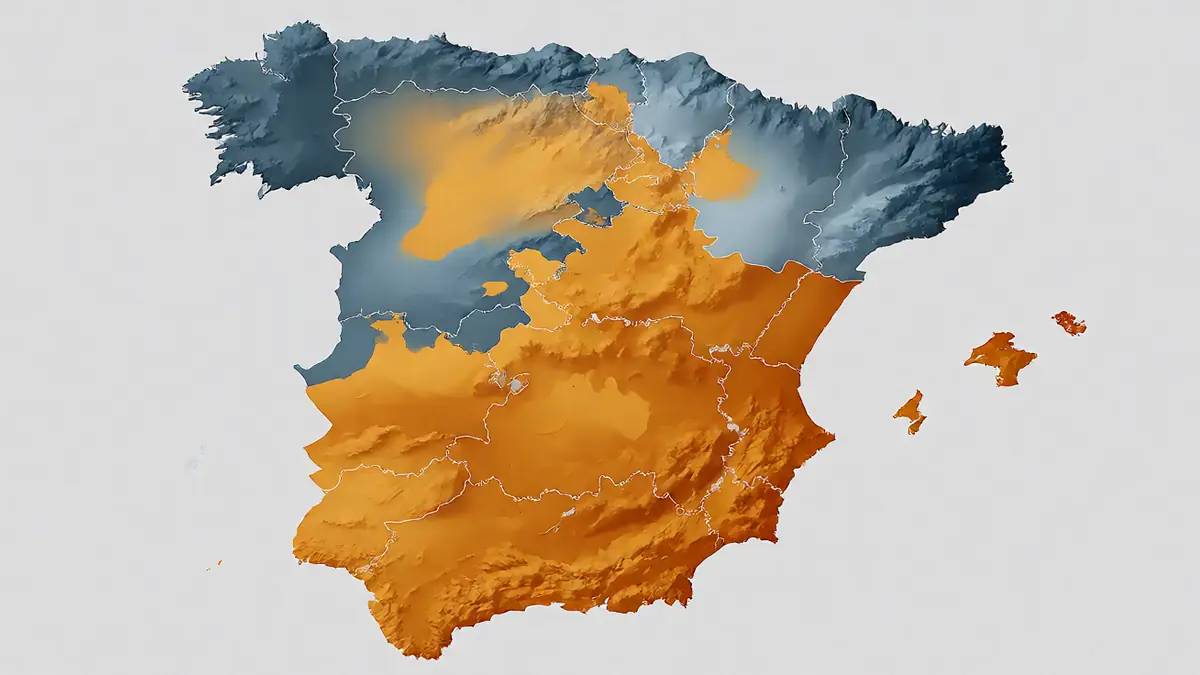
Contrasting demographic impacts of Roman colonization and early medieval migrations in the Iberian Peninsula.

It has been unclear how Roman and later Germanic political control shaped the demography of Iberia and how it differed from other parts of Europe. We report genetic data from 243 ancient individuals dating to 100-800 CE, analyzed alongside 58 previously published individuals. In Roman times, we document an influx of people with ancestry from the Eastern Mediterranean and an influx of North Africans, especially in the center and south. Beginning in the 5th century, Germanic and Alan (Sarmatian) g

Continue reading
Health & Medicine

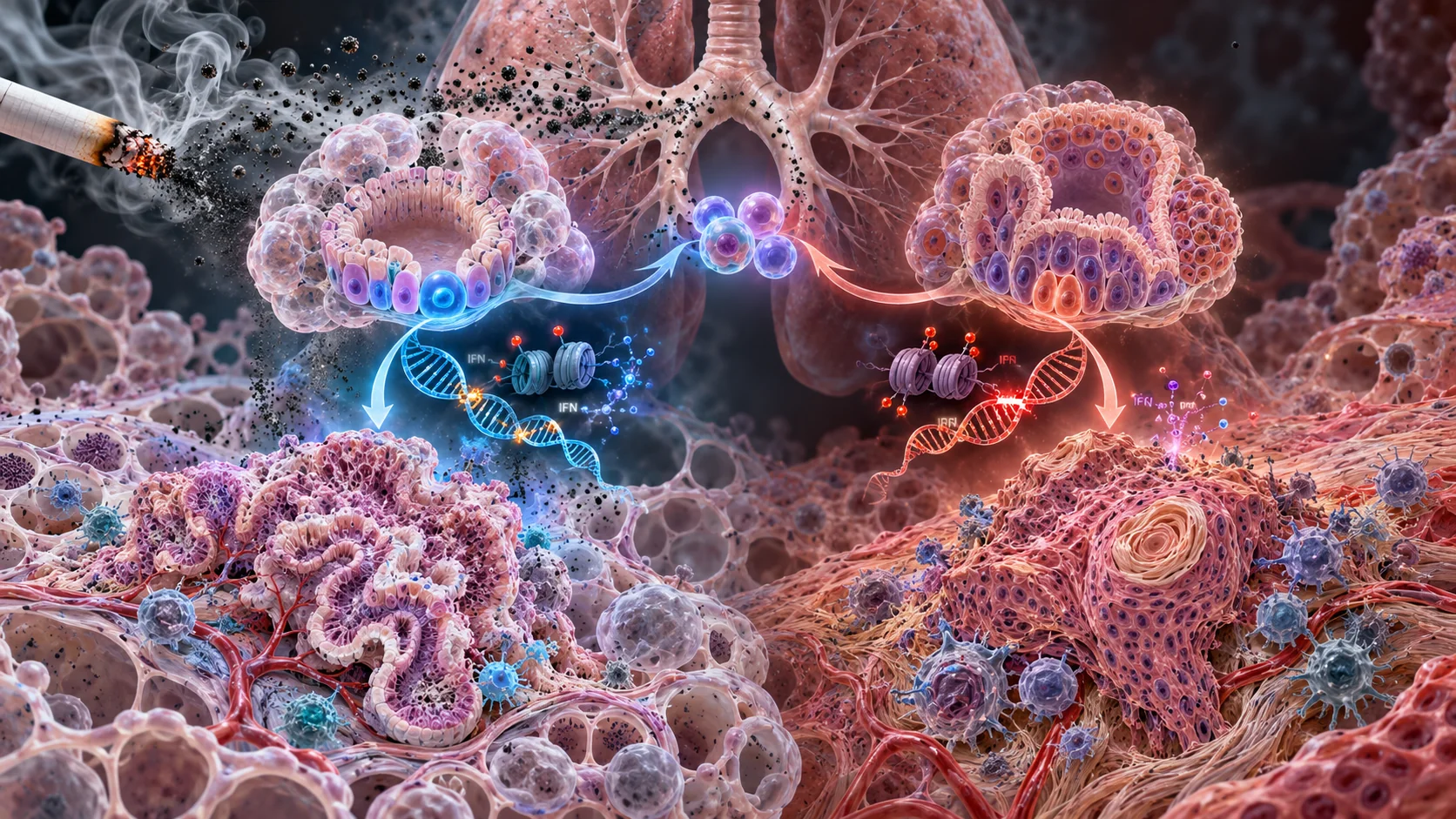
Chronic cigarette smoke exposure induces distinct stem cell states driving genetic driver-specific non-small cell lung cancer subtypes.

Cigarette smoke-induced chronic inflammation (CI) potentiates development of non-small cell lung cancer (NSCLC) by mediating genetic and epigenetic events. Using normal lung organoids (LOs), we define how chronic cigarette smoke condensate (CSC) exposure drives two separate stem cell populations to evolve premalignant states harboring progressive epigenetic and linked transcriptomic abnormalities in the absence of major driver mutations. These dynamics facilitate evolution of an immune evasive s

Continue reading
Health & Medicine

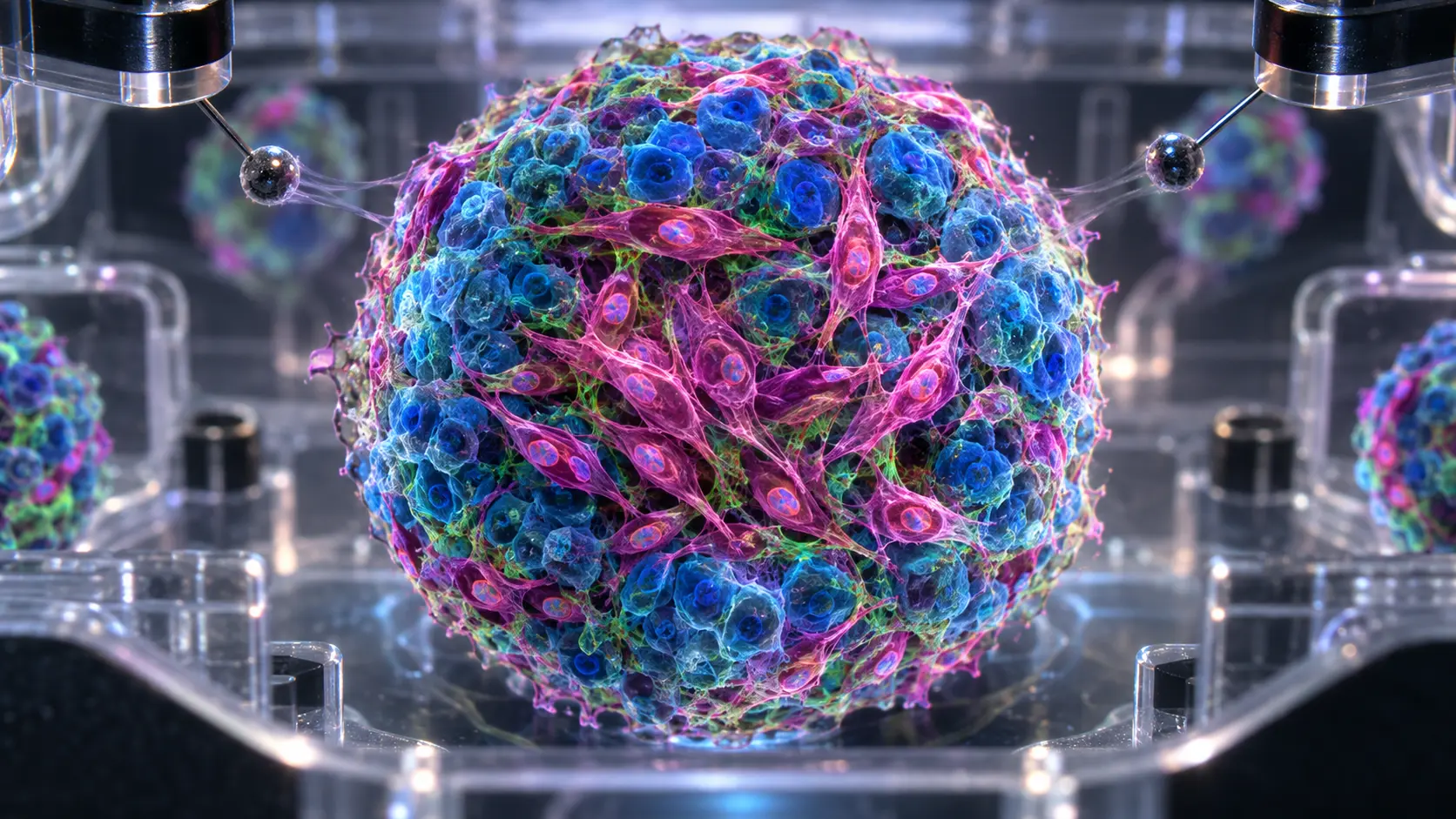
Cell identity competes with surface tension to determine stromal organization in tumor spheroids beyond the CAF shell paradigm.

Cancer-associated fibroblasts (CAFs) are often found forming a peripheral stromal barrier around tumors. Here, this paradigm is challenged using microfabricated 3D cancer-CAF spheroid models combined with quantitative magnetic force tensiometry. A surface tension atlas is established for eight cancer cell lines, three CAF populations, and heterotypic tumor-CAF assemblies, spanning nearly two orders of magnitude. Surface tension is first shown to govern spheroid morphology and modulate drug respo

Continue reading
Health & Medicine

Controlled functionalization of cellulose nanocrystals directs polymer-specific protein coronas and immune cell interactions.

Polymer coatings are widely used to suppress nonspecific protein adsorption and modulate nanoparticle-cell interactions. However, the biological outcomes of polymer-functionalized nanoparticles remain difficult to predict in complex biological environments because protein corona formation rapidly alters nanoparticle identity. This challenge is particularly pronounced when hydrophobic moieties are incorporated for imaging or therapeutic applications, as they can promote nonspecific interactions a

Continue reading