Environment

Climate-driven adaptive microevolution in wild yeasts

| Source: PNAS

Environmental variation imposes strong selection on microbial populations, yet linking ecological gradients to genomic and phenotypic diversification remains challenging due to limited sampling of wild microbes. Here, we leveraged the exceptional abundance of the cold-adapted yeast Saccharomyces eubayanus throughout Patagonian Nothofagus forests to investigate how climatic gradients shape natural microbial diversity. Using systematic sampling across ~1,000 km of Chilean Patagonia, spanning multi

Environmental variation imposes strong selection on microbial populations, yet linking ecological gradients to genomic and phenotypic diversification remains challenging due to limited sampling of wild microbes. Here, we leveraged the exceptional abundance of the cold-adapted yeast Saccharomyces eubayanus throughout Patagonian Nothofagus forests to investigate how climatic gradients shape natural microbial diversity. Using systematic sampling across ~1,000 km of Chilean Patagonia, spanning multiple seasons, altitudes, and thermal regimes, we integrated environmental, genomic, and phenotypic analyses of wild populations inhabiting Nothofagus forests. Whole-genome sequencing of 117 isolates identified three major Patagonian lineages that show strong latitudinal structuring and contrasting levels of nucleotide diversity, with colder, wetter southern populations harboring the greatest diversity. Multivariate and permutation-based analyses consistently identified latitude, temperature, and precipitation as the primary correlates of genomic variation, together explaining over half of the observed patterns of nucleotide diversity. Notably, S. eubayanus exhibited an inverse latitudinal diversity gradient, contrasting with patterns commonly reported in Northern Hemisphere populations. Climatic structuring was mirrored by pronounced phenotypic differentiation: Southern populations exhibited lower thermal optima, enhanced cold fitness, and increased sporulation capacity, whereas northern populations displayed greater growth performance under nutrient-rich and hyperosmotic conditions. Sporulation capacity closely paralleled nucleotide diversity along the same environmental gradient, linking climate, reproductive investment, and population diversification. Together, our results indicate that climatic gradients simultaneously shape demographic history, physiological performance, metabolic strategies, and life-history traits in natural yeast populations. More broadly, Patagonia emerges as a powerful natural system for understanding how environmental heterogeneity drives microbial diversification across heterogeneous landscapes.

Read the original source →

Related Stories

Environment

Continuous UV irradiation played an inconclusive role in selecting the canonical genetic alphabet.

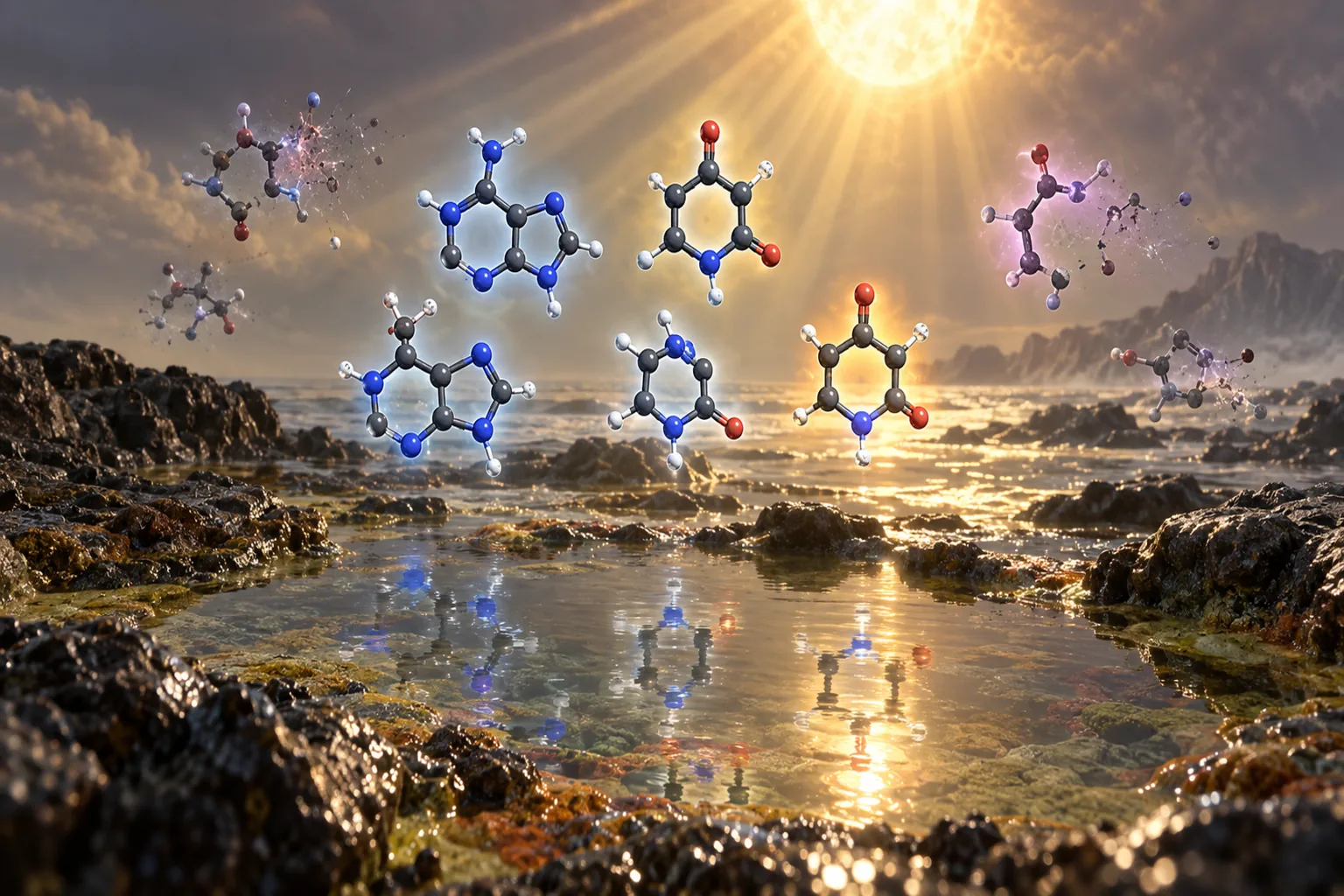
An abundance of heterocyclic molecules analogous to canonical nucleobases (i.e., adenine, thymine, guanine, cytosine, and uracil) used as the genetic alphabet in DNA and RNA could have been present in various prebiotic environments on early Earth. However, extant biology generally uses the canonical nucleobases and nucleosides as the genetic alphabet, and not any number of possible noncanonical counterparts. Ultraviolet (UV) irradiation was likely abundant on the surface of the early Earth and h

Continue reading
Environment

Fault-controlled natural hydrogen reservoirs as underground hydrogen storage sites.

Underground hydrogen storage requires geological formations with demonstrated hydrogen containment, yet no conventional storage candidate (salt caverns, aquifers, or depleted hydrocarbon reservoirs) offers direct, prior evidence of H 2 -specific sealing. We propose that subcommercial natural hydrogen reservoirs, where H 2 has accumulated over geological timescales, can serve as precertified storage sites. This proposition is evaluated using the Bulqizë fault-controlled natural H 2 reservoir

Continue reading
Environment

Meteoritic organic matter records primitive oxygen reservoirs of the solar system.

Unraveling the complex formation and alteration history for extraterrestrial organic matter is key to understanding the chemical evolution of the solar system (SS) and potentially even life's emergence on Earth. In this study, we performed high-precision triple oxygen isotope measurements on insoluble organic matter (IOM) sourced from a diverse suite of carbonaceous chondrites (CCs). Remarkably, the IOM from primitive Type 1 and 2 CCs-including CI, CM, CR, Bells, and Tarda-have oxygen isotope co

Continue reading
Environment

Compound drought-heat wave hazards are concentrated in US regions with multiple social vulnerabilities and agricultural dependence.

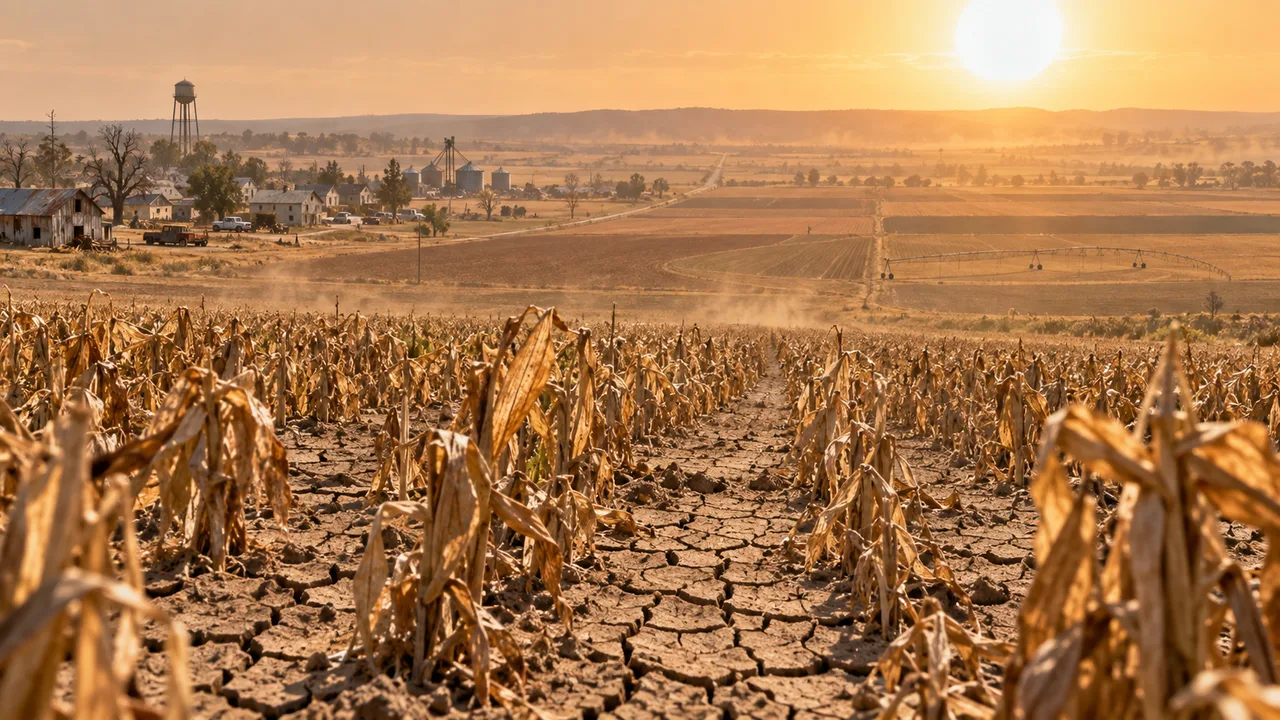
Compound drought and heat wave (CDHW) events are becoming more frequent and intense across the contiguous United States, increasing risks to human health, ecosystems, agriculture, and energy production systems. However, their distribution across socioeconomically vulnerable communities remains largely unexplored at the national scale. In this study, we develop a CDHW metric by integrating weekly US Drought Monitor classifications with daily temperature extremes from 2000-2021, allowing consisten

Continue reading
Environment

An RNA thermogenic therapy to preserve lean mass and enhance metabolic health during GLP-1 weight loss.

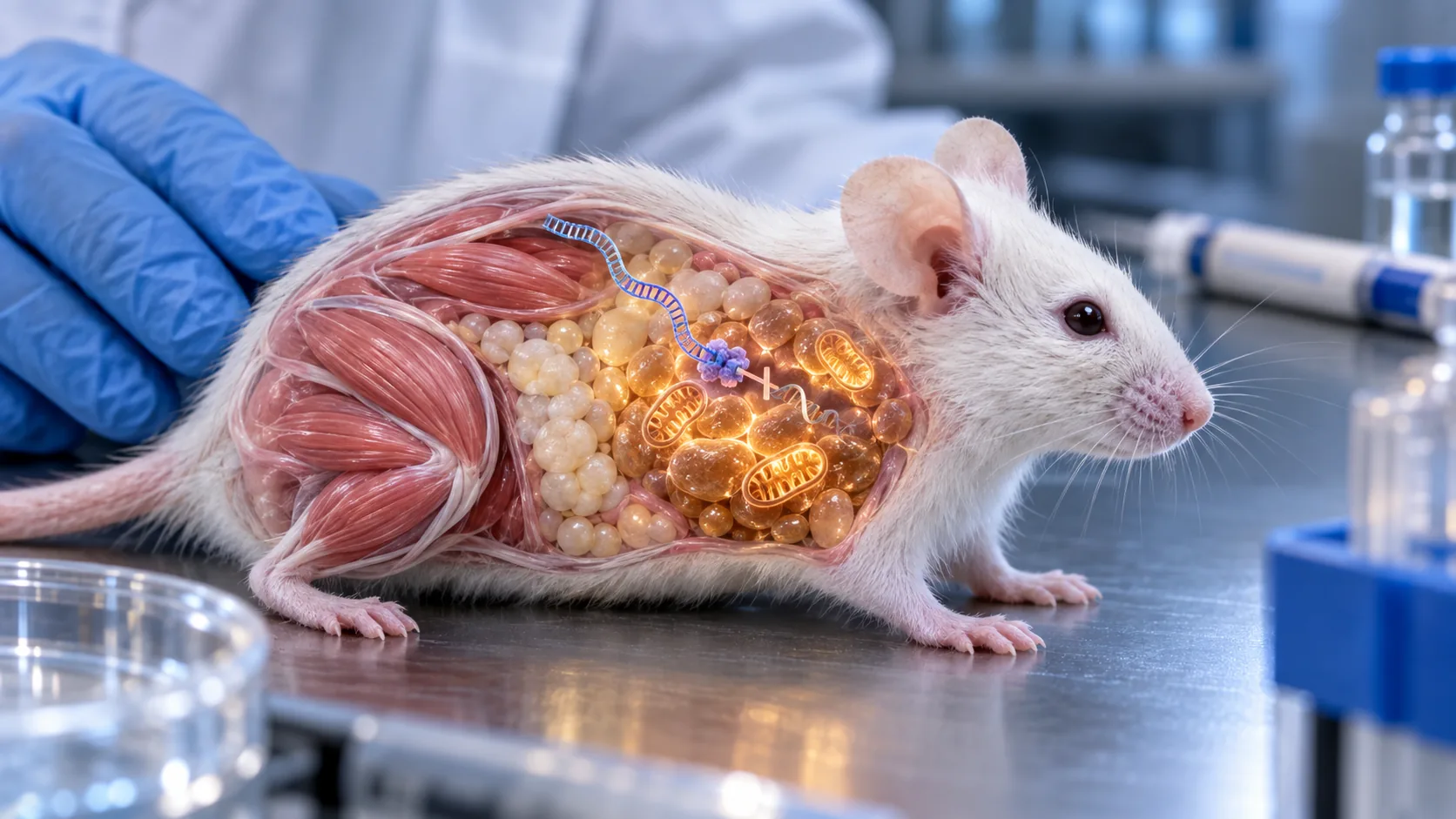
Current obesity therapies reduce weight but often fail to preserve lean mass or sustain metabolic benefit. Glucagon-like peptide-1 receptor agonists (GLP-1RA) improve obesity-associated metabolic disease, but weight loss is often accompanied by reduced energy expenditure, loss of lean mass, and rapid fat-predominant regain after treatment discontinuation. We hypothesized that pharmacologic activation of adipose thermogenesis could specifically target fat loss, complement appetite suppression by

Continue reading