Diminishing cooling returns of urban greening amid a warming climate.
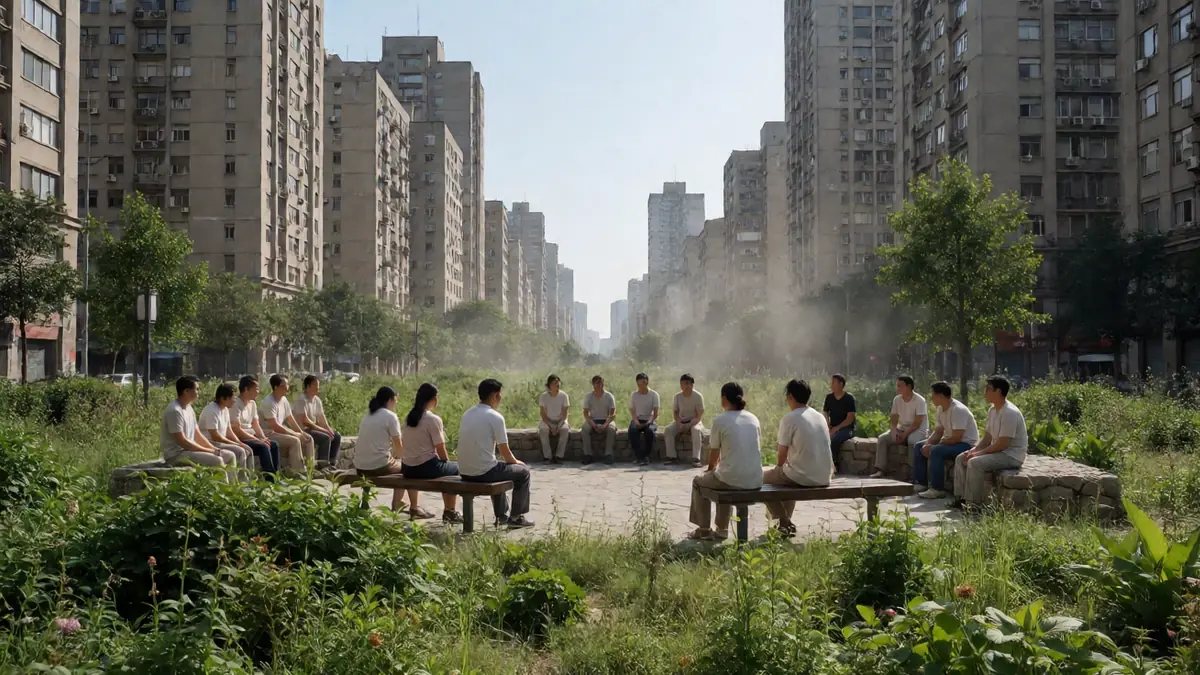
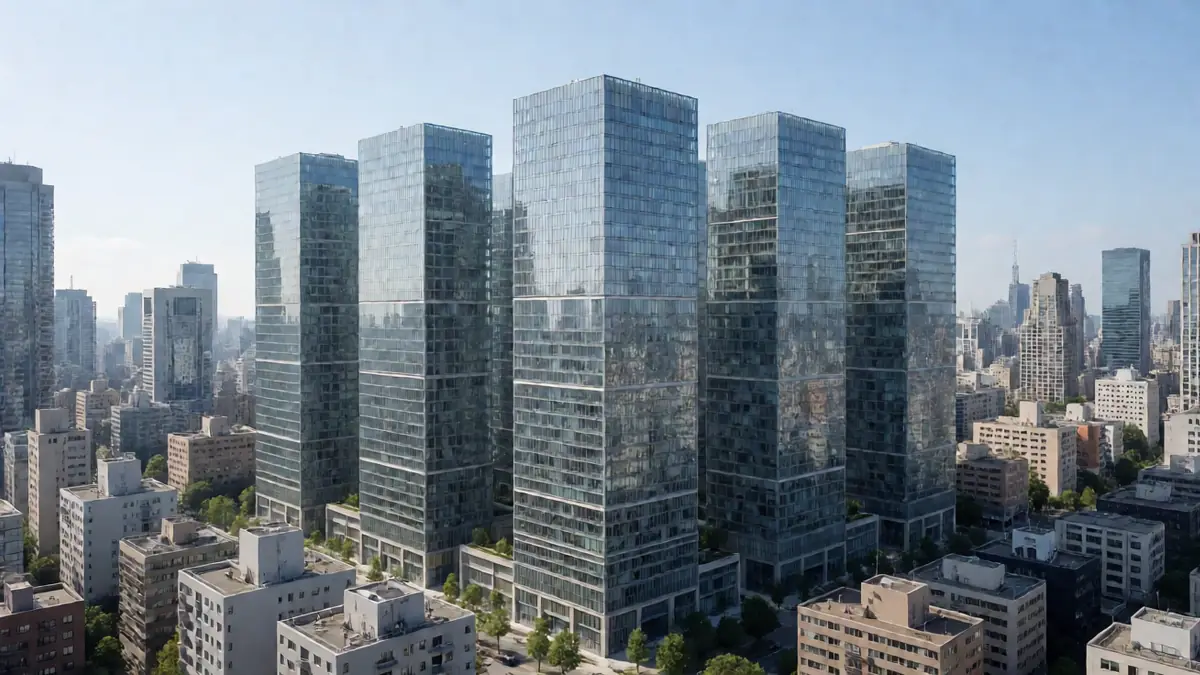
Urban greening is widely prioritized as a nature-based solution to mitigating intensifying heat extremes in the context of climate change, yet its long-term global efficacy remains inadequately quantified. Here we present a two-decade assessment of vegetation dynamics and associated cooling effects across 3,806 urban clusters worldwide, integrating multisource satellite observations with ground measurements from 4,855 meteorological stations. We identify a pronounced climate equity gap: While ci
Urban greening is widely prioritized as a nature-based solution to mitigating intensifying heat extremes in the context of climate change, yet its long-term global efficacy remains inadequately quantified. Here we present a two-decade assessment of vegetation dynamics and associated cooling effects across 3,806 urban clusters worldwide, integrating multisource satellite observations with ground measurements from 4,855 meteorological stations. We identify a pronounced climate equity gap: While cities in the Global North have largely expanded green infrastructure, they exhibit cooling saturation with diminishing biophysical returns. Conversely, most cities in the Global South show vegetation stagnation or loss, compounding rapid warming trends. This asymmetry exposes a critical climate justice challenge, indicating that current greening efforts are insufficient to offset a warming trend. Our findings underscore the necessity for context-specific, integrated climate adaptation frameworks that address both the quantity and quality of urban vegetation to achieve equitable thermal resilience in an increasingly warm world.