Environment

Carbene transfer from thianthrenium ylides for cyclopropanation.
| Source: Nature

Carbenes are reactive divalent carbon intermediates that serve as one-carbon synthons to access cyclopropanes. The synthetic utility of these three-membered carbocycles has led chemists to accept the dangers associated with the explosive starting materials 1 or intermediates 2 required for both conventional and modern cyclopropanation reactions. Sulfonium salts, although safer, have not been competitive for cyclopropanation because they typically do not function as efficient carbene donors 3 . I

Carbenes are reactive divalent carbon intermediates that serve as one-carbon synthons to access cyclopropanes. The synthetic utility of these three-membered carbocycles has led chemists to accept the dangers associated with the explosive starting materials 1 or intermediates 2 required for both conventional and modern cyclopropanation reactions. Sulfonium salts, although safer, have not been competitive for cyclopropanation because they typically do not function as efficient carbene donors 3 . In all cyclopropanation reactions reported, diversity can be obtained through either the olefin or carbene partner, but not both; for example, several modern reactions are limited to activated olefins, such as styrenes 4-7 . Here we report how alkylthianthrenium salts differ conceptually from all other carbene precursors and allow for carbene-transfer chemistry, including the synthesis of cyclopropanes, in which both the olefin and the carbene partner can be diverse. The steric bulk and low Lewis basicity of thianthrene can rationalize the superior reactivity of the thianthrenium salts for cyclopropanation because undesired energetically low-lying local minima on the potential energy surface, as present for other sulfonium salts, are avoided. Despite high reactivity, thianthrenium salts exhibit a desirable safety profile that allows scale up, also in the solid state through ball-milling, which is dangerous with many other cyclopropanation reactions. The combination of reactivity and safety highlights thianthrenium ylides as a general compound class for metal-carbene reactivity that extends beyond cyclopropanation to diverse carbene-transfer reactions, including σ-bond insertion and sigmatropic rearrangements.

Read the original source →

Related Stories

Environment

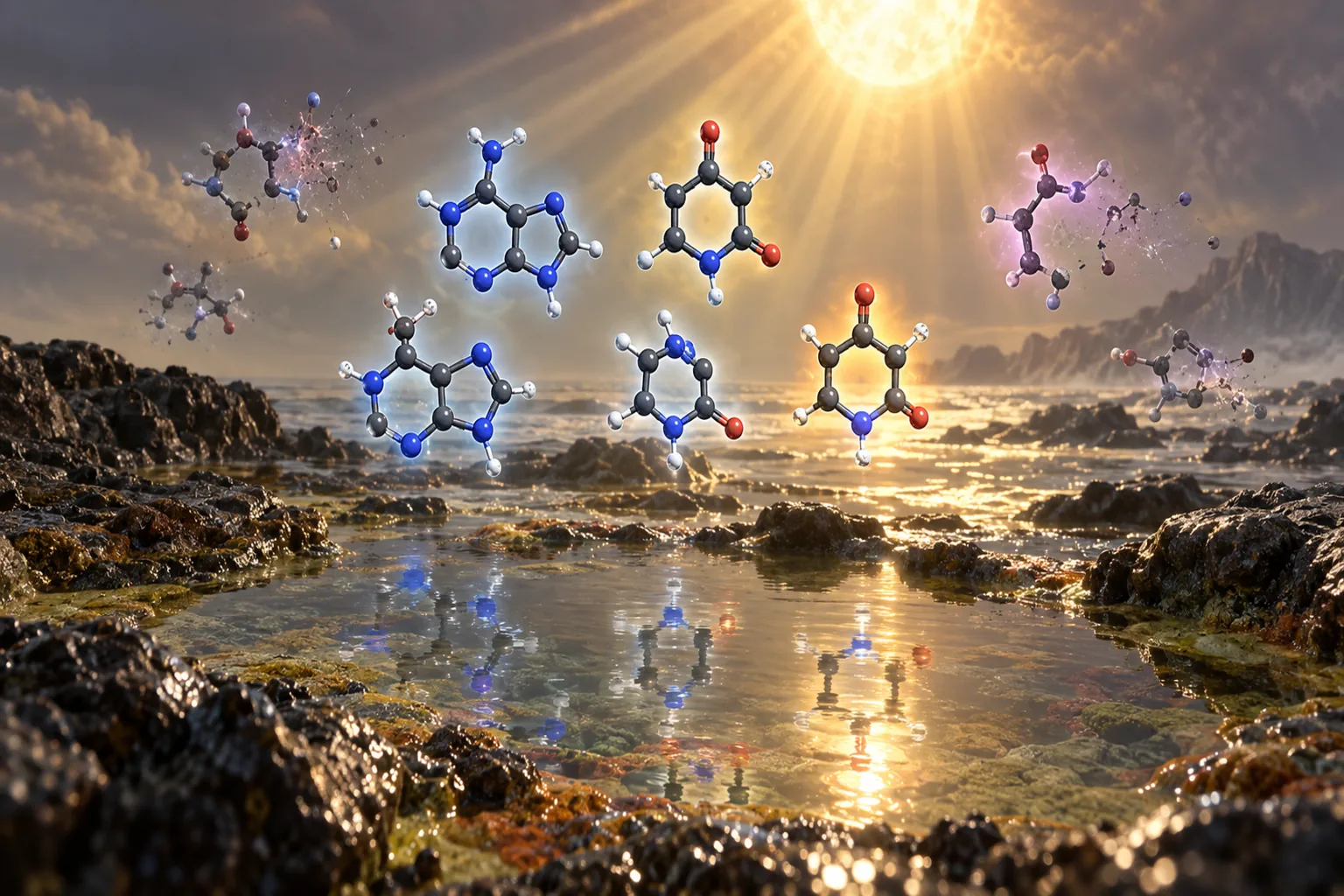
Continuous UV irradiation played an inconclusive role in selecting the canonical genetic alphabet.

An abundance of heterocyclic molecules analogous to canonical nucleobases (i.e., adenine, thymine, guanine, cytosine, and uracil) used as the genetic alphabet in DNA and RNA could have been present in various prebiotic environments on early Earth. However, extant biology generally uses the canonical nucleobases and nucleosides as the genetic alphabet, and not any number of possible noncanonical counterparts. Ultraviolet (UV) irradiation was likely abundant on the surface of the early Earth and h

Continue reading
Environment

Fault-controlled natural hydrogen reservoirs as underground hydrogen storage sites.

Underground hydrogen storage requires geological formations with demonstrated hydrogen containment, yet no conventional storage candidate (salt caverns, aquifers, or depleted hydrocarbon reservoirs) offers direct, prior evidence of H 2 -specific sealing. We propose that subcommercial natural hydrogen reservoirs, where H 2 has accumulated over geological timescales, can serve as precertified storage sites. This proposition is evaluated using the Bulqizë fault-controlled natural H 2 reservoir

Continue reading
Environment

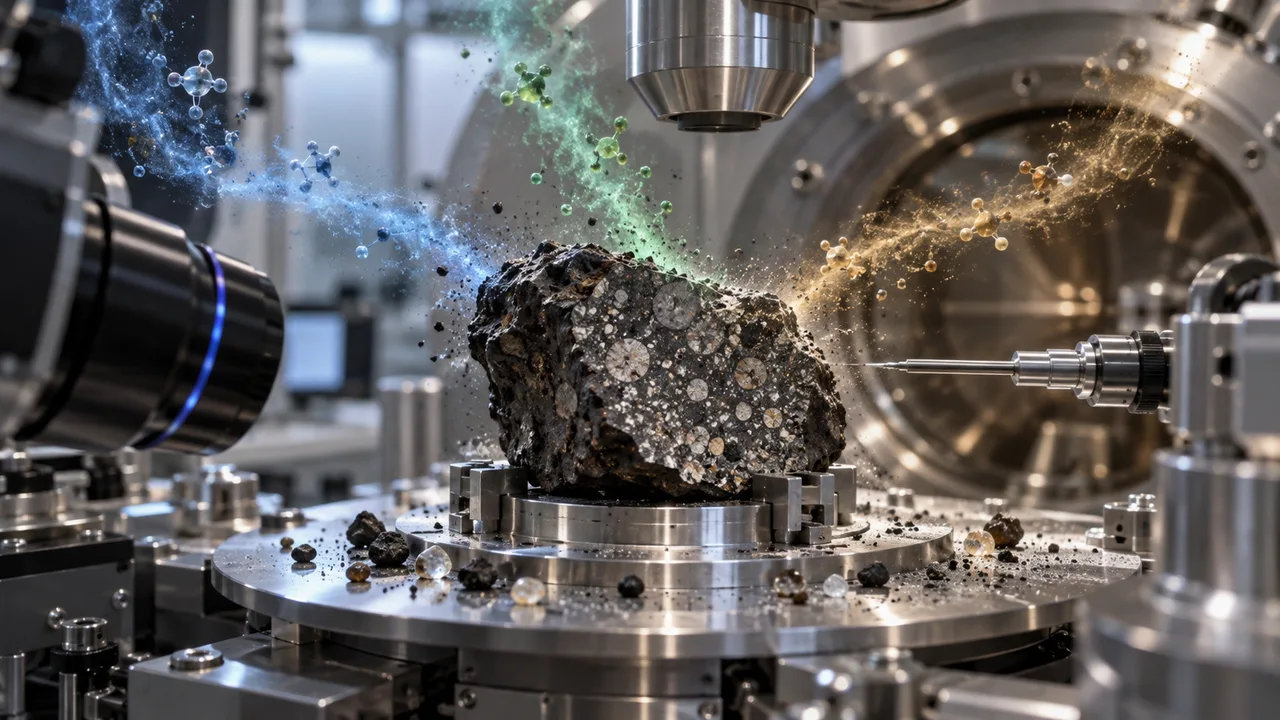
Meteoritic organic matter records primitive oxygen reservoirs of the solar system.

Unraveling the complex formation and alteration history for extraterrestrial organic matter is key to understanding the chemical evolution of the solar system (SS) and potentially even life's emergence on Earth. In this study, we performed high-precision triple oxygen isotope measurements on insoluble organic matter (IOM) sourced from a diverse suite of carbonaceous chondrites (CCs). Remarkably, the IOM from primitive Type 1 and 2 CCs-including CI, CM, CR, Bells, and Tarda-have oxygen isotope co

Continue reading
Environment

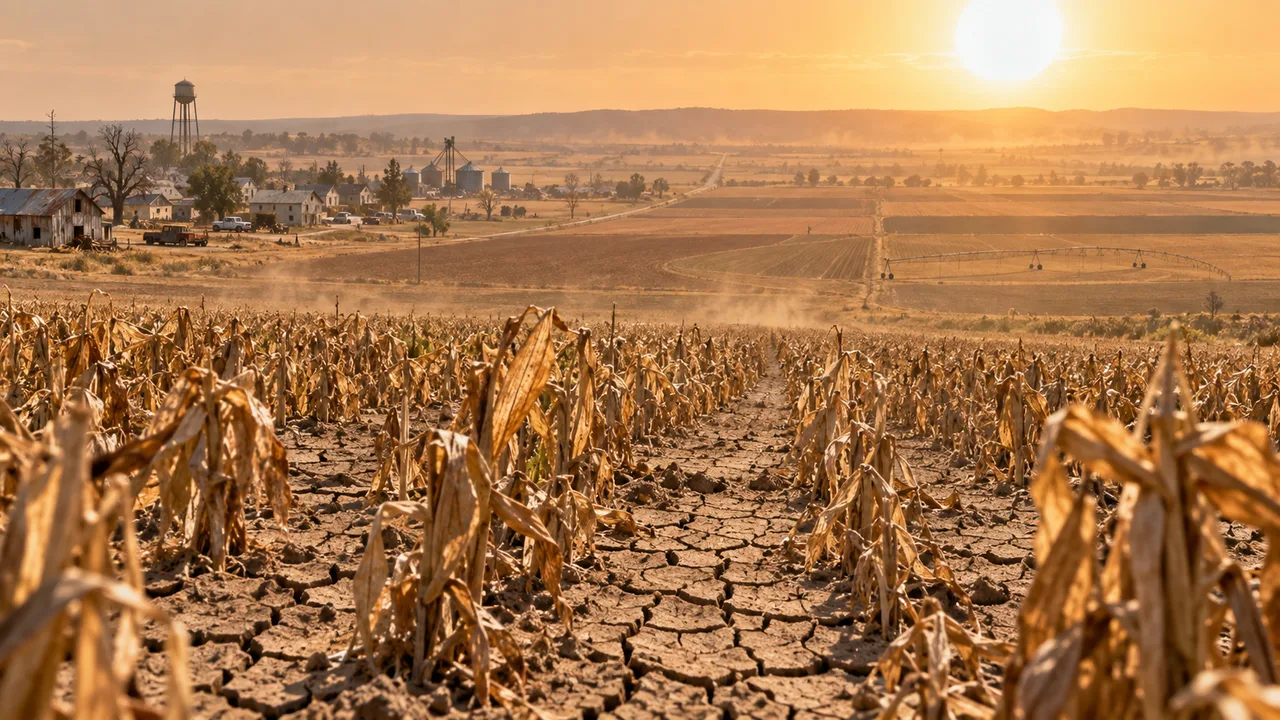
Compound drought-heat wave hazards are concentrated in US regions with multiple social vulnerabilities and agricultural dependence.

Compound drought and heat wave (CDHW) events are becoming more frequent and intense across the contiguous United States, increasing risks to human health, ecosystems, agriculture, and energy production systems. However, their distribution across socioeconomically vulnerable communities remains largely unexplored at the national scale. In this study, we develop a CDHW metric by integrating weekly US Drought Monitor classifications with daily temperature extremes from 2000-2021, allowing consisten

Continue reading
Environment

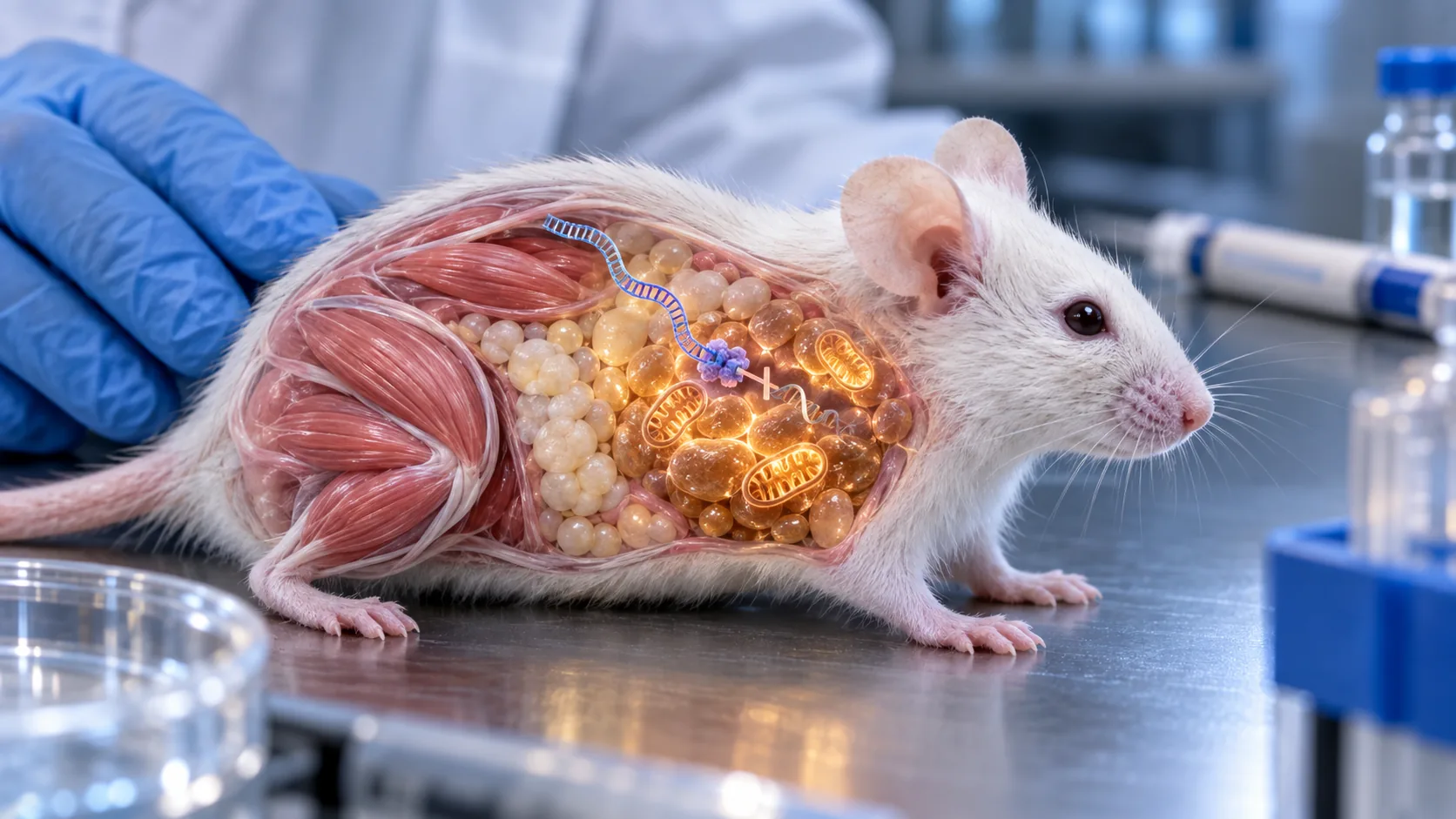
An RNA thermogenic therapy to preserve lean mass and enhance metabolic health during GLP-1 weight loss.

Current obesity therapies reduce weight but often fail to preserve lean mass or sustain metabolic benefit. Glucagon-like peptide-1 receptor agonists (GLP-1RA) improve obesity-associated metabolic disease, but weight loss is often accompanied by reduced energy expenditure, loss of lean mass, and rapid fat-predominant regain after treatment discontinuation. We hypothesized that pharmacologic activation of adipose thermogenesis could specifically target fat loss, complement appetite suppression by

Continue reading