Society & Culture

Social science and culture

Society & Culture

Christopher A. Sims (1942-2026): Paradigm-shifting macroeconomist and econometrician.

Christopher A. Sims, who died on March 14, 2026, left behind an indelible mark on macroeconomics and econometrics. His Nobel Prize winning research reshaped the paradigm for empirical macroeconomics, creating a rigorous and flexible framework for inferring the effects of macroeconomic policies. He also made important contributions to time series forecasting, Bayesian econometrics, factor modeling, approximation theory, and models of monetary and fiscal policy. Few academics have had as direct an

Continue reading
Society & Culture

The social-class gap in negotiation: Lower-class individuals negotiate less and face more backlash.

Economic inequality has widened considerably in the United States and globally, raising pressing questions about the mechanisms that reproduce social stratification. One prominent manifestation of this inequality is the "class ceiling" in organizations: individuals from lower social classes earn less and advance more slowly than their higher-class counterparts, even with comparable credentials. We identify a crucial behavioral pathway contributing to this class ceiling: a social-class gap in the

Continue reading

Society & Culture

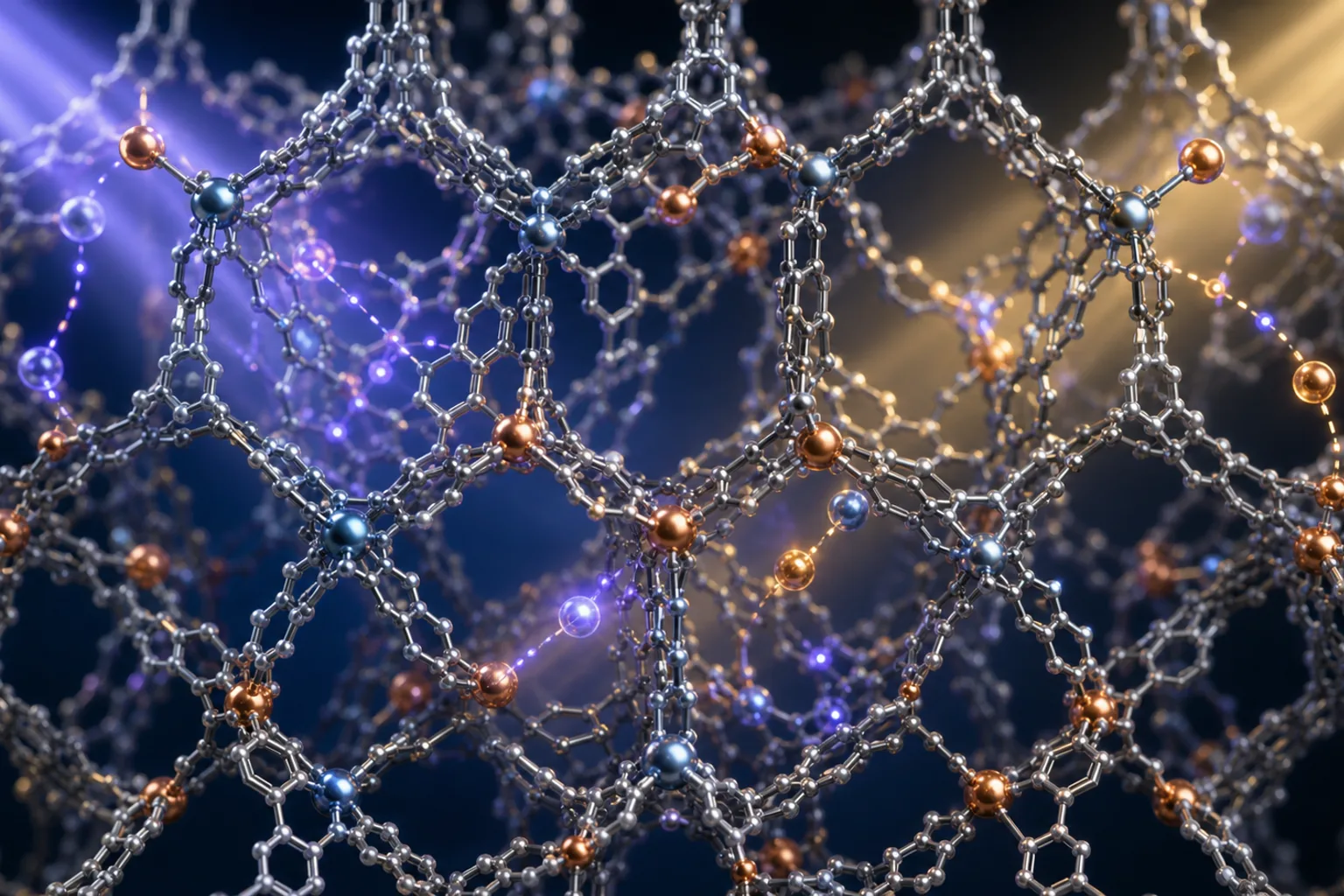
Dynamic Coordination-Enabled Metal-Dependent Configurational Switching in a Covalent Organic Framework.

The synthesis of crystalline materials capable of precise and chemically triggered structural transformations remains a significant challenge. Herein, we report a dynamic coordination-mediated strategy for constructing a highly stable bis-acylhydrazone-linked covalent organic framework, COF-LIFM20-Zn, featuring an adjustable U-shaped pentadentate Zn coordination center. The dynamic coordination behavior of Zn 2+ enables reversible interconversions between U- and W-shaped configurations through d

Continue reading

Society & Culture

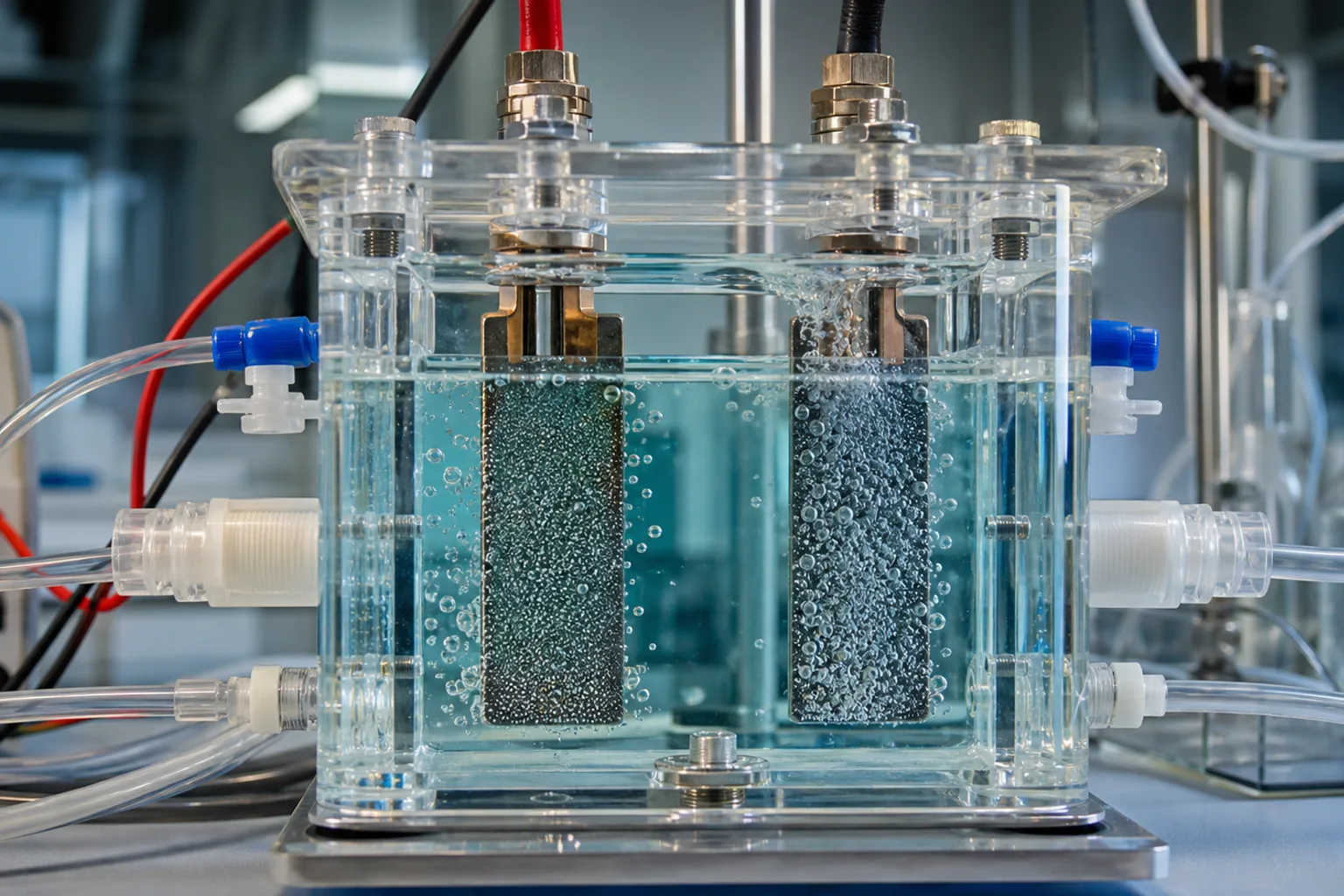
Anionic Passivation Enables Reconstruction-Free Seawater Electrolysis.

Nonoxide electrocatalysts hold great promise for high-efficiency seawater oxidation, yet their practical application is hindered by the inevitable surface reconstruction and pronounced corrosion under high anodic potentials. Herein, we solve this longstanding challenge by developing a rational anionic ligand passivation strategy that stabilizes phosphide lattices against oxidative degradation while preserving inherent electrocatalytic activity. Leveraging Lewis acid-base interactions, we grow an

Continue reading
Society & Culture

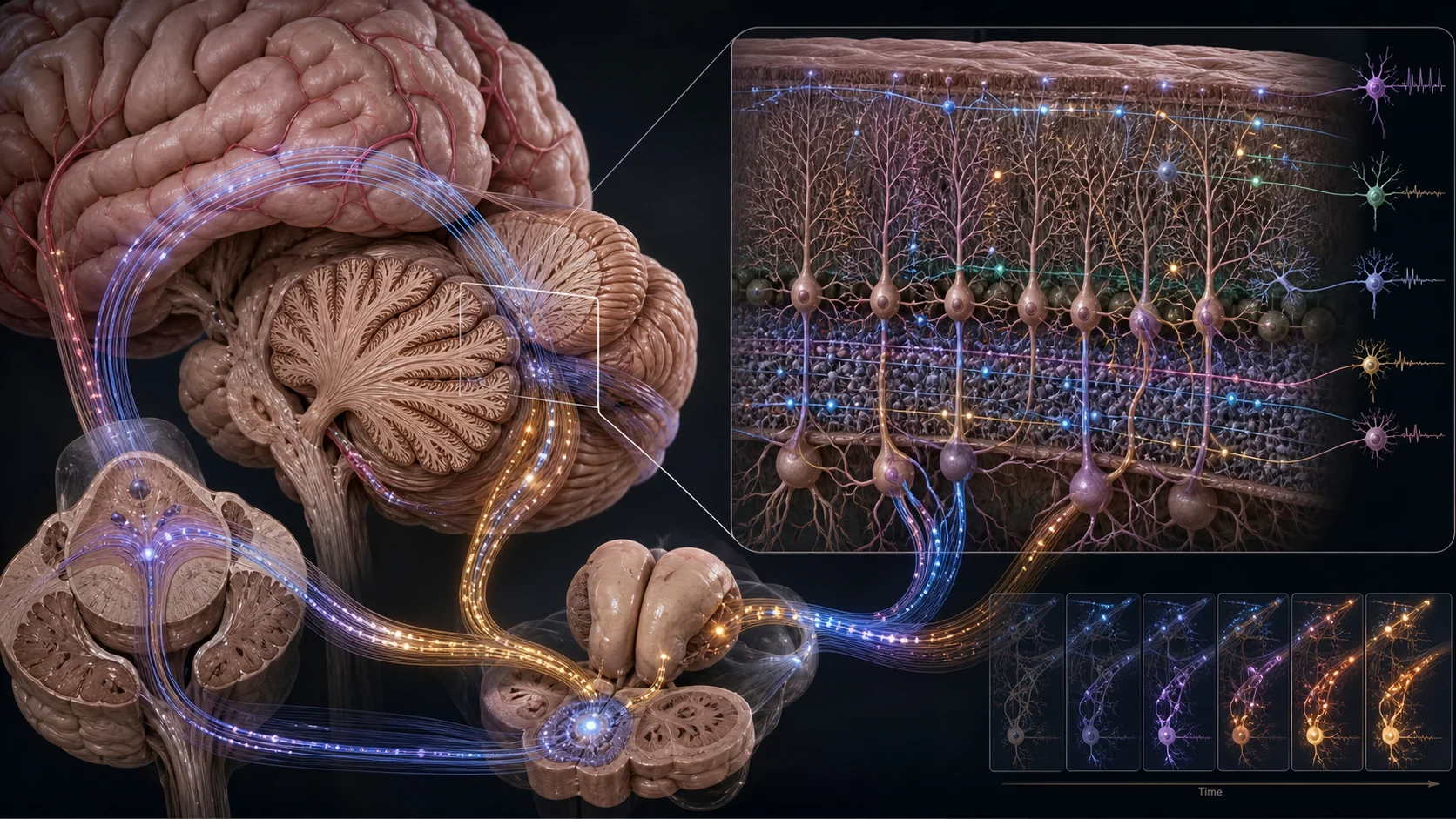
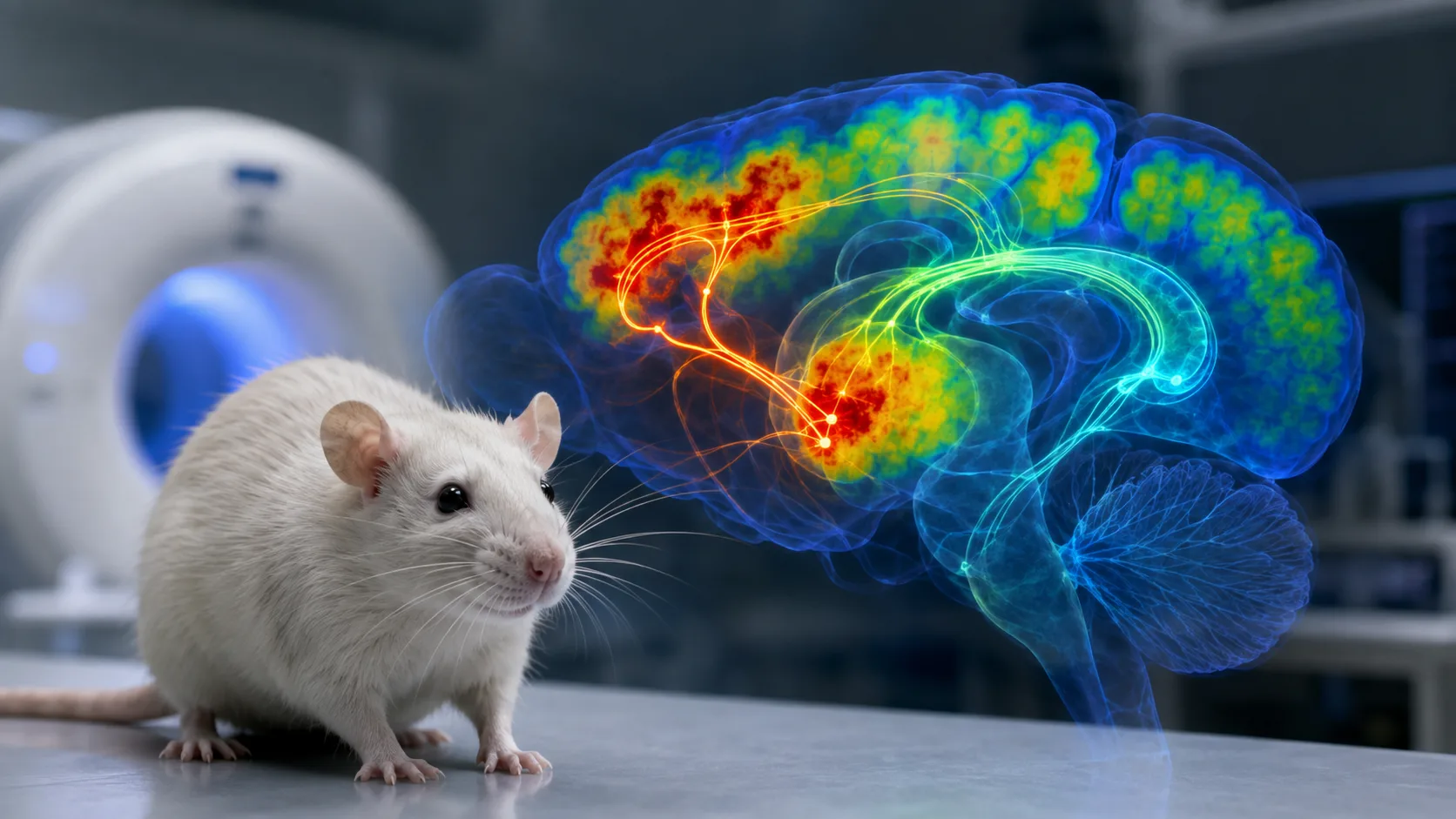
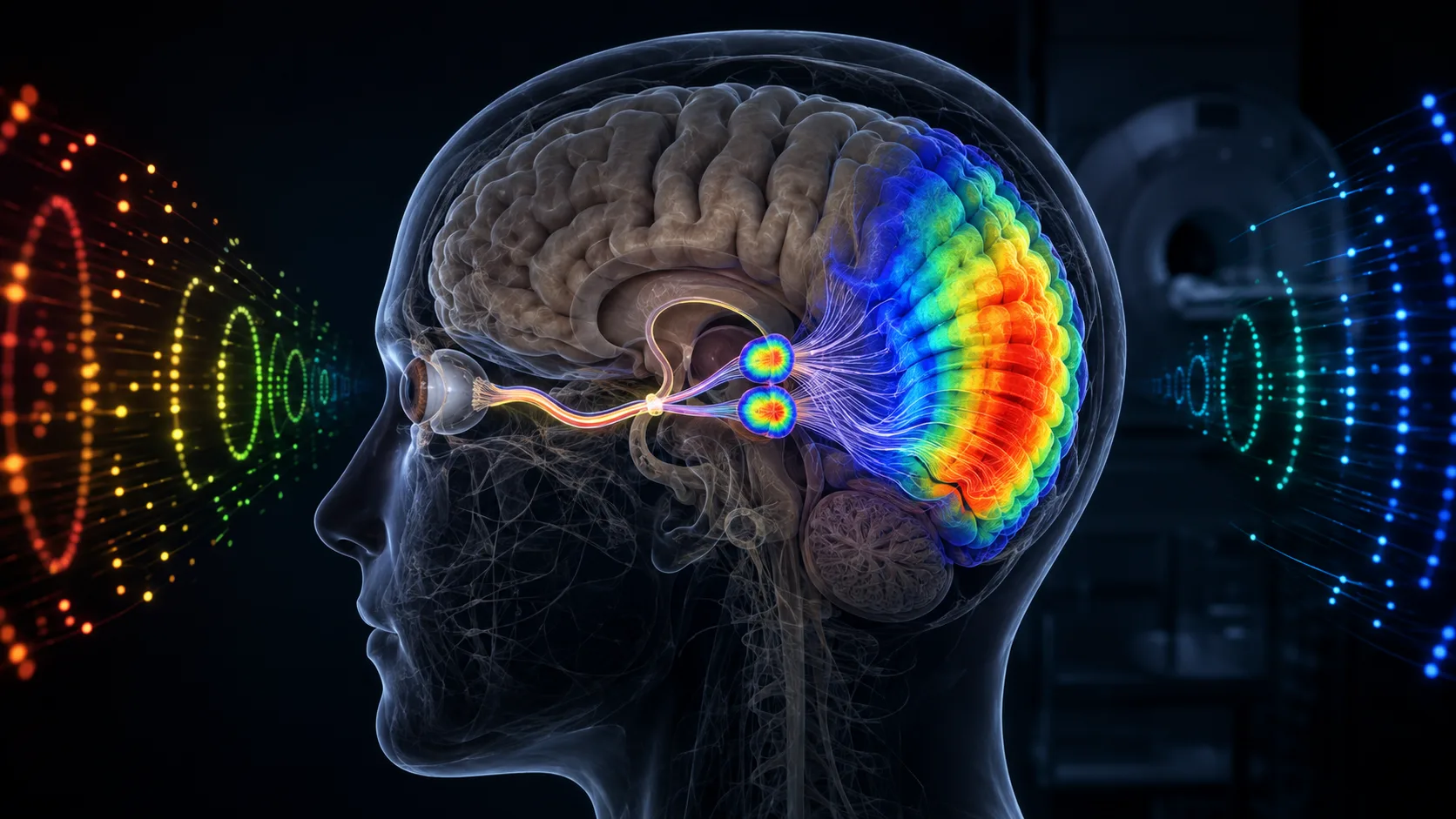
Developmental divergence in voice-reward circuitry differentiates autistic from typically developing children and adolescents.

Adolescence is a period of profound social change marked by a developmental shift in attention and motivation from parents toward nonfamilial peers. Autism is a neurodevelopmental condition characterized by lifelong challenges in social communication. However, the neurobiological signatures of adolescent social reorientation in autism are poorly understood. Human voice processing is a primary driver of social learning and communication, but it remains understudied in the autism literature, parti

Continue reading
Society & Culture

Response duration tracks confidence.

The timing of behavioral responses is among the most robust signatures of cognitive processing-with easier, more accurate, and more confident judgments typically made more quickly. But which aspects of response timing carry these signals? Whereas the time taken to initiate a response (e.g., the interval between stimulus onset and keypress) is one of the most popular and informative measures in experimental psychology, another aspect of response timing is its duration (e.g., how long the key is h

Continue reading

Society & Culture

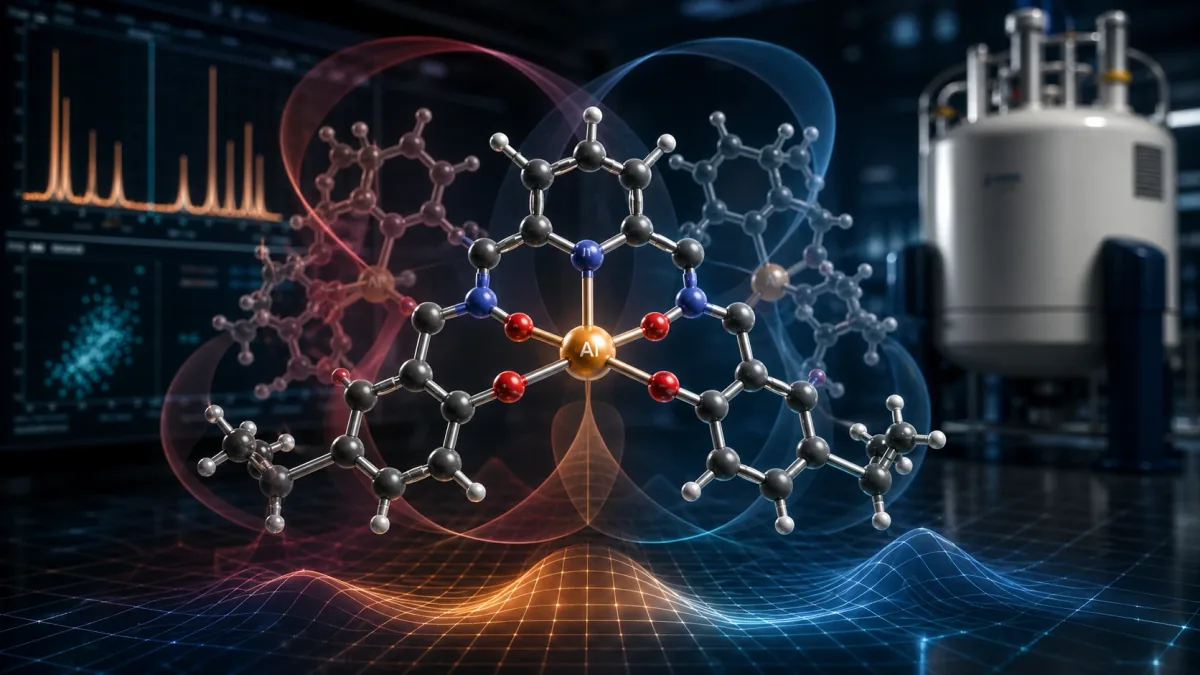
Stereodynamism in Pentacoordinate Al(Salen) Catalysts.

M(Salen) complexes are totemic in asymmetric catalysis on account of the generality and selectivity that they confer. Consequently, the development of unifying models to place the function of these disruptive actors on a structural foundation is essential to sustain innovation. Motivated by the transformative effect that the Jacobsen catalyst (M = Al) has had on contemporary synthesis, a thorough three-dimensional structural investigation of the solution phase behavior of Al(Salen) complexes is

Continue reading

Society & Culture

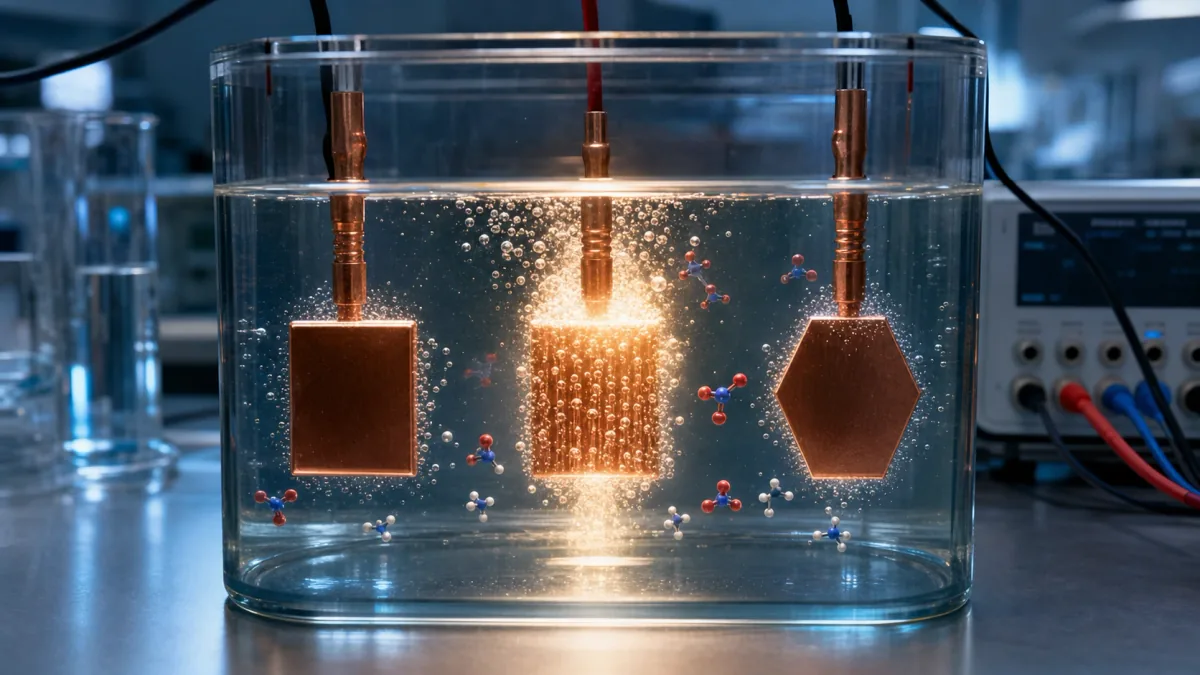
Electrochemical Nitrate Reduction with Low-Index Cu Single Crystals: Selectivity Trends in Alkaline Solution.

Electrochemical nitrate (NO 3 - ) reduction is a promising pathway toward the production of ammonia (NH 3 ). While copper (Cu) electrodes are commonly used for this reaction, the influence of Cu surface structure on reaction selectivity is poorly understood. Here, we performed electrochemical NO 3 - reduction in alkaline electrolytes with Cu(100), Cu(110), and Cu(111) single-crystal electrodes and quantified the product distributions across a range of applied potentials. Our systematic study of

Continue reading

Society & Culture

Multiplexing in networks and diffusion.

We study multiplexing-the extent to which people have multiple, distinct types of relationships with the same others. We document empirical multiplexing patterns in Indian village data. We show that relationships such as socializing, advising, helping, and lending are correlated but distinct, while commonly used proxies for networks based on ethnicity and geography are nearly uncorrelated with actual relationships. We also show that these layers and their overlap affect information diffusion in

Continue reading
Society & Culture

Spontaneous phase separation and pattern formation in a lyotropic nematic mixture.

Lyotropic liquid crystals can display rich phase behavior and self-organization, yet the physical principles underlying their self-assembly into large scale patterns remains understudied. Here, we combine theory, simulations, and experiments on Sunset Yellow-water chromonic mixtures to show that such materials spontaneously phase separate, even without assuming any underlying microscopic attraction between the molecular species. In our minimal model, demixing depends solely on the Onsager-like c

Continue reading
Society & Culture

Large language models can predict the results of social science experiments.

There is growing interest in how large language models (LLMs) can advance social and behavioural science 1-5 . Previous work has assessed LLMs' ability to predict survey responses 6-9 , but less is known about whether they can predict the outcomes of social science experiments 10 , particularly those absent from training data. Here we built an archive of 70 preregistered, nationally representative survey experiments in the USA involving 469 experimental effects and 119,330 participants. We

Continue reading