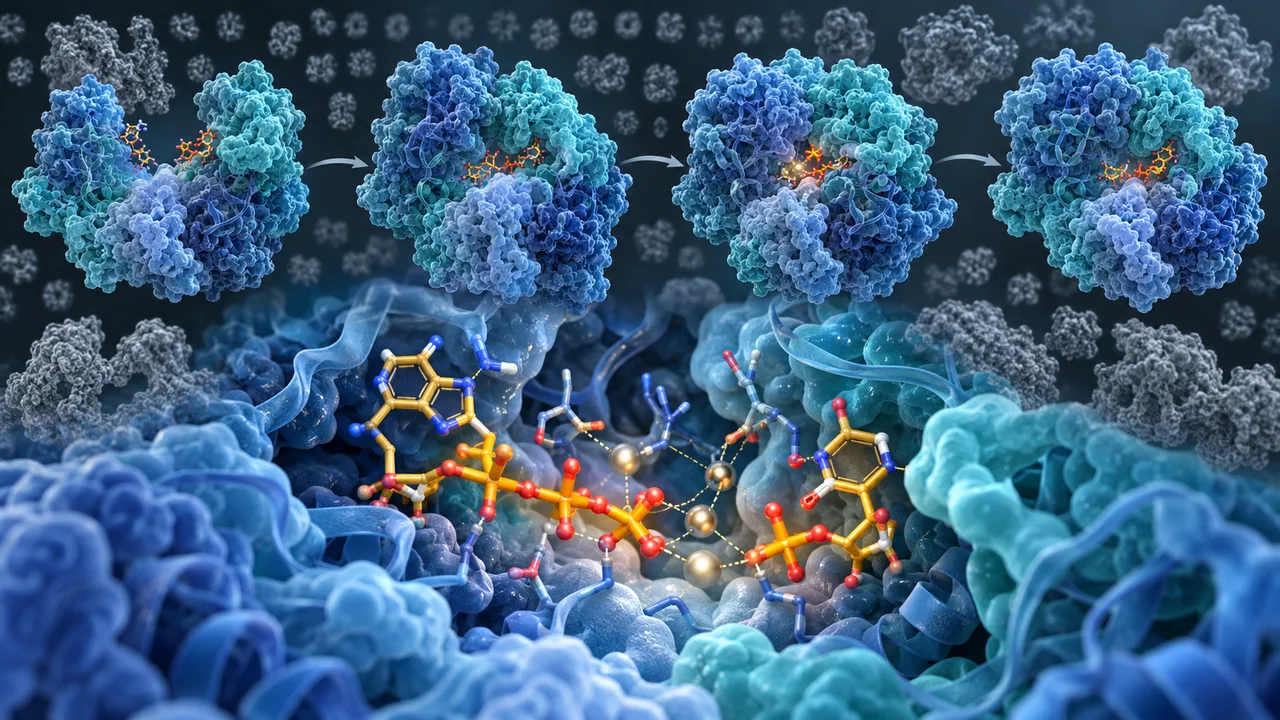
Programmable chemoenzymatic synthesis of a keratan sulfate N -glycan library for glycocode decoding.
Keratan sulfate (KS) is a unique and widely distributed glycosaminoglycans family implicated in diverse biological processes. KS features branched glycan architectures with diverse sialylation and sulfation patterns, encoding a vastly expanded chemical and biological space. The limited accessibility of well-defined structures has hindered precise investigations into the KS biological functions. Here we report a programmable chemoenzymatic platform for assembling a 106-membered library of KS N -g
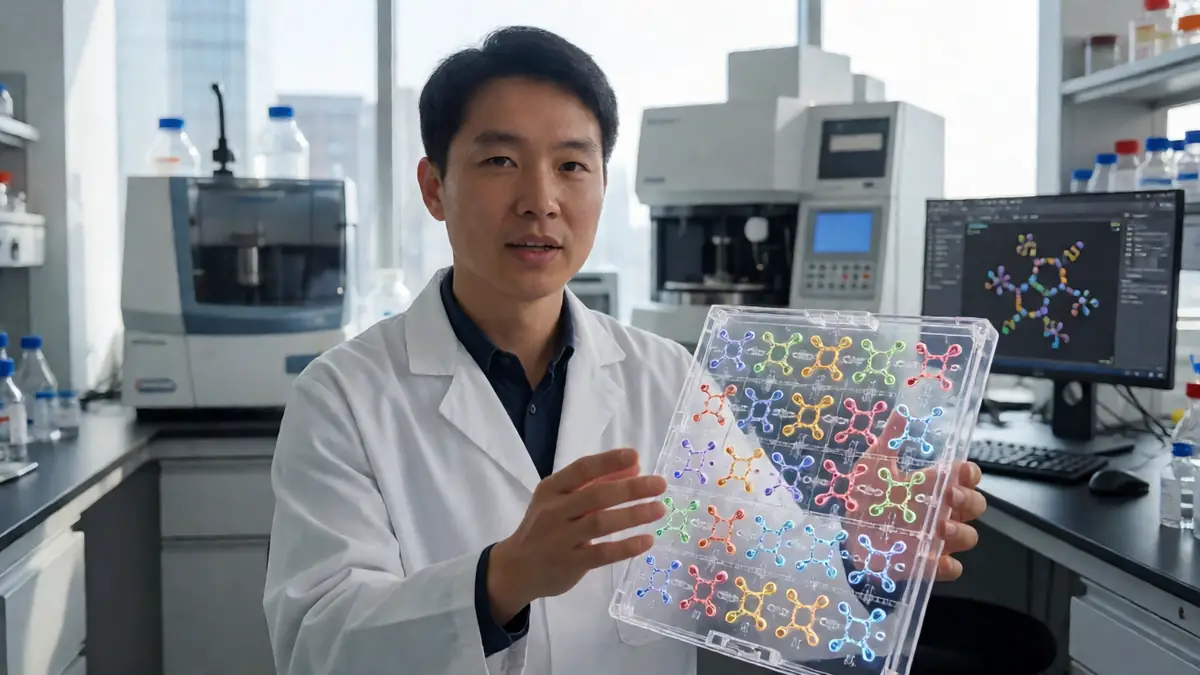
Keratan sulfate (KS) is a unique and widely distributed glycosaminoglycans family implicated in diverse biological processes. KS features branched glycan architectures with diverse sialylation and sulfation patterns, encoding a vastly expanded chemical and biological space. The limited accessibility of well-defined structures has hindered precise investigations into the KS biological functions. Here we report a programmable chemoenzymatic platform for assembling a 106-membered library of KS N -glycans and their nonsulfated counterparts, featuring length-variable oligo- N -acetyllactosamine (LacNAc) extensions and encompassing diverse sulfation and sialylation patterns. The synthetic strategy integrates length-controlled iterative glycosylation to assemble versatile precursors, orthogonal deprotection for site-specific sulfation, and modular enzyme-driven diversification. Glycan microarray analysis of this comprehensive library reveals that glycan-protein recognition is governed by the interplay of sulfation and sialylation patterns, oligo-LacNAc chain length, and terminal epitope presentation, providing insight into the functional versatility of KS glycans.