Artificial Intelligence

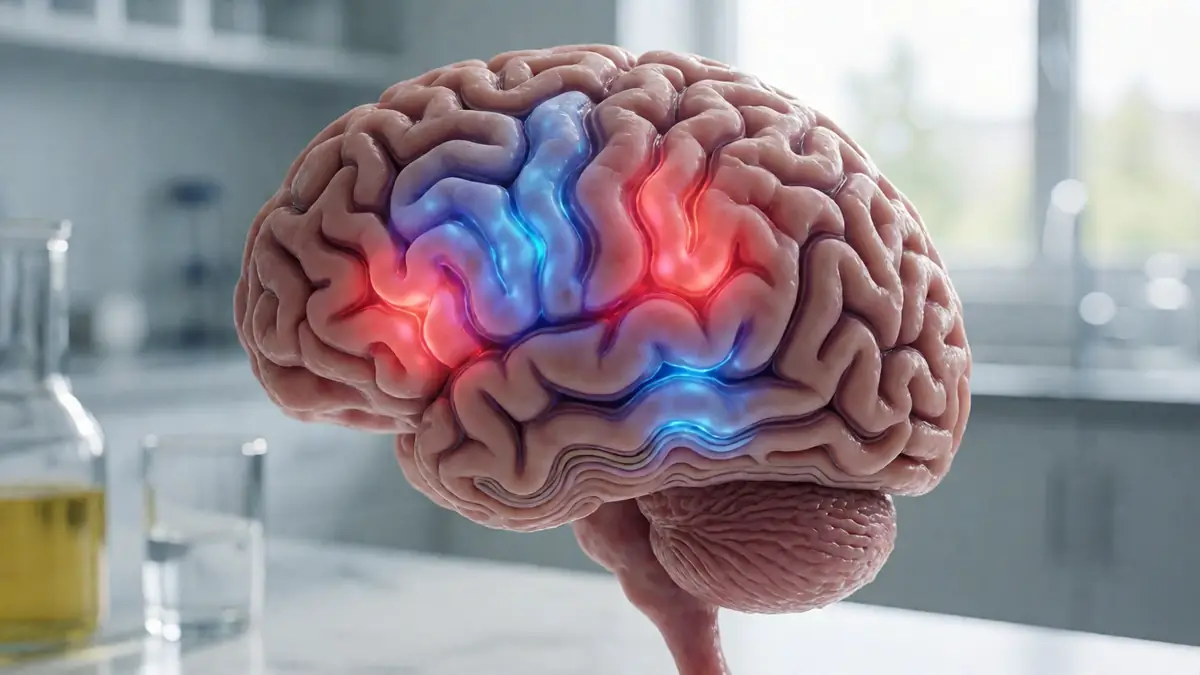
CX3CL1 (fractalkine)-CX3CR1 interface drives CD8⁺ T cell-induced neurodegeneration in human brain organoids.
| Source: Proceedings of the National Academy of Sciences of the United States of America

Immune-neuron interactions play a critical role in neuroinflammatory and neurodegenerative diseases, such as Alzheimer's disease (AD), but how CD8⁺ T cells contribute to brain pathology remains poorly understood. Amyloid-β (Aβ), a hallmark of AD, is known to trigger neuronal stress and inflammation. Here, we established a human cortical organoid (hCO) model to investigate CD8⁺ T cell responses to Aβ-induced neurodegenerative stress. Aβ exposure increased neu

Immune-neuron interactions play a critical role in neuroinflammatory and neurodegenerative diseases, such as Alzheimer's disease (AD), but how CD8⁺ T cells contribute to brain pathology remains poorly understood. Amyloid-β (Aβ), a hallmark of AD, is known to trigger neuronal stress and inflammation. Here, we established a human cortical organoid (hCO) model to investigate CD8⁺ T cell responses to Aβ-induced neurodegenerative stress. Aβ exposure increased neuronal expression of CX3CL1 (fractalkine), which engages its receptor CX3CR1 on CD8⁺ T cells. Transwell migration assays showed enhanced recruitment of CX3CR1⁺ CD8⁺ T cells toward Aβ-treated hCOs. In parallel, Aβ upregulated IL-15 expression, a cytokine that supports CD8⁺ T cell activation. The infiltration of CD8⁺ T cells led to neuronal injury, marked by MAP2 loss and cleaved Caspase-3 activation, accompanied by an increase in gene signatures for cell death and inflammation. Exposure to the conditioned medium of activated CX3CR1 high CD8⁺ T cell recapitulated this damage, and the neutralization of CD8 + T cell cytokines and cytotoxic molecules rescued the phenotype. These findings identify the CX3CL1-CX3CR1 axis and CD8⁺ T cell effector programs as drivers of neurotoxicity and establish brain organoids as a platform to study immune-driven neurodegeneration.

Read the original source →

Related Stories

Artificial Intelligence

Integrating cooperative breeding with reciprocity and culture extends Hamilton's rule to humans.

We study how kinship and reciprocity shape giving and child care support in societies with limited access to markets. Extending Hamilton's rule to incorporate reciprocity, we test it using behavioral data from dictator games and surveys in remote matrilocal and patrilocal villages of northeast India (N = 406 parents of young children). We replicate with data from urban Manila neighborhoods (N = 301) and the Solomon Islands (N = 624). Consistent with predictions, transfers to recipients increase

Continue reading
Artificial Intelligence

Multi-omics atlas of chronic exercise.

Exercise reduces all-cause mortality, yet its molecular effects across organs, sexes, and circadian phases remain incompletely understood. We subjected mice to 8 weeks of voluntary wheel running and collected 22 tissues and plasma during active and inactive phases for bulk RNA sequencing, metabolomics, proteomics, and single-nucleus RNA and methylation sequencing. Exercise induced canonical fiber-type switching and widespread, tissue-specific remodeling, with the largest transcriptomic changes i

Continue reading
Artificial Intelligence

A microexon regulatory code reveals autism-linked genetic variation.

Neuronal microexons are a highly conserved class of alternative splicing events enriched in genes with critical functions in nervous system biology 1,2 . Microexon splicing is often disrupted in the brains of autistic individuals, and mice with microexon deficiencies display autism-like phenotypes 1,3,4 . However, the full landscape of microexons is not known, and the impact of genetic variation on these exons has not been systematically investigated. Here, through extensive transcriptome profil

Continue reading
Artificial Intelligence

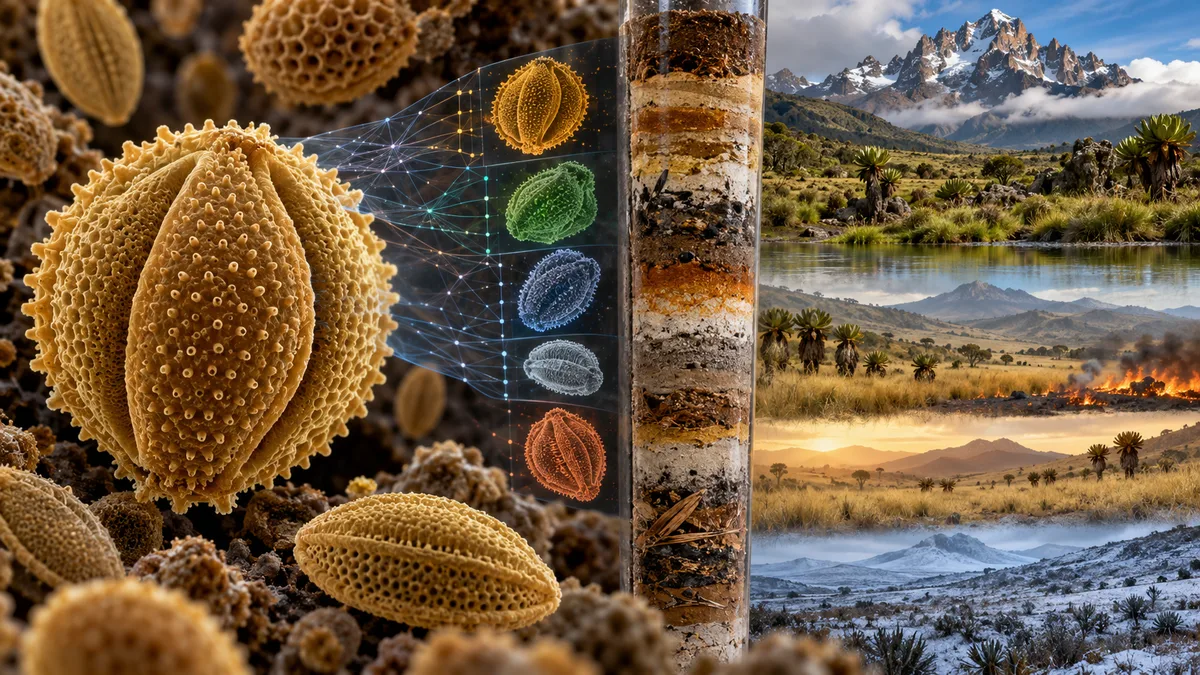
Deep learning of fossil pollen morphology reveals 25,000 y of ecological change in eastern African grasslands.

Grass (Poaceae) pollen is largely overlooked in investigations of grassland evolution because the pollen of most species cannot be differentiated using traditional optical microscopy. However, the combination of superresolution microscopy and deep learning enables the capture and quantification of distinct morphological variation across the pollen of grass species. Using a semisupervised deep-learning strategy, we trained convolutional neural networks (CNNs) on superresolution images of known mo

Continue reading
Artificial Intelligence

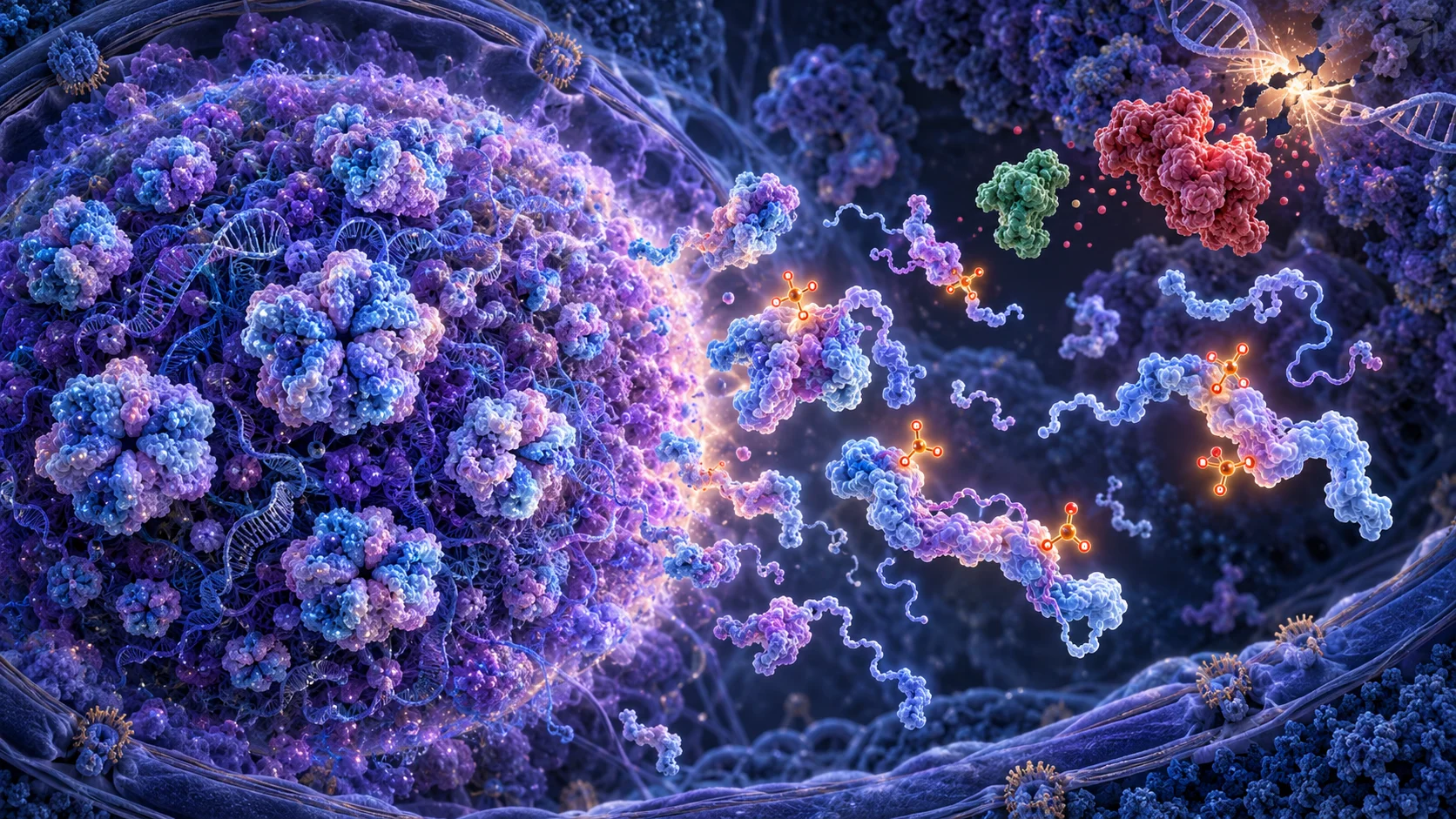
Tyrosine phosphorylation unfolds nucleophosmin and disrupts its integration into the nucleolus.

Nucleophosmin (NPM1) is a multifunctional nucleolar protein essential for ribosome biogenesis, genome stability, and stress responses. Its integration into the nucleolus depends on its oligomerization and multivalent interactions that enable liquid-liquid phase separation (LLPS). Here, we investigate how tyrosine phosphorylation at Tyr17, Tyr29, and Tyr67 located within the interface between monomers at the N-terminal oligomerization domain regulates NPM1 structure and function. Replacing tyrosi

Continue reading