Connexins are essential for the contribution of latent progenitors to healing after spinal cord injury.
Gap junctions are important regulators of the biology of neural stem cells. Both in vertebrates with regenerative abilities and neonatal rodents, ependymal cells communicate via connexin (Cx) 43 and Cx26. Gap junction coupling and Cx26 are down-regulated as the ependyma becomes quiescent in adulthood, but injury overrules this developmental down-regulation suggesting a role for Cx signaling in the reactivation of ependymal cells. However, direct evidence of the involvement of these Cxs in the re
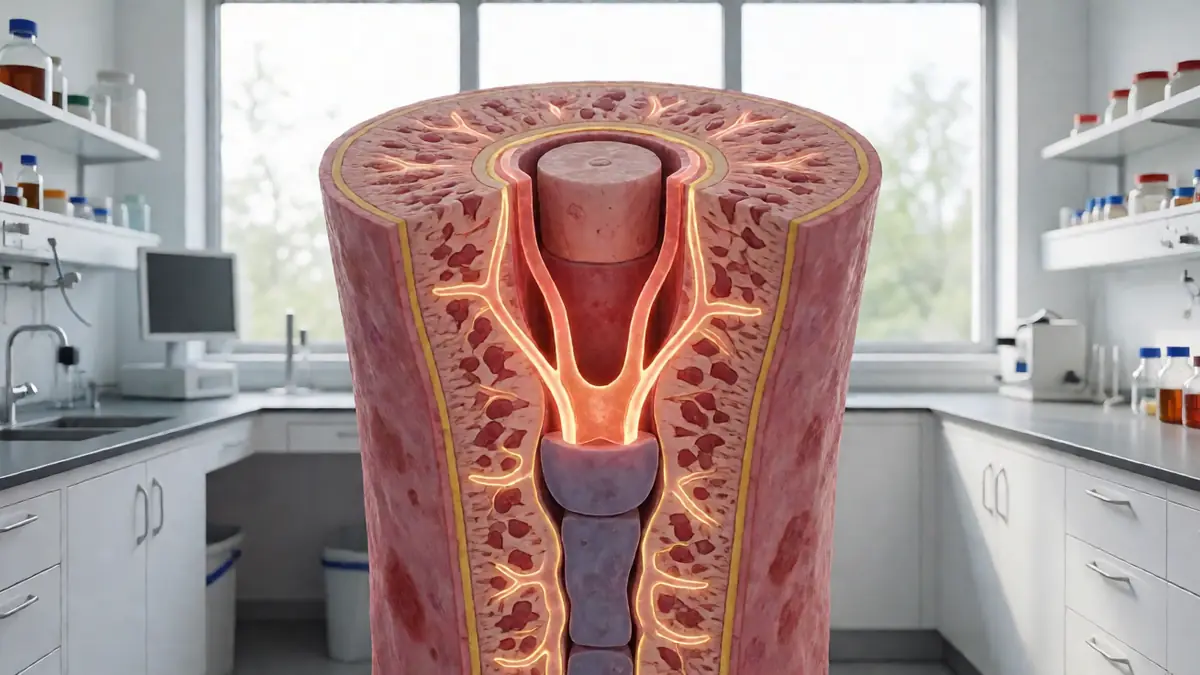
Gap junctions are important regulators of the biology of neural stem cells. Both in vertebrates with regenerative abilities and neonatal rodents, ependymal cells communicate via connexin (Cx) 43 and Cx26. Gap junction coupling and Cx26 are down-regulated as the ependyma becomes quiescent in adulthood, but injury overrules this developmental down-regulation suggesting a role for Cx signaling in the reactivation of ependymal cells. However, direct evidence of the involvement of these Cxs in the reactivation of the ependymal stem cell niche is lacking. Here, we aim to explore the role of Cx26 and Cx43 in the response of ependymal cells to injury by means of specific genetic deletion. We find that Cx26 is critical for the proliferative response of ependymal cells to injury. The reduced response of ependymal cells by Cx26 deletion increased the extension of the lesion because of impaired healing resulting from a weak contribution of the ependymal stem cell niche. On the other hand, Cx43-via gap junction coupling and hemichannels-plays a key role in the communication of Ca 2+ signals between ependymal cells induced by activation of P2X7 receptors. Our data show that Cxs are relevant targets to manipulate the ependymal stem cell niche to achieve better healing after spinal cord injury.