PSF3 recruits Polθ to stalled replication forks to promote DNA repair.
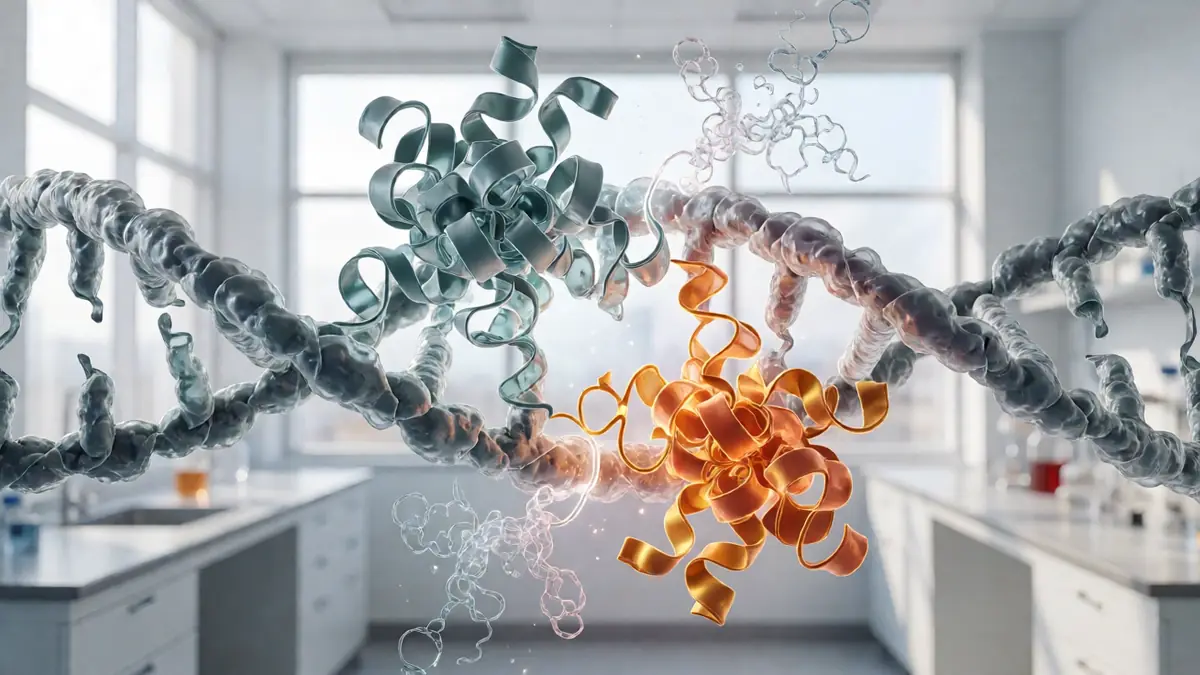
DNA polymerase theta (Polθ) plays a pivotal role in the maintenance of stalled replication forks. However, little is known about how Polθ is recruited to the stalled forks. Here we show that PSF3, a member of GINS replicative complex, recruits Polθ to the stalled replication forks. Polθ, which is recruited by interacting with the C-terminal portion of PSF3, restarts the forks, exerts DNA double-strand break end-joining to repair the breaks resulting from collapsed forks i
DNA polymerase theta (Polθ) plays a pivotal role in the maintenance of stalled replication forks. However, little is known about how Polθ is recruited to the stalled forks. Here we show that PSF3, a member of GINS replicative complex, recruits Polθ to the stalled replication forks. Polθ, which is recruited by interacting with the C-terminal portion of PSF3, restarts the forks, exerts DNA double-strand break end-joining to repair the breaks resulting from collapsed forks in BRCA1/2-deficient and proficient tumor cells, and also fills single-stranded gaps on the replication fork lagging strand in BRCA1/2-deficient tumor cells. Thus, PSF3-Polθ interaction promotes the proliferation of homologous recombination-deficient and proficient tumor cells. Overall, this study highlights an important mechanism of Polθ recruitment to the stalled replication forks to maintain Polθ-dependent fork protection in tumor cells.