Health & Medicine

Methanogenic archaea Methanobrevibacter smithii and Methanosphaera stadtmanae promote mucosal homeostasis and protect from colitis.
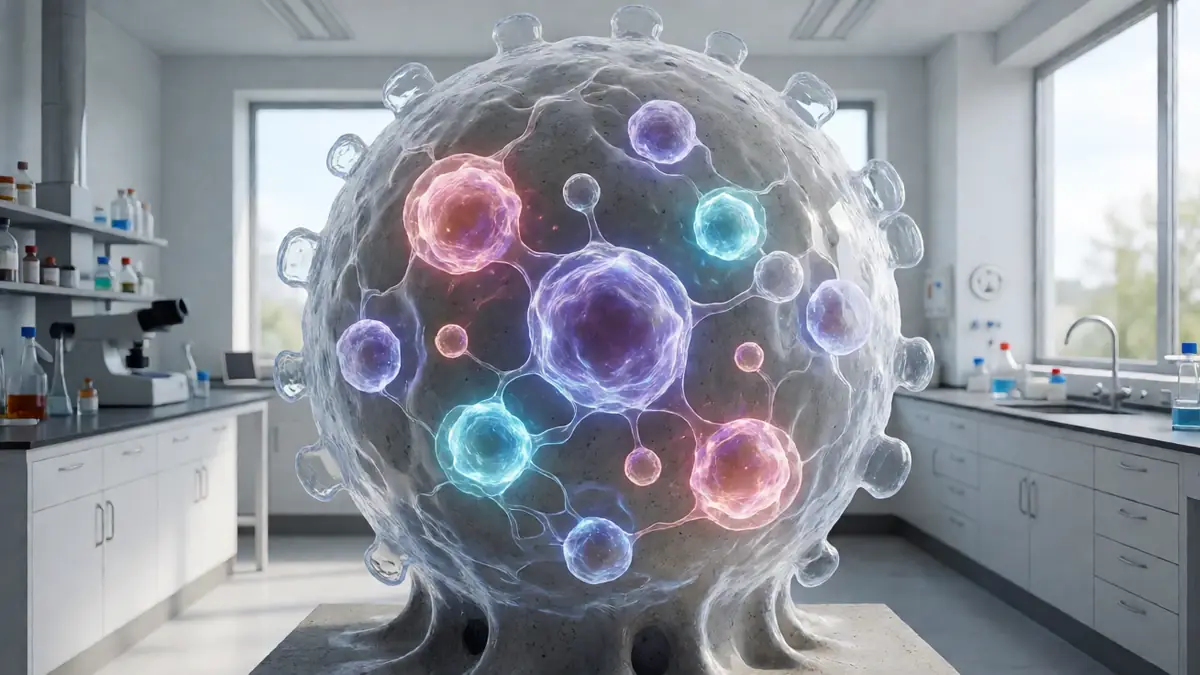
| Source: Proceedings of the National Academy of Sciences of the United States of America

The intestinal microbiota is a critical determinant of mucosal homeostasis, yet the functional contributions of Archaea-which constitute up to 10% of the anaerobic community-remain largely undefined. Here, we provide evidence that the human methanogens Methanobrevibacter smithii (MSm) and Methanosphaera stadtmanae (MSt) promote colonic health. Transcriptomic analysis of germ-free mice reveals that MSm and MSt induce distinct colonic programs important for epithelial integrity. Using gnotobiotic

The intestinal microbiota is a critical determinant of mucosal homeostasis, yet the functional contributions of Archaea-which constitute up to 10% of the anaerobic community-remain largely undefined. Here, we provide evidence that the human methanogens Methanobrevibacter smithii (MSm) and Methanosphaera stadtmanae (MSt) promote colonic health. Transcriptomic analysis of germ-free mice reveals that MSm and MSt induce distinct colonic programs important for epithelial integrity. Using gnotobiotic and antibiotic-treated specific-pathogen-free mouse models, we show that MSm and MSt reinforce the epithelial barrier, characterized by increased goblet cell expansion, mucus thickening, and enhanced epithelial regeneration. Furthermore, methanogens expand Foxp3 + regulatory T cell (T reg ) populations without inducing pro-inflammatory T H 17 responses. Notably, MSm and MSt protect against dextran sodium sulfate-induced colitis. While MSt-mediated protection requires adaptive immunity, MSm retains partial efficacy in lymphocyte-deficient mice, revealing nonredundant protective mechanisms. These findings indicate that methanogenic archaea promote mucosal integrity during host association and suggest that methanogens may hold therapeutic potential for inflammatory bowel disease, though translation to human disease remains to be established.

Read the original source →

Related Stories

Health & Medicine

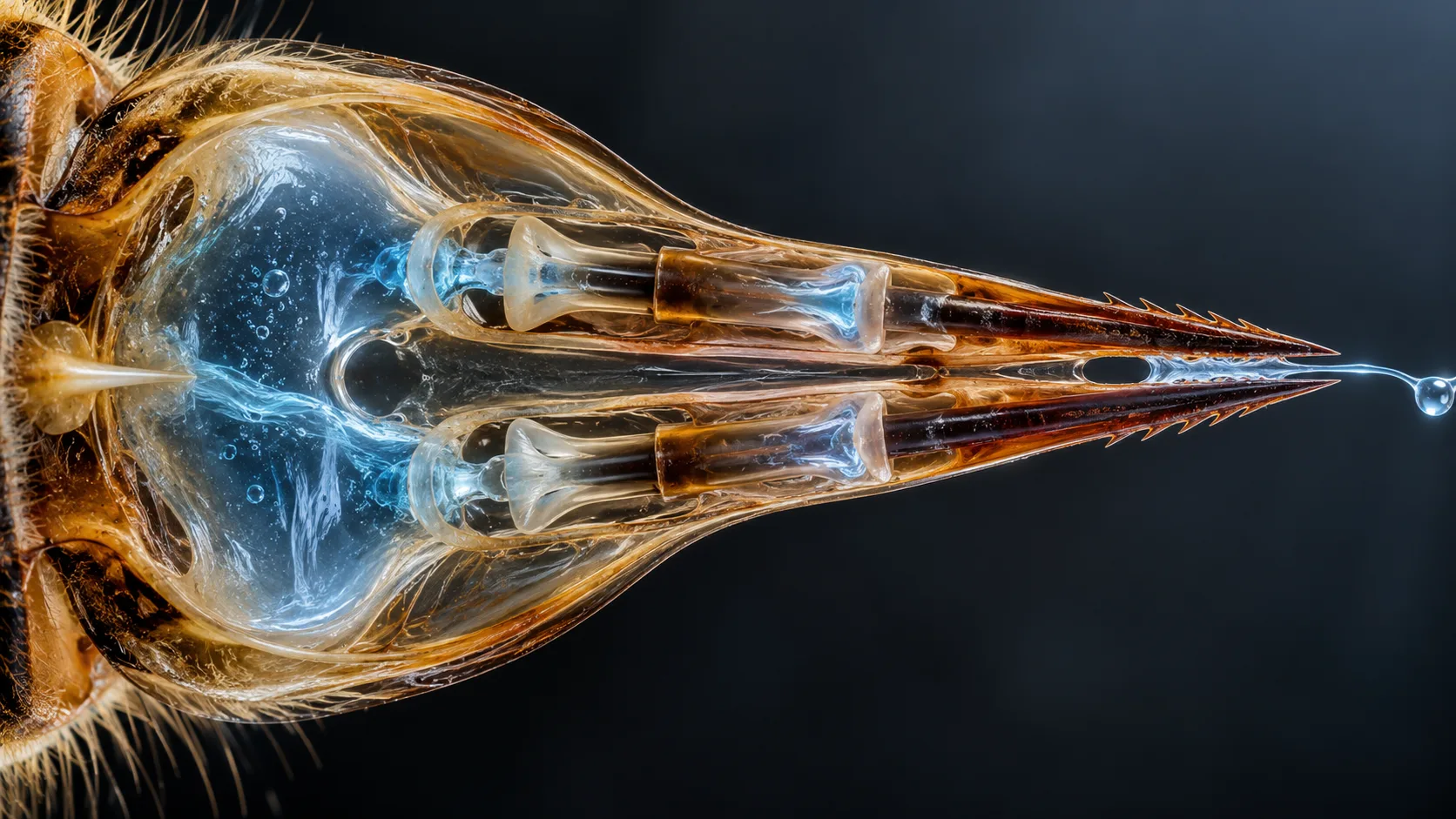
The honey bee stinger: An unusual pump with collapsible double pistons.

Most stinging animals deliver venom by contracting muscles around a venom reservoir, but honey bees employ a fundamentally different strategy. The stingers of worker bees have the unique ability to autotomize, separating from the body, to continue to sting independently. Despite more than a century of anatomical descriptions, the mechanics of venom pumping have remained unresolved due to the challenges of observing them in action. We recorded high-speed videos of active, autotomized stingers, co

Continue reading
Health & Medicine

mechanoLight: A genetically encoded fluorescent biosensor for visualizing 5-HT2AR mechanotransduction in live cells.

G protein-coupled receptors (GPCRs) are pivotal sensors of the mechanical environment, yet how they sense and transduce physical stimuli into biochemical signals within live cells remains largely elusive. Here we introduce mechanoLight, a genetically encoded red fluorescent biosensor designed to report the mechanical activation of the 5-hydroxytryptamine 2A receptor (5-HT2AR). By incorporating a circularly permuted mApple (cp-mApple) into the third intracellular loop of 5-HT2AR with the optimize

Continue reading
Health & Medicine

Neuromodulatory control of cortical function: Cell-type-specific regulation of neuronal information transfer.

Neuromodulatory systems such as dopamine and acetylcholine enable cortical circuits to rapidly shift between behavioral states, yet it remains unclear how receptor-specific signaling reshapes what single neurons compute. Here, we combined whole-cell recordings from excitatory and inhibitory neurons in layer 2/3 of mouse somatosensory cortex with information-theoretic analyses under frozen-noise stimulation. We quantified stimulus-to-spike information transfer and profiled each neuron across four

Continue reading
Health & Medicine

Identification and characterization of neoplastic cells in keratin-positive giant cell-rich tumors.

Keratin-positive giant cell-rich tumor (KPGCT) is a newly described bone and soft tissue tumor. The tumor is characterized by scattered keratin-positive cells and the presence of HMGA2::NCOR2 fusions. It is not known if the HMGA2::NCOR2 fusion is located in the keratin-positive cells, and little is known about how KPGCT develops. KPGCT shares some histologic features with tenosynovial giant cell tumor (TGCT), a soft tissue tumor with CSF1 rearrangements. Single-nuclei RNA sequencing and Xenium s

Continue reading
Health & Medicine

Mediator-associated proteins and the small RNA-guided Polycomb repressive complex enhance cryptic transcription for transposon exclusion.

Suppression of transposable elements (TEs) is critical for maintaining genome integrity. The evolutionary arms race between TEs and their eukaryotic host organisms has driven the development of small RNA-dependent mechanisms that specifically suppress TEs while leaving non-TE regions unperturbed. In the binucleated ciliate Tetrahymena , small RNAs (sRNAs) are generated from both TE and non-TE regions of the germline genome, whereas noncoding RNAs (ncRNAs) from the TE-free somatic genome target a

Continue reading