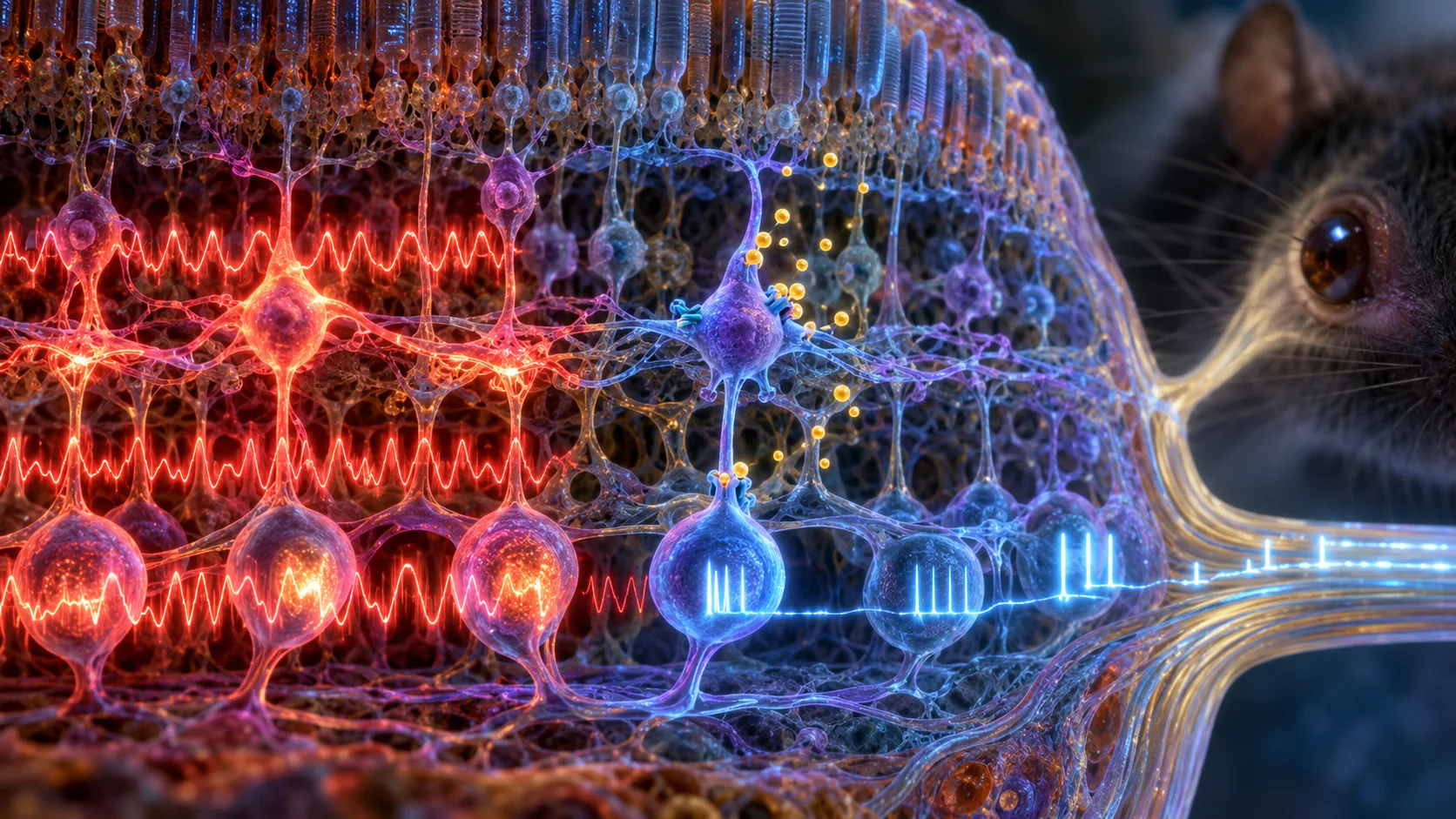
Cell identity competes with surface tension to determine stromal organization in tumor spheroids beyond the CAF shell paradigm.
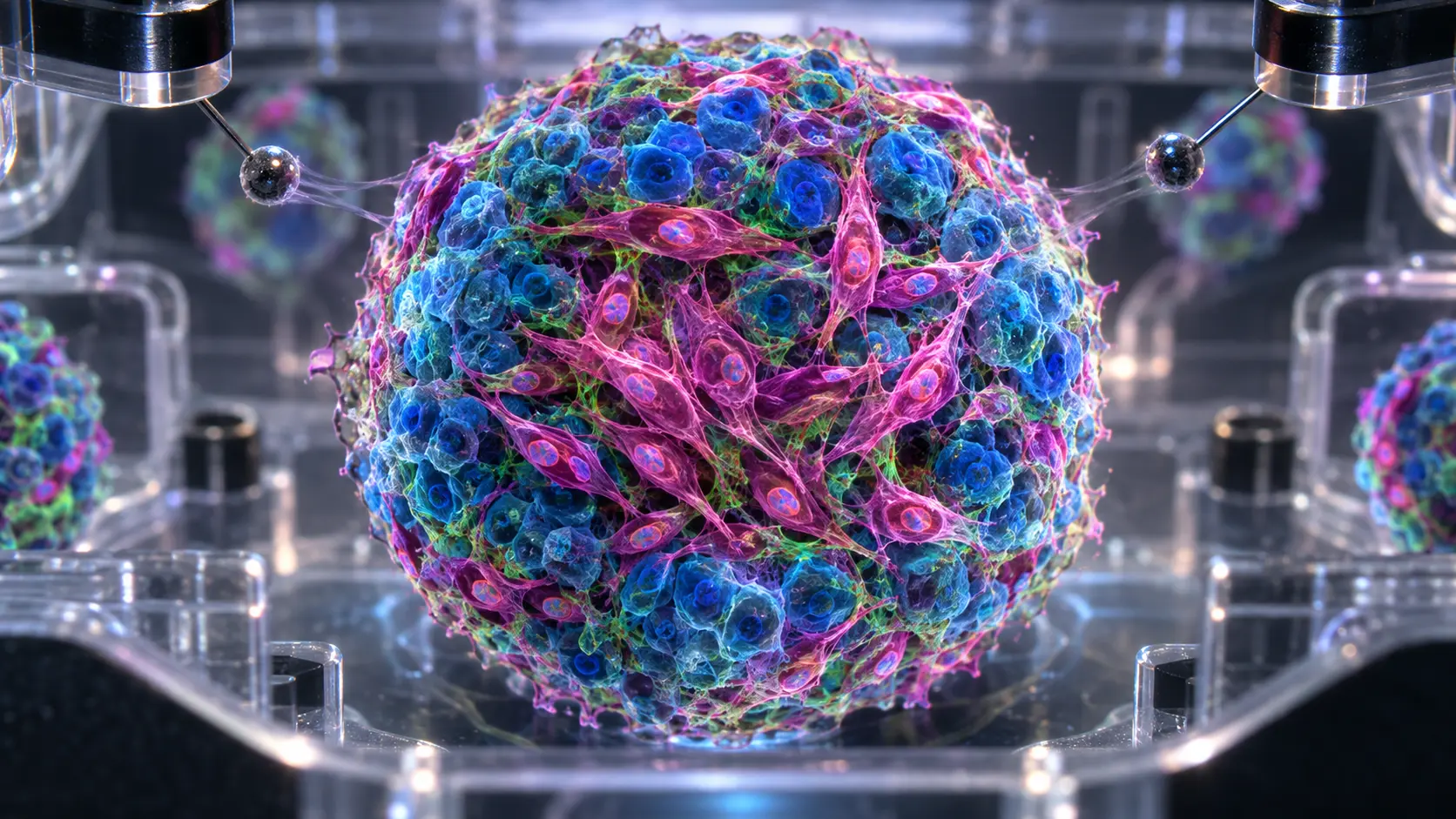
Cancer-associated fibroblasts (CAFs) are often found forming a peripheral stromal barrier around tumors. Here, this paradigm is challenged using microfabricated 3D cancer-CAF spheroid models combined with quantitative magnetic force tensiometry. A surface tension atlas is established for eight cancer cell lines, three CAF populations, and heterotypic tumor-CAF assemblies, spanning nearly two orders of magnitude. Surface tension is first shown to govern spheroid morphology and modulate drug respo
Cancer-associated fibroblasts (CAFs) are often found forming a peripheral stromal barrier around tumors. Here, this paradigm is challenged using microfabricated 3D cancer-CAF spheroid models combined with quantitative magnetic force tensiometry. A surface tension atlas is established for eight cancer cell lines, three CAF populations, and heterotypic tumor-CAF assemblies, spanning nearly two orders of magnitude. Surface tension is first shown to govern spheroid morphology and modulate drug response. Besides, CAFs consistently occupy the highest end of the surface tension hierarchy, predicting core rather than peripheral localization and directly challenging the shell paradigm. Yet confocal imaging reveals not only central accumulation but also complete CAF-tumor mixing, including in spheroids where cancer cells exhibit surface tensions nearly two orders of magnitude lower than CAFs. Surface tension alone therefore fails to predict CAF organization. Instead, the epithelial-to-mesenchymal transition (EMT) state of cancer cells emerges as a major determinant: epithelial-like tumors promote CAF core accumulation, whereas mesenchymal-like states favor persistent mixing. Peripheral CAF localization emerges only under restricted conditions combining high tumor cohesion and sequential stromal recruitment. Together, these results identify surface tension, EMT state, and assembly chronology as joint determinants of tumor-stroma architecture, revealing a context-dependent organization landscape rather than a universal CAF shell.