Molecular basis for discrimination of cGAMP linkage isomers by a c-di-GMP-II riboswitch variant.
Riboswitches are noncoding RNA regulatory motifs predominantly found in bacteria. Signaling molecules such as c-di-GMP, c-di-AMP, and 3',3'-cGAMP have been reported to be recognized by riboswitches. In contrast, 2',3'-cGAMP functions as a second messenger in mammalian cells, yet its interaction with RNA molecules remains unclear. Here, we report the crystal structures of a c-di-GMP-II riboswitch variant, c-di-GMP-II-Bh, bound to 2',3'-cGAMP and 3',3'-cGAMP. Both complexes adopt a similar overall
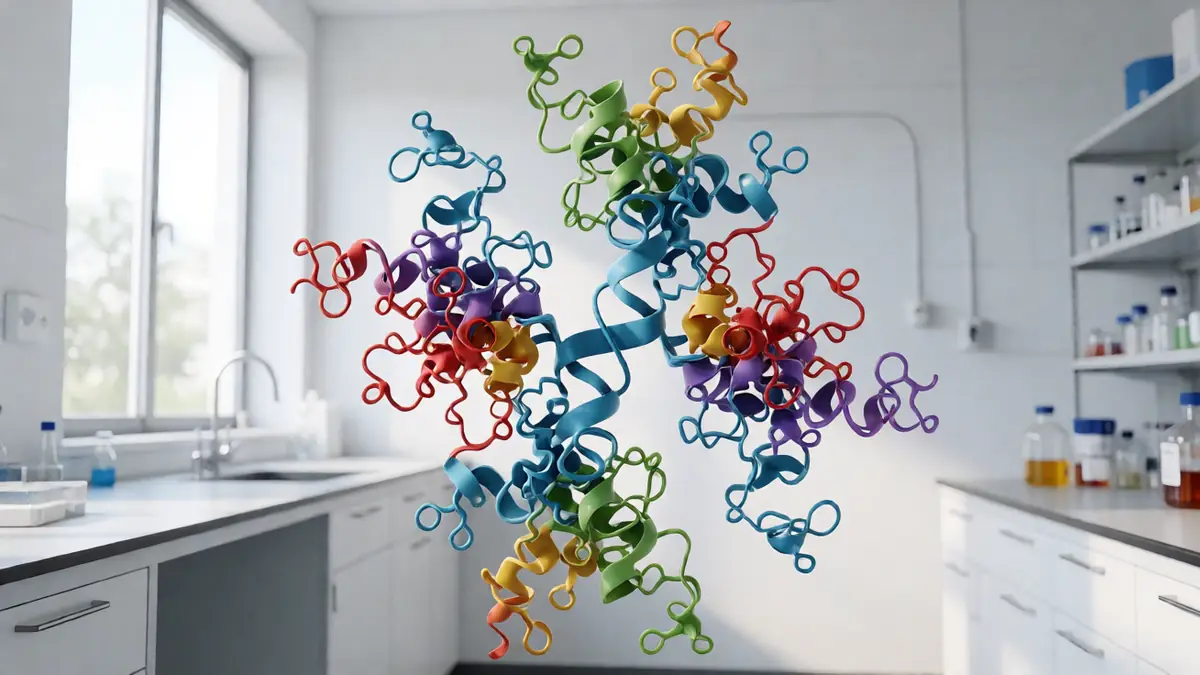
Riboswitches are noncoding RNA regulatory motifs predominantly found in bacteria. Signaling molecules such as c-di-GMP, c-di-AMP, and 3',3'-cGAMP have been reported to be recognized by riboswitches. In contrast, 2',3'-cGAMP functions as a second messenger in mammalian cells, yet its interaction with RNA molecules remains unclear. Here, we report the crystal structures of a c-di-GMP-II riboswitch variant, c-di-GMP-II-Bh, bound to 2',3'-cGAMP and 3',3'-cGAMP. Both complexes adopt a similar overall RNA scaffold with an identical binding pocket composition. However, the ligand bases adopt inverted orientations in the binding pocket, resulting in distinct interaction patterns with residues A64 and G68 and differences in base-pair stacking against the phosphodiester backbone. Structural comparison together with ligand-binding assays of structure-guided mutants using isothermal titration calorimetry reveals the molecular principles by which an RNA riboswitch discriminates among cyclic dinucleotide linkage isomers, highlighting the remarkable sensitivity of RNA binding pockets to subtle ligand structural variations and provides a mechanistic framework for understanding ligand specificity in RNA-small molecule recognition.