Topic: Cancer Research

Artificial Intelligence

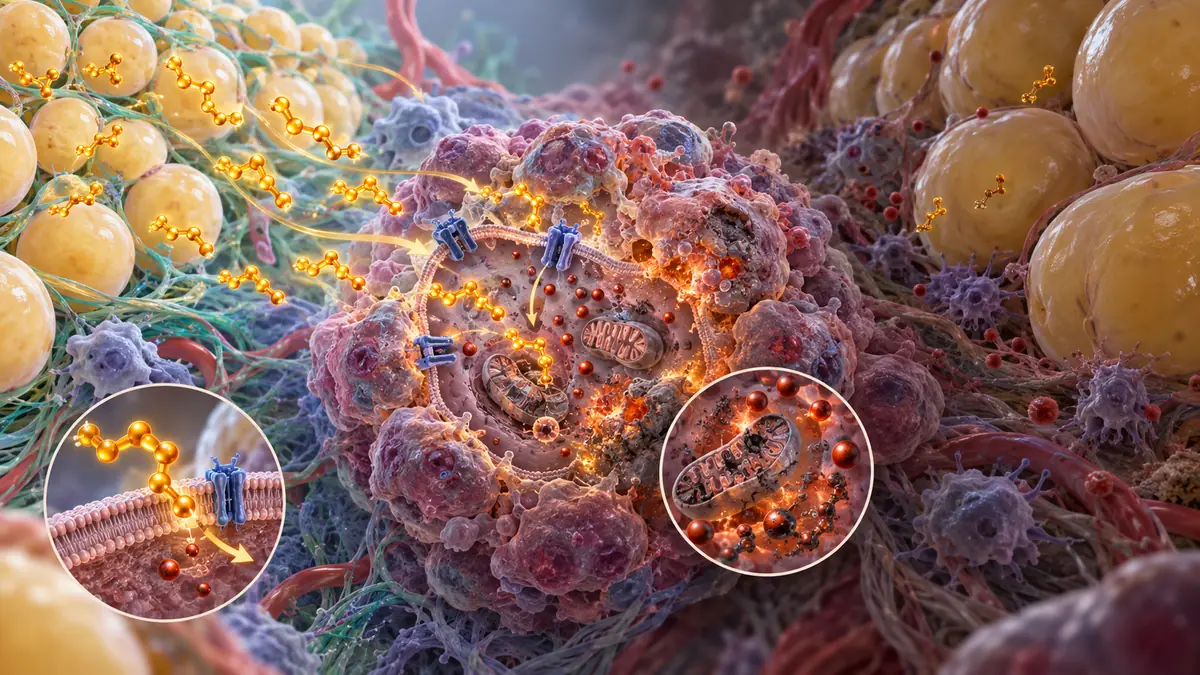
PLK1-mediated phosphorylation of PHGDH reprograms serine metabolism in advanced prostate cancer.

Metabolic reprogramming is a hallmark of cancer, enabling tumor cells to meet their increased biosynthetic and energetic demands. Although cells possess the capacity for de novo serine biosynthesis, most transformed cancer cells preferentially rely on exogenous serine uptake to sustain their growth, yet the regulatory mechanisms driving this metabolic dependency remain poorly understood. Here, we uncover a mechanism by which Polo-like kinase 1 (PLK1), frequently overexpressed in prostate cancer,

Continue reading
Health & Medicine

Cryoelectron tomography reveals an age-related decline in mitoribosomes that contributes to T cell dysfunction in older individuals.

Mitochondrial dysfunction drives T cell aging in mice. Yet, due to fundamental differences in T cell aging mechanisms between species, whether human T cells exhibit similar mitochondrial alterations remains unclear, with existing evidence often conflicting. Using cryoelectron tomography, we resolved the structure and spatial organization of mitochondrial ribosomes in primary human CD8 + T cells under physiological conditions. Comparative analysis with human aging models revealed an age-related r

Continue reading
Health & Medicine

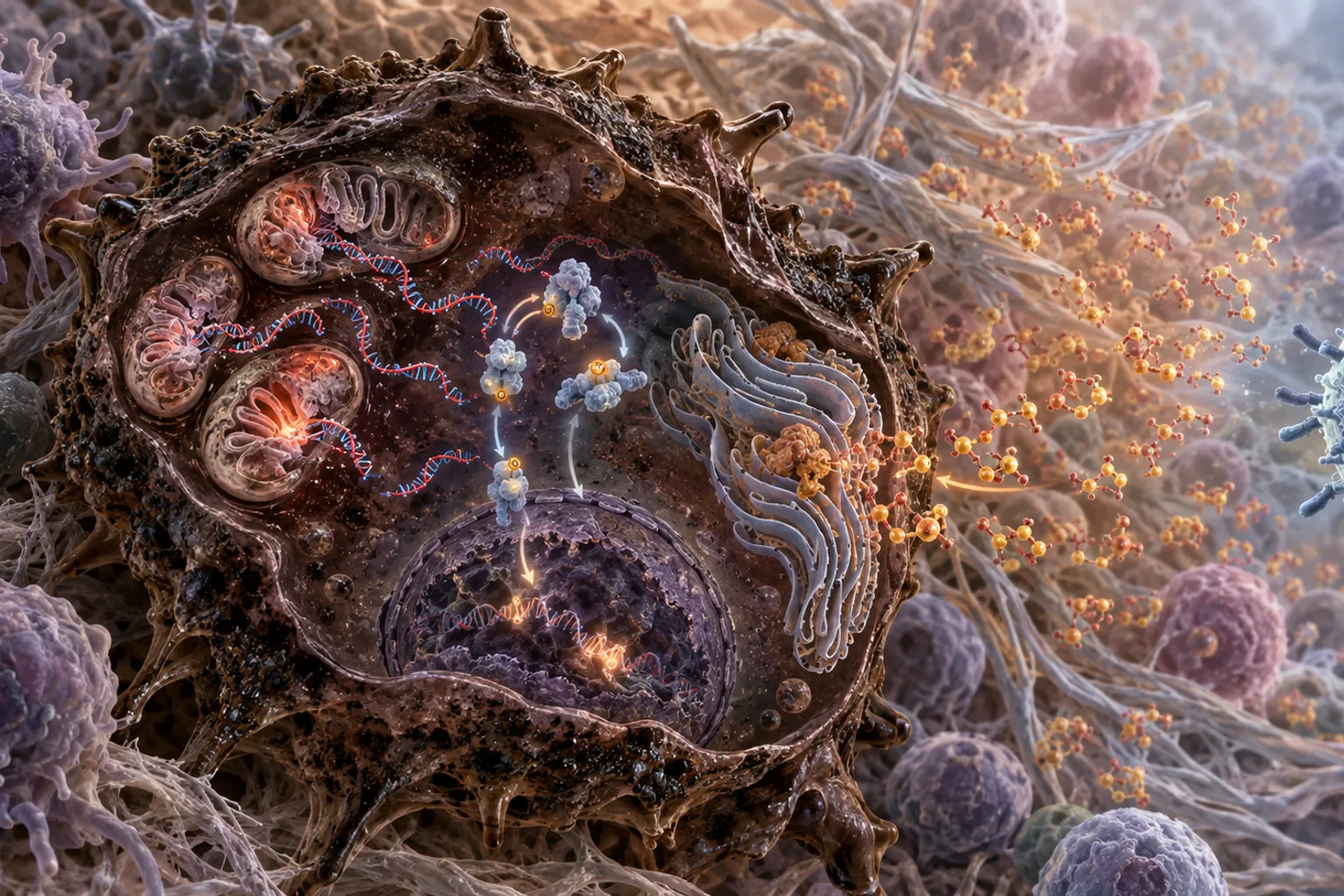
Dietary arginine drives codon-dependent MHC class I translation and improves immunity in colon tumorigenesis and respiratory viral infection.

Amino acid levels fluctuate across diverse pathological conditions. Whether such amino acid modulations directly shape pathophysiology by regulating host gene expression remains unknown. We found that extracellular arginine restriction, observed in cancer and infection, represses specific arginine tRNAs-directly suppressing translation of major histocompatibility complex I (MHC class I) and antigen presentation. Arginine regulation of MHC class I was codon-usage dependent, as synonymous codon mu

Continue reading
Health & Medicine

CRISPR screens identify targets to rescue age-related T cell dysfunction in cancer.

Immune aging impairs T cell-mediated tumor control as well as cancer immunotherapy outcomes. The most important drivers of T cell dysfunction in aged tumors remain unknown. We performed single-cell CRISPR screens to identify Dusp5 and Zfp219 as key regulators of CD8 + T cell persistence and effector differentiation within aged tumors. Loss of Dusp5 increased extracellular signal-regulated kinase (ERK) phosphorylation and globally enhanced T cell proliferation. Conversely, Zfp219 deletion induced

Continue reading
Health & Medicine

Ligand regulation and function of preformed EGFR dimers.

Receptor tyrosine kinases (RTKs) are key therapeutic targets in cancer, diabetes, and other diseases. With only one transmembrane α-helix-compared with seven in G-protein-coupled receptors-RTKs are thought to be activated by ligand-induced dimerization. Complicating this view, however, one of the best-studied RTKs, the insulin receptor (IR), forms allosterically regulated covalent dimers. Moreover, noncovalent "preformed" dimers have frequently been reported for the sequence-related epider

Continue reading
Health & Medicine

FGFR2 is an oncogenic driver critical for successful human gammaherpesvirus latent infection and oncogenesis.

Epstein-Barr virus (EBV) and Kaposi's sarcoma-associated herpesvirus (KSHV) drive multiple aggressive lymphomas, yet effective targeted therapies for these virus-associated malignancies remain limited. Using an unbiased kinome-wide screen combined with analysis of virus-positive patient tumors, we identified fibroblast growth factor receptor 2 (FGFR2) as a selectively activated host kinase in EBV- and KSHV-associated lymphomas. Importantly, FGFR2 is required for efficient establishment of EBV la

Continue reading
Physical/Tech

The quantum ensemble variational optimization algorithm: Applications to molecular inverse design.

Designing molecules with optimized properties remains a fundamental challenge due to the intricate relationship between molecular structure and properties. Traditional computational approaches that address the combinatorial number of possible molecular designs become unfeasible as the molecular size increases, suffering from the so-called "curse of dimensionality" problem. Recent advances in quantum computing hardware present new opportunities to address this problem. Here, we introduce the quan

Continue reading
Artificial Intelligence

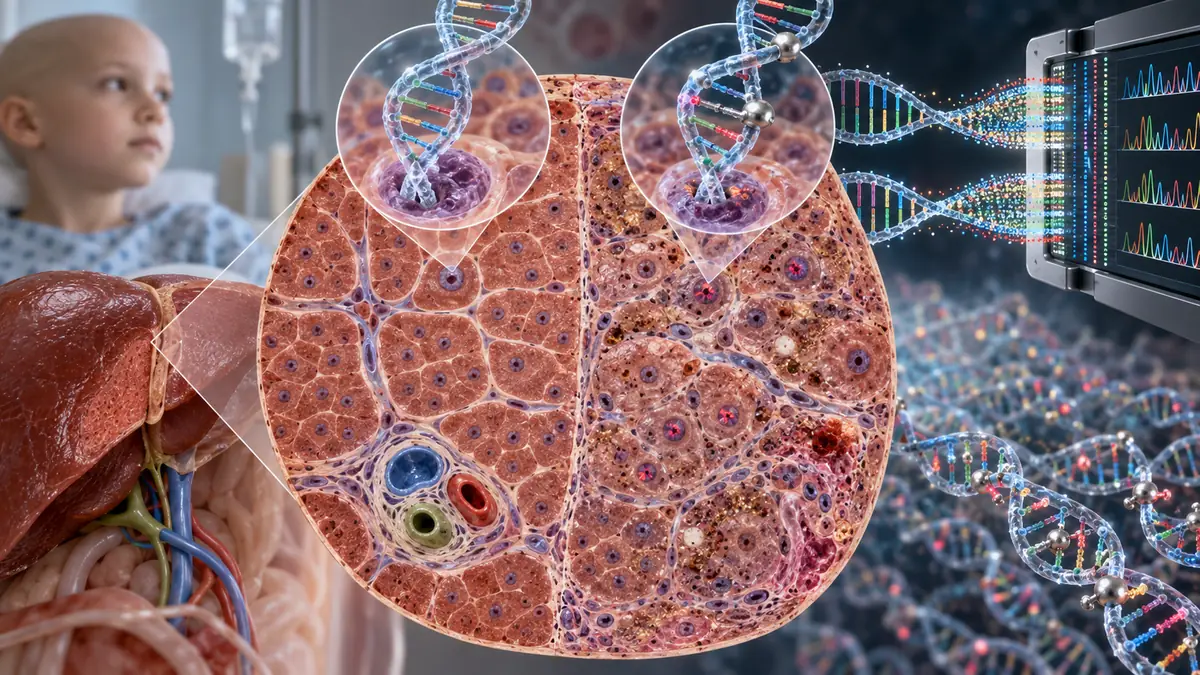
Advancing cancer detection and treatment using longitudinal routine clinical data.

Cancer management remains fragmented across its continuum, from late-stage diagnosis and salvage therapies to non-personalized surveillance. Here, we present Oncoformer, a unified multimodal transformer model trained on the China Oncology Multimodal Prediction and Surveillance Study (COMPASS) cohort (3.67 million individuals, 17.7 million clinical visits) and validated on independent external cohorts, including the UK Biobank. Oncoformer integrates longitudinal electronic health records with che

Continue reading

Health & Medicine

Quantitative calibration of a spatial QSP model identifies fibroblast impact on HCC immunotherapy.

Computational models are increasingly used to predict treatment response and optimize cancer therapeutic strategies. Quantitative systems pharmacology (QSP) models mechanistically simulate tumor progression and pharmacological interventions, enabling virtual clinical trials, model-informed drug development, and biomarker discovery, but they lack spatial resolution to represent tumor microenvironment (TME) architecture. Coupling QSP with agent-based modeling creates spatial QSP (spQSP) frameworks

Continue reading
Health & Medicine

An iPSC-derived neural progenitor cell therapy for subacute spinal cord injury: a phase 1 trial with long-term follow-up.

Spinal cord injury (SCI) causes irreversible motor and sensory deficits, and no therapy currently restores the damaged neural circuitry. Previous work has shown that transplantation of induced pluripotent stem cell (iPSC)-derived neural stem/progenitor cells (NS/PCs) restored motor function in preclinical models of subacute SCI; however, the safety of this approach in humans remains unknown. Here we report results from a first-in-human, open-label study of iPSC-NS/PC transplantation in four pati

Continue reading
Health & Medicine

A bivalent molecular glue linking lysine acetyltransferases to oncogene-induced cell death.

Developing cancer therapies that induce specific death of malignant cells is critical for preventing relapse. Highly effective strategies, such as immunotherapy, exemplify this principle. Here, we provide the mechanistic basis for a small-molecule approach that leverages chemically induced proximity (CIP) to kill diffuse large B cell lymphoma, the most common non-Hodgkin lymphoma. We developed lysine acetyltransferase (KAT)-based TCIPs (transcriptional/epigenetic chemical inducers of proximity),

Continue reading

Environment

Surface-Confinement Effect Enables Bioorthogonal Drug Release in Tumors.

A critical challenge in the bench-to-bedside translation of controlled drug release strategies is the sharp decline in reaction efficiency as biological complexity increases. A platform capable of maintaining bioorthogonal-like drug release─remaining minimally perturbed by physiological environments─would address an unmet clinical need. This is particularly relevant for radiotherapy-mediated drug release, where the oxidative activation of prodrugs is often compromised by the rapid

Continue reading
Health & Medicine

Two Mechanisms One Molecule: Developing a 'Truly' Bifunctional Degrader Targeting Rpn13 and CRBN.

Targeted protein degradation (TPD) has emerged as a powerful strategy to eliminate disease-relevant proteins, yet current approaches remain largely constrained to hijacking ubiquitin ligases. We previously introduced ByeTACs, bifunctional molecules that directly recruit proteins to the proteasome for E-ligase independent degradation. Here, we report "Truly" degraders, a new class of dual-mechanism molecules that combine a ligand for the proteasomal receptor Rpn13 with a ligand for cereblon (CRBN

Continue reading
Health & Medicine

Spatial proximity sequencing maps developmental dynamics in the germinal center.

Spatial profiling of proteins and protein interactions facilitates understanding of cell functions within tissues and is essential for studies in signaling, immunity, and cancer. We present spatial proximity sequencing (Sprox-seq) for simultaneous profiling of surface proteins, protein complexes, and mRNAs, recording the tissue location of each molecule. Sprox-seq profiled 32 proteins, 528 pairwise interactions, and thousands of mRNAs with spatial resolution across human tonsils and germinal cen

Continue reading
Health & Medicine

An anti-PMEL antibody-drug conjugate with a G q/1 1 inhibitor payload in GNAQ/GNA11-mutant melanomas: a phase 1 trial.

Metastatic uveal melanoma (mUM) is an aggressive cancer with limited treatment options; 85-90% of tumors harbor activating GNAQ and GNA11 mutations. Uveal melanoma cells also express PMEL (also known as PMEL17 or gp100), a melanocyte lineage antigen. DYP688, a novel biology-matched antibody-drug conjugate, binds surface PMEL and delivers the potent Gα q /Gα 11 (G q/11 ) inhibitor SDZ475 as payload by internalization. This dose-escalating first-in-human phase 1 study of DYP688 in pati

Continue reading
Health & Medicine

YEARS Algorithm for Diagnosis of Suspected Pulmonary Embolism in Patients With Cancer: A Randomized Clinical Trial.

Although the YEARS algorithm is a safe and efficient way to rule out acute pulmonary embolism (PE), robust evidence on its accuracy in patients with cancer is lacking, and current guidelines suggest proceeding directly to computed tomographic pulmonary angiography (CTPA). To compare the safety and efficiency of the YEARS algorithm with CTPA only to rule out acute PE in patients with active cancer. The Hydra study was an open-label, randomized, investigator-initiated, noninferiority trial with bl

Continue reading
Health & Medicine

Anti-LAG-3 with or without anti-PD-1 in recurrent glioblastoma: a phase 1 trial.

Lymphocyte activation gene 3 (LAG-3) is an immune checkpoint implicated in T cell exhaustion and a potential therapeutic target in glioblastoma (GBM). We conducted a multicenter, open-label, phase 1 study with sequential allocation to evaluate the safety and preliminary activity of the anti-LAG-3 antibody relatlimab, administered alone or with the anti-programmed cell death protein 1 (PD-1) antibody nivolumab, in patients with recurrent GBM. Forty-six patients were treated (23 per cohort). The p

Continue reading
Health & Medicine

KRAS-G12D inhibitor HRS-4642 plus chemotherapy in advanced KRAS G12D -mutant pancreatic cancer: a phase 1b/2 trial.

KRAS G12D is the predominant oncogenic driver in pancreatic ductal adenocarcinoma (PDAC). While most investigational KRAS-G12D inhibitors are oral small molecules limited by gastrointestinal toxicities and suboptimal tumor exposure, HRS-4642 is a new, high‑affinity, noncovalent KRAS-G12D inhibitor. Formulated as a liposomal nanoparticle for intravenous administration, it is designed to enhance tumor accumulation and prolong the duration of target inhibition. This phase 1b/2 study evaluate

Continue reading
Health & Medicine

Human embryonic stem cell-derived dopaminergic cells for Parkinson's disease: a phase 1/2 open-label trial.

Parkinson's disease (PD) is characterized by progressive loss of nigral dopaminergic neurons, resulting in disabling motor symptoms. Intracerebral transplantation of stem cell-derived dopaminergic progenitors to replace lost endogenous dopaminergic neurons offers a new potentially restorative therapeutic approach for PD. Here we report the 12-month primary safety end point and interim efficacy outcomes from a phase 1/2, open-label, multicenter trial evaluating STEM-PD, a cryopreserved, off-the-s

Continue reading
Health & Medicine

Global breast cancer survival estimates in 2017-2021 to advance the WHO Global Breast Cancer Initiative.

The World Health Organization (WHO) Global Breast Cancer Initiative aims to attain meaningful global breast cancer mortality reductions by 2040-a target that hinges on improvements in patient outcomes and survival. So far, however, data on cancer survival remain limited in low- and middle-income countries. The WHO estimated population-based age-standardized 5-year net survival for women diagnosed with breast cancer between 2017 and 2021 across all 194 Member States, providing a global benchmark

Continue reading