Extensive and differential platinum chemotherapy mutagenesis in livers of children.
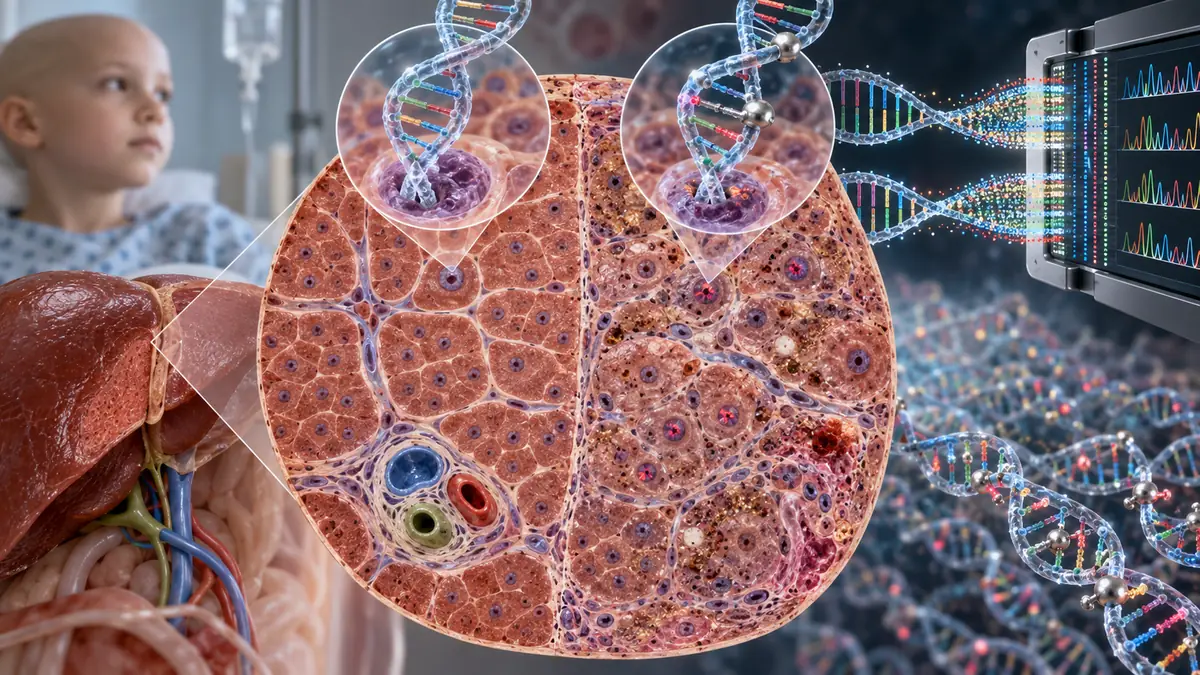
Childhood cancer survivors often experience late adverse effects that may be linked to chemotherapy mutagenesis. We studied chemotherapy mutagenesis in normal pediatric tissues using duplex sequencing (NanoSeq) to enable the detection of mutations from single DNA molecules. We found that platinum chemotherapeutics increased the mutation burdens of normal pediatric tissues to levels seen in adults. In the liver, platinum agents imparted a tissue-specific mutational signature that was absent from
Childhood cancer survivors often experience late adverse effects that may be linked to chemotherapy mutagenesis. We studied chemotherapy mutagenesis in normal pediatric tissues using duplex sequencing (NanoSeq) to enable the detection of mutations from single DNA molecules. We found that platinum chemotherapeutics increased the mutation burdens of normal pediatric tissues to levels seen in adults. In the liver, platinum agents imparted a tissue-specific mutational signature that was absent from other tissues. Gene-focused duplex sequencing revealed that chemotherapy mutagenesis generates a great diversity of nonsynonymous variants, some of which may have functional potential, such as leukemogenic variants in blood. Our findings demonstrate extensive chemotherapy mutagenesis in normal tissues of children, which may provide a plausible link between chemotherapy exposure and adverse effects in later life.