Tumor-derived antioxidants suppress immunity by depriving T cells of reactive oxygen species
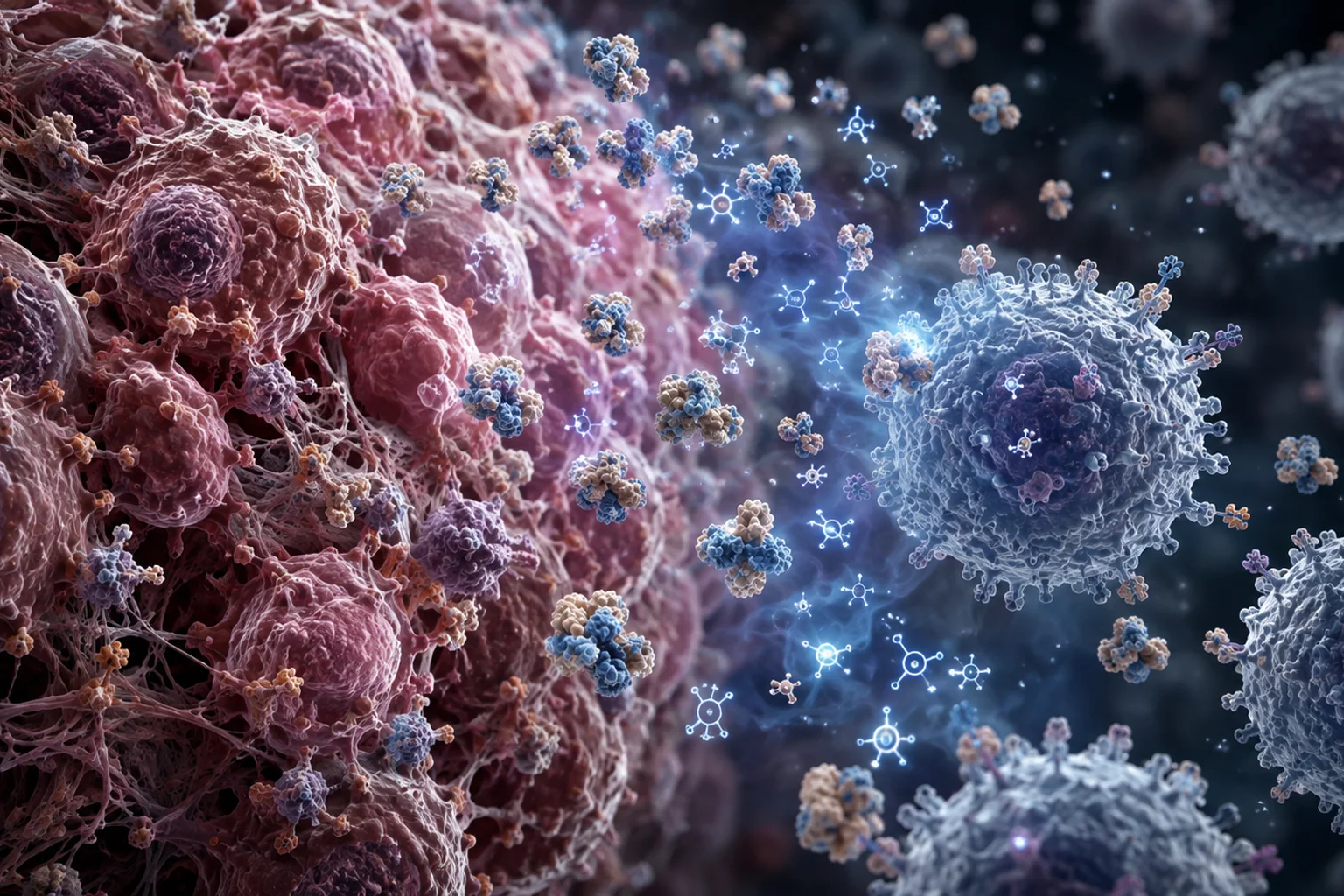
Reactive oxygen species (ROS) promote genomic instability and fuel oncogenic signaling in cancer, but antioxidant therapies have so far failed to improve, or worsen, cancer outcomes. Emerging data suggest that T cells depend on ROS for signal transduction. In this study, we show that tumors exploit this dependency, releasing antioxidant enzymes into the tumor environment to suppress T cell–mediated antitumor immunity. The interstitial fluid of tumors possesses potent antioxidant activity, associ
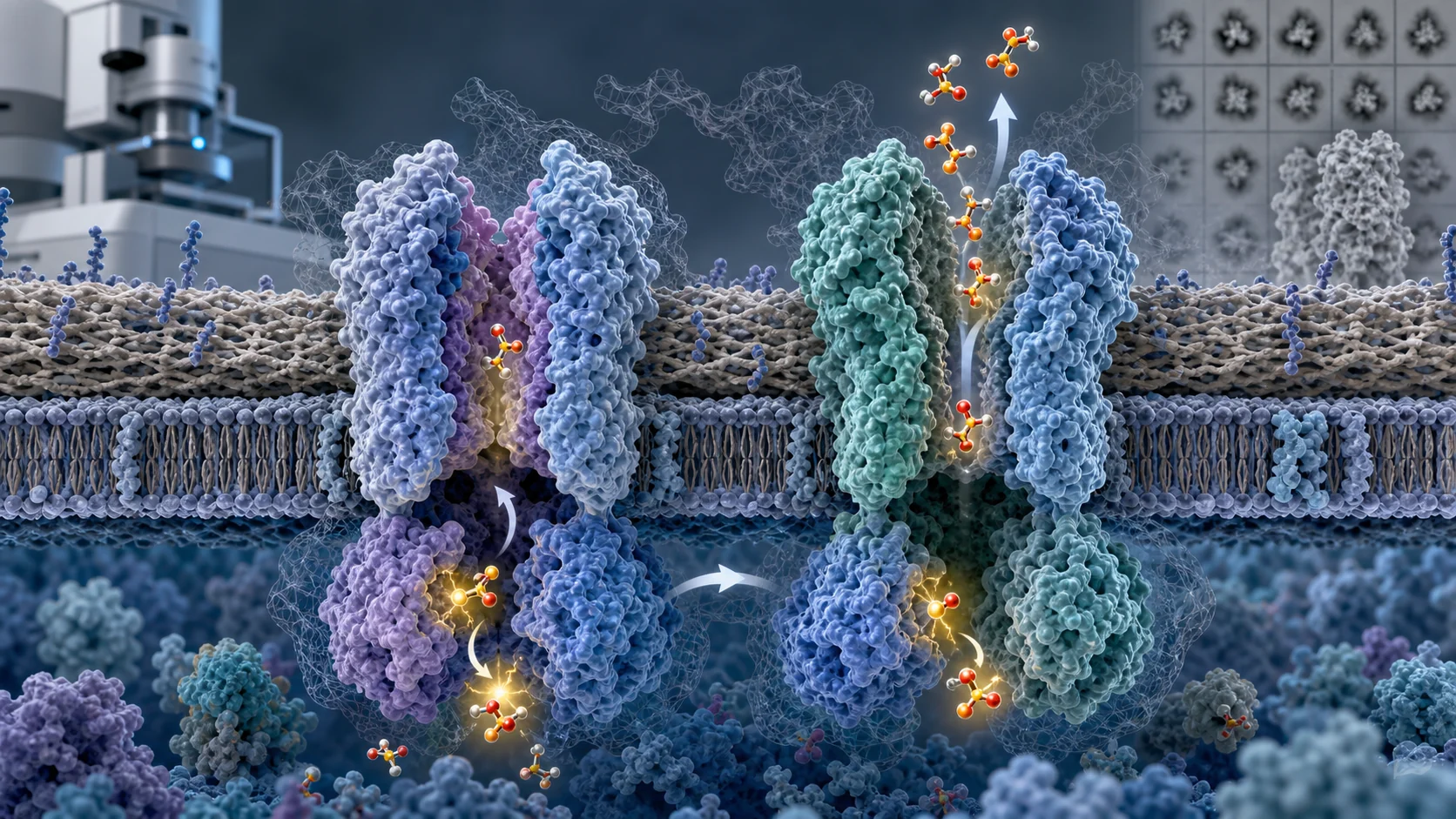
Reactive oxygen species (ROS) promote genomic instability and fuel oncogenic signaling in cancer, but antioxidant therapies have so far failed to improve, or worsen, cancer outcomes. Emerging data suggest that T cells depend on ROS for signal transduction. In this study, we show that tumors exploit this dependency, releasing antioxidant enzymes into the tumor environment to suppress T cell–mediated antitumor immunity. The interstitial fluid of tumors possesses potent antioxidant activity, associated with enrichment of the antioxidant enzyme peroxiredoxin 1 (PRDX1). Extracellular PRDX1 deprives T cells of ROS, preventing oxidative inactivation of phosphatases required for T cell receptor–driven kinase signaling and effector function. Prdx1 is up-regulated upon cancer immunoediting, and loss of PRDX1 within tumors enhances antitumor immunity and immunotherapy responses. These findings define a redox-dependent mechanism of tumor immunosuppression that is potentially amenable to therapeutic intervention.