Health & Medicine

Positive selection screen identifies natural product β-catenin inactivators.

| Source: Proceedings of the National Academy of Sciences of the United States of America

Many genetically validated targets in cancer, including the transcription factor β-catenin (β-cat), have historically been viewed as undruggable. Cell-based phenotypic screening of chemical compounds can reveal unanticipated biological and pharmacological principles. Natural products are powerful probes because of their superior structural diversity, drug-like properties, and biological activities as compared to unoptimized synthetic compounds. We screened 326,304 natural product mix

Many genetically validated targets in cancer, including the transcription factor β-catenin (β-cat), have historically been viewed as undruggable. Cell-based phenotypic screening of chemical compounds can reveal unanticipated biological and pharmacological principles. Natural products are powerful probes because of their superior structural diversity, drug-like properties, and biological activities as compared to unoptimized synthetic compounds. We screened 326,304 natural product mixtures (40,744 extracts and 285,560 fractions derived from them) using mammalian cells expressing an oncogenic version of β-cat fused to a suicide protein. Multiple fractions degraded the β-cat fusion protein or drove it into a compartment where both fusion partners were apparently inactive. The active natural product from one of the latter specifically activates novel, but not classical, protein kinase Cs and thereby relocates β-cat to juxtamembrane vacuolar structures. These findings suggest a path for inactivating oncogenic β-cat and underscore the power of screening natural product collections with robust phenotypic assays.
Read the original source →

Related Topics

Related Stories

Health & Medicine

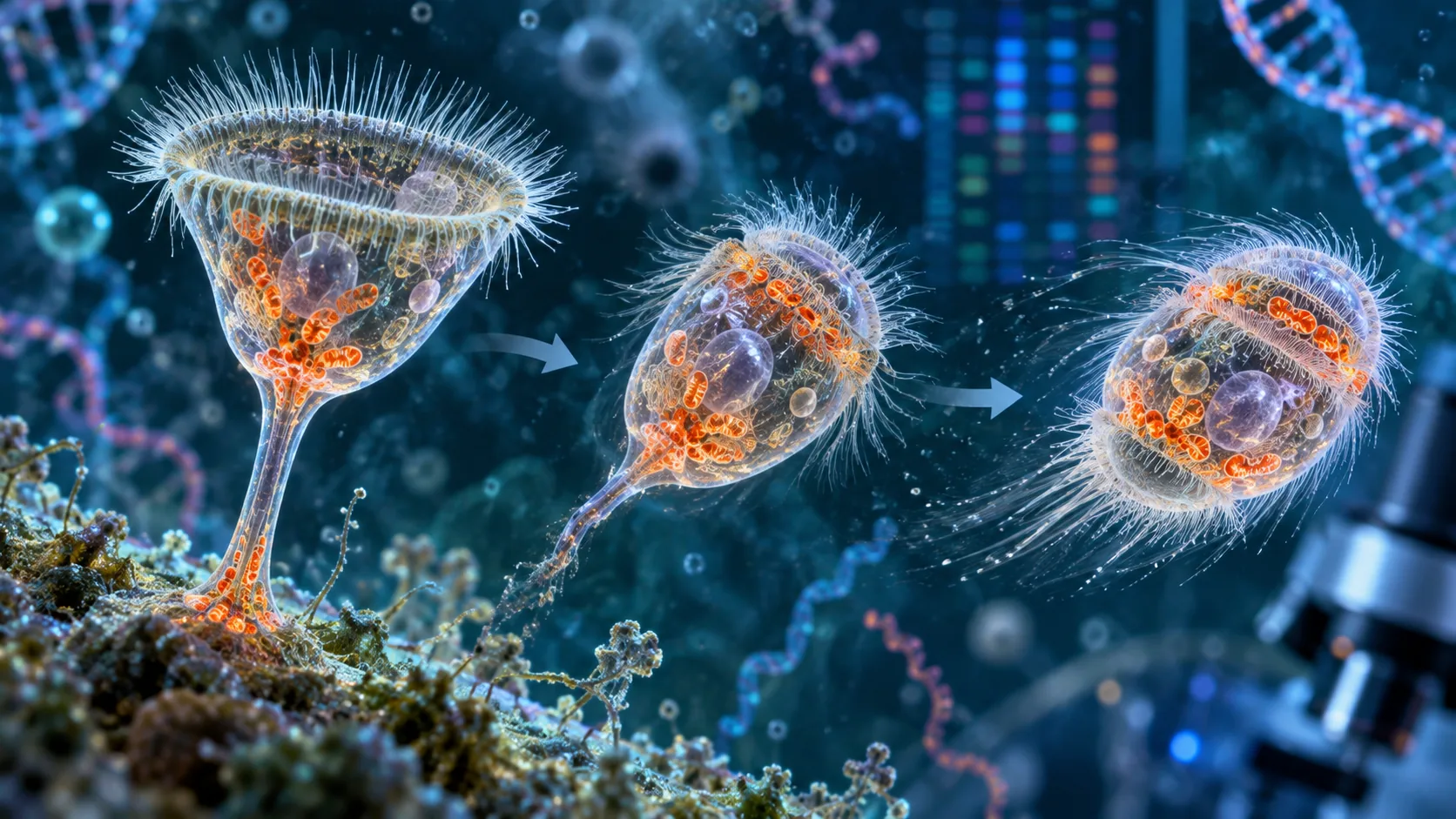
Cellular remodeling during reversible life-stage transition in sessile ciliates: Genomic and transcriptomic insights.

Unraveling mechanisms driving dramatic life-stage transitions in response to environmental stress is central to understanding cellular adaptation. We studied a distinctive group of sessile ciliates that undergo profound morphological and organellar remodeling when transitioning from sessile trophonts to motile telotrochs. We generated chromosome-level genomes for two colonial species ( Campanella sinica , Epistylis hentscheli ) and one solitary species ( Vorticella campanula ), revealing genome

Continue reading
Health & Medicine

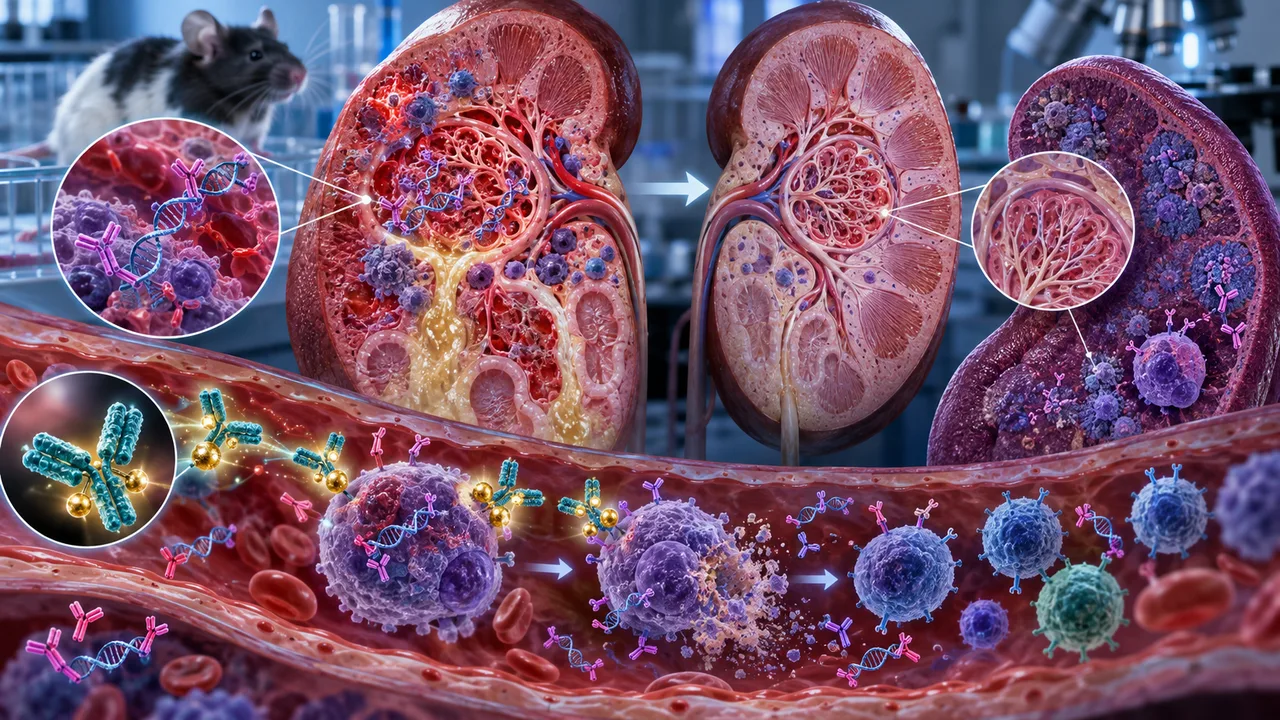
Selective ablation of dsDNA-specific plasma cells improves lupus nephritis in NZB/W mice.

Antibodies specific for double-stranded DNA (dsDNA) are thought to play a crucial role in the pathogenesis of lupus nephritis. Plasma cells have emerged as a promising therapeutic target in antibody-mediated diseases. Here, we show that dsDNA oligonucleotides longer than 80 bp and irrespective of their sequence, react with more than 80% of murine and human dsDNA antibodies. With a conjugate of a modified antibody to mouse CD138 and 100 bp dsDNA oligonucleotides, we demonstrate the selective depl

Continue reading
Health & Medicine

The genomic origins of cyanobacterial morphological diversity.

Cyanobacteria are the only prokaryotes to have evolved oxygenic photosynthesis, transforming the geochemistry and biology of the planet. They exhibit remarkable morphological diversity and represent one of the earliest known multicellular organisms, including filamentous growth and cellular differentiation. However, the genomic mechanisms underlying their repeated transitions between unicellularity and multicellularity remain unresolved. Here, we implement phylogenomic and Bayesian molecular clo

Continue reading
Health & Medicine

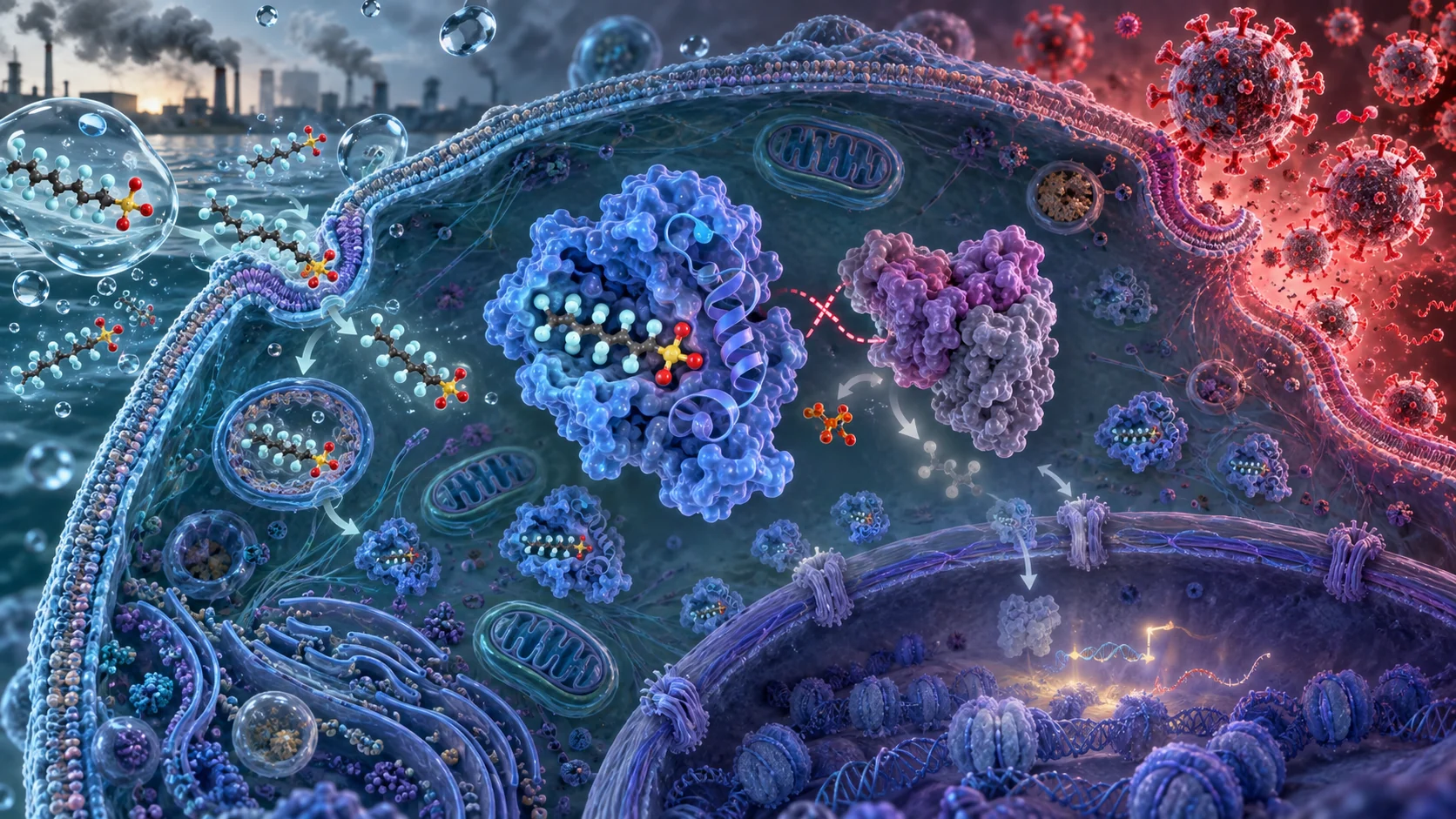
Perfluorooctane sulfonate directly interacts with IRF3 to attenuate antiviral innate immunity.

Perfluorooctane sulfonate (PFOS), a prominent per- and polyfluoroalkyl substance (PFAS), has raised significant public health concerns due to its widespread use, environmental persistence, and bioaccumulation potential. Both epidemiological and experimental studies demonstrate that PFOS exposure causes immunotoxicity and disrupts both innate and adaptive immunity. However, the specific effects of PFOS on innate antiviral immunity remain poorly understood. Here, by integrating multi-omics analysi

Continue reading
Health & Medicine

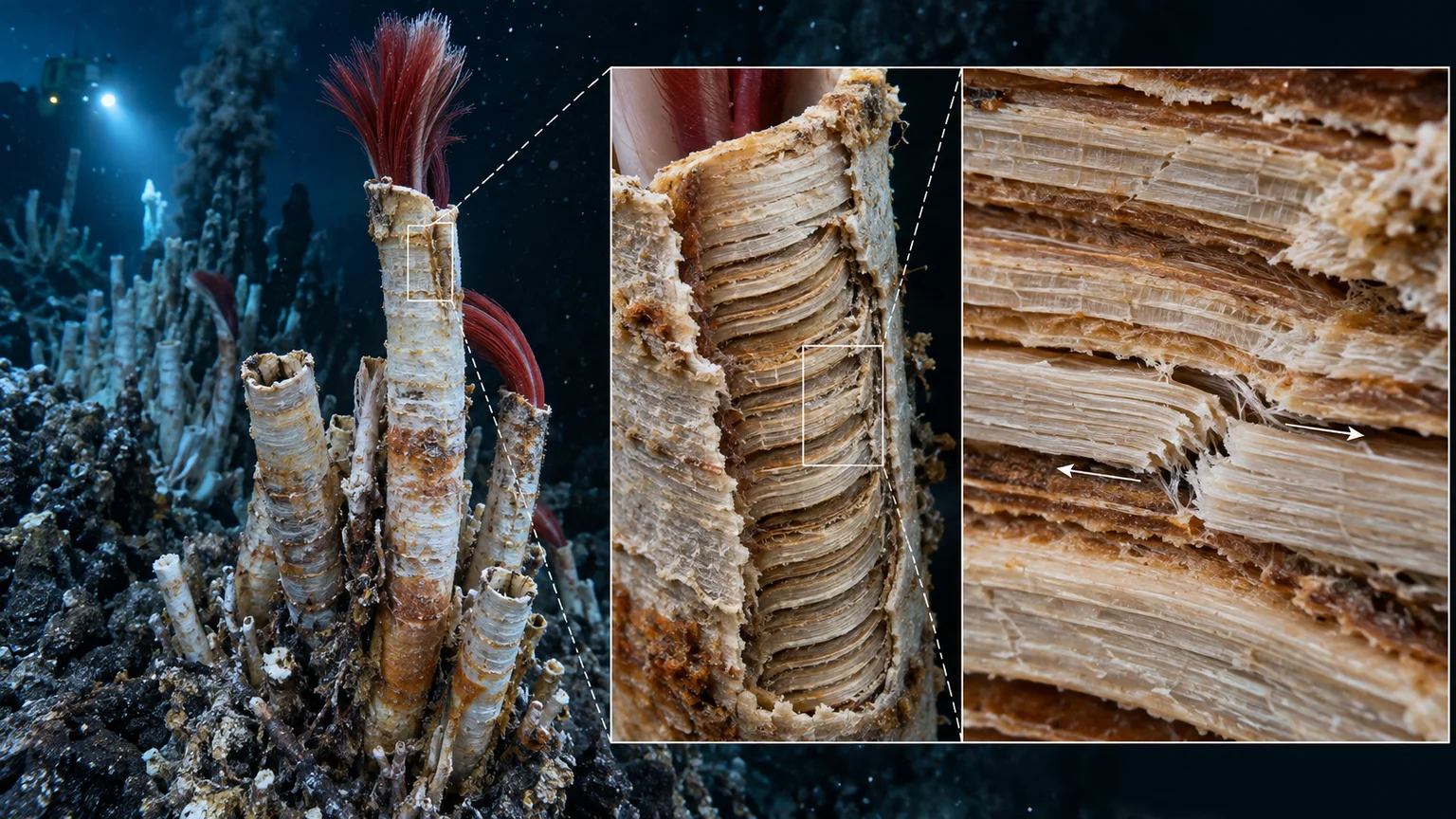
Sliding-before-breaking governs deformation in chitinous extracellular matrices reinforced by strong, fatigue-resistant chitin.

Many fibrous biological materials combine high strength with the ability to undergo permanent shape change, a balance that remains difficult to replicate synthetically. In twisted, plywood-like architectures, the origin of irreversible deformation remains unresolved: does strain arise from covalent bond scission or from coordinated interfacial processes across hierarchical scales? Here, we use the chitin-based protective tubes of vestimentiferan deep-sea tubeworms ( Siboglinidae: Vestimentifera

Continue reading