Health & Medicine

Urine cell-free RNA for bladder cancer detection and treatment response prediction.

| Source: Nature medicine

Urine biomarkers promise to improve noninvasive detection and molecular characterization of genitourinary malignancies. Here we describe urine random priming and affinity capture of cell-free RNA (cfRNA) fragments for enrichment analysis by sequencing (uRARE-seq), a liquid biopsy method for urine cfRNA profiling, and apply it to 683 urine samples from patients with cancer and controls. Urine cfRNA contained transcripts from genitourinary tissues and, in patients with prostate, kidney or bladder

Urine biomarkers promise to improve noninvasive detection and molecular characterization of genitourinary malignancies. Here we describe urine random priming and affinity capture of cell-free RNA (cfRNA) fragments for enrichment analysis by sequencing (uRARE-seq), a liquid biopsy method for urine cfRNA profiling, and apply it to 683 urine samples from patients with cancer and controls. Urine cfRNA contained transcripts from genitourinary tissues and, in patients with prostate, kidney or bladder cancer, tumor-derived transcripts. uRARE-seq demonstrated 95% sensitivity at 90% specificity for detecting localized bladder cancer. The method outperformed urine tumor DNA analysis and was unaffected by the presence of field-effect mutations. Urine cfRNA analysis also sensitively detected minimal residual disease and distinguished complete molecular responses after surgery from those after intravesical Bacillus Calmette-Guérin (BCG). Pretreatment urine from complete responders to BCG was enriched for T cell and other immune signatures, suggesting a preexisting antitumor immune response, whereas nonresponders showed higher expression of proliferation-related genes. In pretreatment urine from 114 patients, this biological difference enabled development of a biomarker predicting likelihood of response to BCG versus chemotherapy (area under the curve 0.93) that was strongly associated with risk of recurrence. Urine cfRNA analysis is therefore a promising biomarker approach for bladder cancer and potentially other urologic malignancies, although prospective studies are needed to assess its clinical utility.
Read the original source →

Related Topics

Related Stories

Health & Medicine

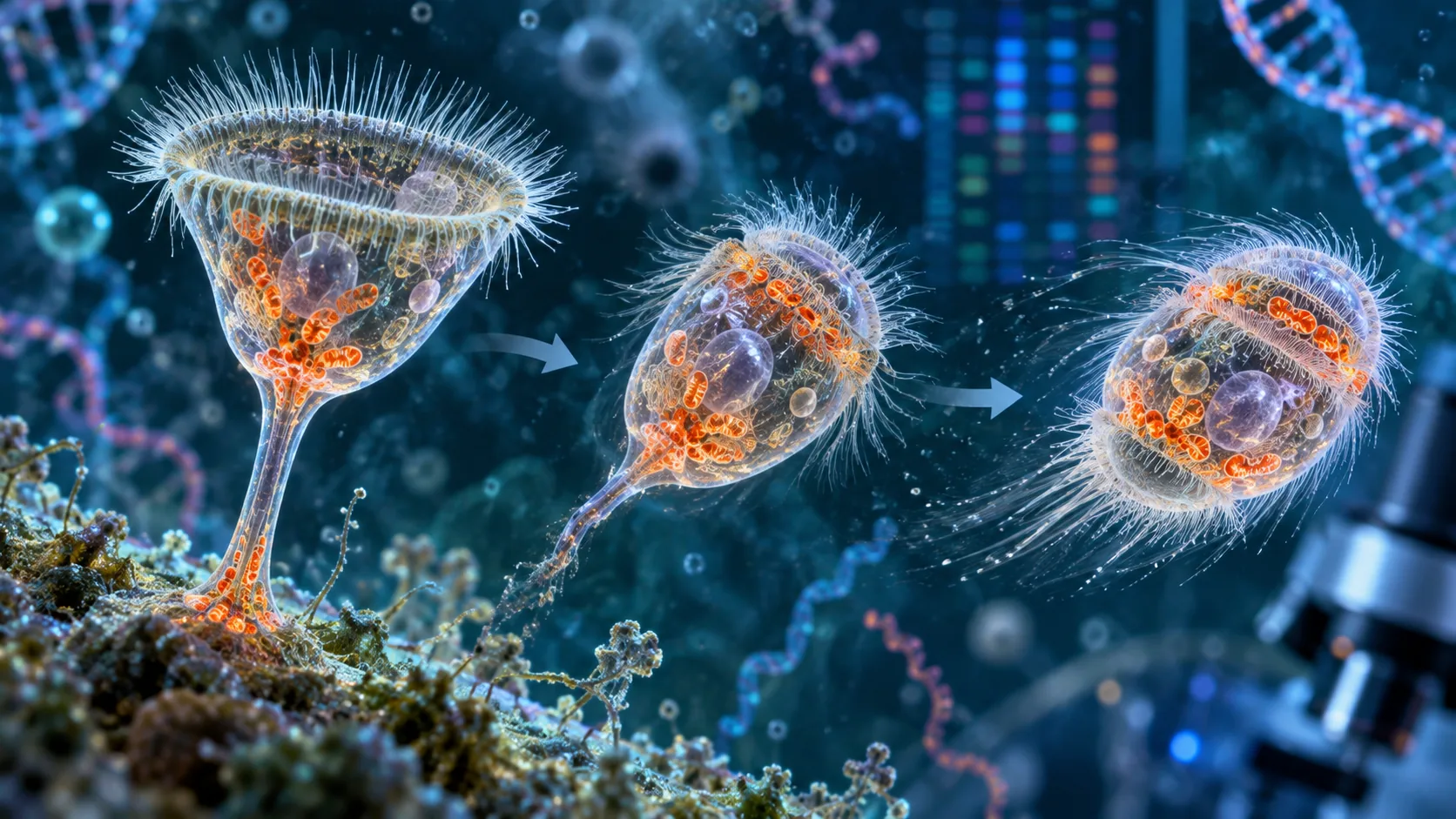
Cellular remodeling during reversible life-stage transition in sessile ciliates: Genomic and transcriptomic insights.

Unraveling mechanisms driving dramatic life-stage transitions in response to environmental stress is central to understanding cellular adaptation. We studied a distinctive group of sessile ciliates that undergo profound morphological and organellar remodeling when transitioning from sessile trophonts to motile telotrochs. We generated chromosome-level genomes for two colonial species ( Campanella sinica , Epistylis hentscheli ) and one solitary species ( Vorticella campanula ), revealing genome

Continue reading
Health & Medicine

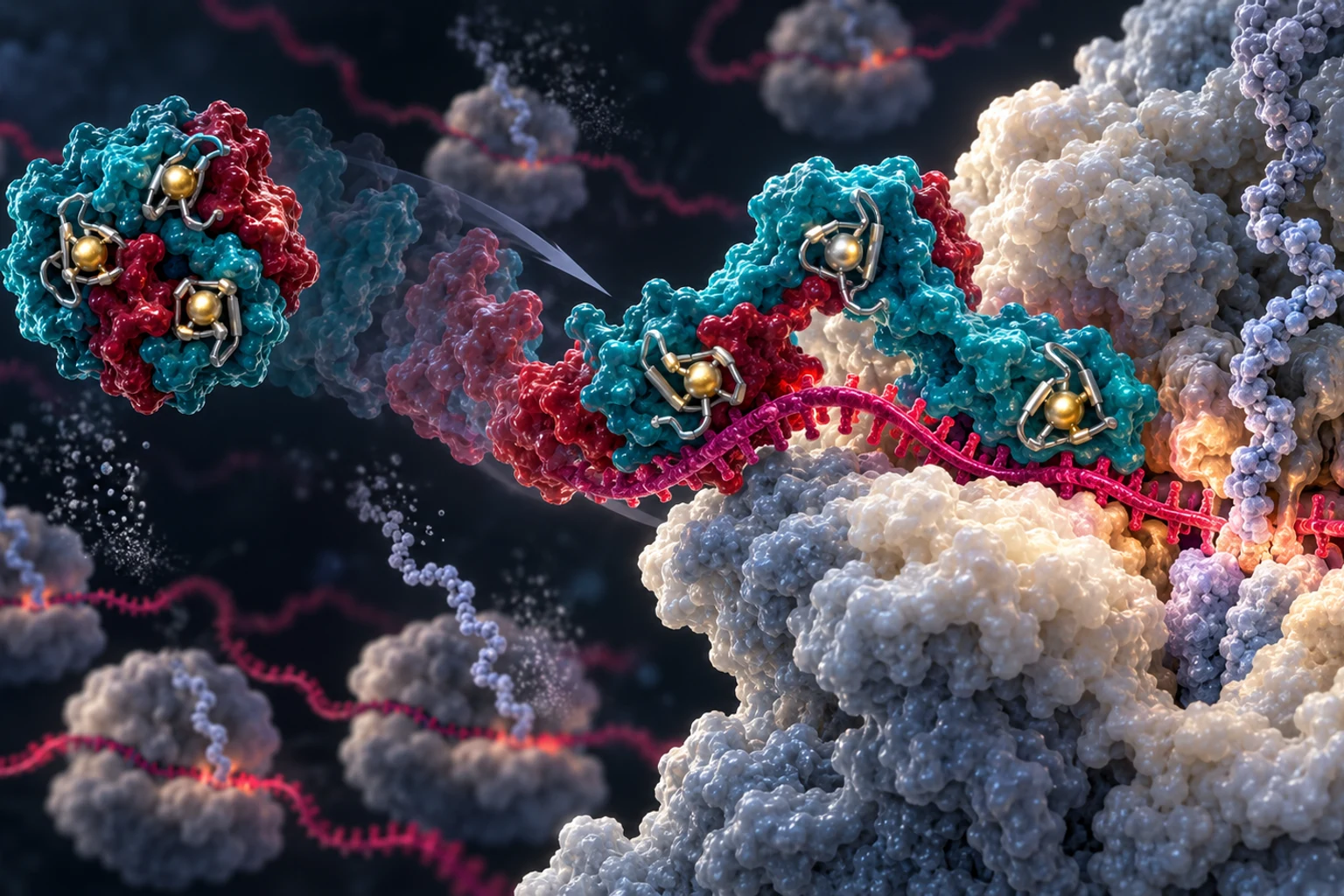
Zinc mediates the allosteric activation of Shiftless to suppress programmed -1 ribosomal frameshifting.

Many medically important viruses, including HIV-1 and severe acute respiratory syndrome coronavirus 2, utilize programmed -1 ribosomal frameshifting (-1 PRF) to synthesize certain proteins essential for the viral life cycle. Shiftless (SHFL) is an interferon-simulated, zinc finger-containing protein that restricts -1 PRF and viral infection. However, its regulatory spectrum and mechanism remain largely unclear. Here, we showed that SHFL orthologs potently suppress a wide variety of viral and cel

Continue reading
Health & Medicine

Tandem RNA-binding domain architecture drives PKR activation through an intramolecular interface.

Tandem repeats of RNA-binding domains (RBDs), often linked by intrinsically disordered sequences, are prevalent among RNA-binding proteins (RBPs). The inherent flexibility of these arrangements, however, raises the question of whether such domains can adopt defined configurations critical for function. Here, we reveal that in Protein Kinase R (PKR)-an RBP that triggers the innate immune response upon sensing double-stranded RNAs (dsRNAs)-its two dsRNA-binding domains (dsRBDs) assemble into a uni

Continue reading
Health & Medicine

Targeted extracellular degradation of LRP8 promotes ferroptosis in cancer cells.

Tumor reliance on antioxidant defenses creates a vulnerability to ferroptosis, yet strategies to therapeutically disable these systems remain limited. Here, we identify targeted degradation of the selenium uptake receptor lipoprotein receptor-related protein 8 (LRP8) as an effective approach to decrease the abundance of the ferroptosis-protective enzyme glutathione peroxidase 4 (GPX4). Using bispecific cytokine receptor-targeting chimeras (KineTACs) that couple LRP8 to cytokine receptor internal

Continue reading
Health & Medicine

LAT condensation gates PLCγ1 activation via bimodal LAT phosphorylation.

T cells can respond to even a single molecular binding event of antigen to a TCR. A key step in the TCR signaling pathway that definitively exhibits this single-molecule response is the initiation of calcium influx by activation of PLCγ1 in the LAT protein condensate. Here, we describe detailed kinetic measurements examining how protein condensation of LAT regulates activation of PLCγ1 using a reconstituted membrane system. The results reveal that membrane recruitment of PLCγ1

Continue reading