Health & Medicine

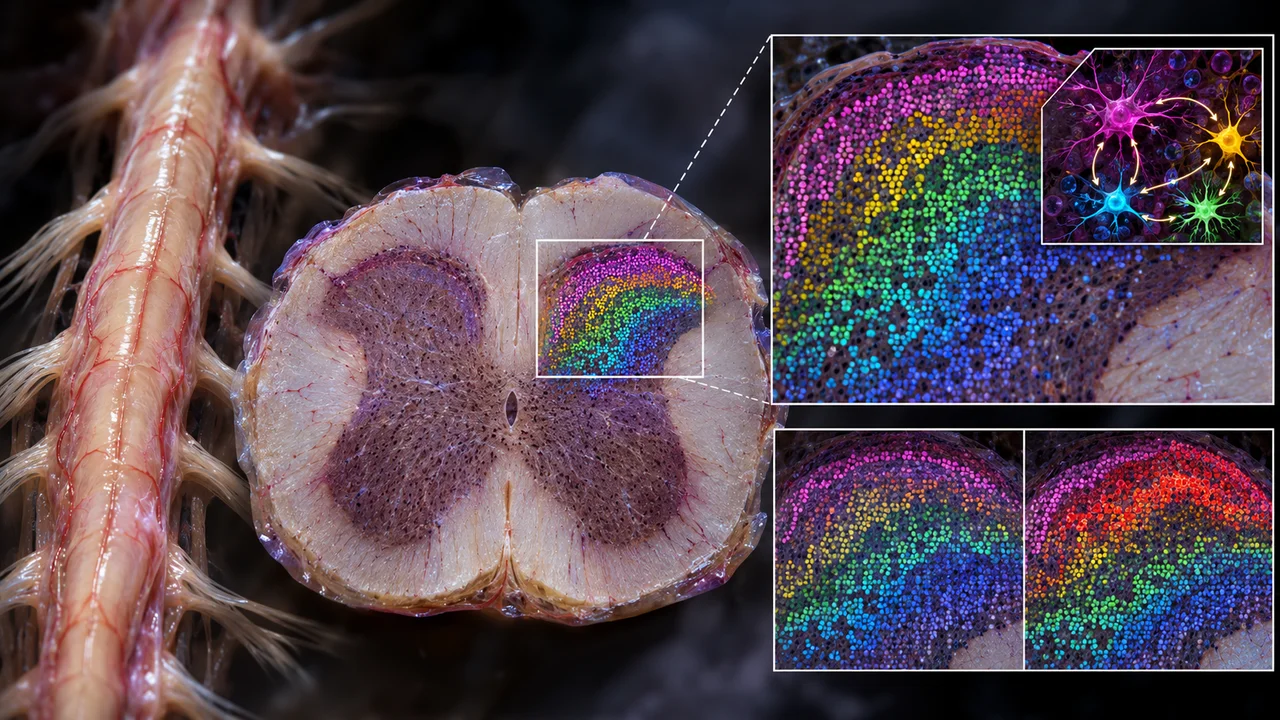
Spatial transcriptomics reveals organizational properties of the mouse spinal cord and alterations in neuropathic pain.
| Source: Proceedings of the National Academy of Sciences of the United States of America

The spinal cord integrates diverse somatosensory inputs and executes motor outputs through anatomically and functionally distinct circuits. Here, we employed spatially resolved single-cell transcriptomic profiling of the adult mouse spinal cord to gain insights into the organizational logic of the spinal cord. Our results reveal distinct spatial and laminar distributions of neuronal subtypes, including axial level and sex-specific differences. Many neuronal subtypes exhibit lamina-specific somat

The spinal cord integrates diverse somatosensory inputs and executes motor outputs through anatomically and functionally distinct circuits. Here, we employed spatially resolved single-cell transcriptomic profiling of the adult mouse spinal cord to gain insights into the organizational logic of the spinal cord. Our results reveal distinct spatial and laminar distributions of neuronal subtypes, including axial level and sex-specific differences. Many neuronal subtypes exhibit lamina-specific somatic proximities, suggesting potential regionally specific connectivity. Additionally, neuronal subtypes within the dorsal horn exhibit a wide range of predicted cell-cell communication motifs, as assessed by the spatial distribution of neuropeptide- and other ligand-receptor pairs. Finally, we identified several neuronal subtypes with altered transcriptomic states and predicted cell-cell communications in a model of neuropathic pain. This spatially resolved cellular and molecular map of the spinal cord will facilitate the decoding of circuit mechanisms underlying somatosensory and motor functions in health and disease.
Read the original source →

Related Stories

Health & Medicine

Homeostatic control of stem cell activity during intestinal regeneration.

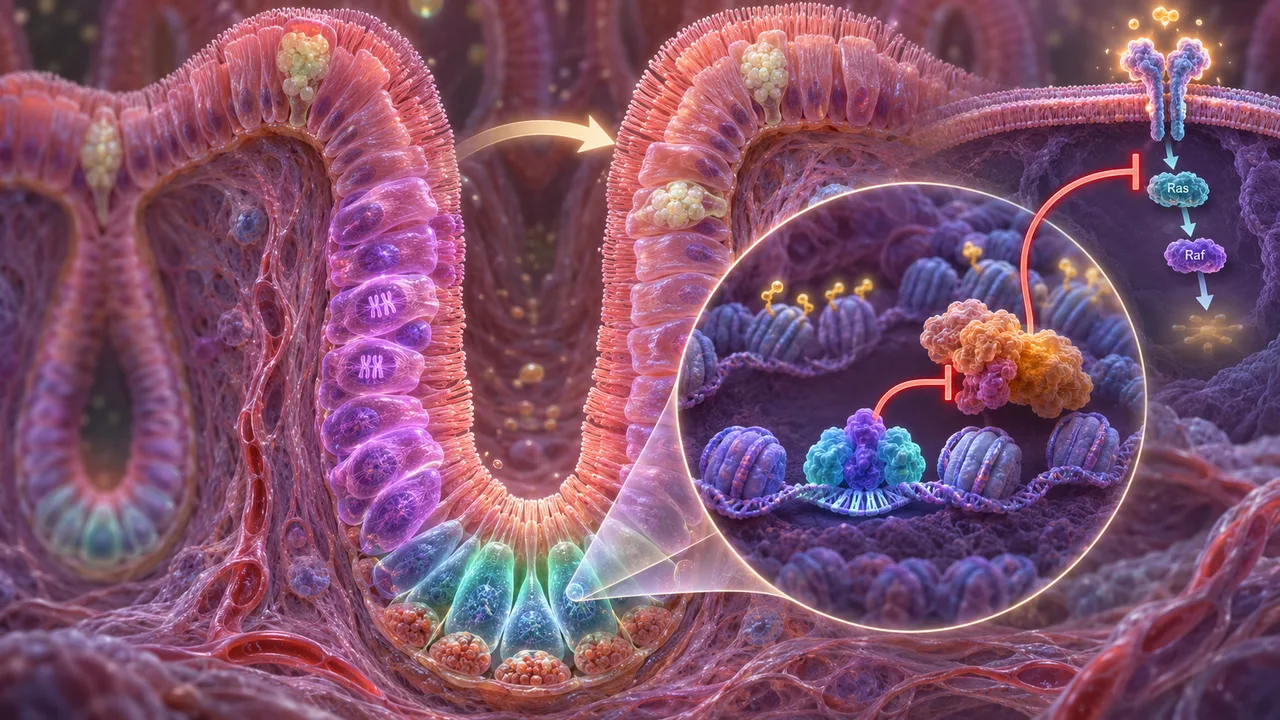
Stem cells proliferate rapidly to maintain tissue turnover during regeneration, yet the mechanisms preventing hyperproliferation remain unclear. Here, we identified nuclear factor Y (NF-Y) as a transcriptional repressor that maintains intestinal stem cell (ISC) quiescence. NF-Y restricts ISC proliferation by occupying the promoters of epidermal growth factor receptor (EGFR) signaling components, including Egfr , Mkp3 , Raf , Ras , and pnt , through regulation dependent on the histone acetyltrans

Continue reading
Health & Medicine

Acute degradation of Pumilio proteins reveals a biphasic posttranscriptional regulatory hierarchy in embryonic stem cell fate decision.

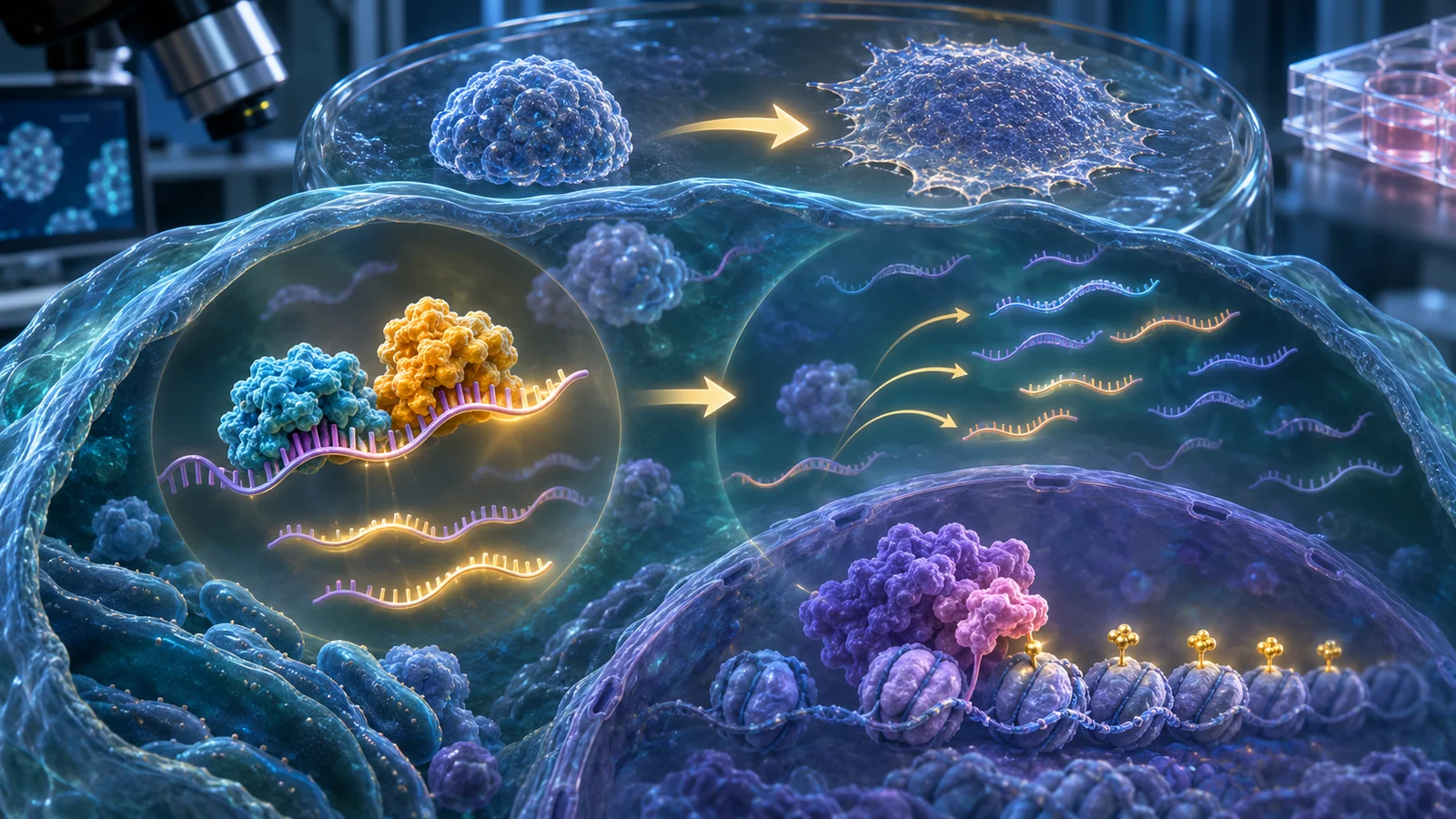
Posttranscriptional regulation is critical for mammalian embryogenesis yet has been underexplored. We previously showed that RNA-binding Pumilio proteins (Pum1/2) are essential for early mouse embryogenesis and embryonic stem cell (ESC) functions. Here, using acute protein degradation systems combined with time-resolved RNA sequencing and enhanced crosslinking and immunoprecipitation, we delineate a two-phase regulatory hierarchy modulated by Pum1/2 in mouse ESCs. The first phase, occurring with

Continue reading
Health & Medicine

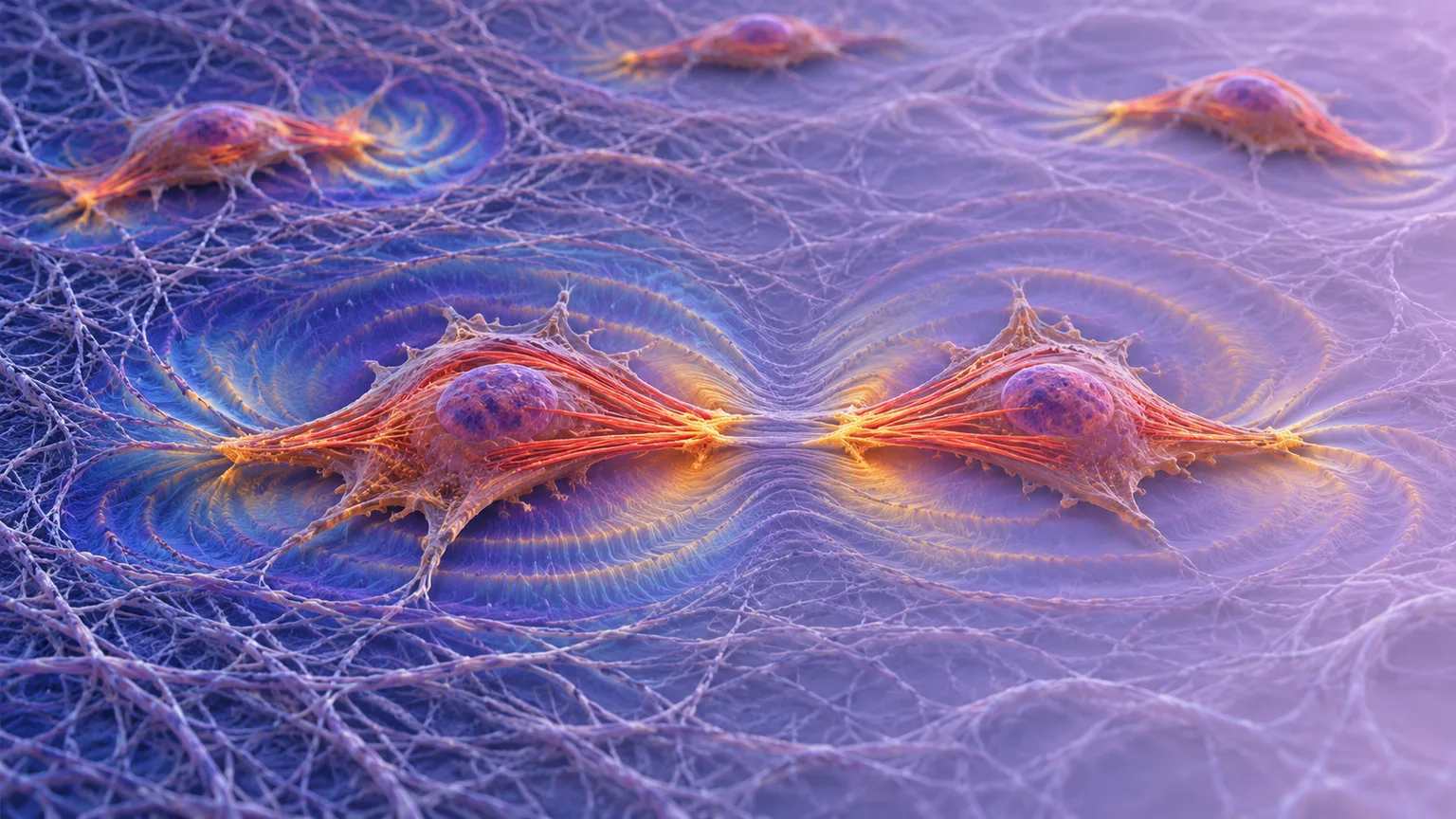
Elastic interactions of mechanically polarizable cells.

Cells mechanically interact through the deformations they generate in their surrounding extracellular matrix. We present an analytical theory of the elastic interactions between cells that actively adapt their forces in response to local deformations of their environment. Cells are represented as localized contractile force generators, modeled as polarizable point force dipoles, whose adaptive forces are determined self-consistently with those of surrounding cells. Analysis of the associated ela

Continue reading
Health & Medicine

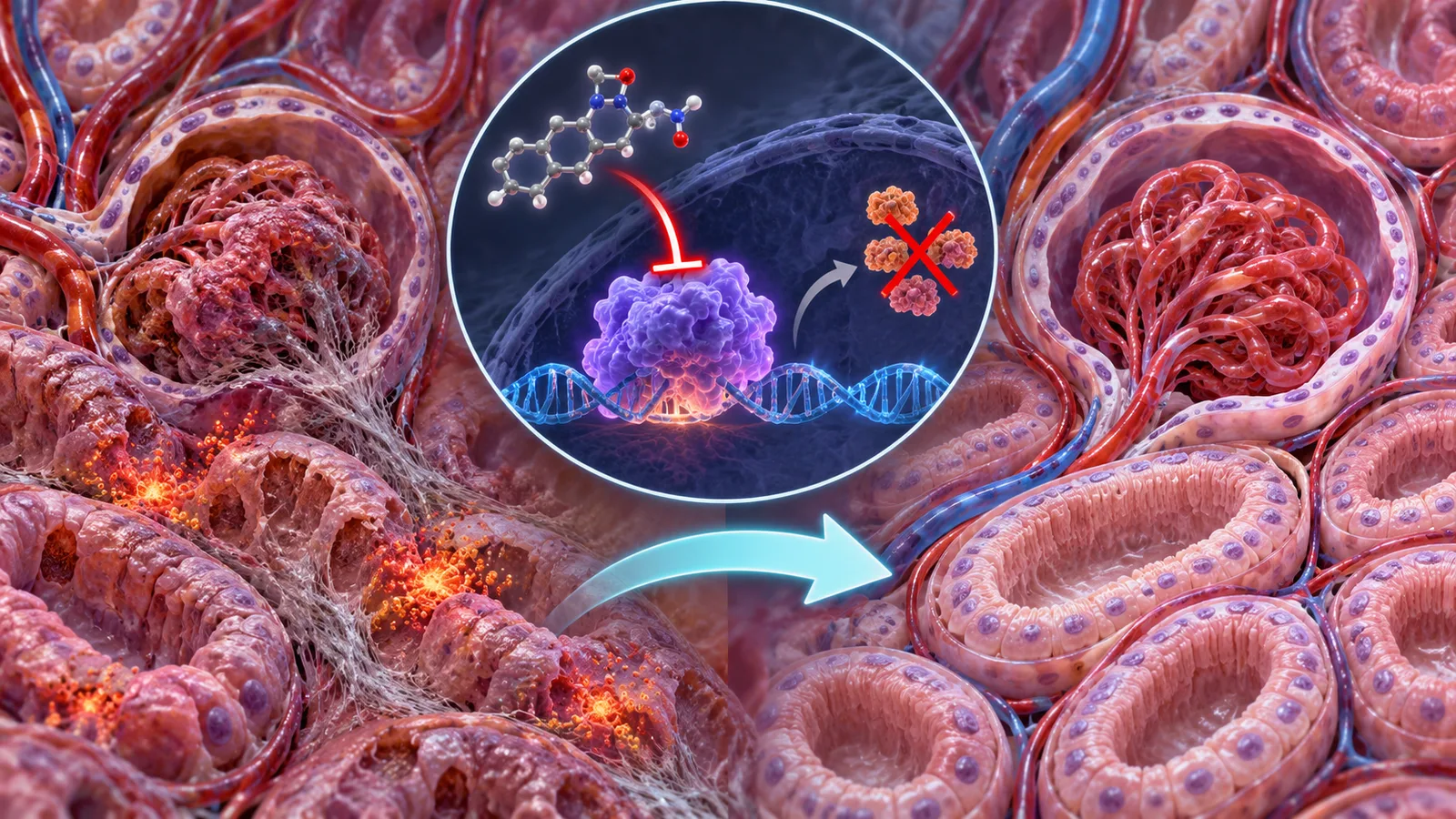
ChREBP drives diabetic kidney disease, and its inhibition confers renal protection.

Chronic kidney disease (CKD) represents a major medical burden. Diabetic kidney disease (DKD) is a leading cause of CKD, but intracellular pathways that can be pharmacologically targeted are poorly defined. Using transcriptome screening of DKD model mice we found that a carbohydrate-responsive element-binding protein (ChREBP)-dependent transcriptional cascade is markedly up-regulated in diabetic kidneys. Genetic ablation of ChREBP in diabetic mice ameliorated DKD, establishing ChREBP as a potent

Continue reading
Health & Medicine

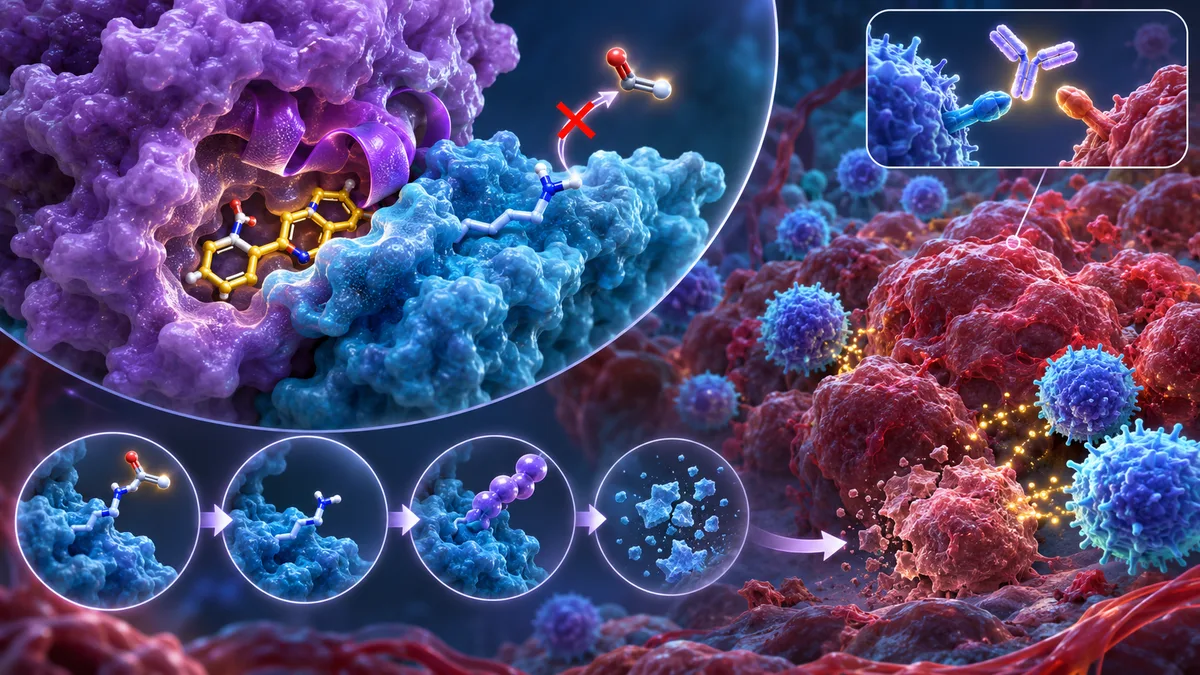
Selectively disrupting lysine acetyltransferase p300 and ZEB1 interaction prevents tumor progression while enhancing antitumor immunity.

Both p300 acetyltransferase inhibitors and bromodomain inhibitors show therapeutic promise in cancer, but they mostly exhibit limited efficacy and may elicit severe adverse effects due to their lack of targeting selectivity. Thus, selectively disrupting p300 interactions with specific pro-oncogenic targets that are specifically expressed in neoplastic cells could serve as a safe and effective strategy for cancer treatment. Here, we demonstrate that p300 interacts with the pro-oncogenic transcrip

Continue reading