Health & Medicine

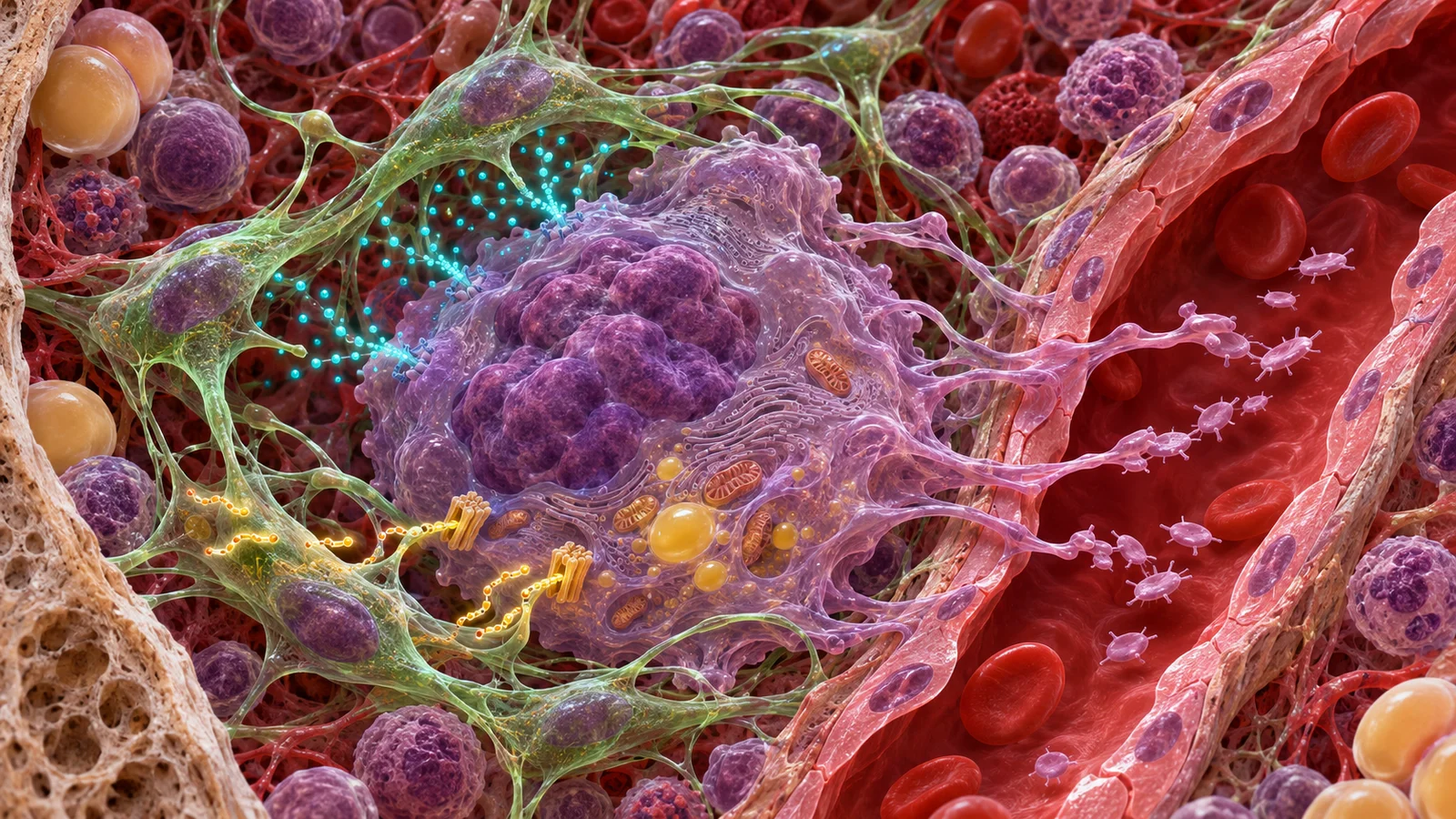
Leptin Receptor + cells create a perisinusoidal niche for thrombopoiesis in the bone marrow by synthesizing CXCL14.
| Source: Proceedings of the National Academy of Sciences of the United States of America

Leptin Receptor-expressing (LepR + ) stromal cells in the bone marrow are a critical source of growth factors for the maintenance of hematopoietic stem cells (HSCs) and most restricted hematopoietic progenitors. An important unresolved question is whether they also regulate terminal differentiation in some hematopoietic cells. We found that bone marrow LepR + cells promote thrombopoiesis by synthesizing the chemokine CXCL14. Cxcl14 -expressing LepR + cells extend fine processes that wrap around

Leptin Receptor-expressing (LepR + ) stromal cells in the bone marrow are a critical source of growth factors for the maintenance of hematopoietic stem cells (HSCs) and most restricted hematopoietic progenitors. An important unresolved question is whether they also regulate terminal differentiation in some hematopoietic cells. We found that bone marrow LepR + cells promote thrombopoiesis by synthesizing the chemokine CXCL14. Cxcl14 -expressing LepR + cells extend fine processes that wrap around perisinusoidal megakaryocytes. Deletion of Cxcl14 from LepR + cells did not significantly alter HSC function or most aspects of bone marrow hematopoiesis, including megakaryocyte generation; however, it significantly reduced the numbers of proplatelet-forming megakaryocytes in the bone marrow and platelets in the blood, as well as platelet quality. Megakaryocytes from Lepr-cre; Cxcl14 fl/fl mice expressed lower levels of genes that encode granule proteins as compared to control mice, leading to the release of platelets with fewer α-granules and defective thrombus formation/growth. CXCL14 promoted platelet formation by remodeling lipid metabolism in megakaryocytes, increasing fatty acid transporter expression and enabling megakaryocytes to take up more polyunsaturated fatty acids from circulation. A high fat diet rescued the formation of proplatelet-forming megakaryocytes and platelets, as well as platelet function, in Lepr-cre; Cxcl14 fl/fl mice. CXCL14 protein was sufficient to promote platelet formation by megakaryocytes in vitro and in vivo. LepR + cells thus create a perisinusoidal niche for thrombopoiesis by producing CXCL14, which regulates lipid metabolism and terminal differentiation in megakaryocytes.
Read the original source →

Related Stories

Health & Medicine

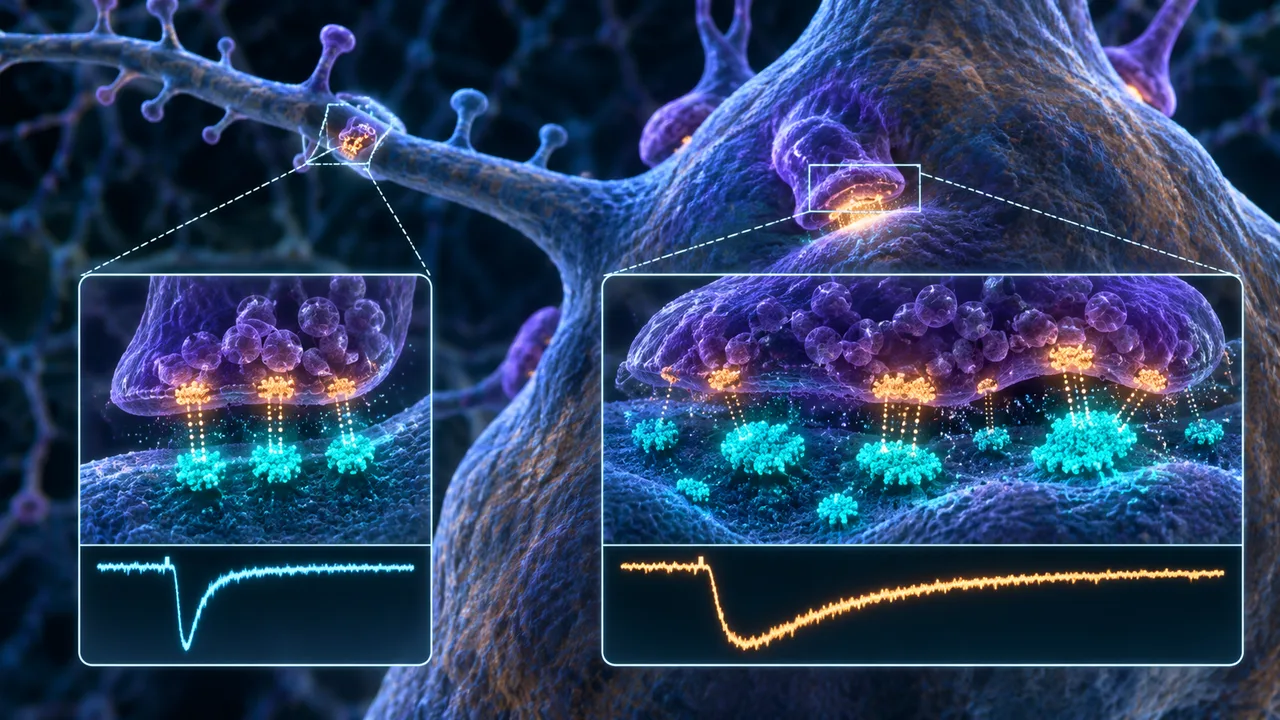
Distinct nanoscale architectures of GABAergic inhibitory synapses predict diverse synaptic output.

GABAergic synaptic inhibition is heterogenous across neuronal compartments, and plays a critical role in shaping local, cellular, and circuit excitability. In pyramidal neurons, inhibition is mediated by GABA A receptors (GABA A Rs) clustered at the inhibitory postsynaptic domain (iPSD). Synaptic strength depends not only on the number of GABA A Rs within the iPSD, but also on their precise nanoscale organization into discrete subsynaptic domains (SSDs). These SSDs often align with presynaptic G

Continue reading
Health & Medicine

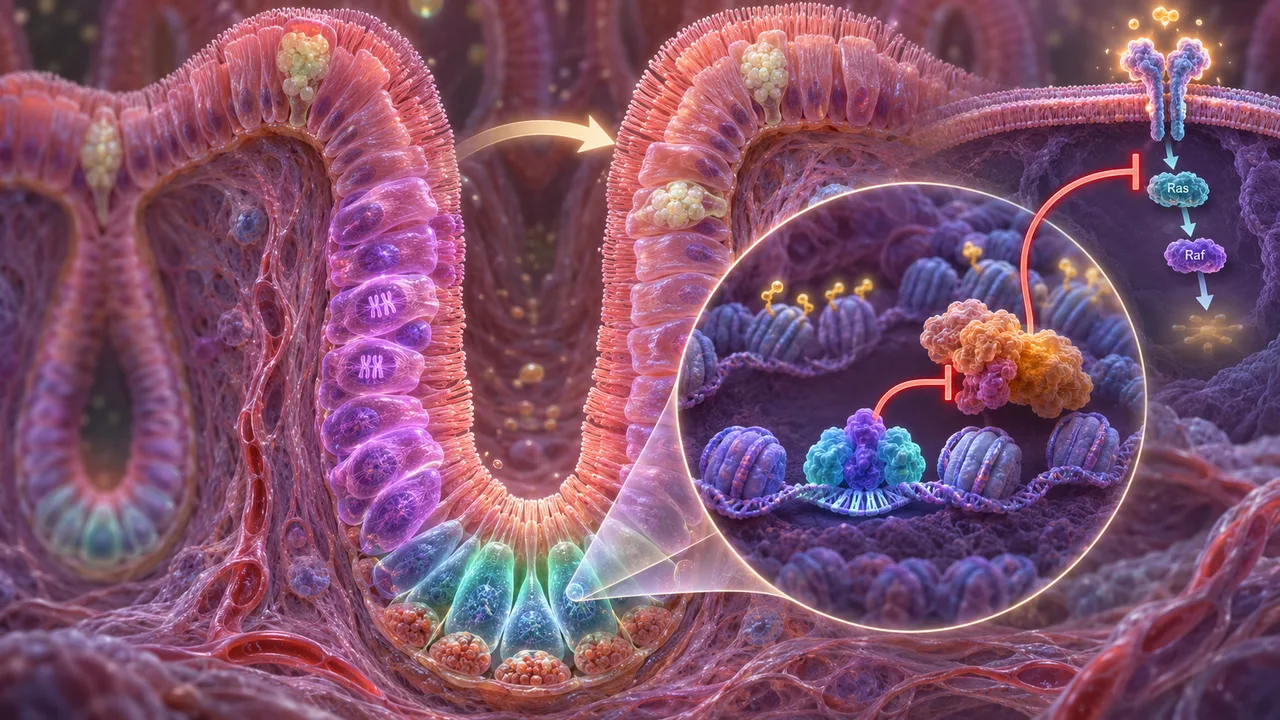
Homeostatic control of stem cell activity during intestinal regeneration.

Stem cells proliferate rapidly to maintain tissue turnover during regeneration, yet the mechanisms preventing hyperproliferation remain unclear. Here, we identified nuclear factor Y (NF-Y) as a transcriptional repressor that maintains intestinal stem cell (ISC) quiescence. NF-Y restricts ISC proliferation by occupying the promoters of epidermal growth factor receptor (EGFR) signaling components, including Egfr , Mkp3 , Raf , Ras , and pnt , through regulation dependent on the histone acetyltrans

Continue reading
Health & Medicine

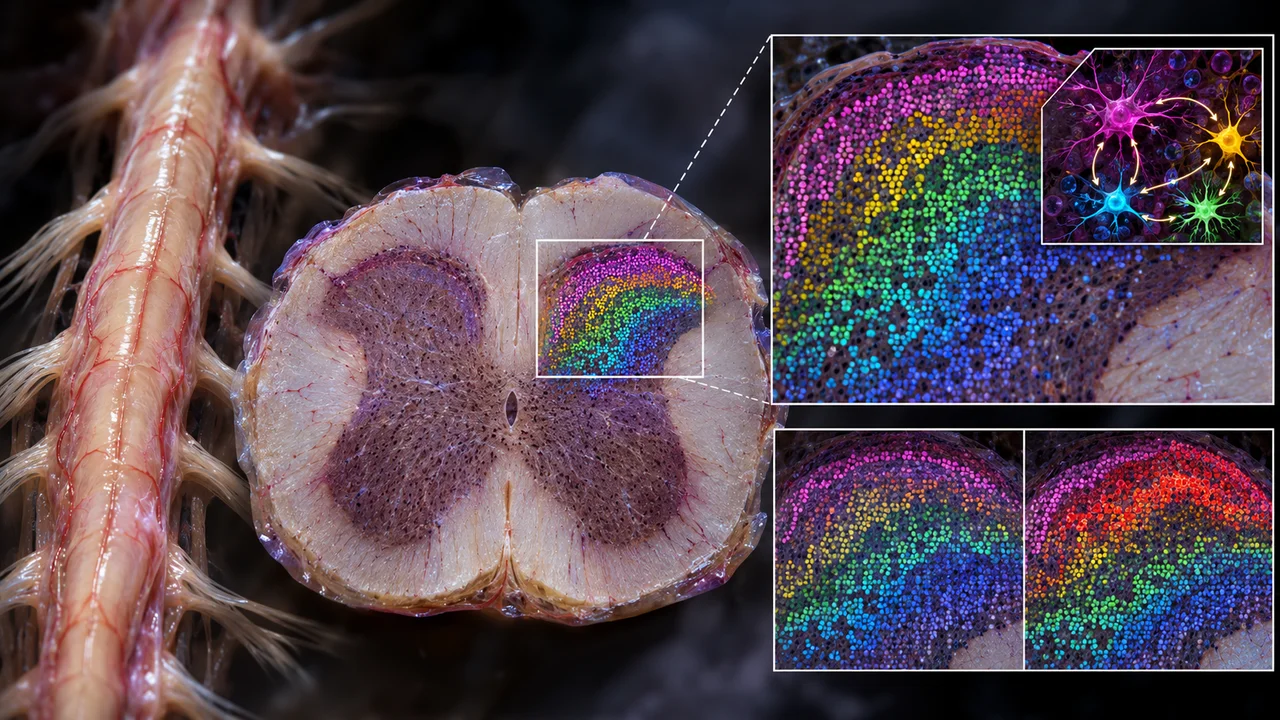
Spatial transcriptomics reveals organizational properties of the mouse spinal cord and alterations in neuropathic pain.

The spinal cord integrates diverse somatosensory inputs and executes motor outputs through anatomically and functionally distinct circuits. Here, we employed spatially resolved single-cell transcriptomic profiling of the adult mouse spinal cord to gain insights into the organizational logic of the spinal cord. Our results reveal distinct spatial and laminar distributions of neuronal subtypes, including axial level and sex-specific differences. Many neuronal subtypes exhibit lamina-specific somat

Continue reading
Health & Medicine

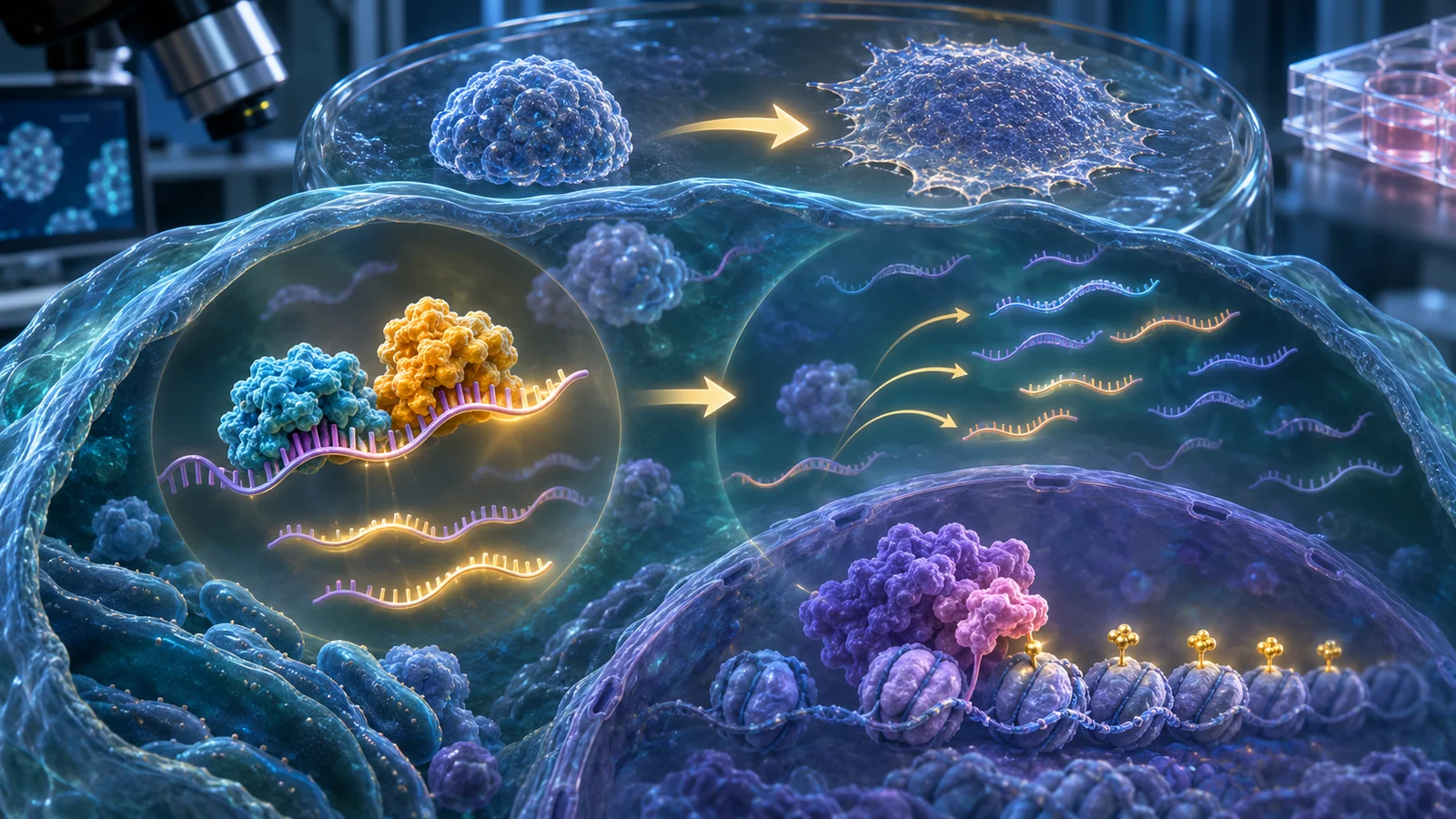
Acute degradation of Pumilio proteins reveals a biphasic posttranscriptional regulatory hierarchy in embryonic stem cell fate decision.

Posttranscriptional regulation is critical for mammalian embryogenesis yet has been underexplored. We previously showed that RNA-binding Pumilio proteins (Pum1/2) are essential for early mouse embryogenesis and embryonic stem cell (ESC) functions. Here, using acute protein degradation systems combined with time-resolved RNA sequencing and enhanced crosslinking and immunoprecipitation, we delineate a two-phase regulatory hierarchy modulated by Pum1/2 in mouse ESCs. The first phase, occurring with

Continue reading
Health & Medicine

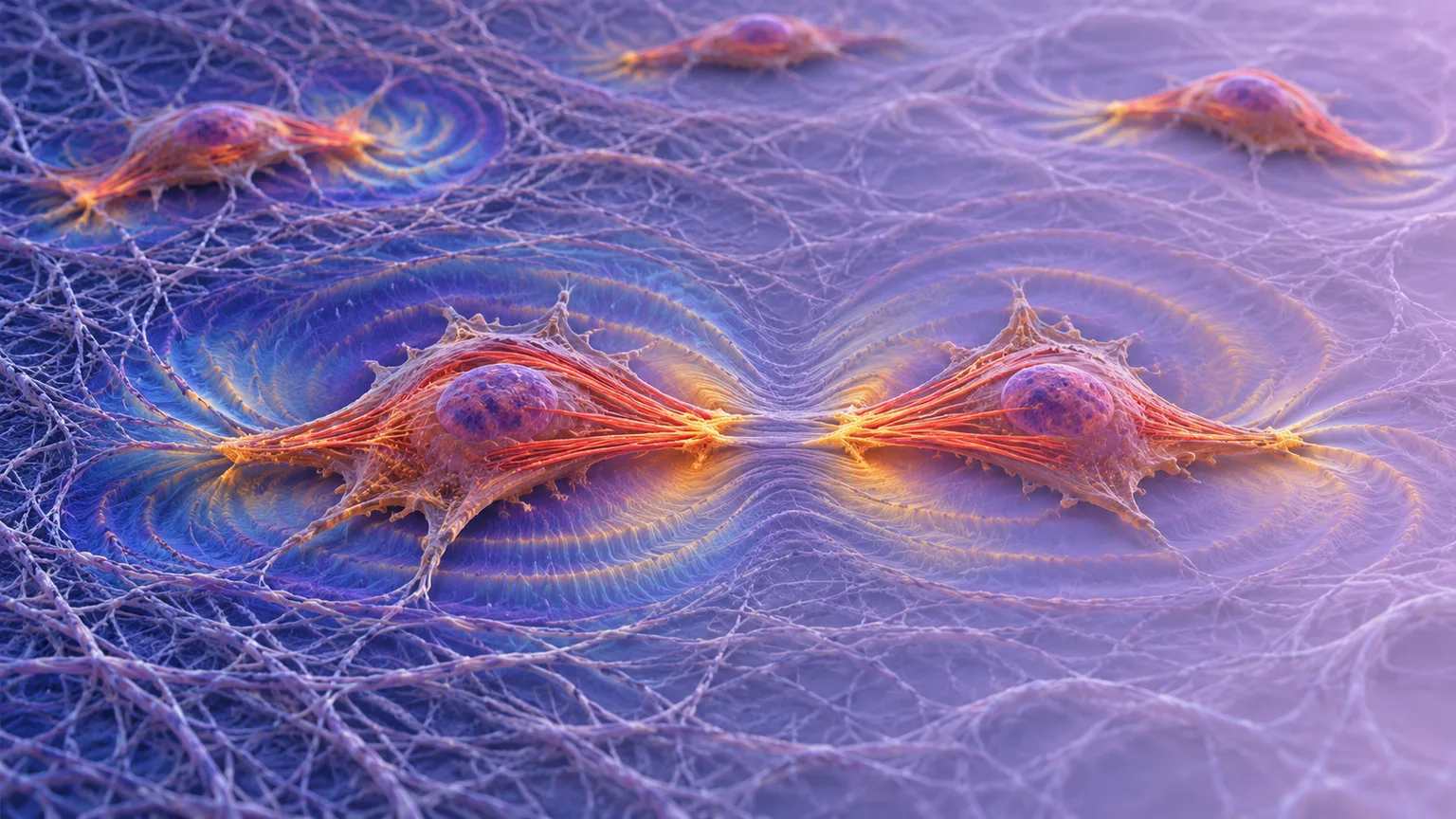
Elastic interactions of mechanically polarizable cells.

Cells mechanically interact through the deformations they generate in their surrounding extracellular matrix. We present an analytical theory of the elastic interactions between cells that actively adapt their forces in response to local deformations of their environment. Cells are represented as localized contractile force generators, modeled as polarizable point force dipoles, whose adaptive forces are determined self-consistently with those of surrounding cells. Analysis of the associated ela

Continue reading