Toward a Healthier Future Through Obesity Prevention and Care: The JAMA Summit Report on Obesity.
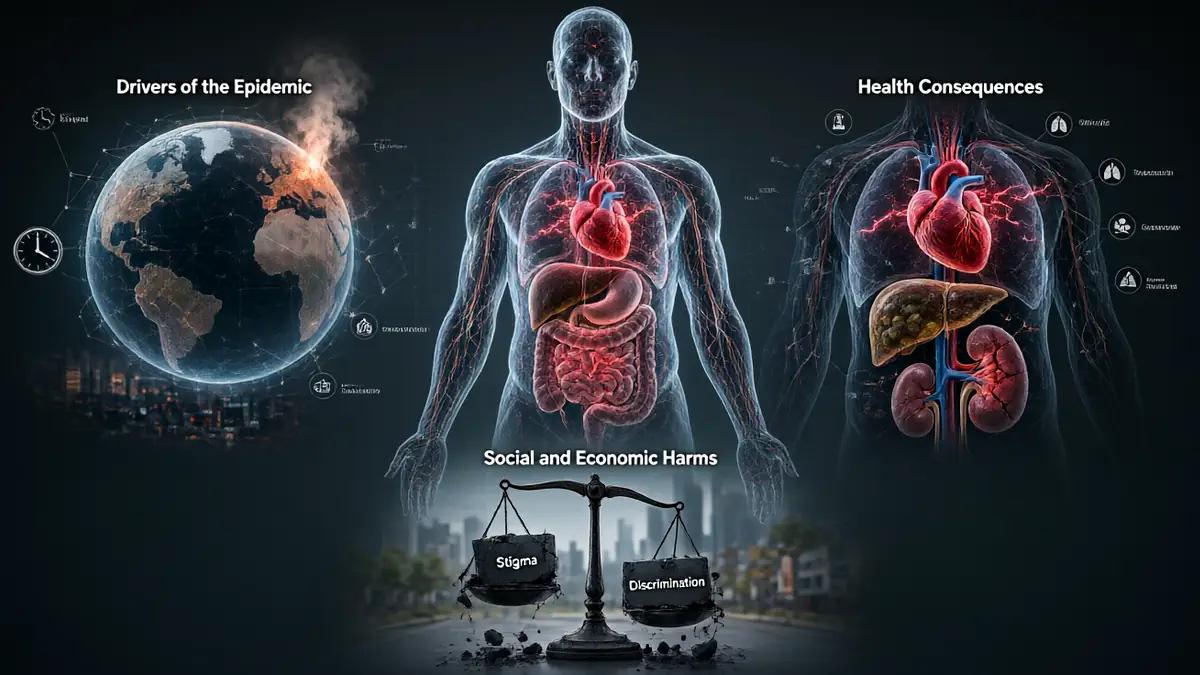
Obesity is one of the most difficult challenges of the modern era, affecting more than 1 billion people worldwide. Nearly half of US adults and 1 in 5 US children meet the medical definition of having obesity, with major consequences for cardiometabolic, kidney, hepatic, pulmonary, musculoskeletal, reproductive, oncologic, and mental health. Obesity also carries social and economic harms through stigma, discrimination, and bias. Drivers of the obesity epidemic include changes in food production
Obesity is one of the most difficult challenges of the modern era, affecting more than 1 billion people worldwide. Nearly half of US adults and 1 in 5 US children meet the medical definition of having obesity, with major consequences for cardiometabolic, kidney, hepatic, pulmonary, musculoskeletal, reproductive, oncologic, and mental health. Obesity also carries social and economic harms through stigma, discrimination, and bias. Drivers of the obesity epidemic include changes in food production and consumption accompanied by social, economic, and technological shifts that reduce food preparation, disrupt sleep, and decrease physical activity. The burden of these changes is not equally distributed, with higher obesity prevalence among socioeconomically disadvantaged populations. Current prevention measures include nutrition standards, food and menu labeling, school meal policies, sugar-sweetened beverage taxes, community-based lifestyle programs, and public assistance efforts. The impact of these approaches has been inadequate. Contemporary clinical management recognizes obesity as a chronic disease characterized by genetic, biological, and behavioral susceptibilities. Access, affordability, tolerability, and the chronicity of use remain major challenges for all available obesity management strategies, including new glucagon-like peptide-1 receptor agonist therapies. Potential solutions require a coordinated, multisector response and include efforts to prevent obesity at the societal level, improve care of individuals with obesity, and strengthen research and innovation. Priority areas include improving the food and physical activity environment; strengthening communication and education; strengthening childhood obesity prevention; addressing health inequities; reducing stigma and bias; modernizing obesity care delivery; expanding access to lifestyle, healthy food, medication, and surgical interventions; and supporting long-term treatment adherence and maintenance. Proposed actions include new government policies on food production, labeling, marketing, and school nutrition; modernization of drug evaluation; payment reform to support comprehensive obesity treatment; development of multidisciplinary care models; incentives to promote cross-sector partnerships; and research to advance personalized prevention and treatment strategies. The emergence of effective obesity management medications offers a significant opportunity to curb the prevalence of obesity. However, no single intervention will be enough. Sustained improvement will require addressing the underlying structural and environmental drivers of obesity, along with person-centered, multilevel strategies that simultaneously improve prevention, reduce stigma, and expand equitable access to evidence-based treatment. Coordinated action across government, health care systems, clinicians, payers, industry, schools, communities, and researchers will be essential to achieving long-term improvement.