Health & Medicine

AI-based characterization of Alzheimer's disease phenotypes from population-scale single-cell data.
| Source: Nature medicine

The complexity of Alzheimer's disease (AD) manifests in diverse clinical phenotypes, including cognitive impairment and neuropsychiatric symptoms. However, the etiology of these phenotypes remains elusive. To address this, the PsychAD project generated a population-level single-nucleus RNA sequencing dataset comprising over 6 million nuclei from the prefrontal cortex of >1,000 individual brains, covering a variety of disease phenotypes. Here, leveraging this dataset, we developed a com

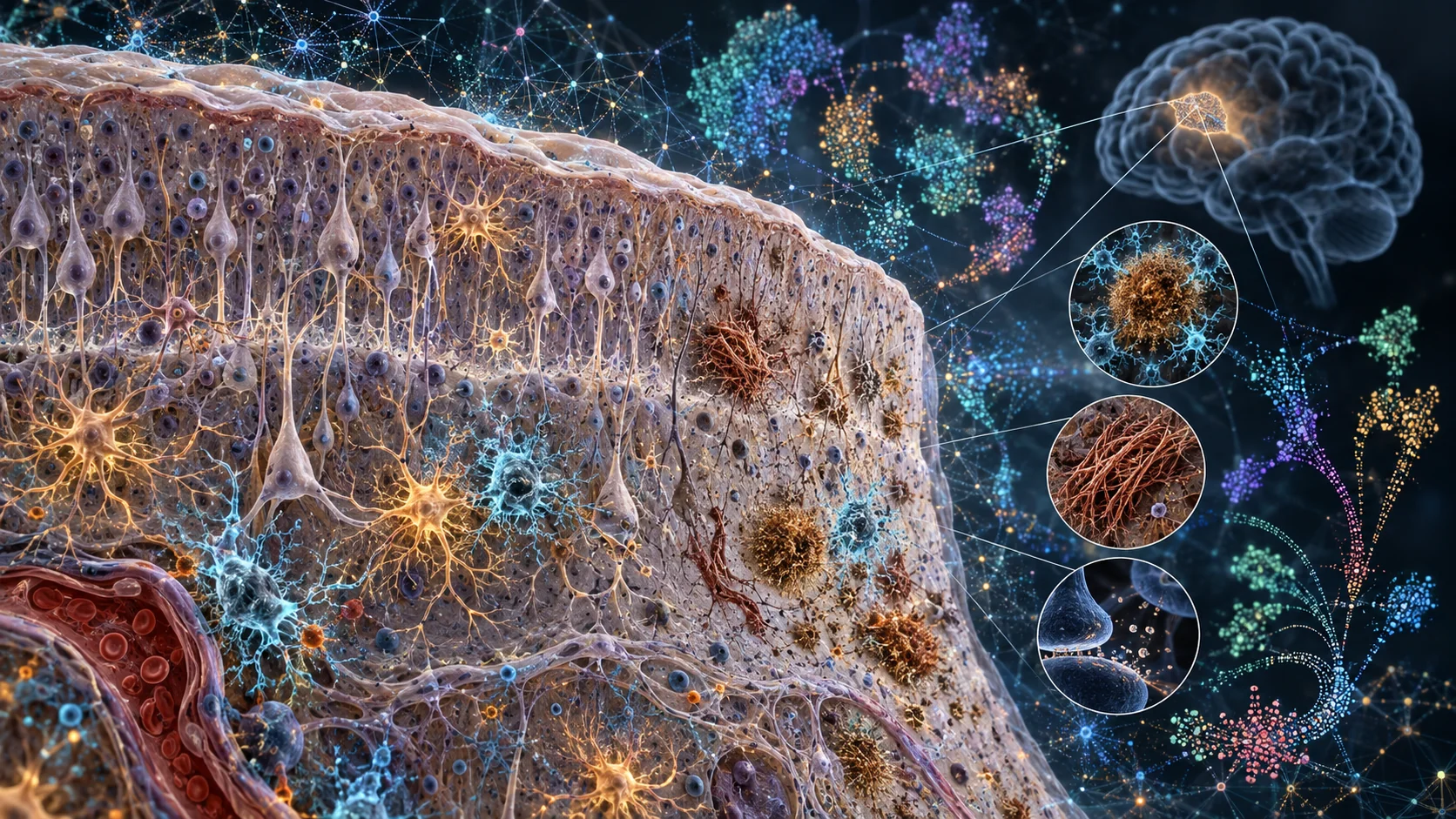
The complexity of Alzheimer's disease (AD) manifests in diverse clinical phenotypes, including cognitive impairment and neuropsychiatric symptoms. However, the etiology of these phenotypes remains elusive. To address this, the PsychAD project generated a population-level single-nucleus RNA sequencing dataset comprising over 6 million nuclei from the prefrontal cortex of >1,000 individual brains, covering a variety of disease phenotypes. Here, leveraging this dataset, we developed a computational framework, called Phenotype Associated Single Cell encoder (PASCode), to score single-cell phenotype associations, and identified ∼1.5 million phenotype-associated cells (PACs) from 584 donors with AD-related phenotypes. PASCode ensembles multiple statistical methods into a graph neural model for robust scoring. Comparing PACs within 27 brain cell subclasses, we prioritized cell subpopulations and their expressed genes for various AD phenotypes. For instance, we identified microglia subpopulations implicated in AD pathology; reactive astrocyte subtypes with altered neuroprotective and neurotoxic gene expression that likely confer cognitive resilience; and enhanced excitatory/inhibitory imbalance and mitochondrial dysfunction in cognitively impaired AD donors. We also identified many PACs for multiple phenotypes, including the astrocytes between AD and depression showing specific gene expression patterns such as inflammation and endoplasmic reticulum stress pathways. These prioritized subpopulations, genes and pathways potentially offer valuable insights for precision diagnostic and therapeutic development. We also validated our findings in external population-scale datasets including AD and major depressive disorder, compiled an AD-phenotypic single-cell atlas and delivered the framework as an open-source tool with pre-trained models and a web application for community use.
Read the original source →

Related Stories

Health & Medicine

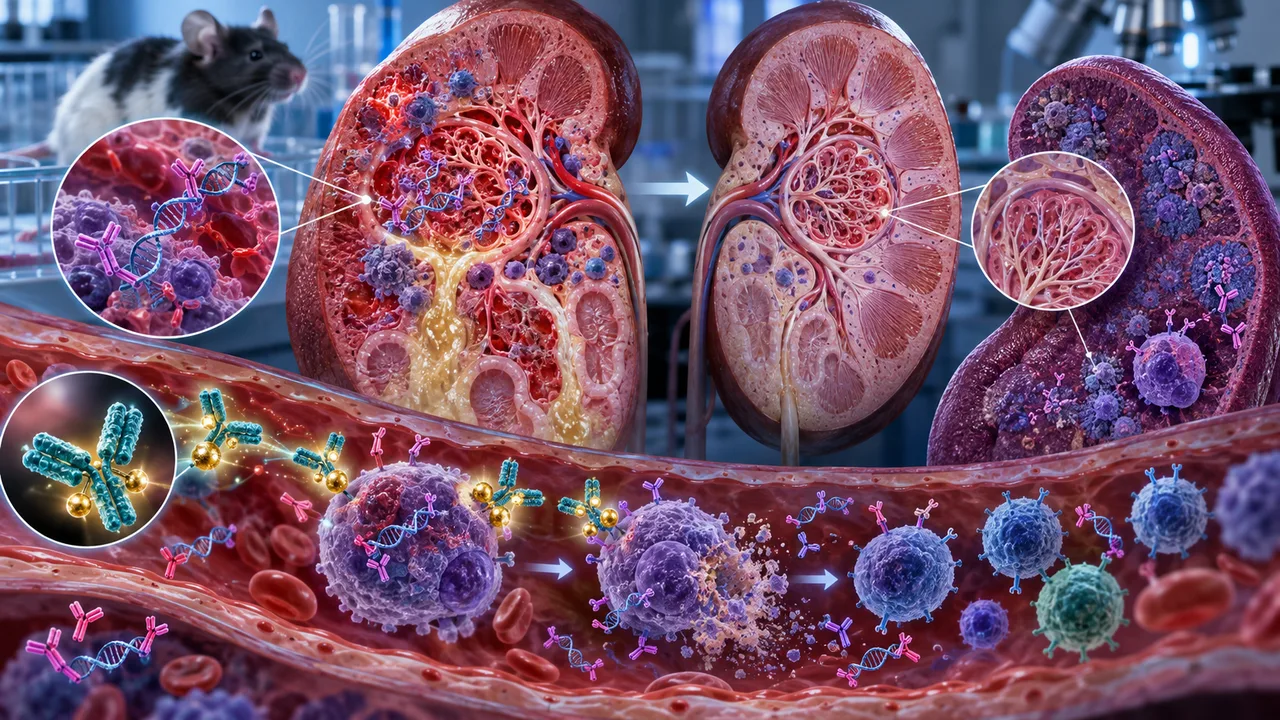
Selective ablation of dsDNA-specific plasma cells improves lupus nephritis in NZB/W mice.

Antibodies specific for double-stranded DNA (dsDNA) are thought to play a crucial role in the pathogenesis of lupus nephritis. Plasma cells have emerged as a promising therapeutic target in antibody-mediated diseases. Here, we show that dsDNA oligonucleotides longer than 80 bp and irrespective of their sequence, react with more than 80% of murine and human dsDNA antibodies. With a conjugate of a modified antibody to mouse CD138 and 100 bp dsDNA oligonucleotides, we demonstrate the selective depl

Continue reading
Health & Medicine

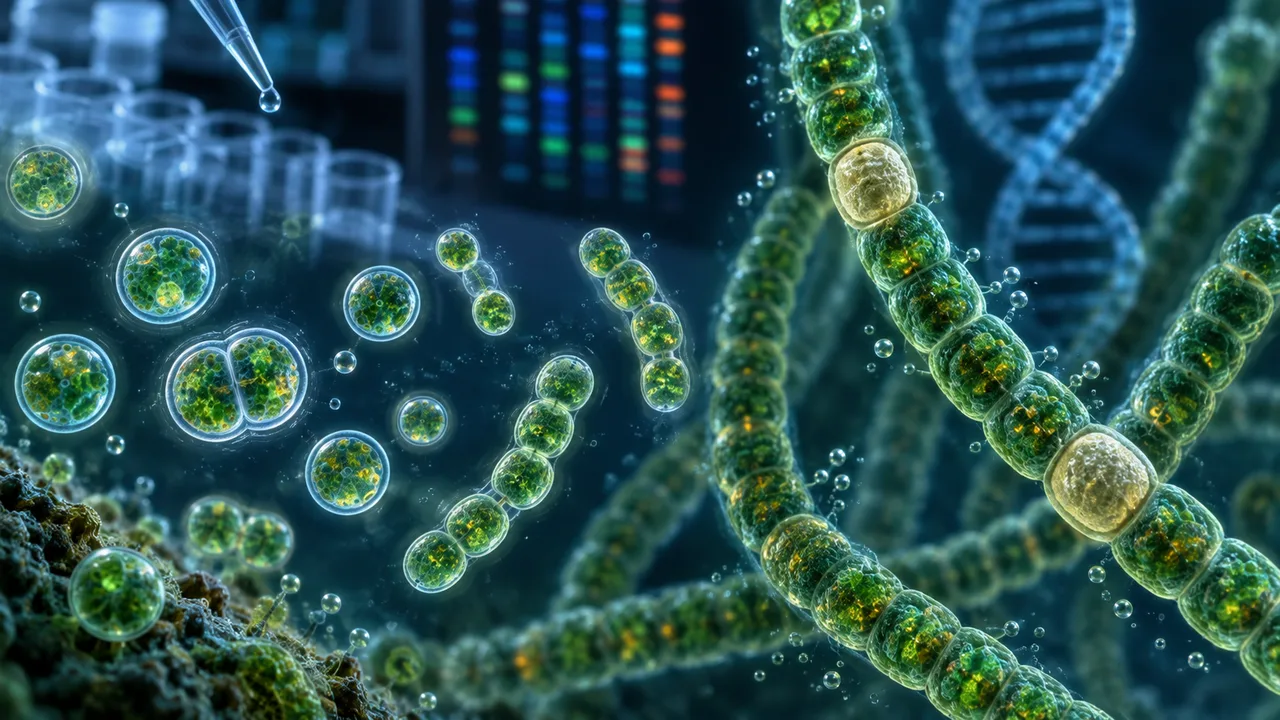
The genomic origins of cyanobacterial morphological diversity.

Cyanobacteria are the only prokaryotes to have evolved oxygenic photosynthesis, transforming the geochemistry and biology of the planet. They exhibit remarkable morphological diversity and represent one of the earliest known multicellular organisms, including filamentous growth and cellular differentiation. However, the genomic mechanisms underlying their repeated transitions between unicellularity and multicellularity remain unresolved. Here, we implement phylogenomic and Bayesian molecular clo

Continue reading
Health & Medicine

Perfluorooctane sulfonate directly interacts with IRF3 to attenuate antiviral innate immunity.

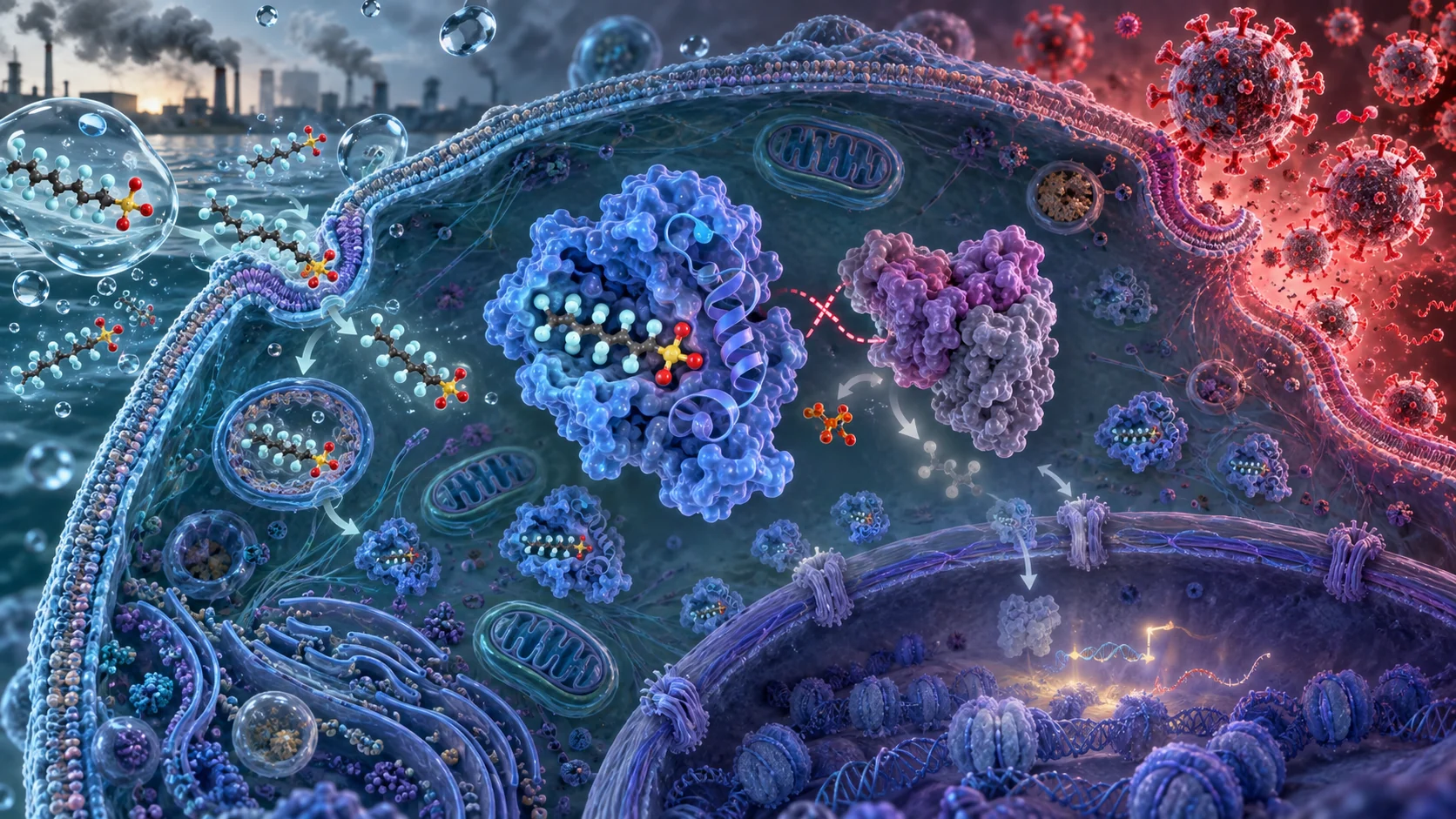
Perfluorooctane sulfonate (PFOS), a prominent per- and polyfluoroalkyl substance (PFAS), has raised significant public health concerns due to its widespread use, environmental persistence, and bioaccumulation potential. Both epidemiological and experimental studies demonstrate that PFOS exposure causes immunotoxicity and disrupts both innate and adaptive immunity. However, the specific effects of PFOS on innate antiviral immunity remain poorly understood. Here, by integrating multi-omics analysi

Continue reading
Health & Medicine

Sliding-before-breaking governs deformation in chitinous extracellular matrices reinforced by strong, fatigue-resistant chitin.

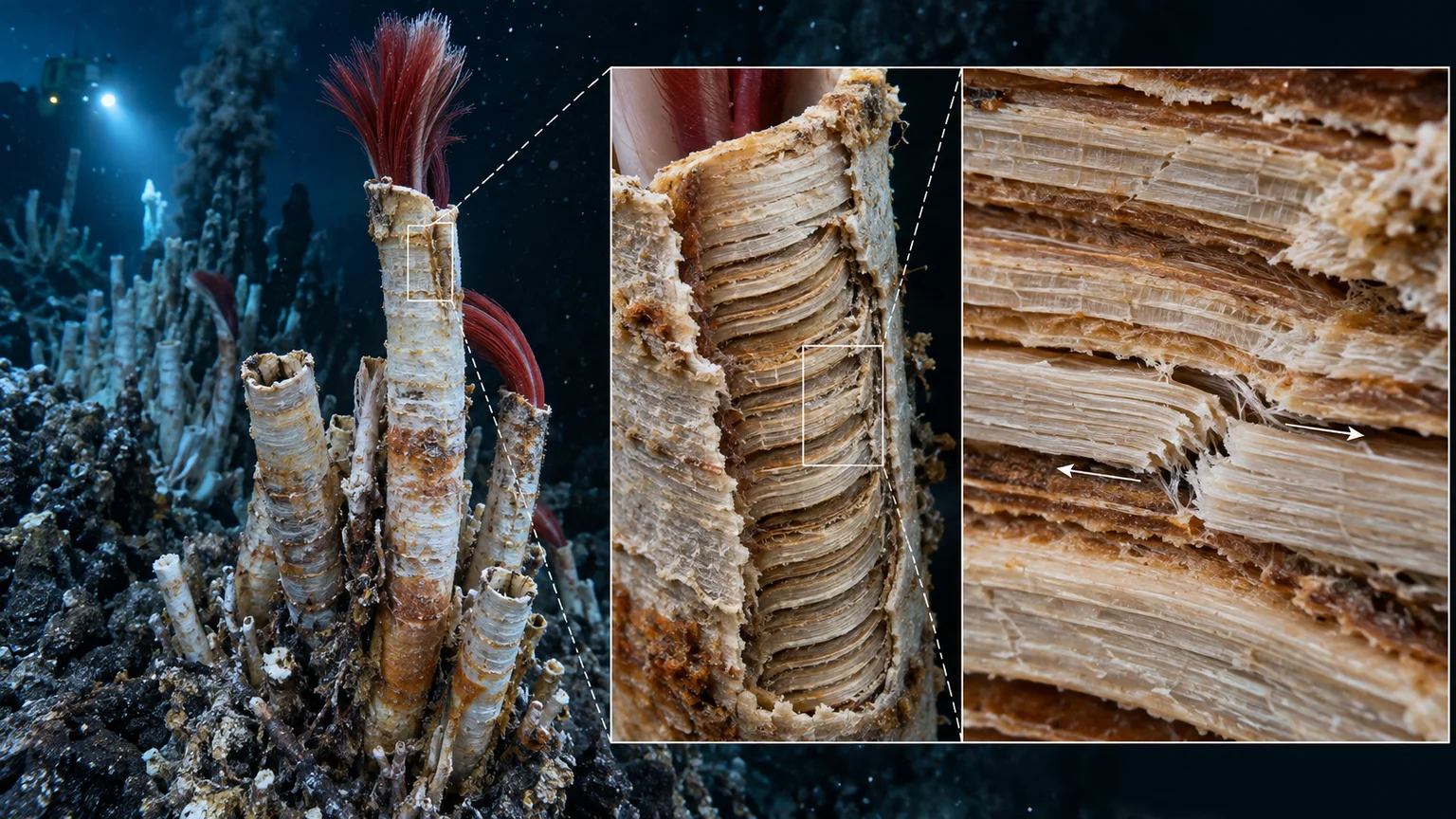
Many fibrous biological materials combine high strength with the ability to undergo permanent shape change, a balance that remains difficult to replicate synthetically. In twisted, plywood-like architectures, the origin of irreversible deformation remains unresolved: does strain arise from covalent bond scission or from coordinated interfacial processes across hierarchical scales? Here, we use the chitin-based protective tubes of vestimentiferan deep-sea tubeworms ( Siboglinidae: Vestimentifera

Continue reading
Health & Medicine

PLASTID ENVELOPE ION CHANNELS (PEC1/2) link Ca 2+ and jasmonic acid signaling in plant cells.

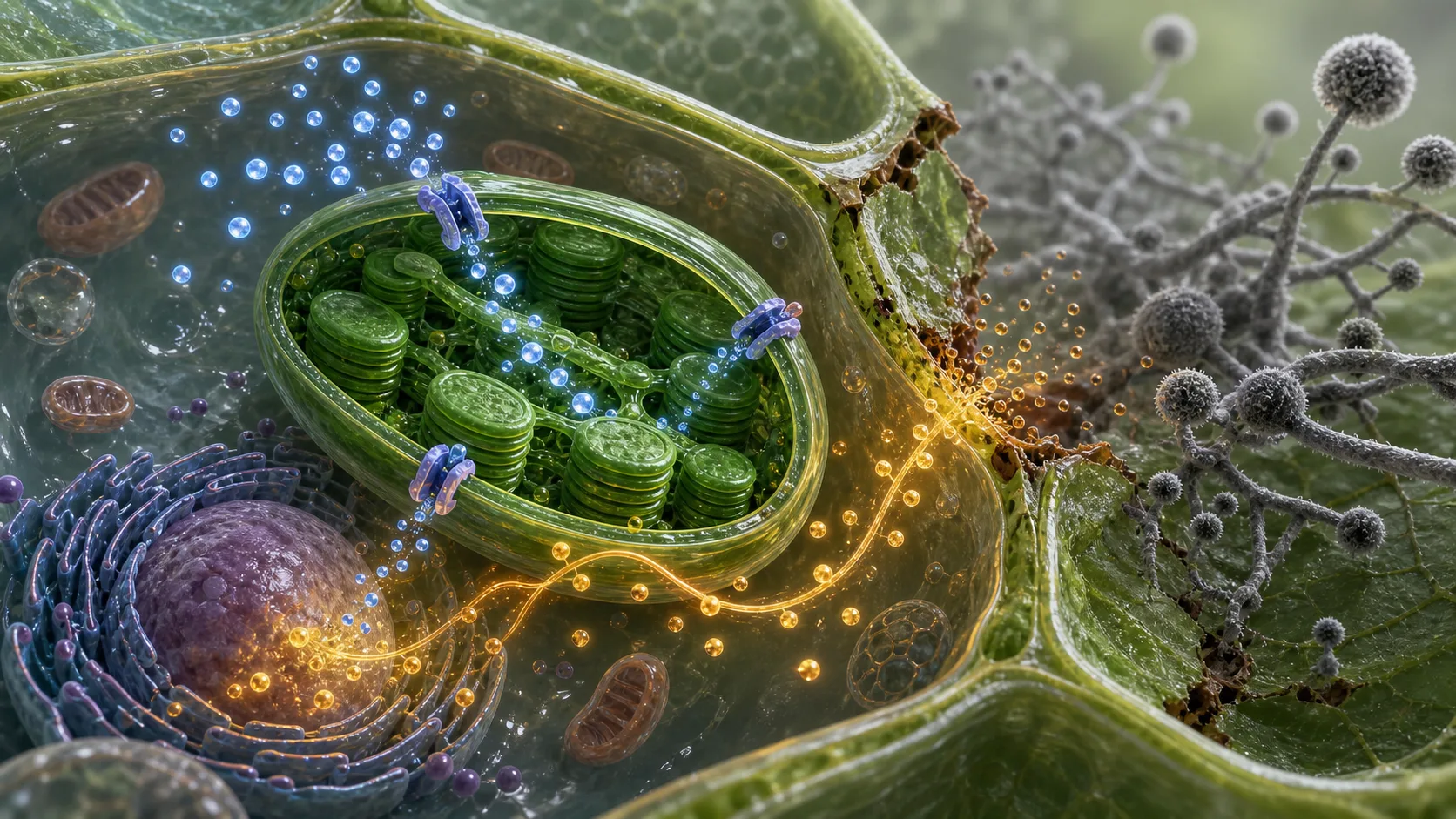
Plants constantly encounter adverse environmental interactions. One organelle is particularly specialized in stress signaling and phytohormone synthesis: the plastid. Calcium (Ca 2+ ), a key second messenger, is known to intersect with cellular phytohormone signaling networks. While cytosolic Ca 2+ dynamics have been studied extensively, the physiological relevance of stromal Ca 2+ transients and the identity of channels mediating rapid Ca 2+ flux into plastids remain largely unexplored. In this

Continue reading