Environment

Recovering signatures of archaic hominin introgression using ancestral recombination graphs
| Source: Science

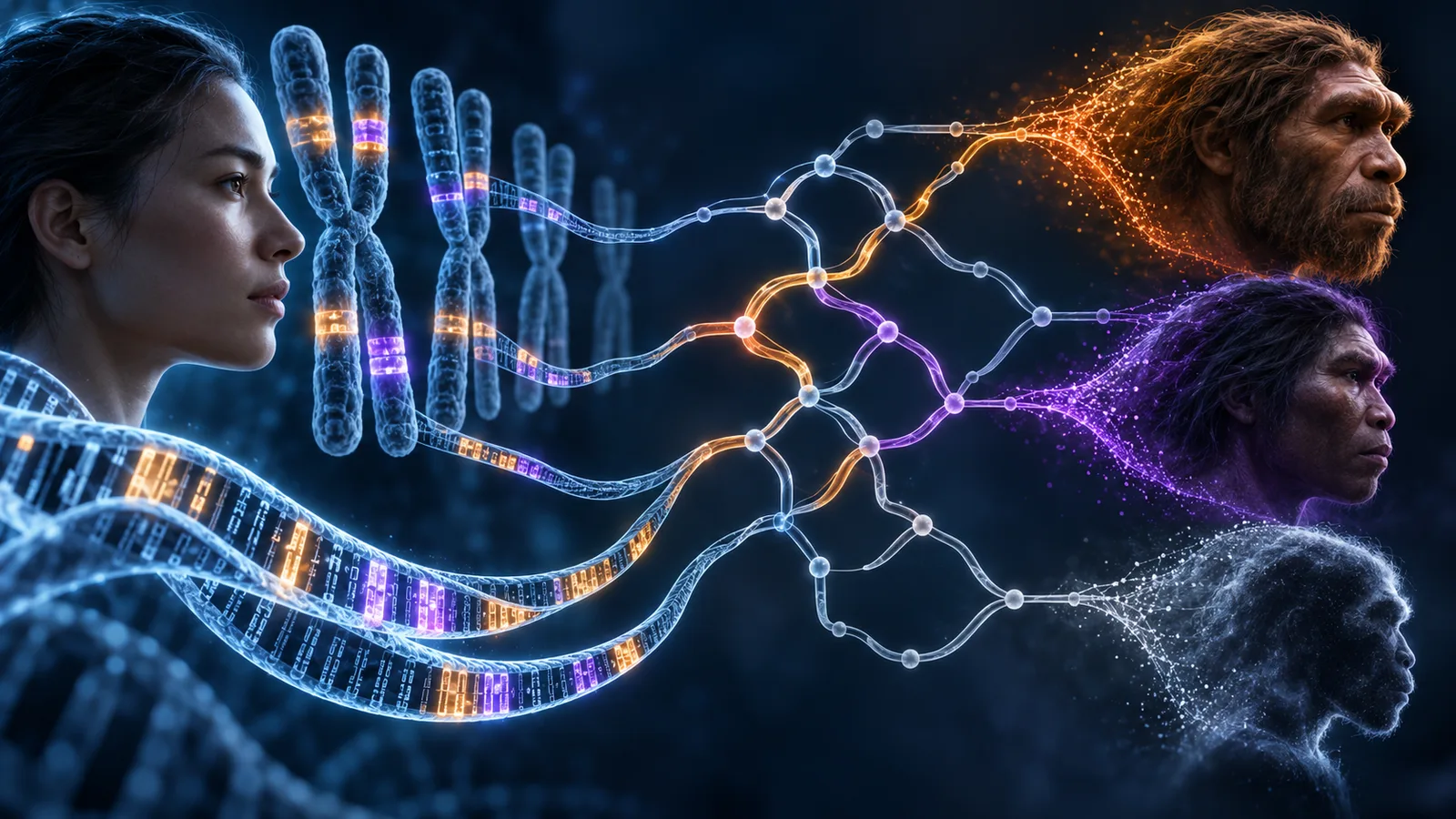
Admixture between modern humans and extinct hominins has shaped the genomes of present-day individuals, but reconstructing this history has been constrained by the scarcity of archaic samples and unadmixed outgroup populations. We introduce TRACE, a reference- and outgroup-free approach that uses features of ancestral recombination graphs to identify archaic ancestry. Simulations demonstrate that TRACE achieves high precision and low false discovery rates. Applied to 1000 genomes, TRACE recovers

Admixture between modern humans and extinct hominins has shaped the genomes of present-day individuals, but reconstructing this history has been constrained by the scarcity of archaic samples and unadmixed outgroup populations. We introduce TRACE, a reference- and outgroup-free approach that uses features of ancestral recombination graphs to identify archaic ancestry. Simulations demonstrate that TRACE achieves high precision and low false discovery rates. Applied to 1000 genomes, TRACE recovers known Neanderthal and Denisovan introgression and uncovers ghost admixture from uncharacterized hominins in both Africans and non-Africans. Ghost ancestry persists in Neanderthal and Denisovan ancestry deserts, challenging their interpretation as Homo sapiens –specific regions. In Oceanians, TRACE finds that deep lineages are enriched in Denisovan compared with Neanderthal regions, supporting super-archaic introgression. TRACE enables mapping of archaic introgression without archaic reference genomes.

Read the original source →

Related Stories

Environment

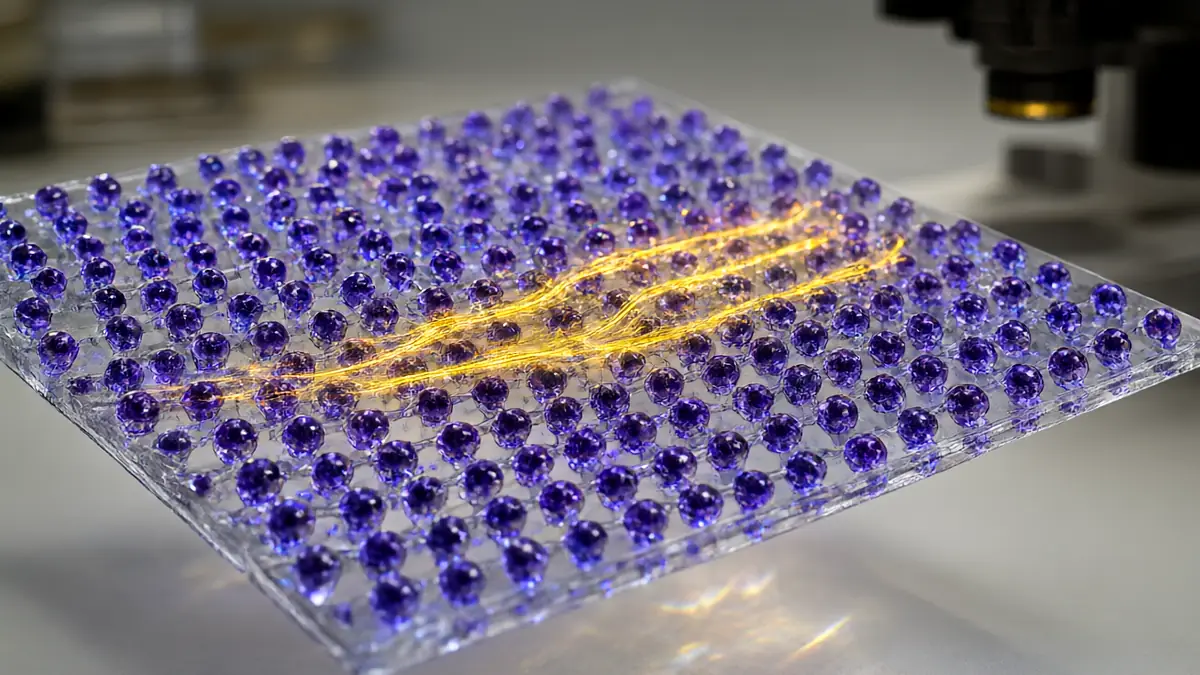
Mechanical instability generates monodisperse colloidosomes.

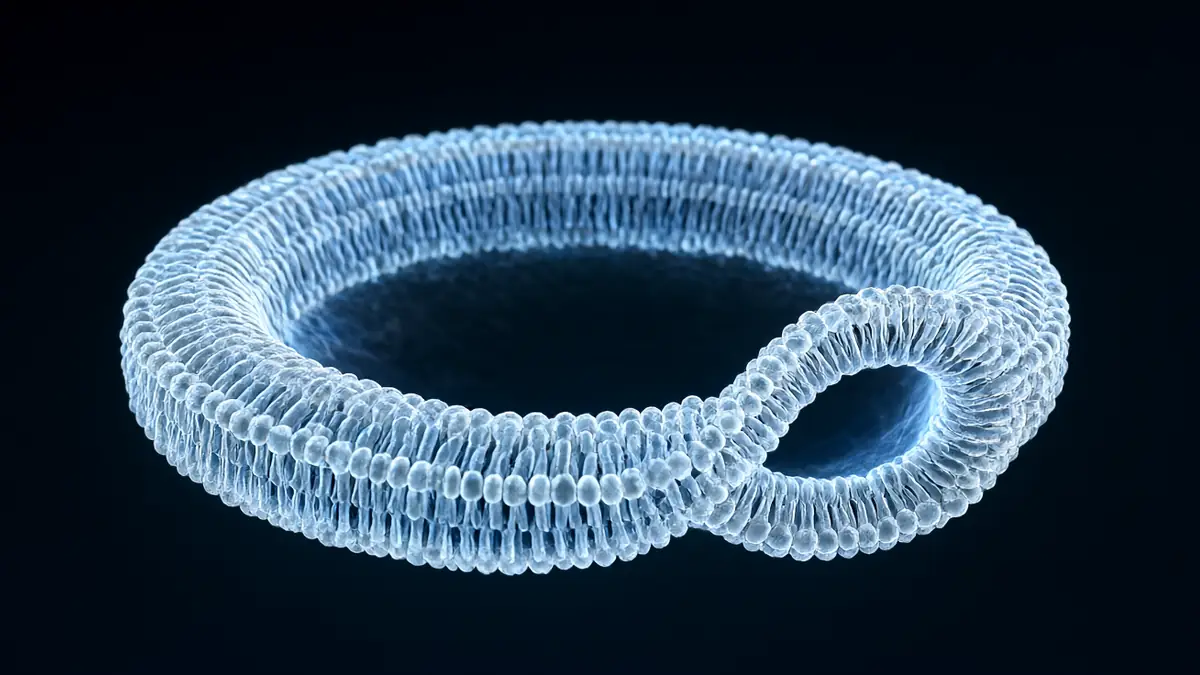
Formation and rupture of vesicles are fundamental processes underlying diverse phenomena in biology, materials science, and biomedical applications. Vesicles form when the area of a growing disk-like membrane reaches the instability point at which the energy barrier to the disk-to-vesicle transition vanishes. Observing such topological transitions in lipid bilayers is a challenge because of their nanoscale dimensions and rapid dynamics. We study a scaled-up model of membranes assembled from rod-

Continue reading
Environment

Windblown dunes are born in sand at the brink of transport.

Windblown dunes are found everywhere in the Solar System where a supply of loose sediment is mobilized by gas flows, from the sluggish winds of Venus to speed-of-sound sublimation flows on comets. Their abundance is nontrivial because dunes only form where grains hop ballistically ("saltate"). This implies that winds across the Solar System reach "goldilocks" speeds that are just right to initiate and maintain saltation of whatever sediment is available despite vast variations in material and fl

Continue reading
Environment

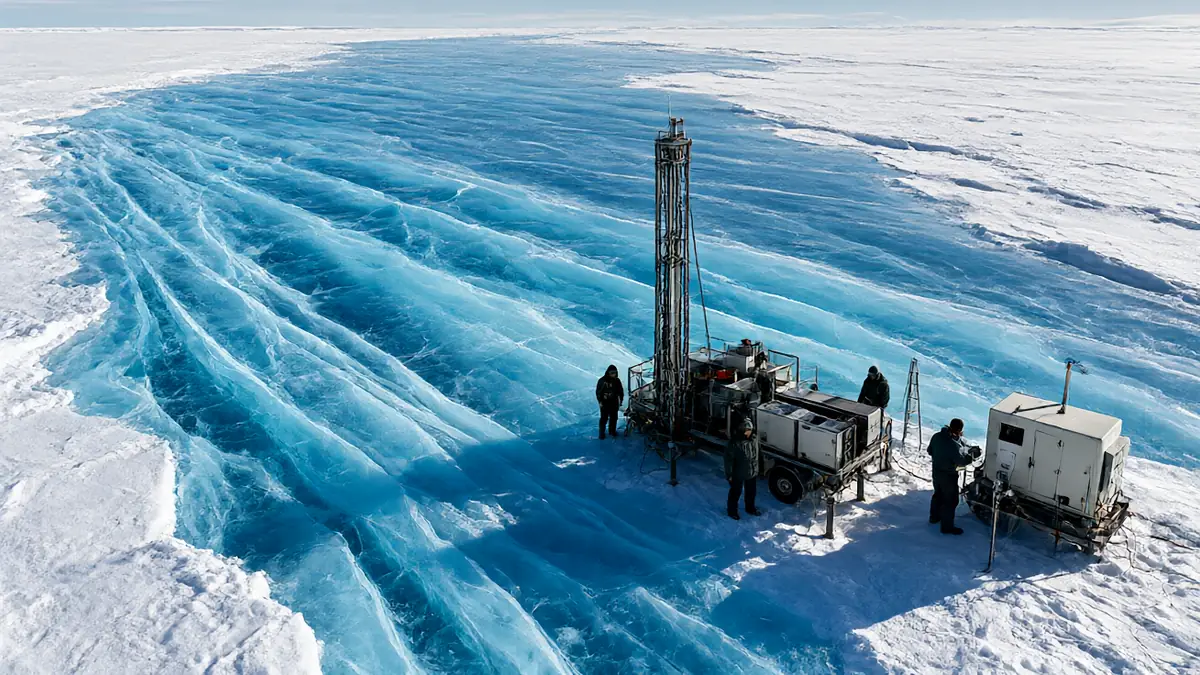
Unlocking the unparalleled paleoclimate record of Antarctic blue ice areas.

Ice uniquely provides direct samples of ancient atmosphere, enabling measurements of greenhouse gases contemporaneous to temperature reconstructions. Blue ice areas (covering 1% of the surface of Antarctica) hold a largely underexplored paleoclimate record that can extend beyond deep ice cores (that is, older than 1.5 My), covering periods in which global surface temperatures were similar to projected future temperatures. Blue ice areas expose ancient ice directly at the surface or at shallow de

Continue reading
Environment

Submillimetre hot-electron transport in manganese-doped quantum dot solids.

Colloidal quantum dot solids are promising for photoconversion and photochemistry, but their performance is fundamentally limited by rapid hot-carrier cooling, low carrier mobility and short transport ranges 1 . Here we demonstrate a spin-exchange-driven phototransport regime in manganese-doped quantum dot films that enables the generation, long-range transport and regeneration of hot carriers. Ultrafast spin-exchange-mediated Auger upconversion promotes electrons into high-energy, delocalized s

Continue reading
Environment

Chemical Control of Quorum Sensing Rewires Mixed Bacterial Communities.

Microbial communities are central to host and environmental health, yet their dysregulation can drive diseases. Chemical strategies for selectively reprogramming community composition remain limited. Here, we show that agonists of the accessory gene regulator (agr) quorum sensing system provide a powerful, nonbactericidal approach to reshape staphylococcal biofilm communities. In mixed biofilms of multiple Staphylococcus epidermidis strains, selective agr activation produces pronounced sequence-

Continue reading