Environment

Windblown dunes are born in sand at the brink of transport.

| Source: Proceedings of the National Academy of Sciences of the United States of America

Windblown dunes are found everywhere in the Solar System where a supply of loose sediment is mobilized by gas flows, from the sluggish winds of Venus to speed-of-sound sublimation flows on comets. Their abundance is nontrivial because dunes only form where grains hop ballistically ("saltate"). This implies that winds across the Solar System reach "goldilocks" speeds that are just right to initiate and maintain saltation of whatever sediment is available despite vast variations in material and fl

Windblown dunes are found everywhere in the Solar System where a supply of loose sediment is mobilized by gas flows, from the sluggish winds of Venus to speed-of-sound sublimation flows on comets. Their abundance is nontrivial because dunes only form where grains hop ballistically ("saltate"). This implies that winds across the Solar System reach "goldilocks" speeds that are just right to initiate and maintain saltation of whatever sediment is available despite vast variations in material and fluid properties, and gravity. Based on select observations, it was proposed that dune fields may be characterized by a near-threshold transport state where dune-forming winds minimally exceed the saltation threshold on Earth. Here, we demonstrate that this is indeed the case globally. Next, we show that, unlike riverbeds-which evolve to a similar state through adjustments of channel geometry-dune fields are born in it due to the rapid decrease in wind frequency with increasing wind speed. These results imply that grain sizes in windblown dunes provide a robust record of formative winds, such that corresponding wind speeds can be estimated from aeolian sandstones and dune deposits across planets. The near-threshold state of windblown dunes thus opens a promising line of investigation for paleoenvironmental and paleoclimate reconstructions on Earth and beyond.
Read the original source →

Related Stories

Environment

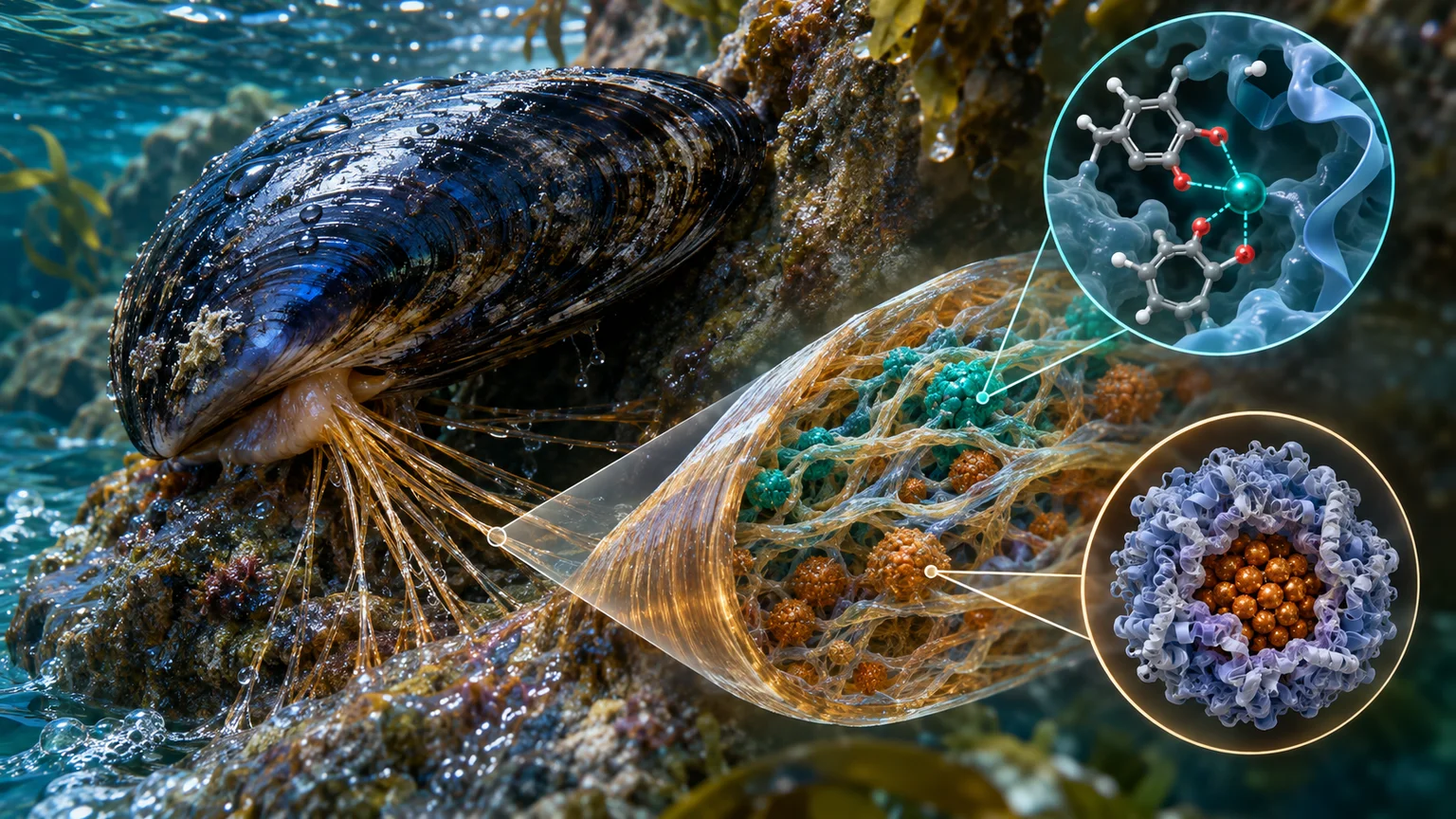
Mussels possess distinct vanadium and iron storage systems for fabricating metal-reinforced adhesive fibers.

Mussels fashion a protein-based fibrous adhesive holdfast known as a byssus to tether themselves in marine habitats against crashing waves. The capacity of mussels to anchor securely is dependent on load-bearing protein-metal cross-links mediated by 3,4-dihydroxyphenylalanine (DOPA) residues coordinated to metal ions, which significantly enhance byssus mechanical properties (e.g., adhesive strength, abrasion resistance, toughness, self-healing capacity). However, the natural metal incorporation

Continue reading
Environment

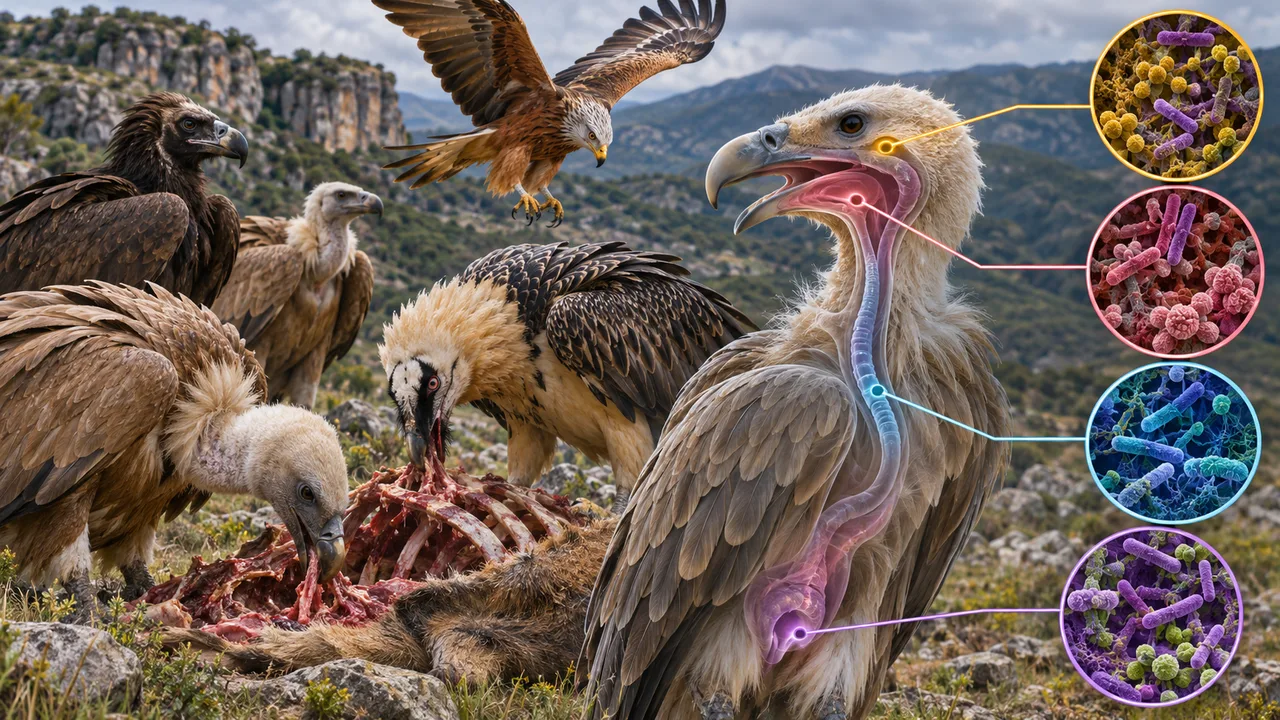
Host and anatomical filters prevent microbiome convergence in avian scavengers.

How host-associated microbiomes assemble under intense environmental microbial exposure remains a central question in microbial ecology. Vultures represent a unique natural system because these species differ markedly in feeding ecology and carcass use. We characterized bacterial communities across four anatomical niches (facial, buccal, tracheal, and cloacal) in 155 individuals spanning all four European obligate vulture species (subfamily Gypaetinae: Gypaetus barbatus, Neophron percnopterus, a

Continue reading
Environment

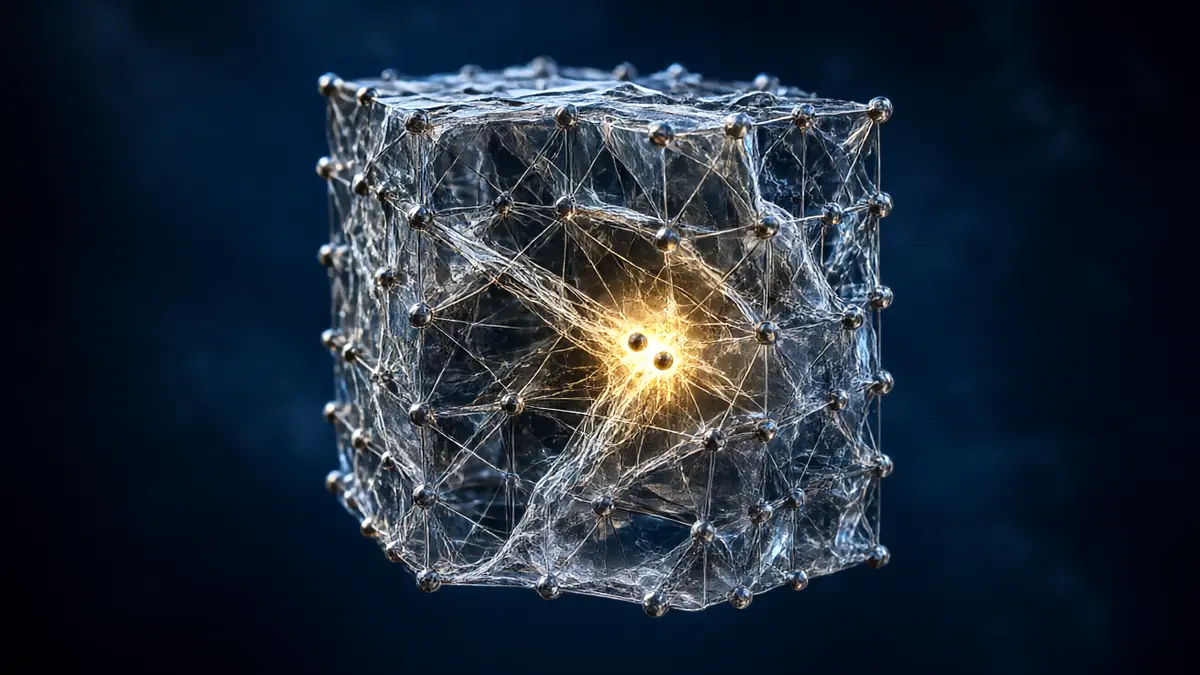
Harnessing lattice distortion for point-defect self-healing in multi-principal element alloys.

Multi-principal element alloys are promising structural materials for nuclear, aerospace, and fusion applications, yet their accelerated discovery is limited by the prohibitive cost of evaluating point-defect transport and self-healing behavior across vast compositional spaces. Here, we establish local lattice distortion (LLD), an intrinsic feature of chemically complex alloys, as a predictive and universal descriptor for vacancy-interstitial diffusivity convergence. We develop and validate a hi

Continue reading
Environment

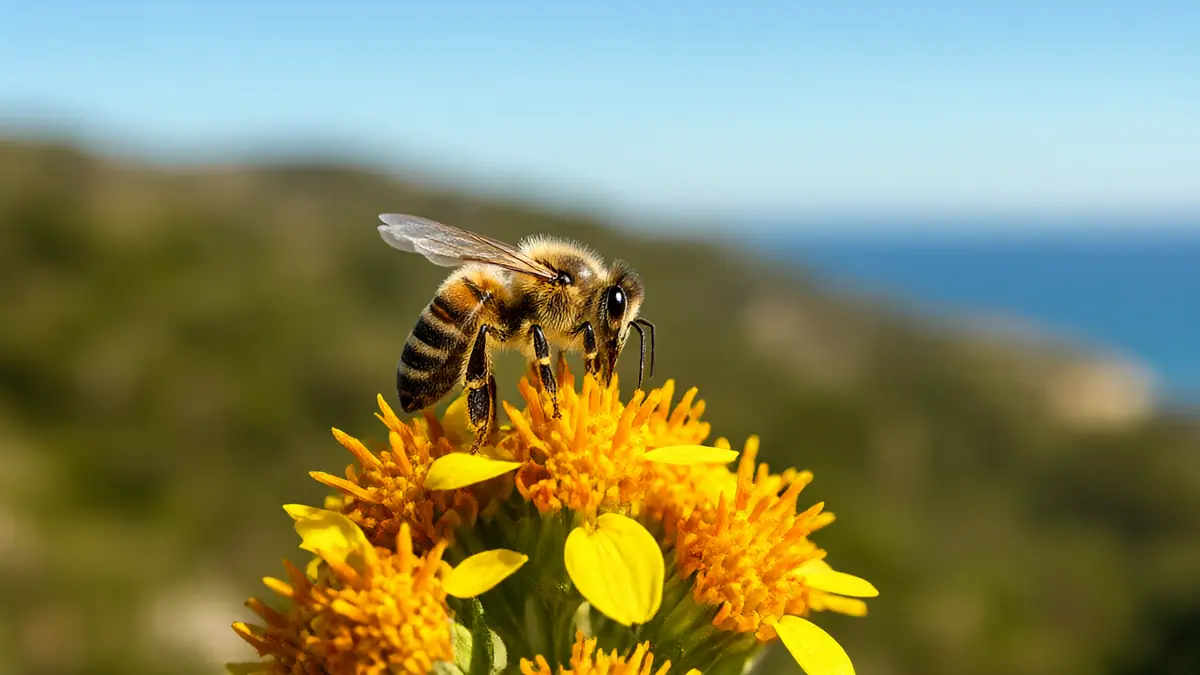
Global patterns and drivers of bee richness and endemism on islands.

Islands account for a disproportionate share of global biodiversity 1 , yet insects, including invaluable pollinators such as bees 2 , remain underrepresented in island biogeography research 3 . Here we present a global checklist of island bees, recording 4,147 species across 305 islands. Although islands comprise only about 6% of the Earth's land area, they support around 20% of known global bee diversity, and 42% of insular species are endemic, making up around 8% of all known bee species. Isl

Continue reading
Environment

Resolving Ultrafast Electronic and Chiral Structural Dynamics That Govern Circularly Polarized Luminescence from Eu(III) Antenna Complexes.

Circularly polarized luminescence (CPL) from chiral molecules and materials has promising applications in display technology, optical sensing, and quantum information science. However, luminescent-state configurations that approach the maximum degree of circular polarization in emission have only been achieved in exceptional cases, most notably in Eu(III) antenna complexes. An open challenge is the understanding and suppression of detrimental relaxation dynamics of the CPL-active state, which ca

Continue reading