Oligodendrocytes in central nervous system health and disease.
Oligodendrocytes are a specialized class of glial cells responsible for myelination, which sustains central nervous system (CNS) function. Though long considered a passive and static cell, the oligodendrocyte is now recognized to actively support axonal energy demands through metabolic provision, modify neural signaling in response to environmental stimuli through adaptive myelination, and repair or regenerate myelin following injury. However, oligodendrocytes become dysfunctional in aging and d
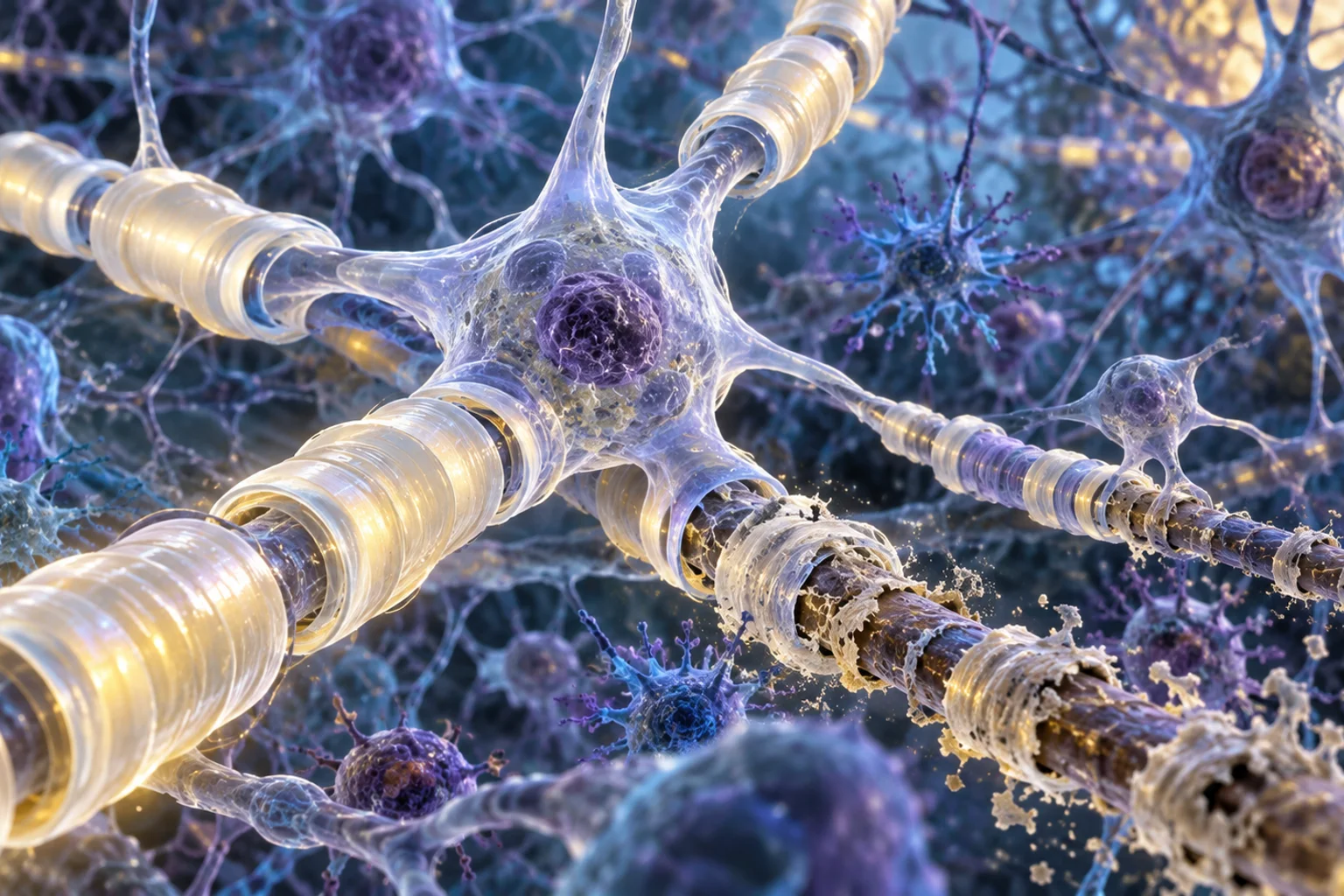
Oligodendrocytes are a specialized class of glial cells responsible for myelination, which sustains central nervous system (CNS) function. Though long considered a passive and static cell, the oligodendrocyte is now recognized to actively support axonal energy demands through metabolic provision, modify neural signaling in response to environmental stimuli through adaptive myelination, and repair or regenerate myelin following injury. However, oligodendrocytes become dysfunctional in aging and disease. Emerging research has uncovered that oligodendrocytes can even contribute to CNS pathology themselves, making them novel therapeutic targets for neurological disease. In this review, we highlight key advancements to our understanding of oligodendrocytes in development, homeostasis, aging, and disease and how their heterogeneity influences their roles in these contexts. We highlight outstanding questions that require further study to progress our understanding of oligodendrocytes.