Health & Medicine

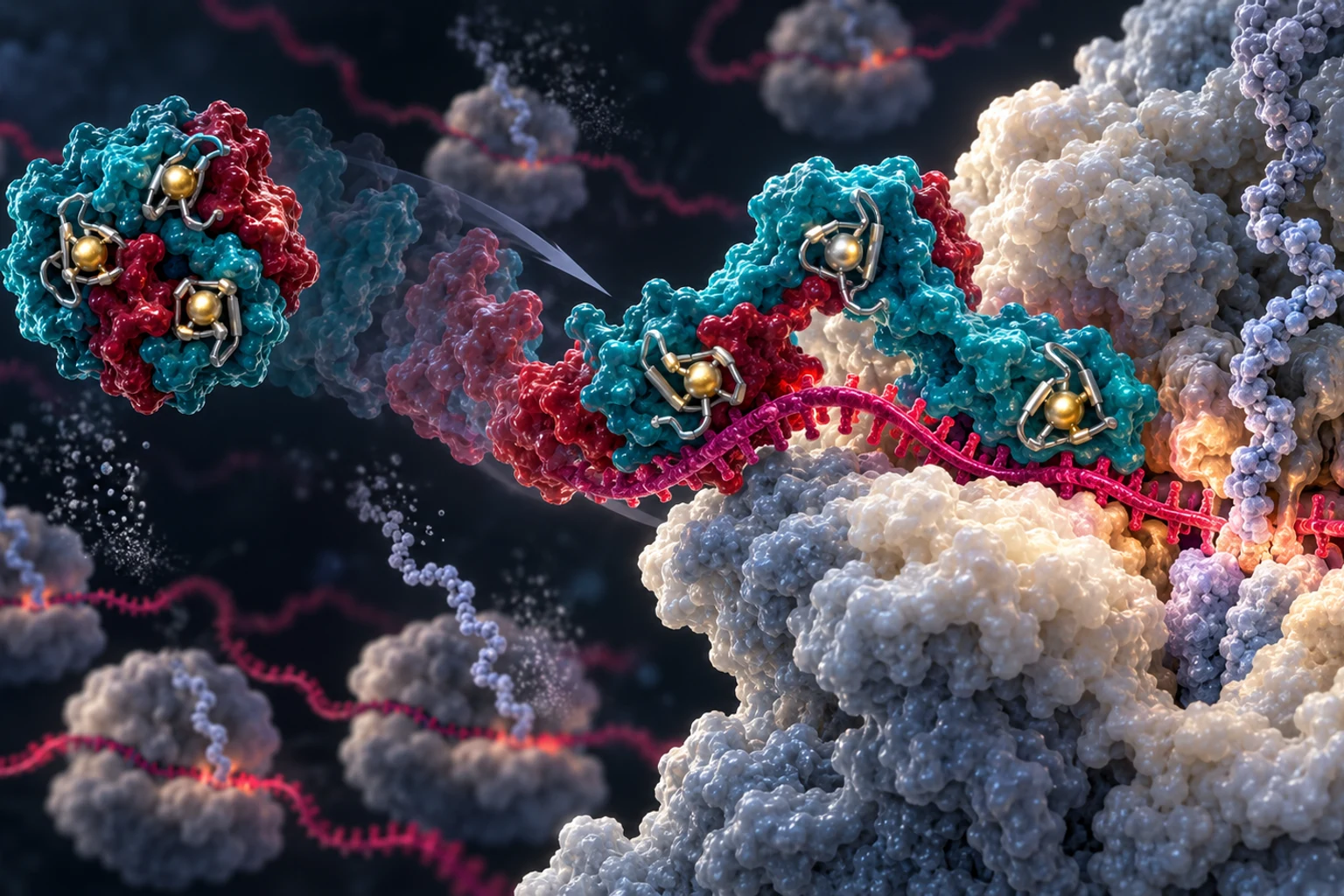
Non-invasive control of gene editing in vivo by photoswitchable Cas12f and focused ultrasound.
| Source: Cell

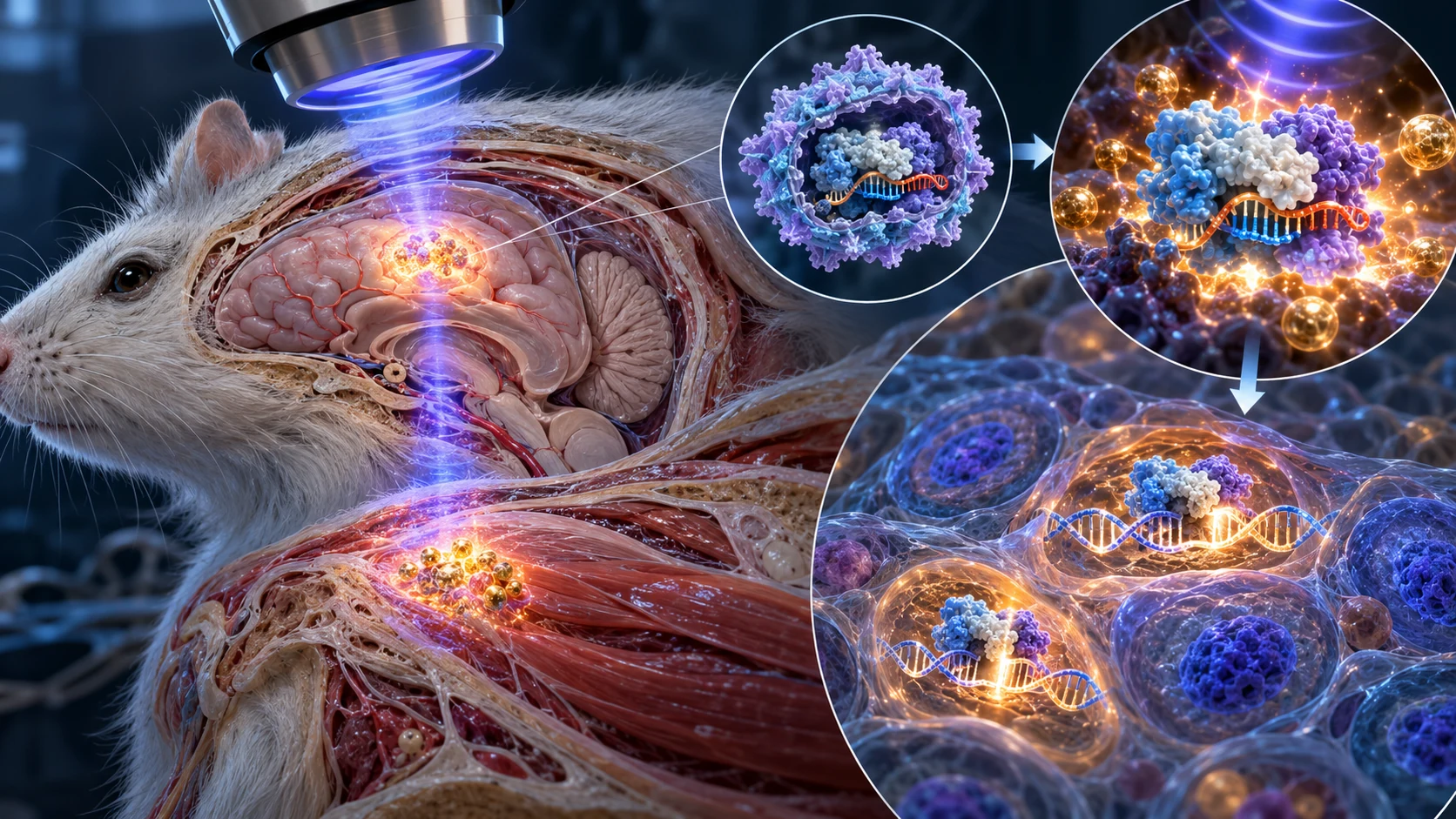
A spatiotemporally controllable CRISPR-Cas system would be highly desirable for restricting gene editing to specific times and locations in vivo. Ideally, such a system would be compatible with tissue- or cell-type-specific delivery by adeno-associated virus (AAV) and could be controlled from outside the body. However, neither the delivery of controllable CRISPR-Cas systems by single AAV particles nor their noninvasive activation deep within tissue has yet been achieved. In this study, we addres

A spatiotemporally controllable CRISPR-Cas system would be highly desirable for restricting gene editing to specific times and locations in vivo. Ideally, such a system would be compatible with tissue- or cell-type-specific delivery by adeno-associated virus (AAV) and could be controlled from outside the body. However, neither the delivery of controllable CRISPR-Cas systems by single AAV particles nor their noninvasive activation deep within tissue has yet been achieved. In this study, we address both of these limitations. We engineer compact photoswitchable Cas12f (psCas12f) proteins that are co-deliverable with their single guide RNA (sgRNA) in a single AAV particle. We then activate psCas12f in vivo using focused ultrasound (FUS) and mechanoluminescent particles, enabling precise spatiotemporal control. We demonstrate successful gene editing in the targeted skeletal muscle and brain regions of mice using AAV-transduced psCas12f and FUS. In summary, we describe a completely noninvasive method for localized gene editing in vivo.
Read the original source →

Related Stories

Health & Medicine

Cellular remodeling during reversible life-stage transition in sessile ciliates: Genomic and transcriptomic insights.

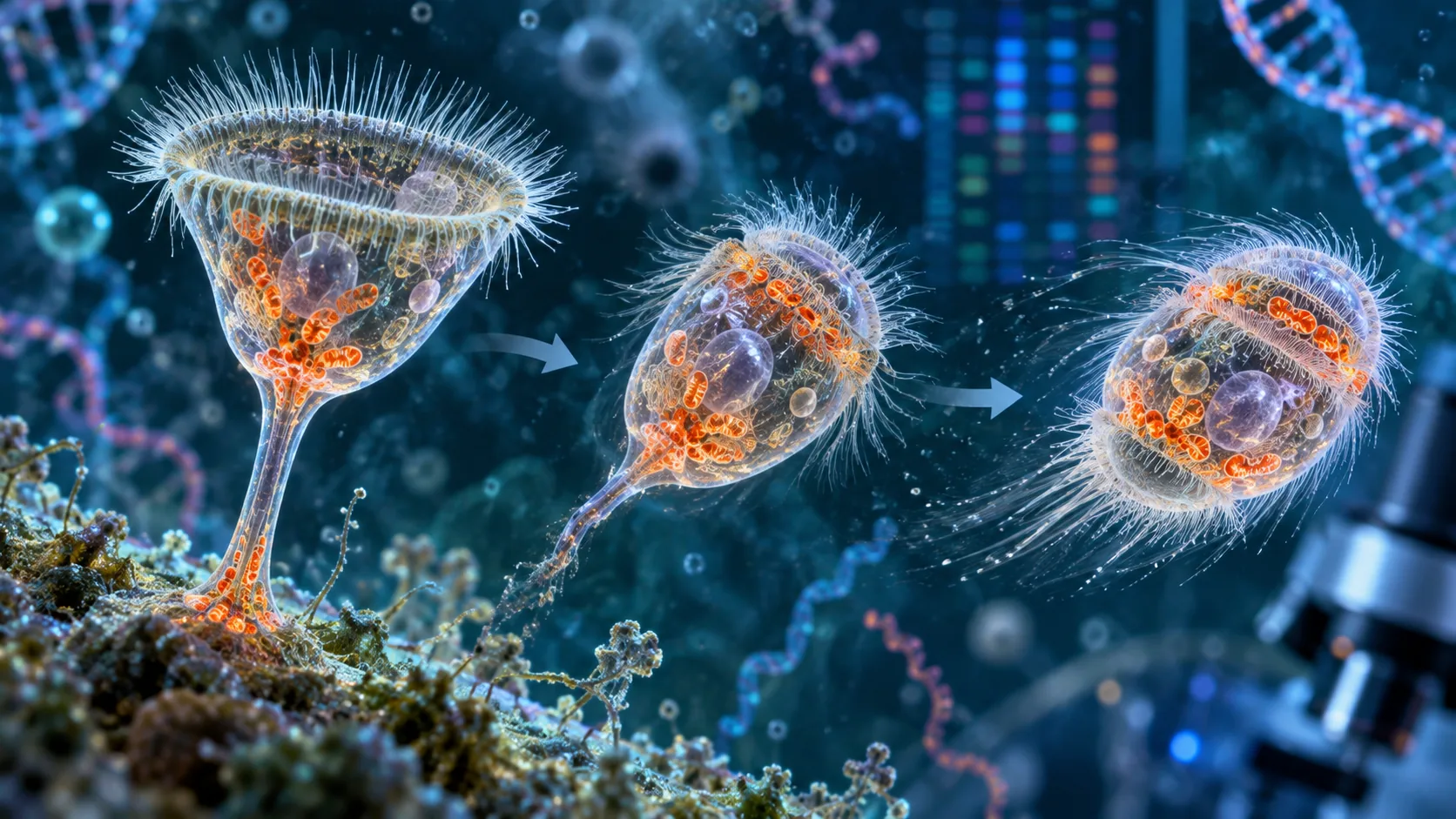
Unraveling mechanisms driving dramatic life-stage transitions in response to environmental stress is central to understanding cellular adaptation. We studied a distinctive group of sessile ciliates that undergo profound morphological and organellar remodeling when transitioning from sessile trophonts to motile telotrochs. We generated chromosome-level genomes for two colonial species ( Campanella sinica , Epistylis hentscheli ) and one solitary species ( Vorticella campanula ), revealing genome

Continue reading
Health & Medicine

Zinc mediates the allosteric activation of Shiftless to suppress programmed -1 ribosomal frameshifting.

Many medically important viruses, including HIV-1 and severe acute respiratory syndrome coronavirus 2, utilize programmed -1 ribosomal frameshifting (-1 PRF) to synthesize certain proteins essential for the viral life cycle. Shiftless (SHFL) is an interferon-simulated, zinc finger-containing protein that restricts -1 PRF and viral infection. However, its regulatory spectrum and mechanism remain largely unclear. Here, we showed that SHFL orthologs potently suppress a wide variety of viral and cel

Continue reading
Health & Medicine

Selective ablation of dsDNA-specific plasma cells improves lupus nephritis in NZB/W mice.

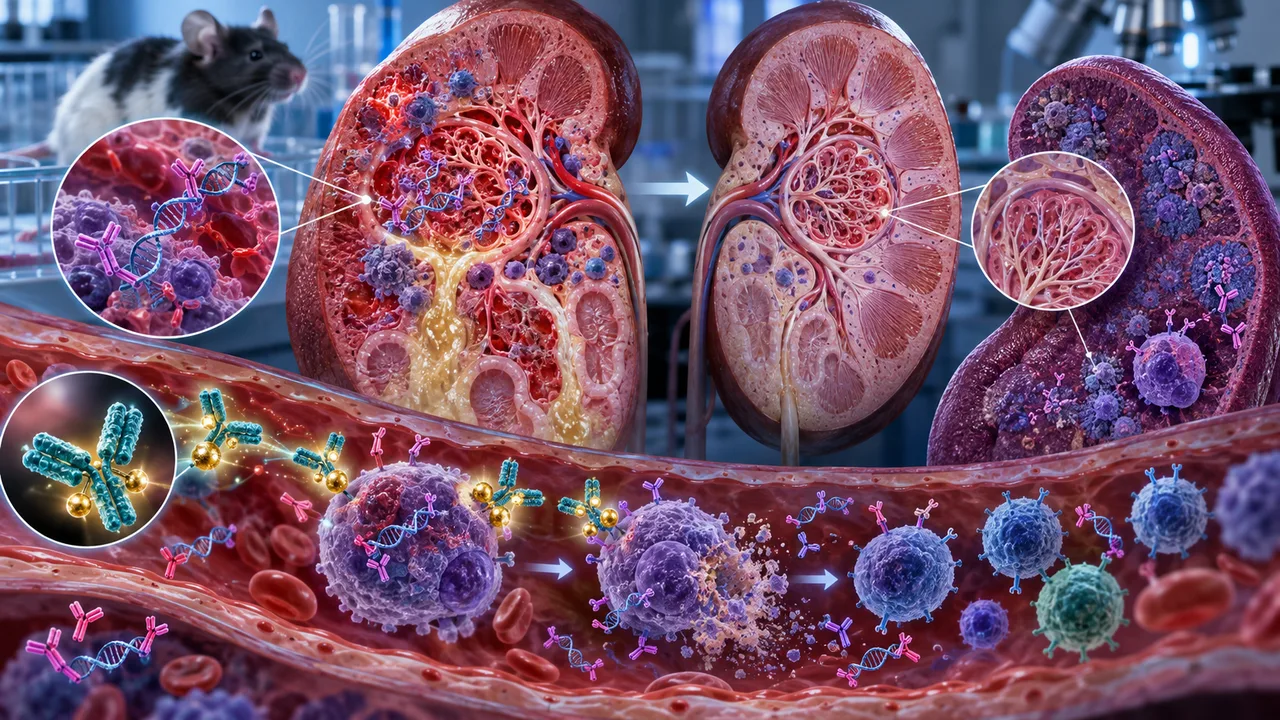
Antibodies specific for double-stranded DNA (dsDNA) are thought to play a crucial role in the pathogenesis of lupus nephritis. Plasma cells have emerged as a promising therapeutic target in antibody-mediated diseases. Here, we show that dsDNA oligonucleotides longer than 80 bp and irrespective of their sequence, react with more than 80% of murine and human dsDNA antibodies. With a conjugate of a modified antibody to mouse CD138 and 100 bp dsDNA oligonucleotides, we demonstrate the selective depl

Continue reading
Health & Medicine

The genomic origins of cyanobacterial morphological diversity.

Cyanobacteria are the only prokaryotes to have evolved oxygenic photosynthesis, transforming the geochemistry and biology of the planet. They exhibit remarkable morphological diversity and represent one of the earliest known multicellular organisms, including filamentous growth and cellular differentiation. However, the genomic mechanisms underlying their repeated transitions between unicellularity and multicellularity remain unresolved. Here, we implement phylogenomic and Bayesian molecular clo

Continue reading
Health & Medicine

Perfluorooctane sulfonate directly interacts with IRF3 to attenuate antiviral innate immunity.

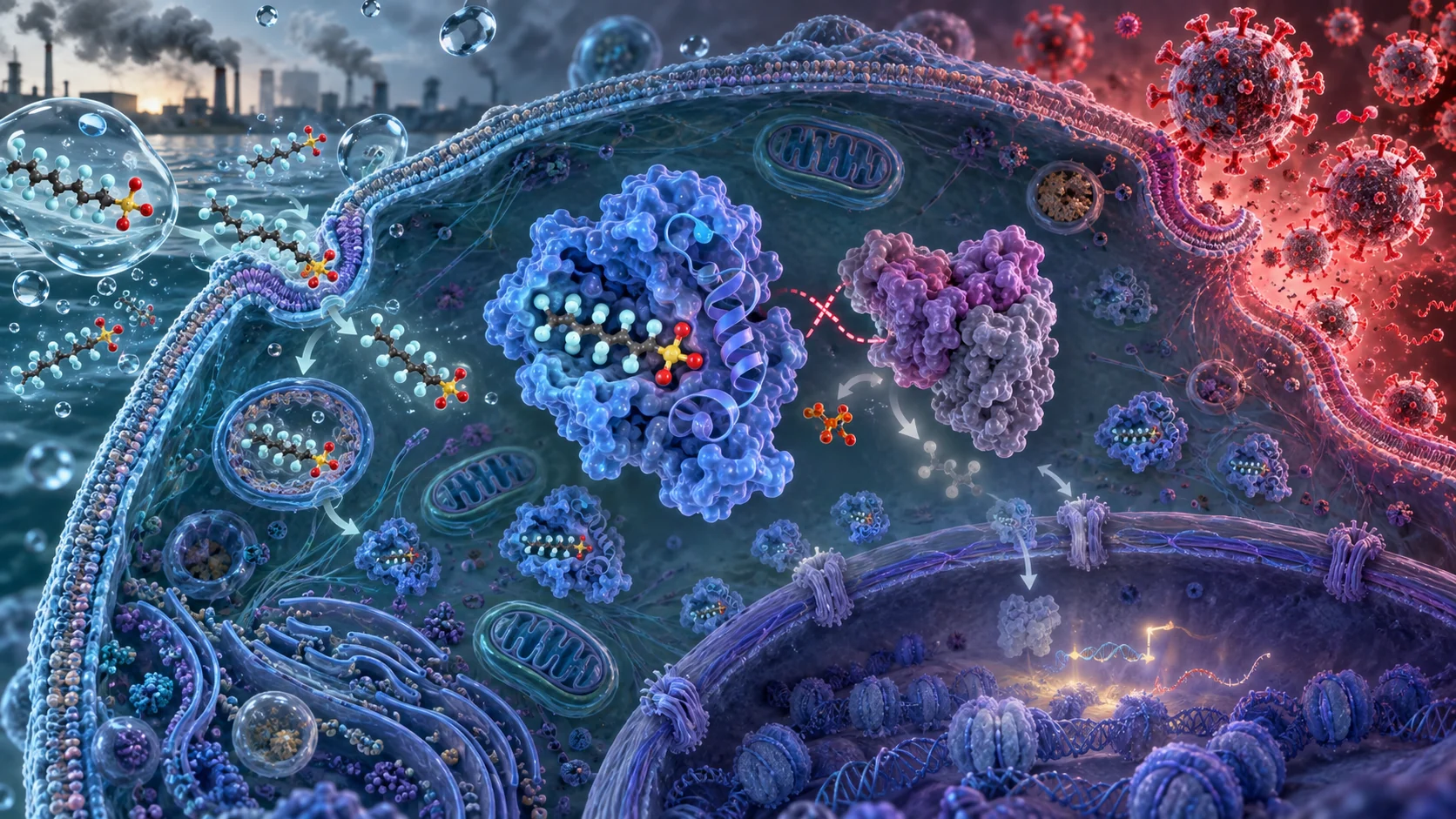
Perfluorooctane sulfonate (PFOS), a prominent per- and polyfluoroalkyl substance (PFAS), has raised significant public health concerns due to its widespread use, environmental persistence, and bioaccumulation potential. Both epidemiological and experimental studies demonstrate that PFOS exposure causes immunotoxicity and disrupts both innate and adaptive immunity. However, the specific effects of PFOS on innate antiviral immunity remain poorly understood. Here, by integrating multi-omics analysi

Continue reading