Health & Medicine

IGF2BP1 in 17q-gain cooperates with MYCN to regulate purine biosynthesis and immunotherapy efficacy in neuroblastoma.
| Source: Proceedings of the National Academy of Sciences of the United States of America

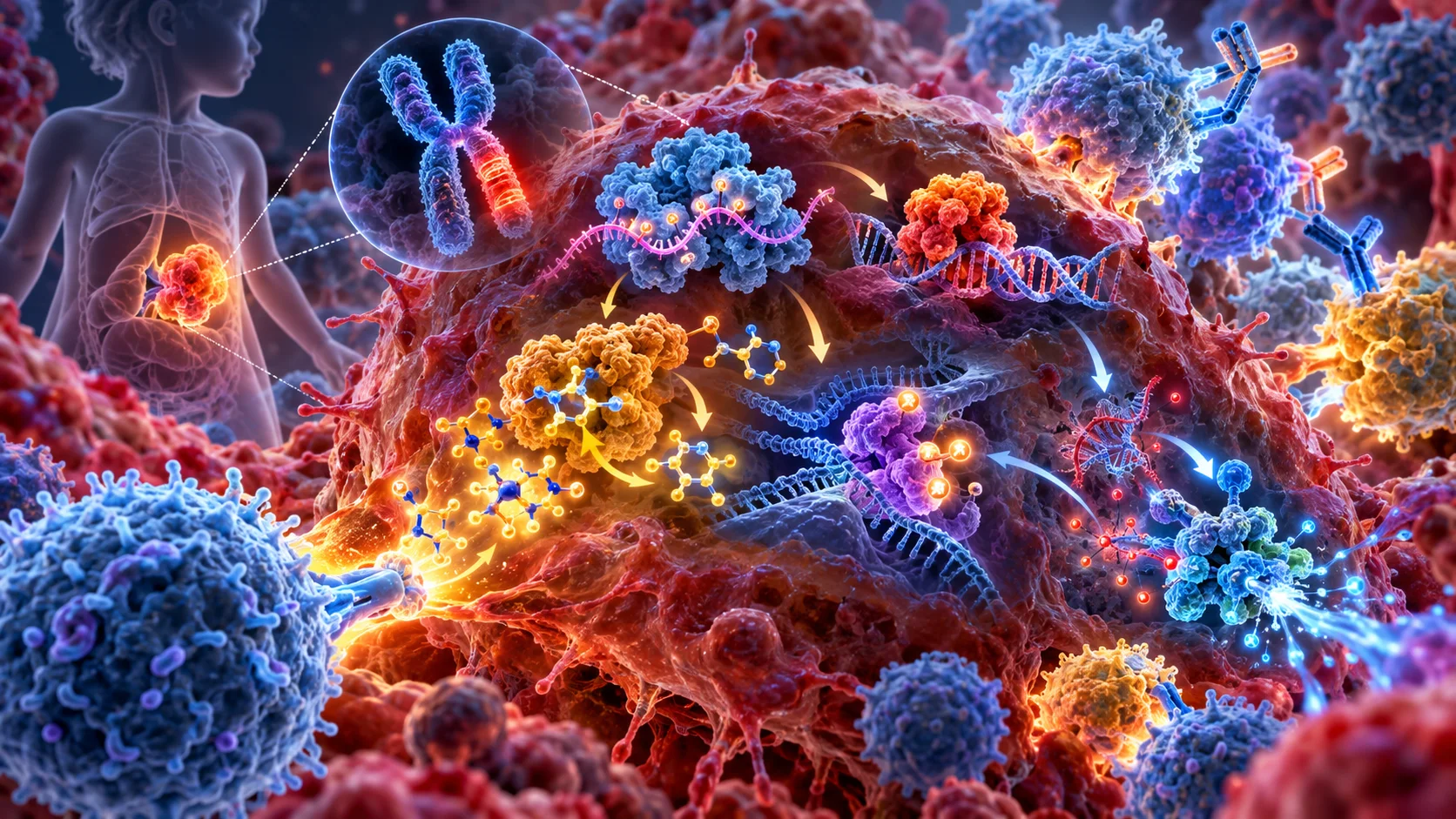
Concurrent chromosomal 17q-gain and MYCN amplification define a subset of neuroblastoma associated with particularly adverse clinical outcomes. However, how these genetic alterations synergize to promote tumor progression and whether their cooperation confers therapeutic vulnerabilities remain elusive. We herein performed a CRISPR-based functional screen targeting 17q-gain genes and identified the RNA m 6 A reader IGF2BP1 as a critical MYCN collaborator to promote aggressive neuroblastomas via a

Concurrent chromosomal 17q-gain and MYCN amplification define a subset of neuroblastoma associated with particularly adverse clinical outcomes. However, how these genetic alterations synergize to promote tumor progression and whether their cooperation confers therapeutic vulnerabilities remain elusive. We herein performed a CRISPR-based functional screen targeting 17q-gain genes and identified the RNA m 6 A reader IGF2BP1 as a critical MYCN collaborator to promote aggressive neuroblastomas via activation of phosphoribosylaminoimidazole succinocarboxamide synthetase (PAICS), a key enzyme involved in de novo purine biosynthesis. Rewiring of PAICS-mediated nucleotide metabolism enabled tumor cells to sustain necessary purine pools for productive transcription of replicative stress-responsive genes, including CHK1 , to cope with the exacerbated replication stress. Pharmacological inhibition of CHK1 elicited a robust immune reprogramming, leading to activation of cGAS-STING signaling, upregulation of Major Histocompatibility Complex class I expression, and synergistic tumor suppression with immune checkpoint blockade. Altogether, we identify an IGF2BP1/MYCN-PAICS-CHK1 axis that drives aggressive neuroblastoma phenotypes and constitutes an actionable vulnerability for therapeutic intervention.

Read the original source →

Related Topics

Related Stories

Health & Medicine

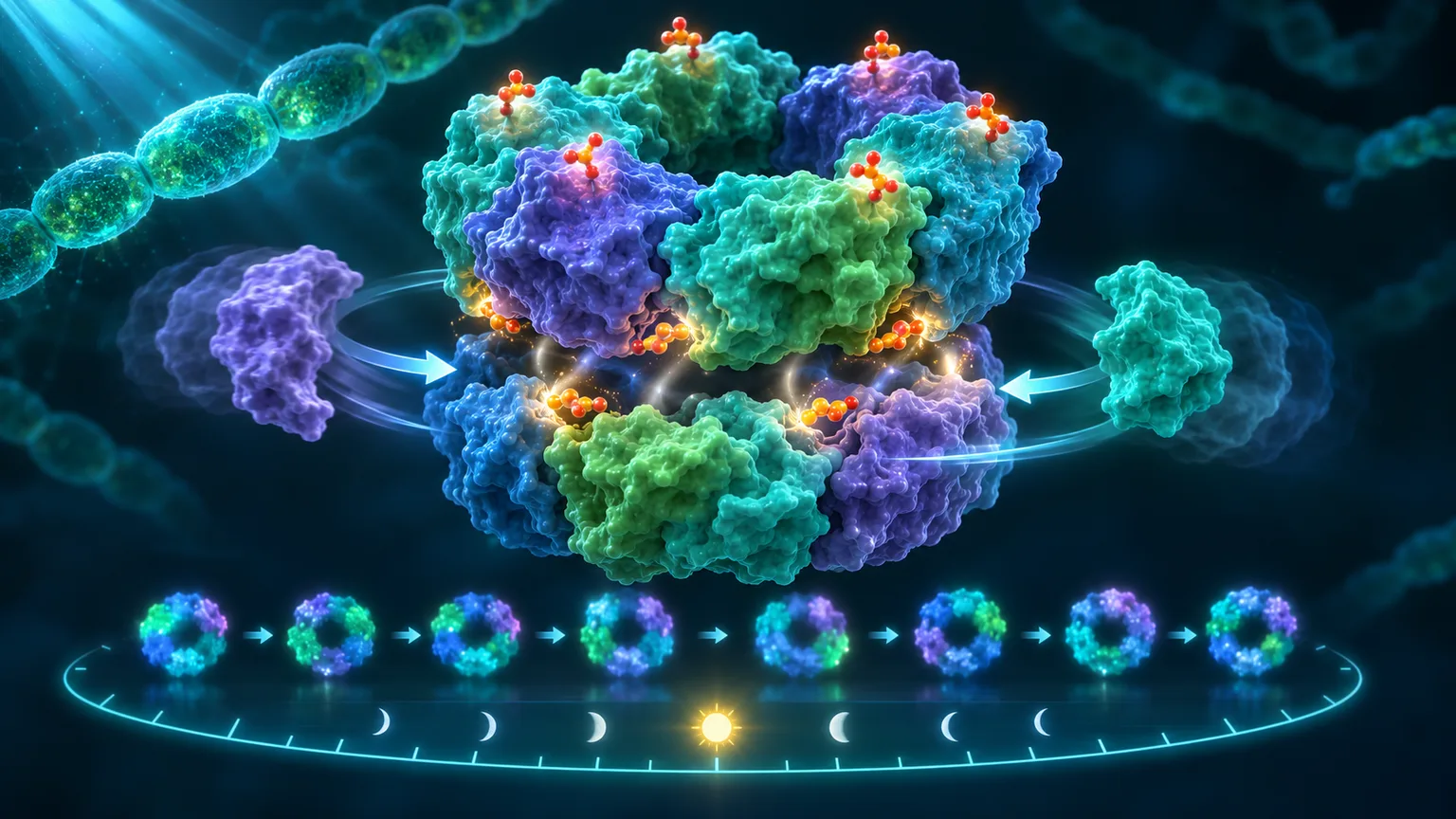
Phosphorylation-dependent ATPase activity regulates subunit shuffling dynamics in cyanobacterial circadian clock proteins.

Protein complexes are essential for cellular functions, with their dynamics increasingly recognized as key regulatory elements. In the cyanobacterial circadian clock, the KaiC hexamer is highly dynamic, undergoing phosphorylation-dependent monomer shuffling that synchronizes individual oscillators. However, the molecular mechanism of monomer shuffling is not fully understood. Here we combine a chromatography-based method with single-molecule fluorescence microscopy to quantify subunit exchange i

Continue reading
Health & Medicine

Telehealth to Support Coordinated Spontaneous Awakening and Breathing Trials in Invasive Ventilation: The TEACH Cluster Randomized Clinical Trial.

Coordinated spontaneous awakening trials and spontaneous breathing trials (C-SAT/SBT) improve outcomes for patients receiving invasive mechanical ventilation, but implementation remains inadequate. To evaluate whether a telehealth intervention added to a standard audit and feedback implementation of C-SAT/SBT increases adherence and improves outcomes compared with standard audit and feedback implementation alone (control). A cluster randomized type 2 hybrid effectiveness-implementation clinical

Continue reading
Health & Medicine

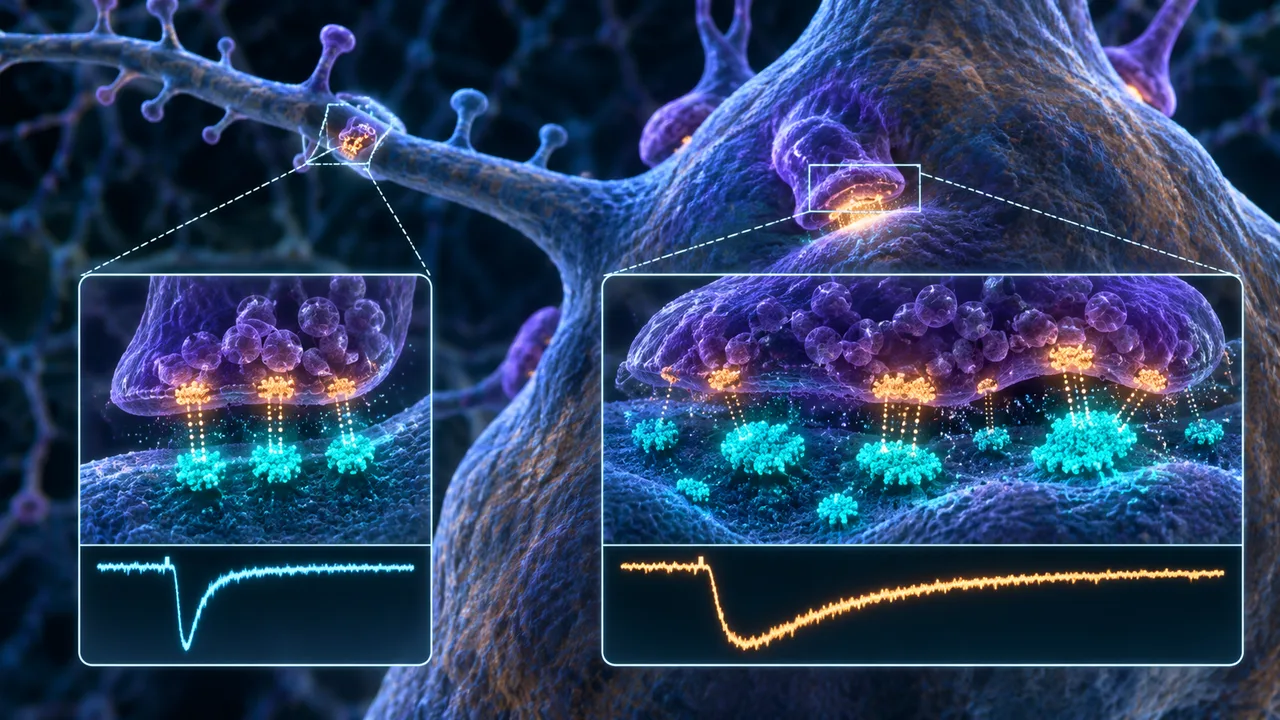
Distinct nanoscale architectures of GABAergic inhibitory synapses predict diverse synaptic output.

GABAergic synaptic inhibition is heterogenous across neuronal compartments, and plays a critical role in shaping local, cellular, and circuit excitability. In pyramidal neurons, inhibition is mediated by GABA A receptors (GABA A Rs) clustered at the inhibitory postsynaptic domain (iPSD). Synaptic strength depends not only on the number of GABA A Rs within the iPSD, but also on their precise nanoscale organization into discrete subsynaptic domains (SSDs). These SSDs often align with presynaptic G

Continue reading
Health & Medicine

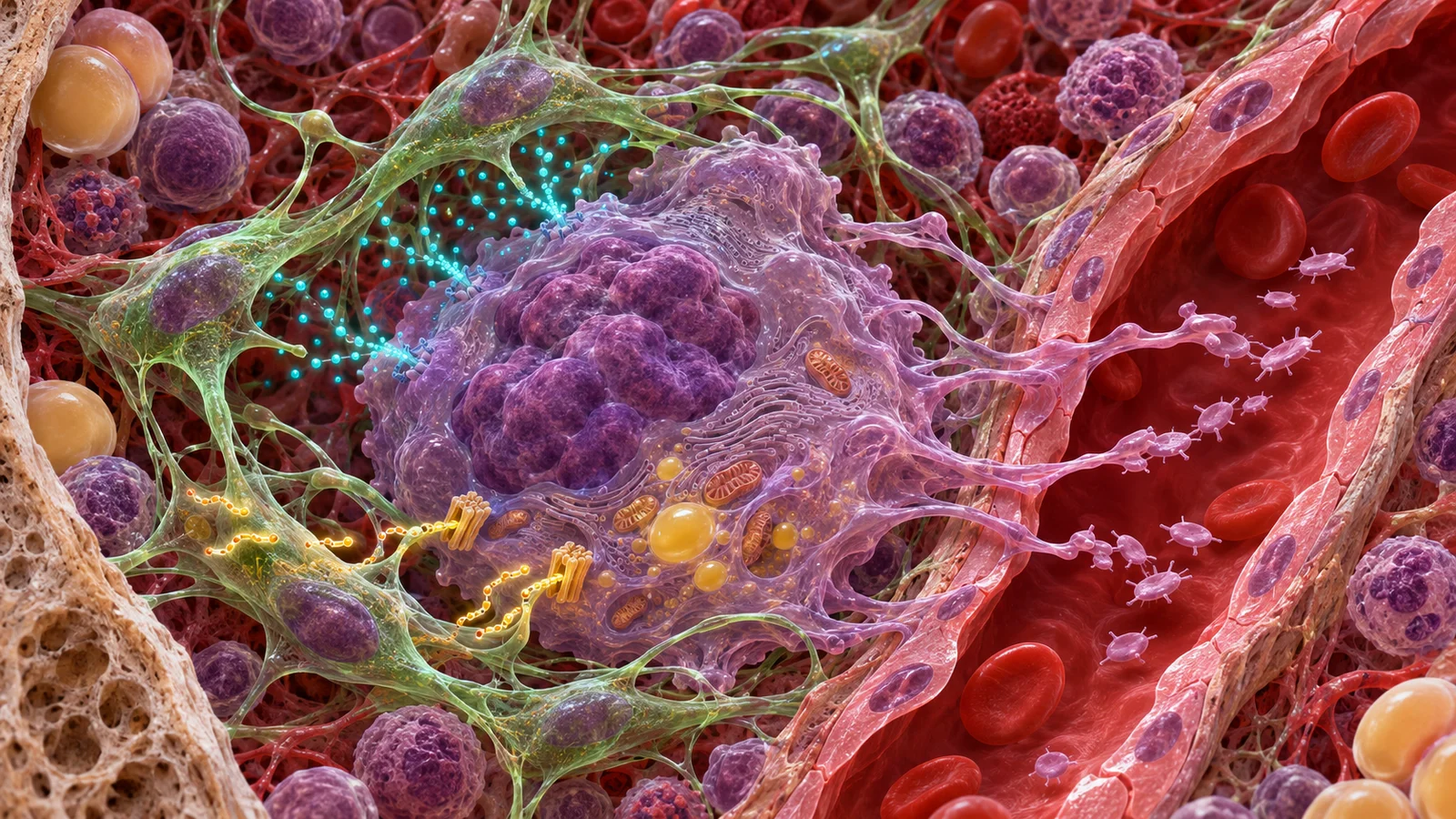
Leptin Receptor + cells create a perisinusoidal niche for thrombopoiesis in the bone marrow by synthesizing CXCL14.

Leptin Receptor-expressing (LepR + ) stromal cells in the bone marrow are a critical source of growth factors for the maintenance of hematopoietic stem cells (HSCs) and most restricted hematopoietic progenitors. An important unresolved question is whether they also regulate terminal differentiation in some hematopoietic cells. We found that bone marrow LepR + cells promote thrombopoiesis by synthesizing the chemokine CXCL14. Cxcl14 -expressing LepR + cells extend fine processes that wrap around

Continue reading
Health & Medicine

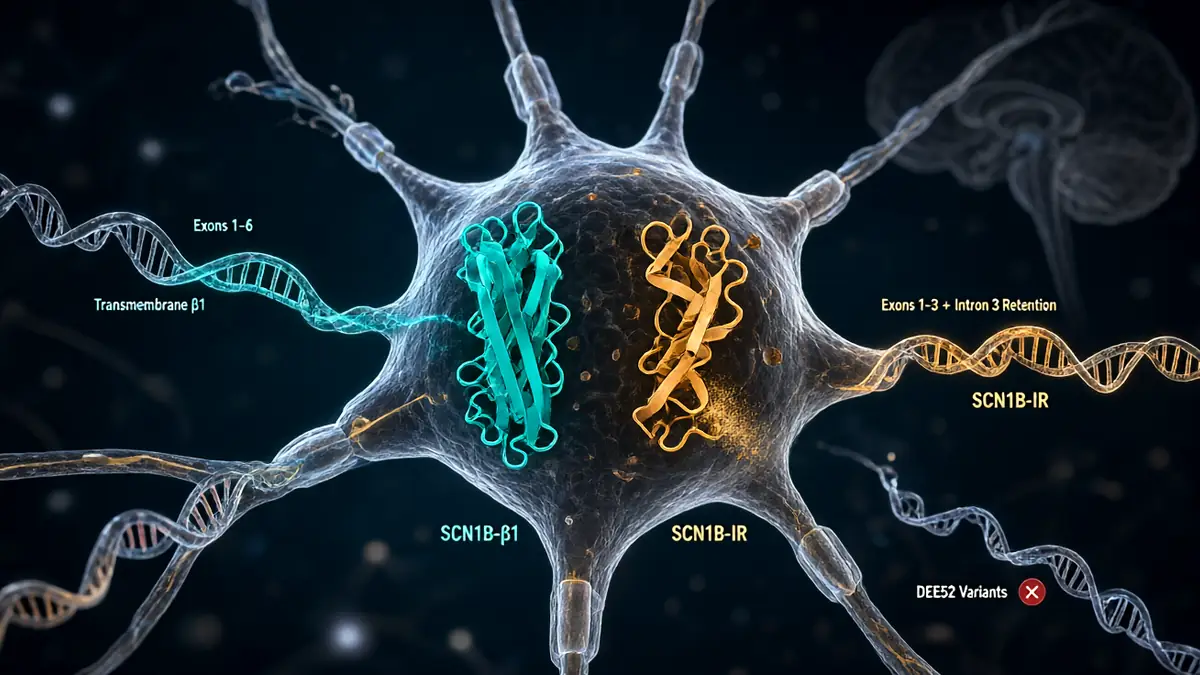
SCN1B intron 3 retention results in a nonsense-mediated decay-sensitive mRNA linked to developmental and epileptic encephalopathy.

Biallelic variants in the voltage-gated sodium channel (VGSC) gene SCN1B are linked to developmental and epileptic encephalopathy type 52 (DEE52). SCN1B encodes two isoforms: transmembrane β1, generated by all 6 coding exons, and β1B, generated by exons 1 to 3 followed by retention of intron 3 ( SCN1B -IR). Transmembrane β1 subunits are multifunctional proteins that regulate sodium current and channel cell-surface expression, participate in cell-cell and cell-matrix adhesion, a

Continue reading