Health & Medicine

Phosphorylation-dependent ATPase activity regulates subunit shuffling dynamics in cyanobacterial circadian clock proteins.
| Source: Proceedings of the National Academy of Sciences of the United States of America

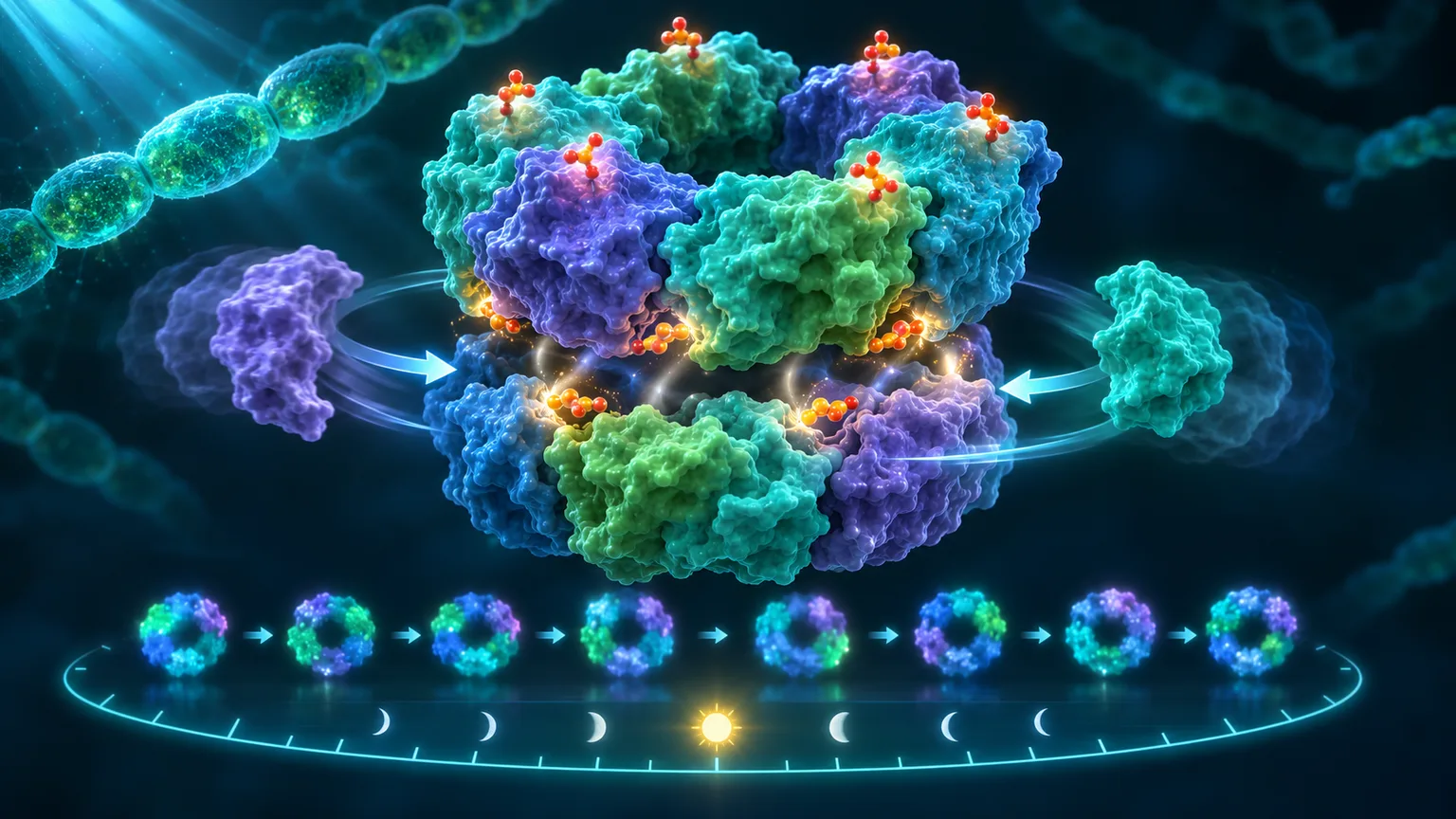
Protein complexes are essential for cellular functions, with their dynamics increasingly recognized as key regulatory elements. In the cyanobacterial circadian clock, the KaiC hexamer is highly dynamic, undergoing phosphorylation-dependent monomer shuffling that synchronizes individual oscillators. However, the molecular mechanism of monomer shuffling is not fully understood. Here we combine a chromatography-based method with single-molecule fluorescence microscopy to quantify subunit exchange i

Protein complexes are essential for cellular functions, with their dynamics increasingly recognized as key regulatory elements. In the cyanobacterial circadian clock, the KaiC hexamer is highly dynamic, undergoing phosphorylation-dependent monomer shuffling that synchronizes individual oscillators. However, the molecular mechanism of monomer shuffling is not fully understood. Here we combine a chromatography-based method with single-molecule fluorescence microscopy to quantify subunit exchange in the hexamerization domain of KaiC (KaiC-CI) and in full-length KaiC. We show that ATPase activity is essential for monomer shuffling. Through quantitative modeling of experimental data, we found that adenosine triphosphate (ATP) hydrolysis at two independent monomer-monomer interfaces disassembles a KaiC-CI hexamer into two oligomers. Two complementary oligomers from two different hexamers can rapidly reform a mixed hexamer. Mechanistically, ATP hydrolysis induces unstable, shuffling-competent states in hexamers, while nucleotide exchange stabilizes them, suppressing shuffling. The balance between these two processes quantitatively explains the relationship between shuffling rate and ATPase activity across KaiC mutants observed in our experiments. Applying this model to full-length KaiC revealed that phosphorylation of the KaiC-CII domain modulates shuffling primarily by affecting the nucleotide exchange rate in the CI domain. This establishes a feedback loop where CII phosphorylation alters CI ATPase activity, which in turn controls subunit exchange to synchronize CII phosphorylation across the KaiC hexamer population. Our findings provide a mechanistic framework linking ATPase-driven subunit exchange to the robustness of circadian clocks, with implications for activation-coupled dynamics in other molecular machines.

Read the original source →

Related Stories

Health & Medicine

Telehealth to Support Coordinated Spontaneous Awakening and Breathing Trials in Invasive Ventilation: The TEACH Cluster Randomized Clinical Trial.

Coordinated spontaneous awakening trials and spontaneous breathing trials (C-SAT/SBT) improve outcomes for patients receiving invasive mechanical ventilation, but implementation remains inadequate. To evaluate whether a telehealth intervention added to a standard audit and feedback implementation of C-SAT/SBT increases adherence and improves outcomes compared with standard audit and feedback implementation alone (control). A cluster randomized type 2 hybrid effectiveness-implementation clinical

Continue reading
Health & Medicine

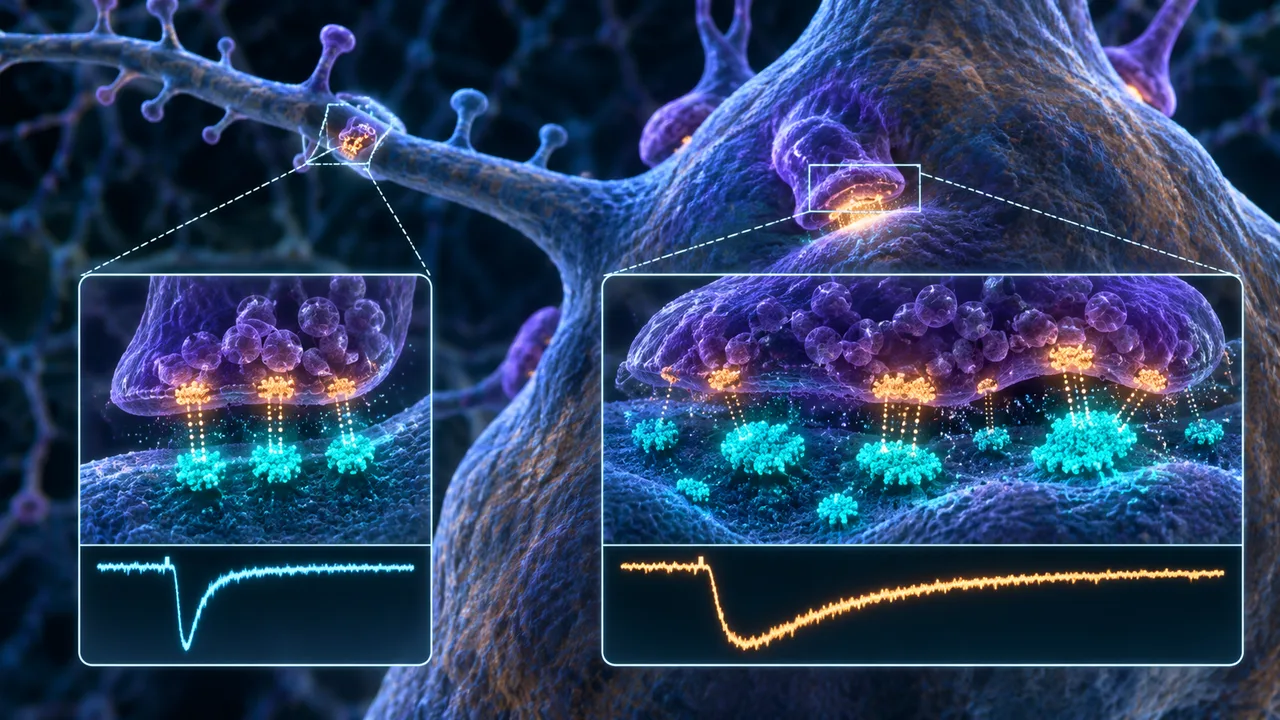
Distinct nanoscale architectures of GABAergic inhibitory synapses predict diverse synaptic output.

GABAergic synaptic inhibition is heterogenous across neuronal compartments, and plays a critical role in shaping local, cellular, and circuit excitability. In pyramidal neurons, inhibition is mediated by GABA A receptors (GABA A Rs) clustered at the inhibitory postsynaptic domain (iPSD). Synaptic strength depends not only on the number of GABA A Rs within the iPSD, but also on their precise nanoscale organization into discrete subsynaptic domains (SSDs). These SSDs often align with presynaptic G

Continue reading
Health & Medicine

Leptin Receptor + cells create a perisinusoidal niche for thrombopoiesis in the bone marrow by synthesizing CXCL14.

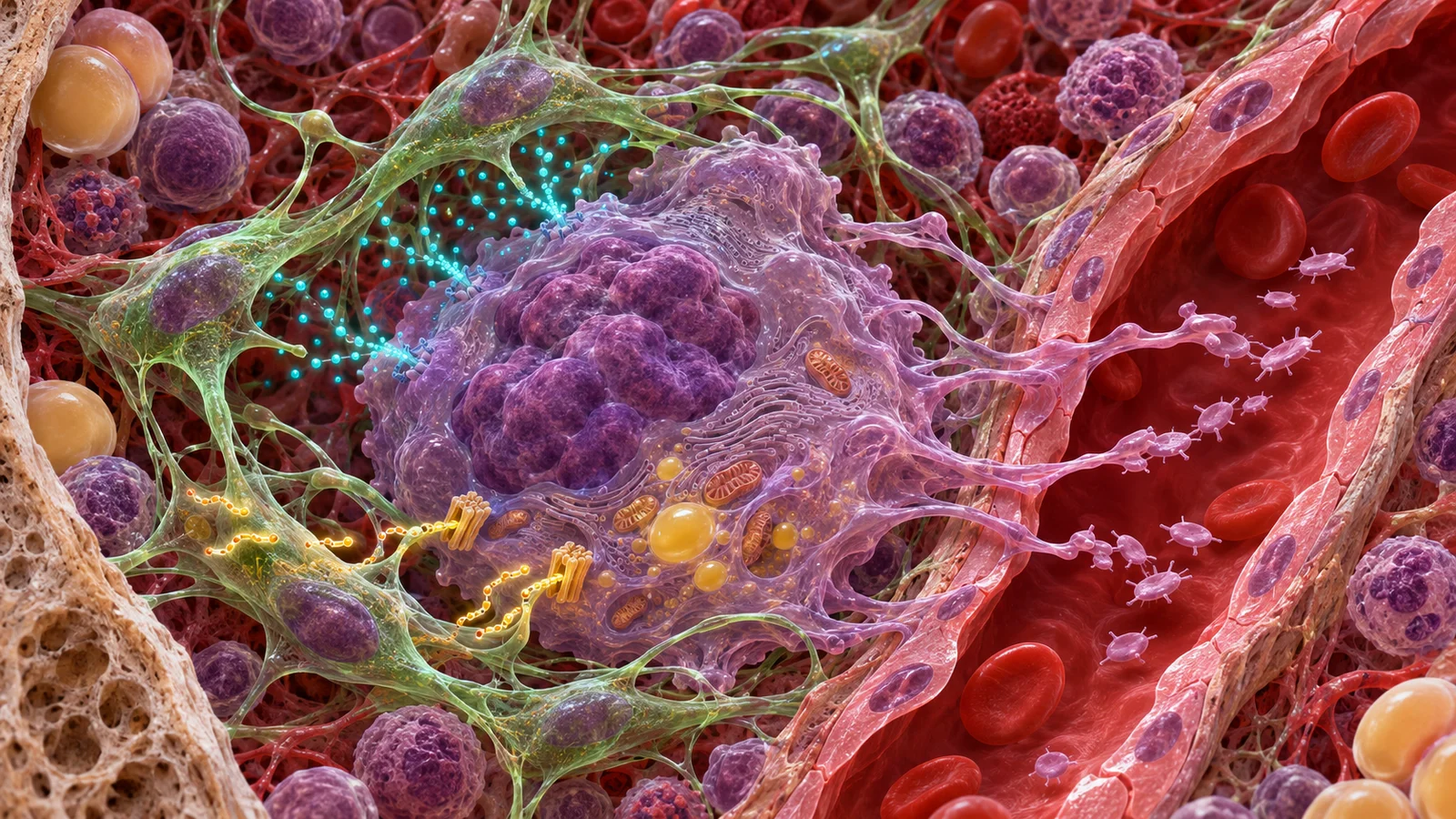
Leptin Receptor-expressing (LepR + ) stromal cells in the bone marrow are a critical source of growth factors for the maintenance of hematopoietic stem cells (HSCs) and most restricted hematopoietic progenitors. An important unresolved question is whether they also regulate terminal differentiation in some hematopoietic cells. We found that bone marrow LepR + cells promote thrombopoiesis by synthesizing the chemokine CXCL14. Cxcl14 -expressing LepR + cells extend fine processes that wrap around

Continue reading
Health & Medicine

SCN1B intron 3 retention results in a nonsense-mediated decay-sensitive mRNA linked to developmental and epileptic encephalopathy.

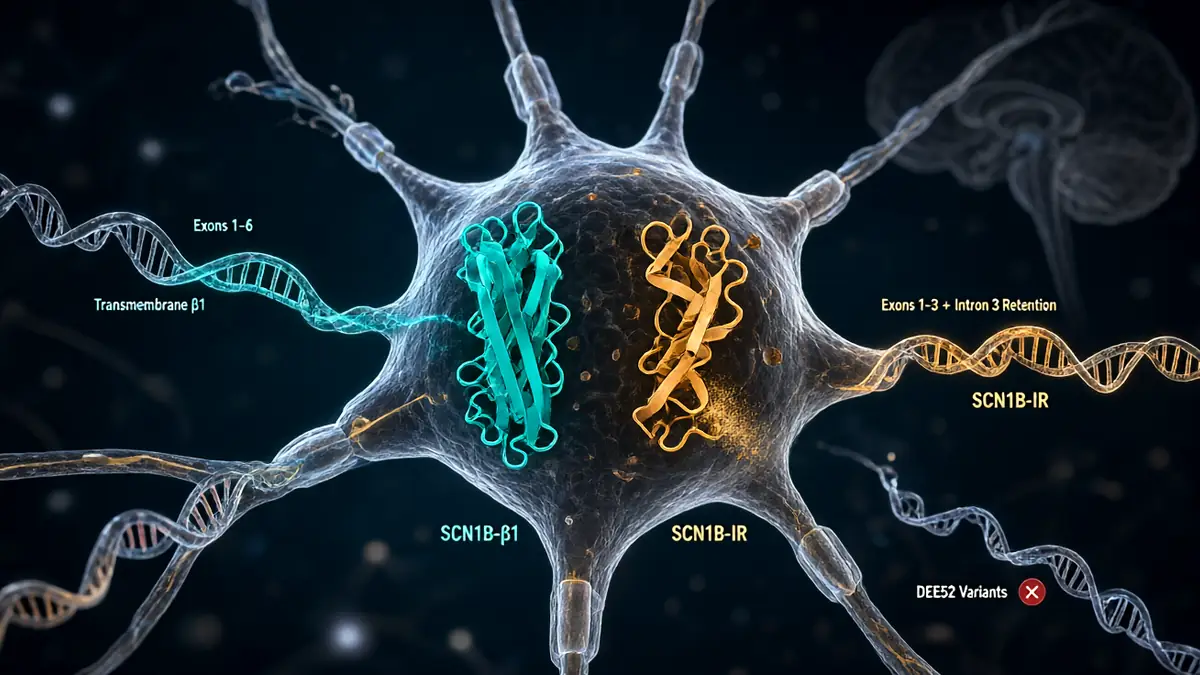
Biallelic variants in the voltage-gated sodium channel (VGSC) gene SCN1B are linked to developmental and epileptic encephalopathy type 52 (DEE52). SCN1B encodes two isoforms: transmembrane β1, generated by all 6 coding exons, and β1B, generated by exons 1 to 3 followed by retention of intron 3 ( SCN1B -IR). Transmembrane β1 subunits are multifunctional proteins that regulate sodium current and channel cell-surface expression, participate in cell-cell and cell-matrix adhesion, a

Continue reading
Health & Medicine

Anomeric configuration encodes mesophase preference of glucosylceramides in phospholipid membranes.

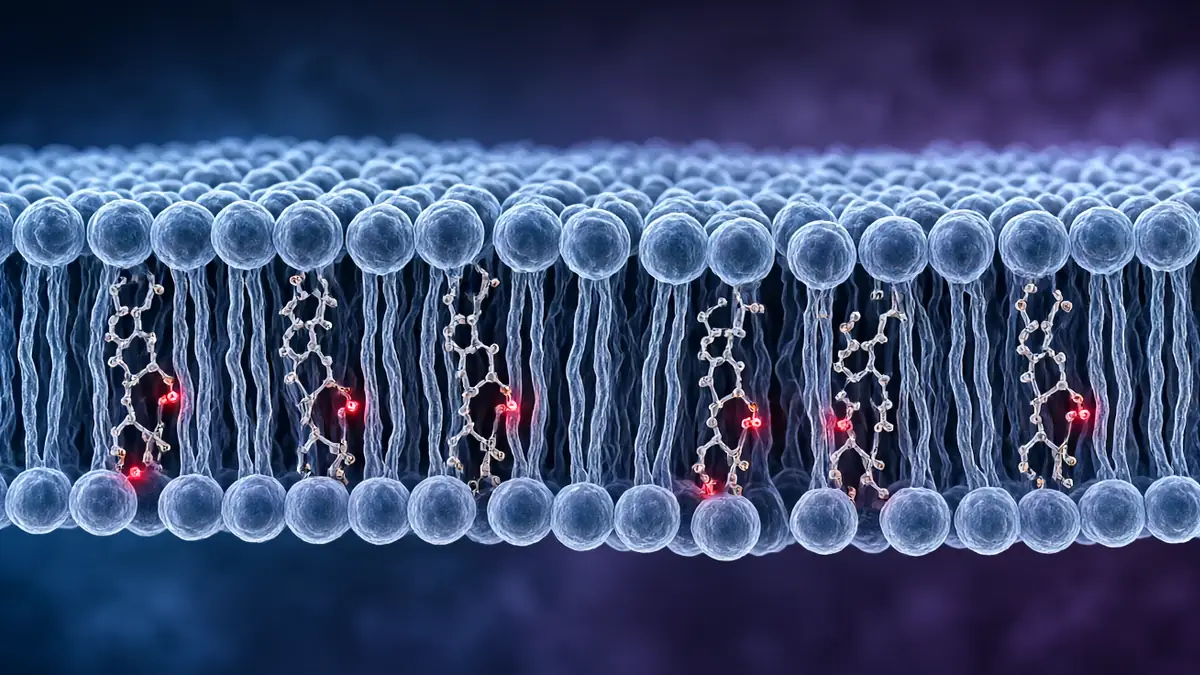
Glycosphingolipids are key components of the cell glycocalyx, yet the extent to which their anomeric configuration affects their membrane organization remains unclear. Glucosylceramide (GlcCer) exists as α- and β-anomers with distinct biological activities, while the biophysical basis for these differences is unknown. Here, using nitroxide spin-labeled analogs of α- and β-GlcCer, we examined how the glycosidic stereochemistry affects their partitioning in phospholipid bil

Continue reading