Environment

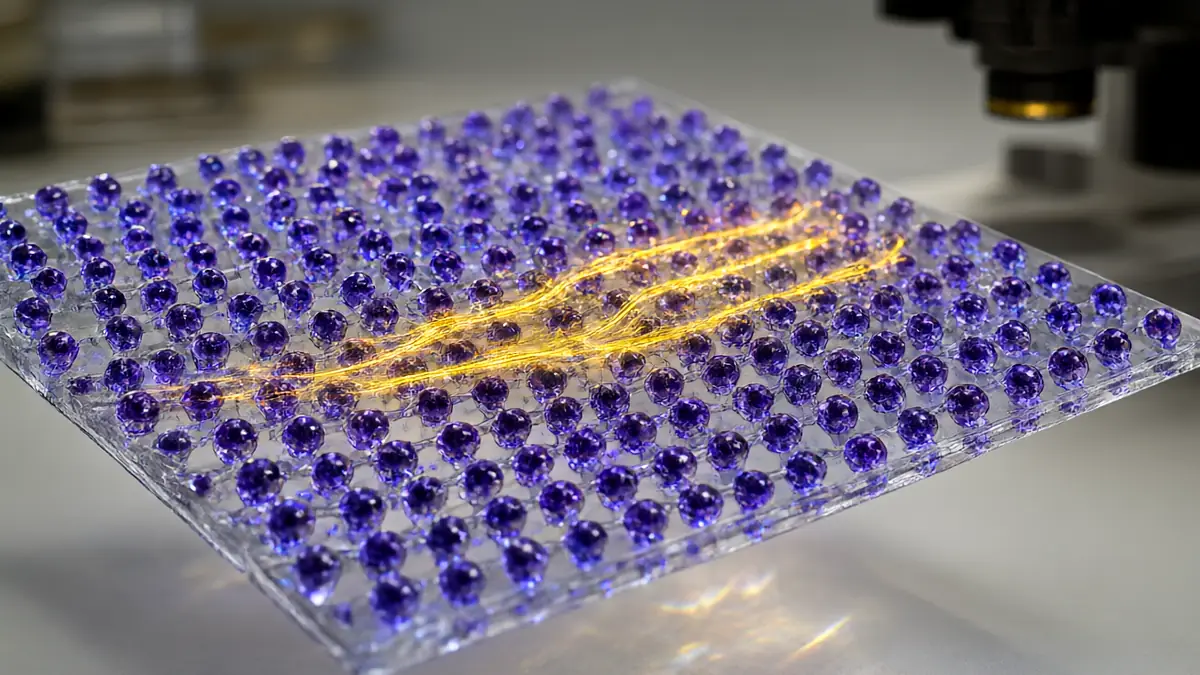
Ultralong sheathed single-metal-atom chains synthesized under high pressure.
| Source: Science (New York, N.Y.)

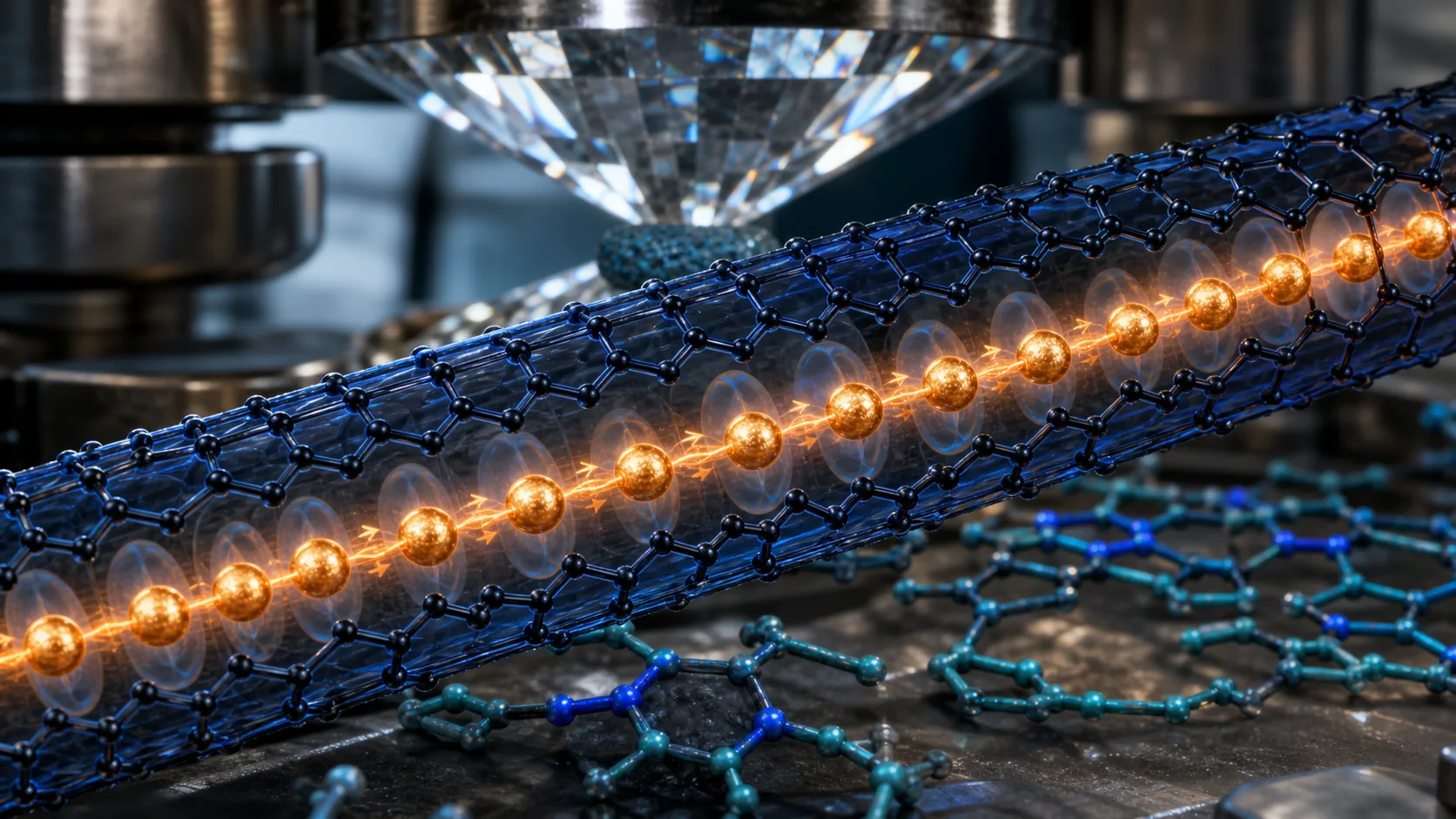
Single-metal-atom chains (SMACs) represent the ultimate limit of one-dimensional nanostructures. They serve as archetypal model systems for condensed matter physics and constitute fundamental building blocks for next-generation nanoelectronics. However, synthesis of SMACs suitable for practical applications remains challenging. In this work, we create micrometer-long, carbon-sheathed copper SMACs at milligram scale by compressing β-copper phthalocyanine to above 21 gigapascals. The SMACs a

Single-metal-atom chains (SMACs) represent the ultimate limit of one-dimensional nanostructures. They serve as archetypal model systems for condensed matter physics and constitute fundamental building blocks for next-generation nanoelectronics. However, synthesis of SMACs suitable for practical applications remains challenging. In this work, we create micrometer-long, carbon-sheathed copper SMACs at milligram scale by compressing β-copper phthalocyanine to above 21 gigapascals. The SMACs are in atom-scale ordering, are isolable through acid-assisted exfoliation, and exhibit exceptional stability, with Cu-Cu distance confined at 2.57 angstroms. Anisotropic conductance and antiferromagnetic interactions are suggested by experimental and computational results. This work establishes a universal synthetic strategy for sheathed SMACs, positioning them as a compelling platform for prospective electronic and spintronic applications.

Read the original source →

Related Stories

Environment

Windblown dunes are born in sand at the brink of transport.

Windblown dunes are found everywhere in the Solar System where a supply of loose sediment is mobilized by gas flows, from the sluggish winds of Venus to speed-of-sound sublimation flows on comets. Their abundance is nontrivial because dunes only form where grains hop ballistically ("saltate"). This implies that winds across the Solar System reach "goldilocks" speeds that are just right to initiate and maintain saltation of whatever sediment is available despite vast variations in material and fl

Continue reading
Environment

Submillimetre hot-electron transport in manganese-doped quantum dot solids.

Colloidal quantum dot solids are promising for photoconversion and photochemistry, but their performance is fundamentally limited by rapid hot-carrier cooling, low carrier mobility and short transport ranges 1 . Here we demonstrate a spin-exchange-driven phototransport regime in manganese-doped quantum dot films that enables the generation, long-range transport and regeneration of hot carriers. Ultrafast spin-exchange-mediated Auger upconversion promotes electrons into high-energy, delocalized s

Continue reading
Environment

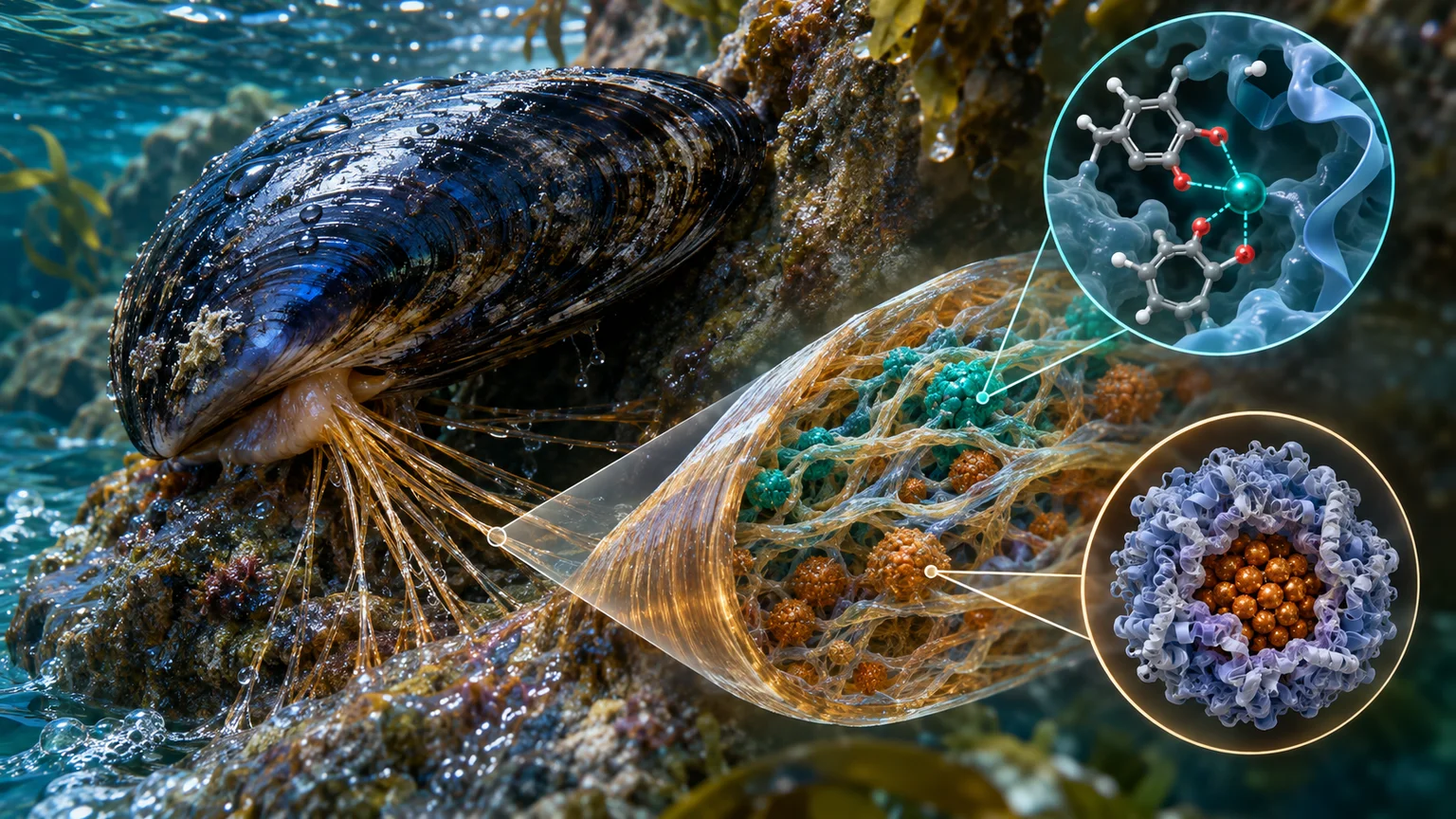
Mussels possess distinct vanadium and iron storage systems for fabricating metal-reinforced adhesive fibers.

Mussels fashion a protein-based fibrous adhesive holdfast known as a byssus to tether themselves in marine habitats against crashing waves. The capacity of mussels to anchor securely is dependent on load-bearing protein-metal cross-links mediated by 3,4-dihydroxyphenylalanine (DOPA) residues coordinated to metal ions, which significantly enhance byssus mechanical properties (e.g., adhesive strength, abrasion resistance, toughness, self-healing capacity). However, the natural metal incorporation

Continue reading
Environment

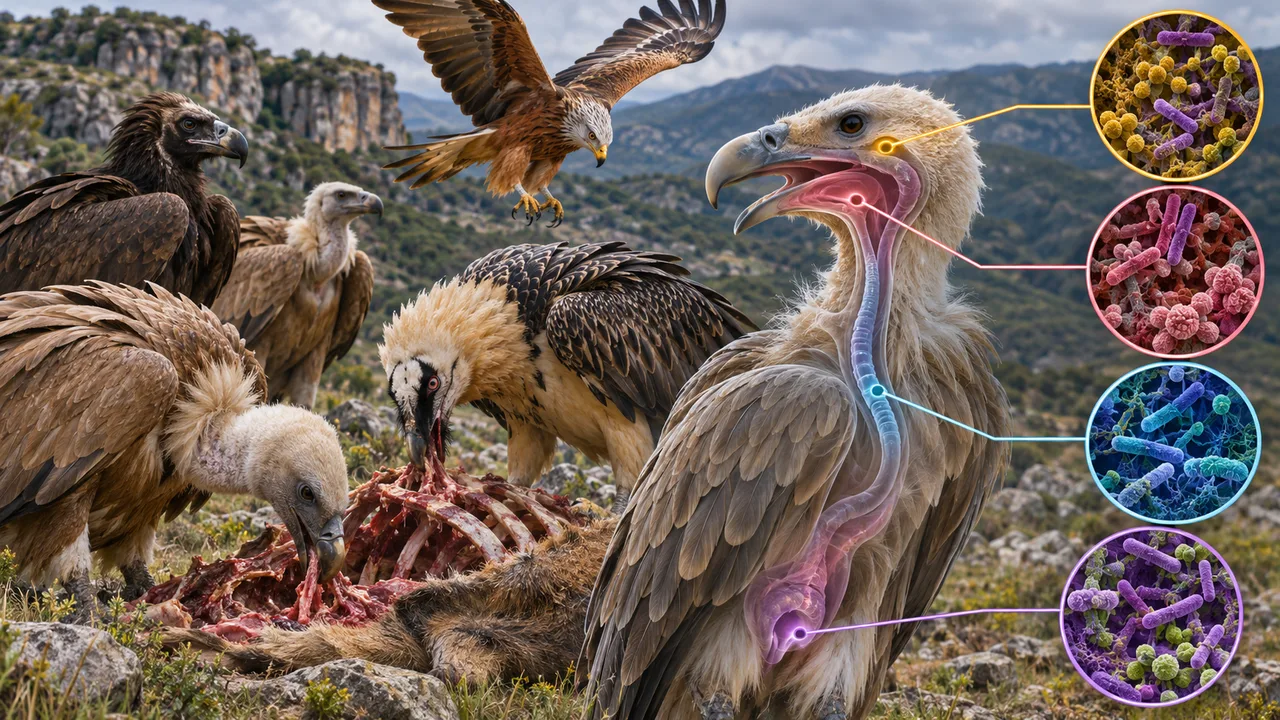
Host and anatomical filters prevent microbiome convergence in avian scavengers.

How host-associated microbiomes assemble under intense environmental microbial exposure remains a central question in microbial ecology. Vultures represent a unique natural system because these species differ markedly in feeding ecology and carcass use. We characterized bacterial communities across four anatomical niches (facial, buccal, tracheal, and cloacal) in 155 individuals spanning all four European obligate vulture species (subfamily Gypaetinae: Gypaetus barbatus, Neophron percnopterus, a

Continue reading
Environment

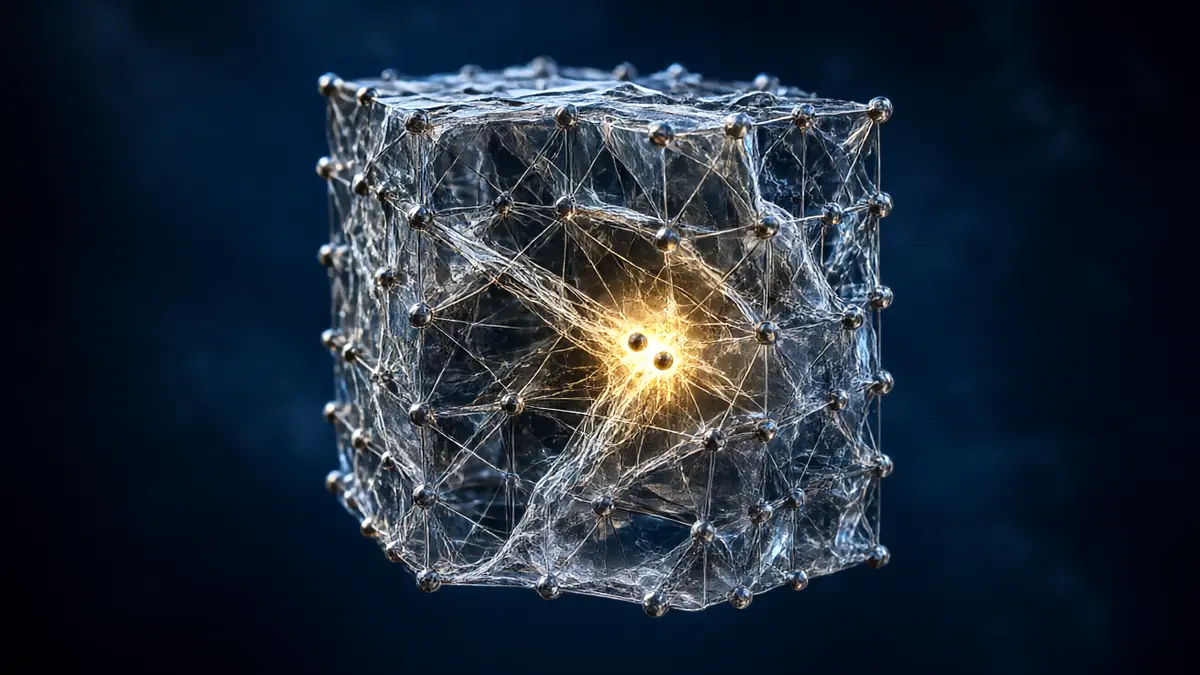
Harnessing lattice distortion for point-defect self-healing in multi-principal element alloys.

Multi-principal element alloys are promising structural materials for nuclear, aerospace, and fusion applications, yet their accelerated discovery is limited by the prohibitive cost of evaluating point-defect transport and self-healing behavior across vast compositional spaces. Here, we establish local lattice distortion (LLD), an intrinsic feature of chemically complex alloys, as a predictive and universal descriptor for vacancy-interstitial diffusivity convergence. We develop and validate a hi

Continue reading