Transcription from megabase-scale heterochromatin generates neural barcodes.
Heterochromatin typically represses genes 1,2 , yet some genes paradoxically require it for activation 3-7 . How can the same chromatin environment both silence and promote transcription? Here we address this question by interrogating the clustered protocadherin (Pcdh) locus, where subsets of genes are stochastically expressed while most remain silent 8 . In neurons, stochastic and combinatorial expression of Pcdh genes generates unique cell-surface barcodes required for self-non-self discrimina
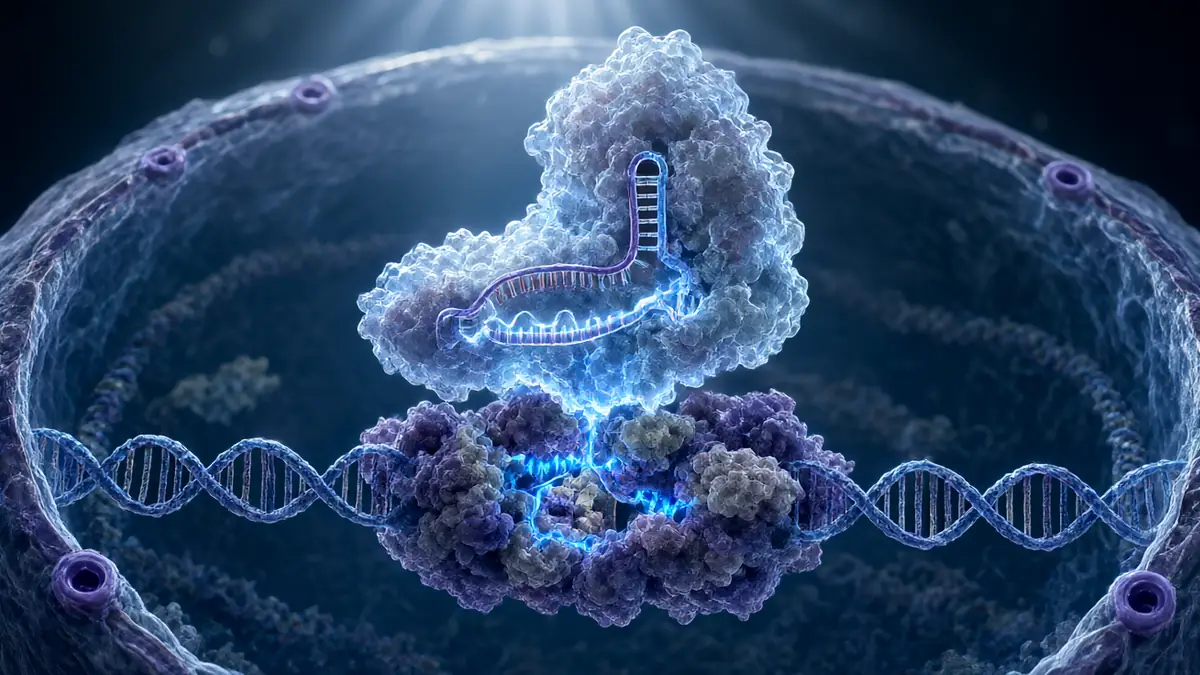
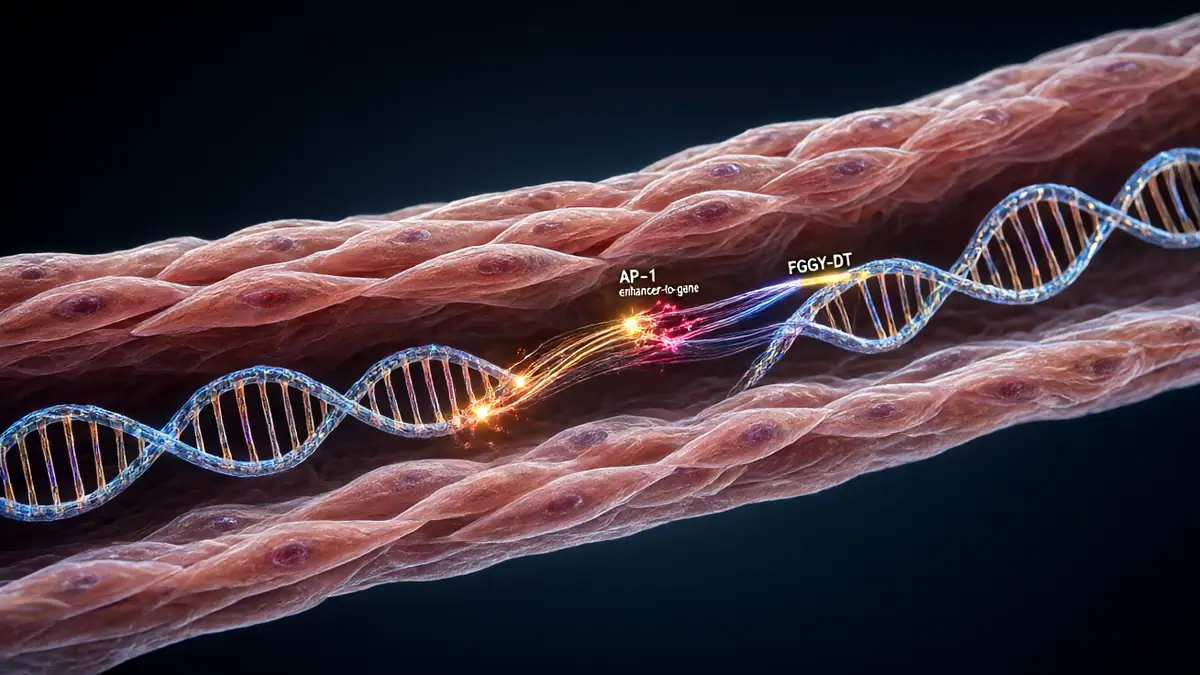
Heterochromatin typically represses genes 1,2 , yet some genes paradoxically require it for activation 3-7 . How can the same chromatin environment both silence and promote transcription? Here we address this question by interrogating the clustered protocadherin (Pcdh) locus, where subsets of genes are stochastically expressed while most remain silent 8 . In neurons, stochastic and combinatorial expression of Pcdh genes generates unique cell-surface barcodes required for self-non-self discrimination and neural circuit assembly 8 . By combining RNA labelling of Pcdh genes and neurodevelopmental cell types with single-molecule chromatin tracing and stochastic optical reconstruction microscopy, we find that a compact heterochromatin domain containing Pcdh genes forms as these genes become activated during development. Pcdh transcription occurs within the compact domain and reads through downstream genes, and distal enhancers must access the domain to engage target promoters. Genetic perturbations in mice suggest that opposing genome folding forces cooperate to establish Pcdh locus architecture and promote stochastic Pcdh expression. Specifically, while DNA loop extrusion allows enhancers to breach heterochromatin and find target promoters, heterochromatin-driven compartmentalization supports an expanded enhancer-promoter search space. These findings shed light on a process foundational to the development of vertebrate nervous systems and suggest a mechanism for how transcription can occur within seemingly silent chromatin environments.