Structural basis of RNA-guided DNA integration by type I CAST systems.
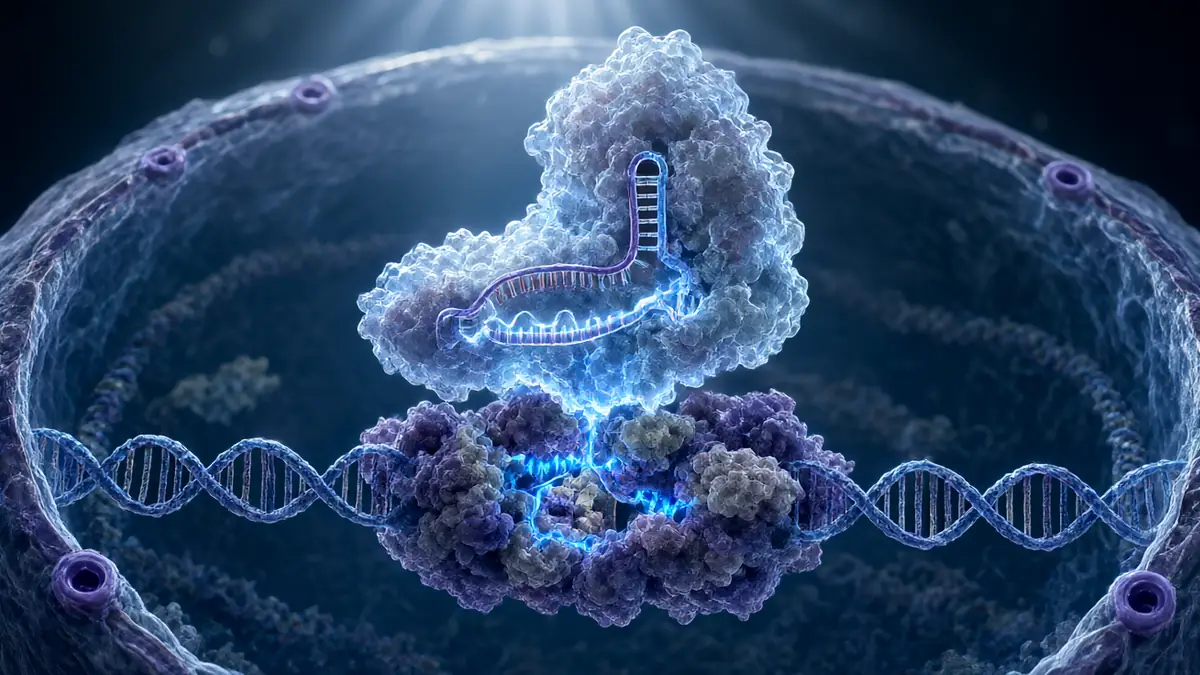
CRISPR-associated transposases (CASTs) achieve site-specific DNA integration by combining the RNA-guided targeting action of a nuclease-deficient CRISPR-Cas system with the assembly of a Tn7-like transpososome complex 1,2 . Understanding the detailed mechanisms of this elaborate process is paramount to engineering CAST systems into programmable genetic tools 3-6 . Type I-F Pseudoalteromonas CAST (PseCAST) shows the highest activity in mammalian cells so far 7 and has been adapted extensivel
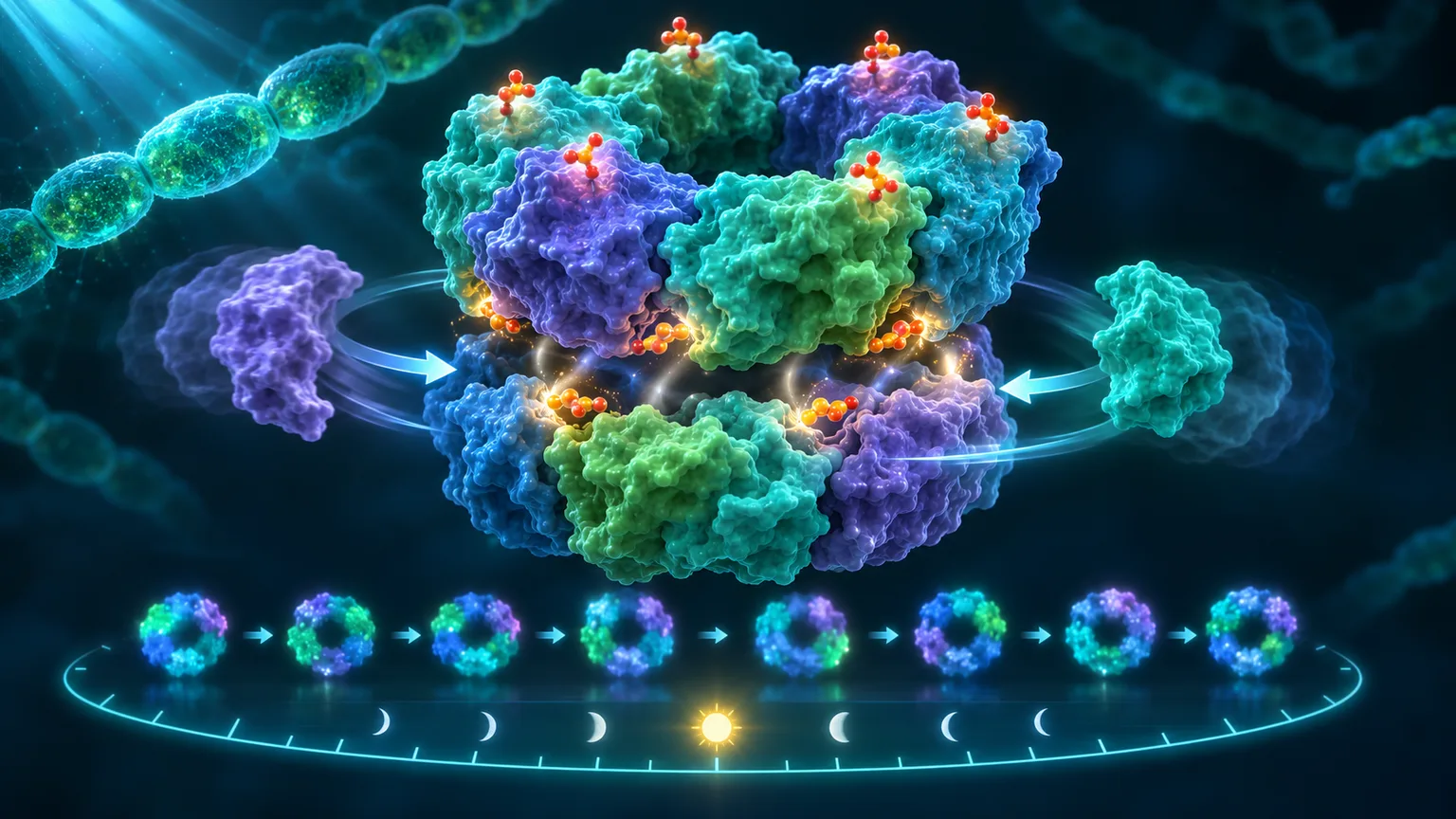
CRISPR-associated transposases (CASTs) achieve site-specific DNA integration by combining the RNA-guided targeting action of a nuclease-deficient CRISPR-Cas system with the assembly of a Tn7-like transpososome complex 1,2 . Understanding the detailed mechanisms of this elaborate process is paramount to engineering CAST systems into programmable genetic tools 3-6 . Type I-F Pseudoalteromonas CAST (PseCAST) shows the highest activity in mammalian cells so far 7 and has been adapted extensively through directed evolution 8 . However, its continued rational engineering requires addressing critical gaps in our understanding of transpososome assembly and activation 9 . Here we perform structural analyses using cryogenic electron microscopy, validated by DNA transposition assays, to visualize the PseCAST system in a series of functional states that define the stepwise mechanism of RNA-guided DNA integration. The structures of the PseCAST targeting and transposase recruitment complexes revealed that conformational changes in the Cascade-TniQ module, induced by R-loop formation, are associated with target-DNA stabilization and TnsC heptamerization. This, in turn, results in the recruitment of the TnsAB transposase by conserved interactions with the carboxy-terminal tail of TnsB. Finally, the structure of the 1.2 MDa PseCAST transpososome holocomplex revealed allosteric coupling of TnsC-TnsB and TnsB-target-DNA interactions to the conformational remodelling of the TnsB catalytic site, activating donor-DNA integration. Together, these findings establish a unified mechanistic blueprint for RNA-guided DNA integration by type I CASTs and provide a structural framework to guide their engineering for genome-editing applications.