Thalamic NRXN1-mediated input to human cortical progenitors drives excitatory neurogenesis.
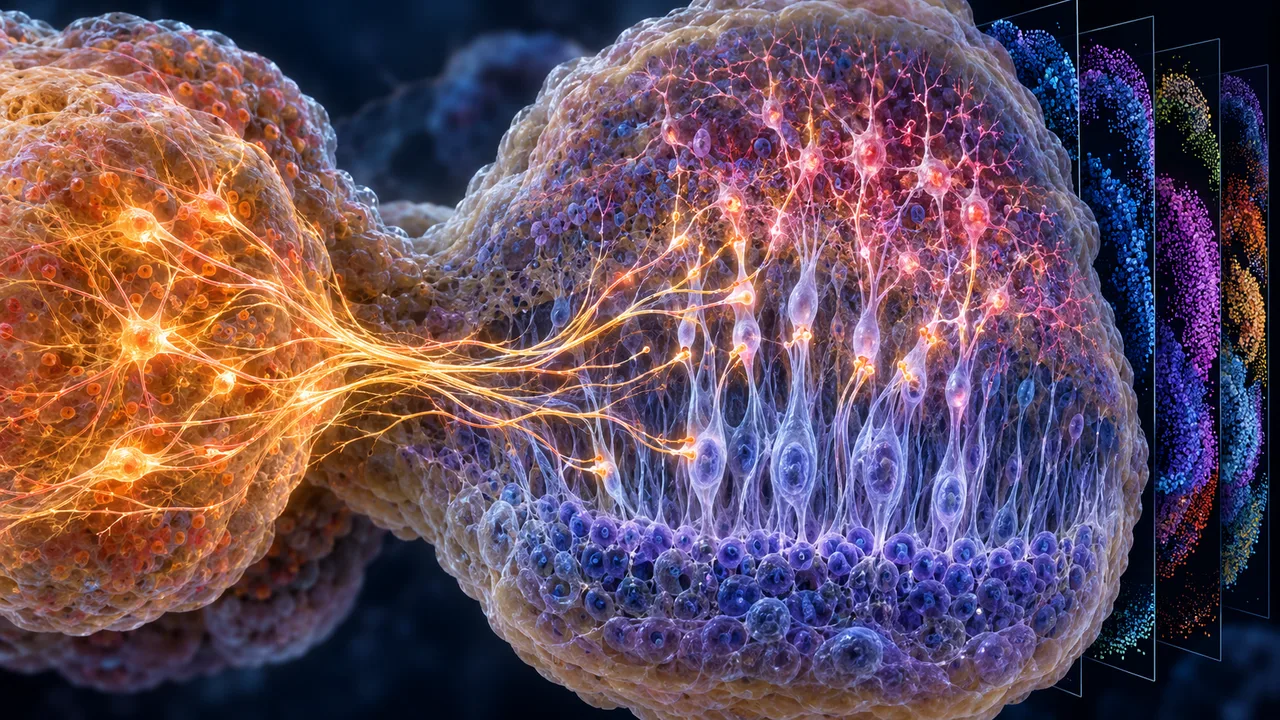
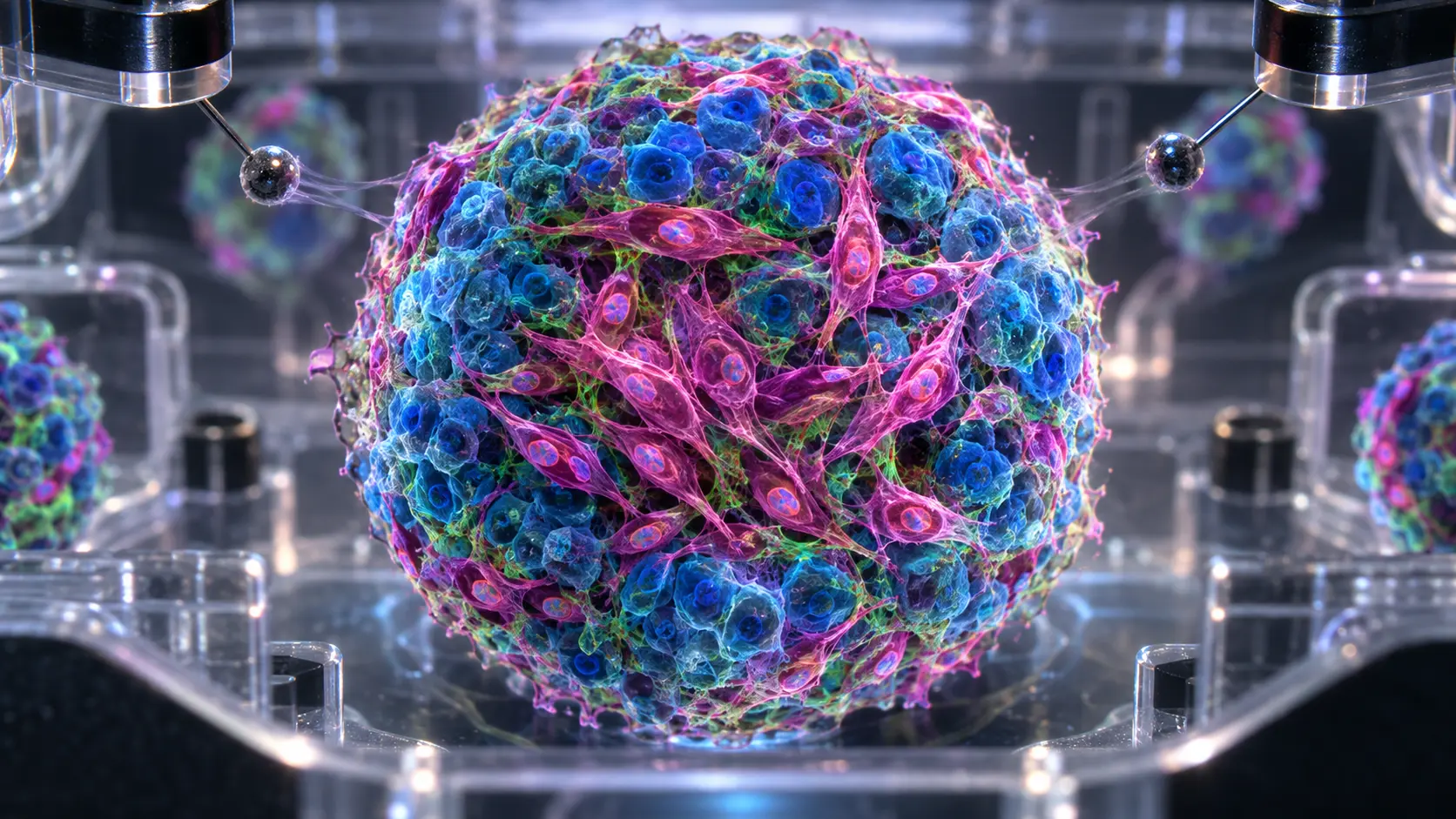
The human cerebral cortex develops through coordinated signals from within the cortex and from other brain regions, including the thalamus. However, how thalamic neuronal projections influence early human cortical development remains less well-understood. In this study, we fused cortical and thalamic organoids to investigate how thalamic input shapes the maturation of human cortical cells. Using single-nuclei RNA-sequencing and cellular imaging, we found that thalamic input increases the product
The human cerebral cortex develops through coordinated signals from within the cortex and from other brain regions, including the thalamus. However, how thalamic neuronal projections influence early human cortical development remains less well-understood. In this study, we fused cortical and thalamic organoids to investigate how thalamic input shapes the maturation of human cortical cells. Using single-nuclei RNA-sequencing and cellular imaging, we found that thalamic input increases the production of cortical excitatory neurons. We identify neurexin-1 (NRXN1) as a mediator of physical contact between thalamic axons and cortical outer radial glia. Genetic knockout of thalamic NRXN1 reduced these contacts and attenuated the production of upper-layer excitatory neurons. These findings reveal a mechanism by which thalamic input regulates human cortical progenitors and shapes excitatory neuron production during development.