Skin-innervating glutamatergic neurons modulate aging.
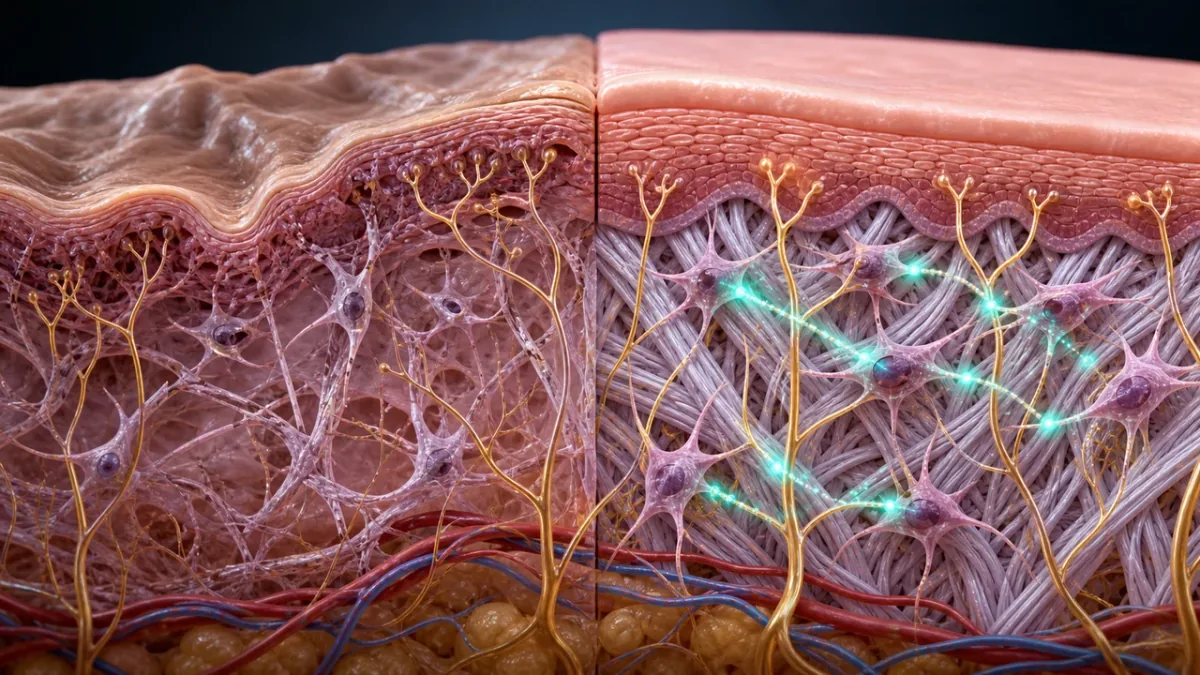
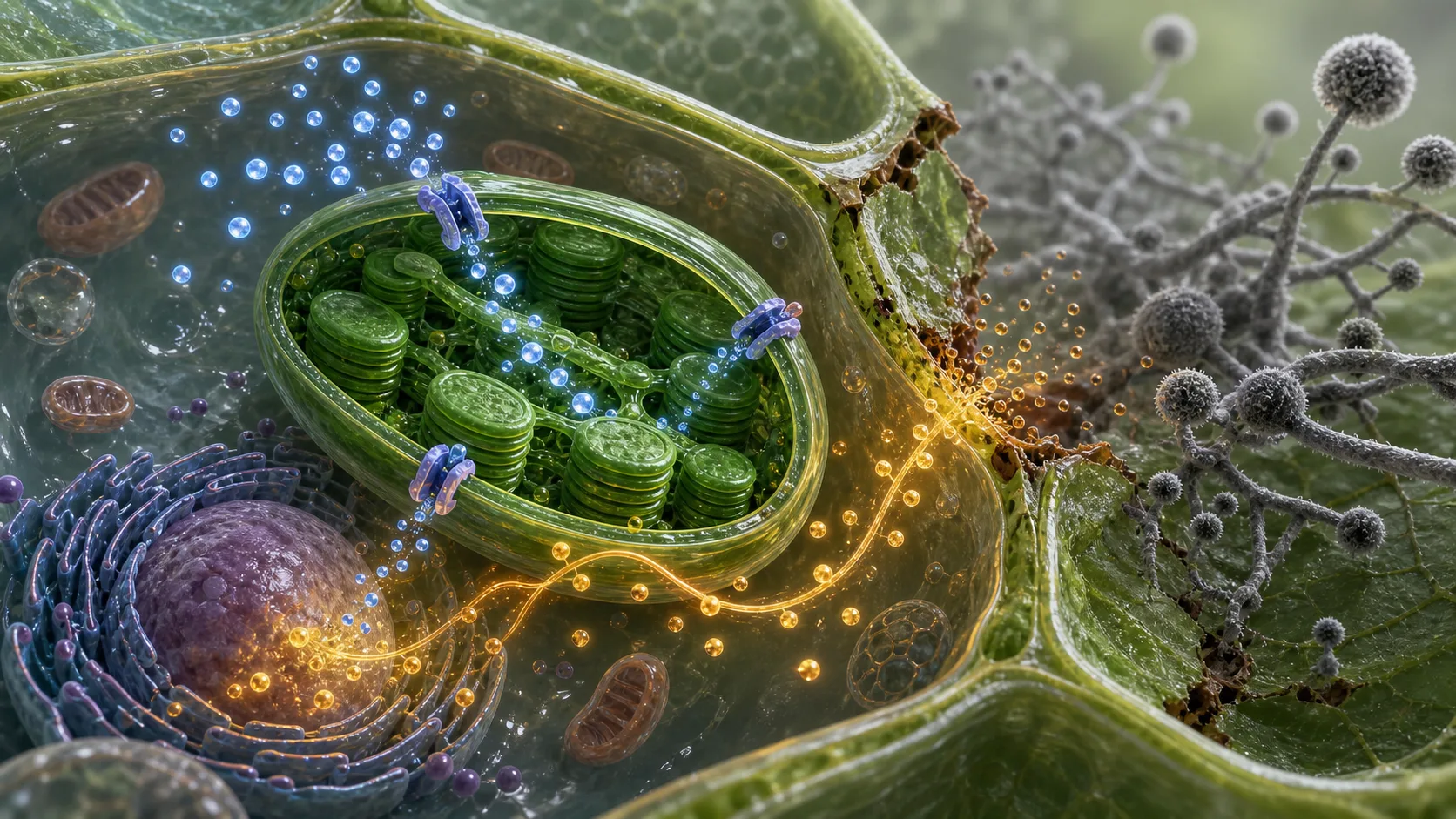
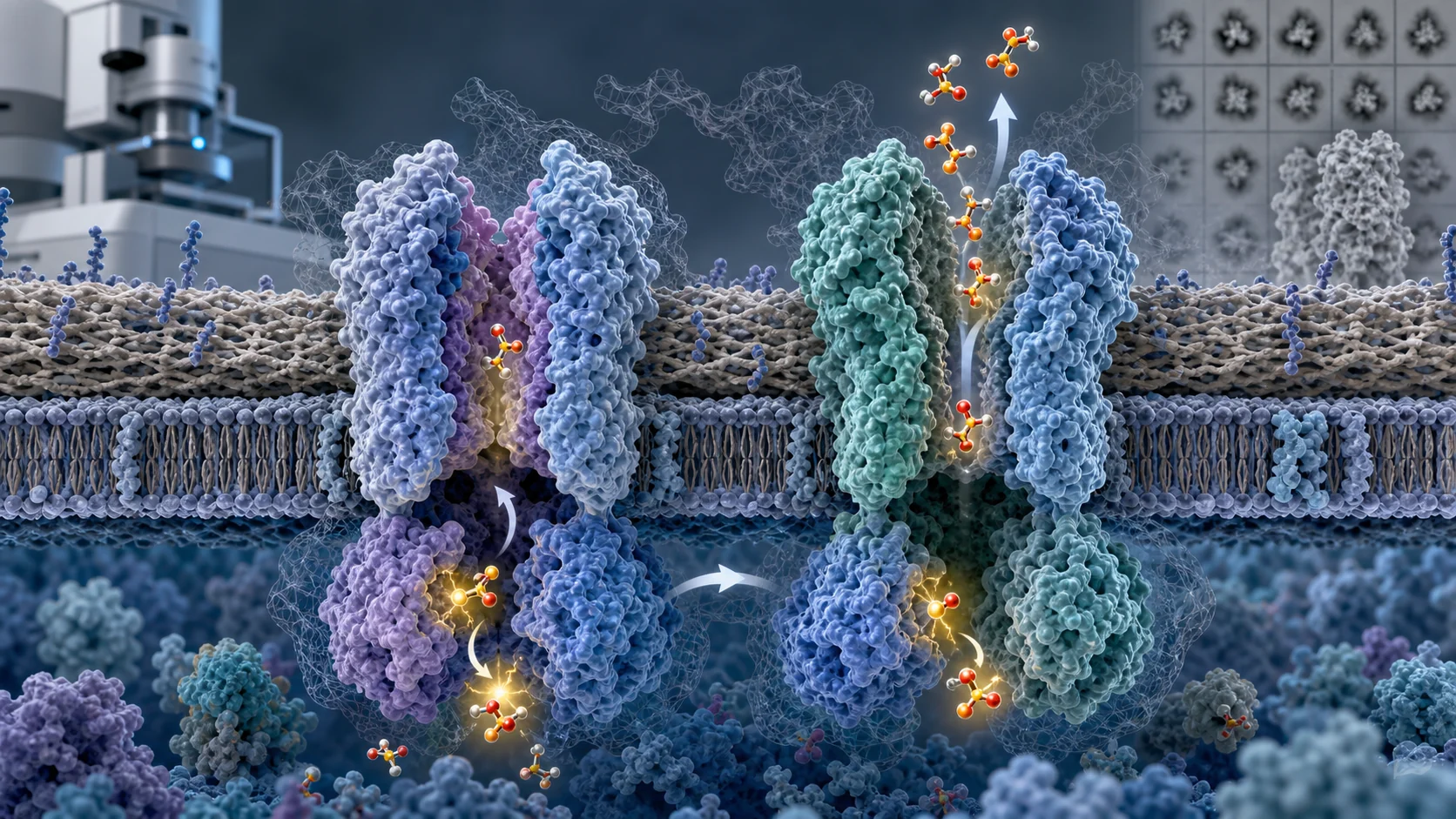
Peripheral nerves regulate skin homeostasis by secreting neurotransmitters, but their role during skin aging remains incompletely understood. Here, we report that cutaneous denervation accelerates skin aging, as evidenced by collagen reduction. Neurofilament heavy chain (Nefh) is decreased in aged skin and is predominantly expressed in vesicular glutamate transporter 2-positive (Vglut2 + ) skin-innervating glutamatergic neurons. Notably, dermal fibroblasts, the primary producers of collagen, fre
Peripheral nerves regulate skin homeostasis by secreting neurotransmitters, but their role during skin aging remains incompletely understood. Here, we report that cutaneous denervation accelerates skin aging, as evidenced by collagen reduction. Neurofilament heavy chain (Nefh) is decreased in aged skin and is predominantly expressed in vesicular glutamate transporter 2-positive (Vglut2 + ) skin-innervating glutamatergic neurons. Notably, dermal fibroblasts, the primary producers of collagen, frequently contact Nefh + nerve fibers. Moreover, Nefh deletion in Vglut2 + glutamatergic neurons drives skin fibroblast senescence and collagen loss, whereas additional glutamate improves skin aging phenotypes. Mechanistically, cyclin-dependent kinase 5 (Cdk5) interacts with both Nefh and Vglut2 and maintains glutamate release and collagen homeostasis. Additionally, in skin fibroblasts, solute carrier family 1 member 3 (Slc1a3) governs the collagen-promoting and anti-senescence functions of glutamate. Together, these findings reveal Nefh-mediated glutamatergic neuromodulation of skin aging and provide therapeutic targets for aging-related skin disorders.