Health & Medicine

Reframing disease elimination: an update from the Lancet Commission on chronic obstructive pulmonary disease.

| Source: Lancet (London, England)

Chronic obstructive pulmonary disease (COPD) remains a leading cause of morbidity and mortality worldwide, with increasing global burden driven by population growth and ageing, persistent harmful exposures, and substantial health inequities. The Lancet Commission on COPD articulated an ambitious vision for disease elimination with prevention, early detection, and intervention. This Review revisits that vision, assesses progress since 2022, and calls for a broader commitment to lifelong lung heal

Chronic obstructive pulmonary disease (COPD) remains a leading cause of morbidity and mortality worldwide, with increasing global burden driven by population growth and ageing, persistent harmful exposures, and substantial health inequities. The Lancet Commission on COPD articulated an ambitious vision for disease elimination with prevention, early detection, and intervention. This Review revisits that vision, assesses progress since 2022, and calls for a broader commitment to lifelong lung health as an update of the Commission. Across seven sections, this Review advances a unified framework integrating the biology of lung development and ageing, precision medicine, patient-centred outcomes, and regulatory reform. COPD is not a single, uniform disease; rather, a biologically complex condition shaped by genetic, developmental, environmental, infectious, and behavioural factors across the entire life course. Effective prevention and care should therefore move beyond the detection and treatment of late physiological impairment toward earlier disease recognition, biological stratification, and interventions to preserve lung health, reduce symptoms, and prevent morbidity and premature mortality. The Review charts a path from reactive, late-stage management toward proactive, equitable, precision-based prevention and care. The central premise is unequivocal: the global burden of COPD can be substantially reduced. Success should be measured not only by gains in lung function and survival but also by improvements in daily functioning, quality of life, and wellbeing. In this expanded vision, COPD is no longer viewed solely as a chronic disease to be managed but as a preventable and modifiable condition within a broader commitment to lifelong lung health.
Read the original source →

Related Topics

Related Stories

Health & Medicine

Homeostatic control of stem cell activity during intestinal regeneration.

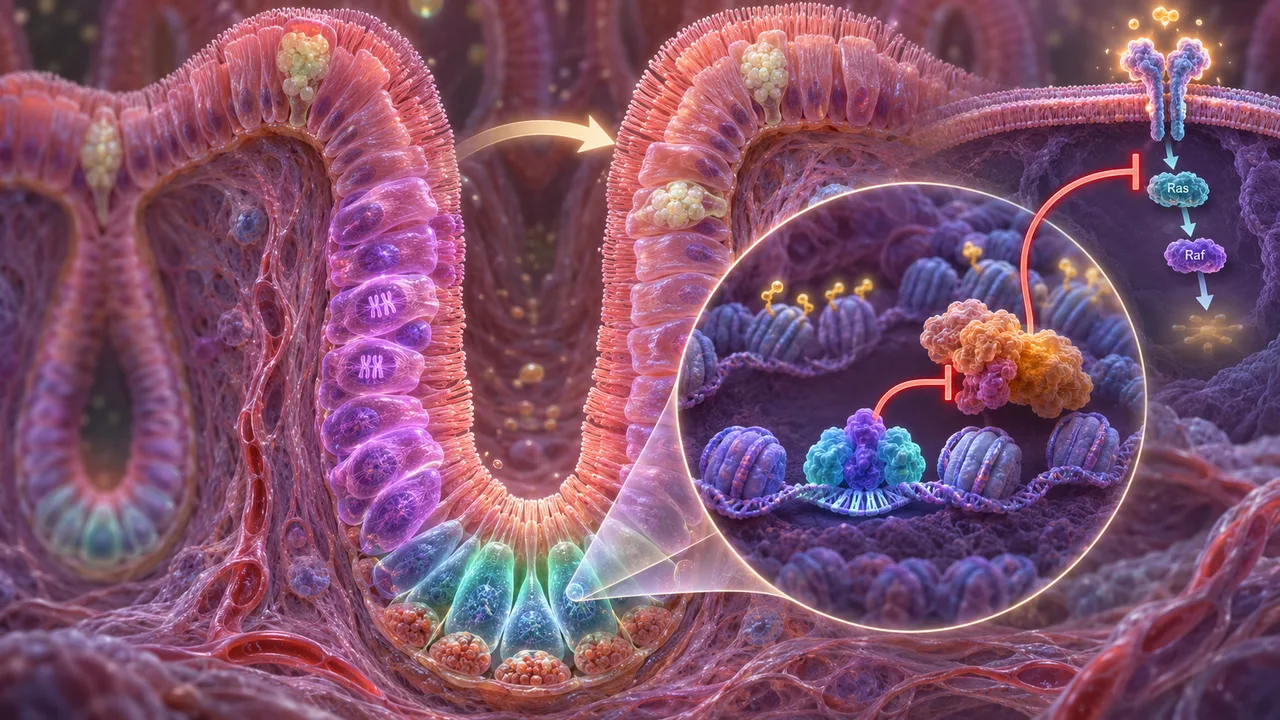
Stem cells proliferate rapidly to maintain tissue turnover during regeneration, yet the mechanisms preventing hyperproliferation remain unclear. Here, we identified nuclear factor Y (NF-Y) as a transcriptional repressor that maintains intestinal stem cell (ISC) quiescence. NF-Y restricts ISC proliferation by occupying the promoters of epidermal growth factor receptor (EGFR) signaling components, including Egfr , Mkp3 , Raf , Ras , and pnt , through regulation dependent on the histone acetyltrans

Continue reading
Health & Medicine

Spatial transcriptomics reveals organizational properties of the mouse spinal cord and alterations in neuropathic pain.

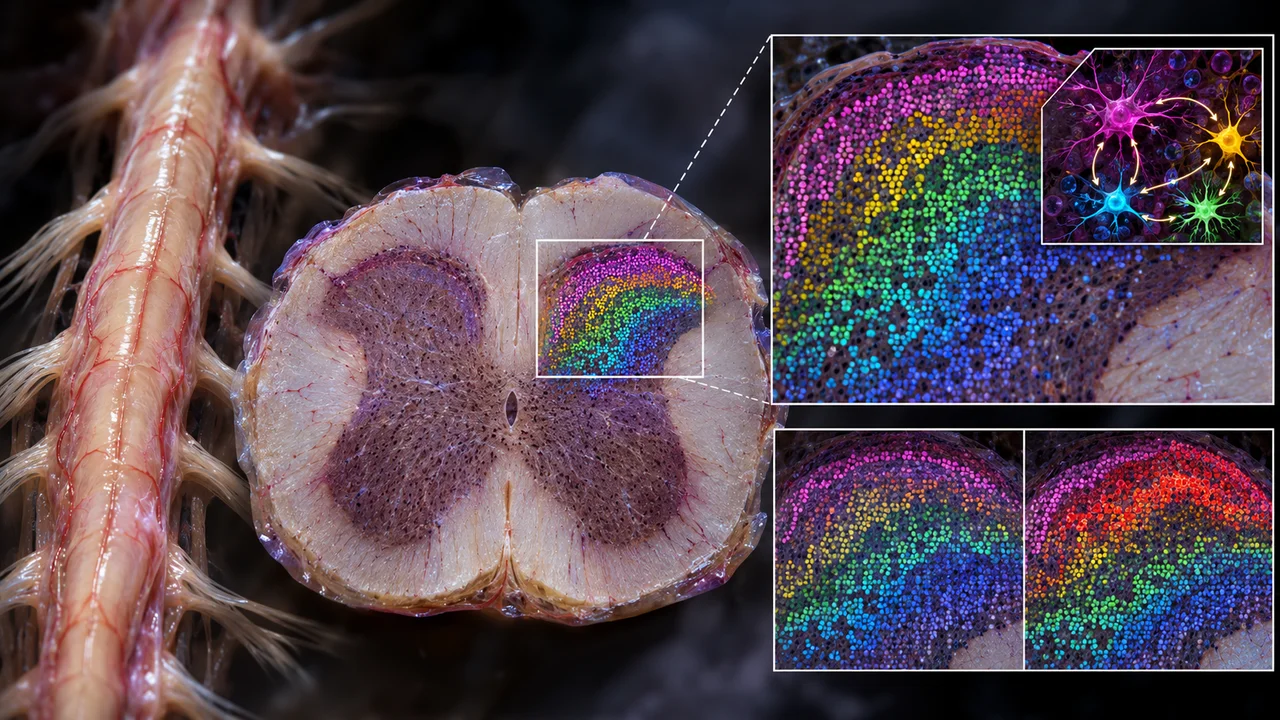
The spinal cord integrates diverse somatosensory inputs and executes motor outputs through anatomically and functionally distinct circuits. Here, we employed spatially resolved single-cell transcriptomic profiling of the adult mouse spinal cord to gain insights into the organizational logic of the spinal cord. Our results reveal distinct spatial and laminar distributions of neuronal subtypes, including axial level and sex-specific differences. Many neuronal subtypes exhibit lamina-specific somat

Continue reading
Health & Medicine

Acute degradation of Pumilio proteins reveals a biphasic posttranscriptional regulatory hierarchy in embryonic stem cell fate decision.

Posttranscriptional regulation is critical for mammalian embryogenesis yet has been underexplored. We previously showed that RNA-binding Pumilio proteins (Pum1/2) are essential for early mouse embryogenesis and embryonic stem cell (ESC) functions. Here, using acute protein degradation systems combined with time-resolved RNA sequencing and enhanced crosslinking and immunoprecipitation, we delineate a two-phase regulatory hierarchy modulated by Pum1/2 in mouse ESCs. The first phase, occurring with

Continue reading
Health & Medicine

Elastic interactions of mechanically polarizable cells.

Cells mechanically interact through the deformations they generate in their surrounding extracellular matrix. We present an analytical theory of the elastic interactions between cells that actively adapt their forces in response to local deformations of their environment. Cells are represented as localized contractile force generators, modeled as polarizable point force dipoles, whose adaptive forces are determined self-consistently with those of surrounding cells. Analysis of the associated ela

Continue reading
Health & Medicine

ChREBP drives diabetic kidney disease, and its inhibition confers renal protection.

Chronic kidney disease (CKD) represents a major medical burden. Diabetic kidney disease (DKD) is a leading cause of CKD, but intracellular pathways that can be pharmacologically targeted are poorly defined. Using transcriptome screening of DKD model mice we found that a carbohydrate-responsive element-binding protein (ChREBP)-dependent transcriptional cascade is markedly up-regulated in diabetic kidneys. Genetic ablation of ChREBP in diabetic mice ameliorated DKD, establishing ChREBP as a potent

Continue reading