Artificial Intelligence

Programmable design of synthetic plant immune receptors for pathogen protein recognition
| Source: Science

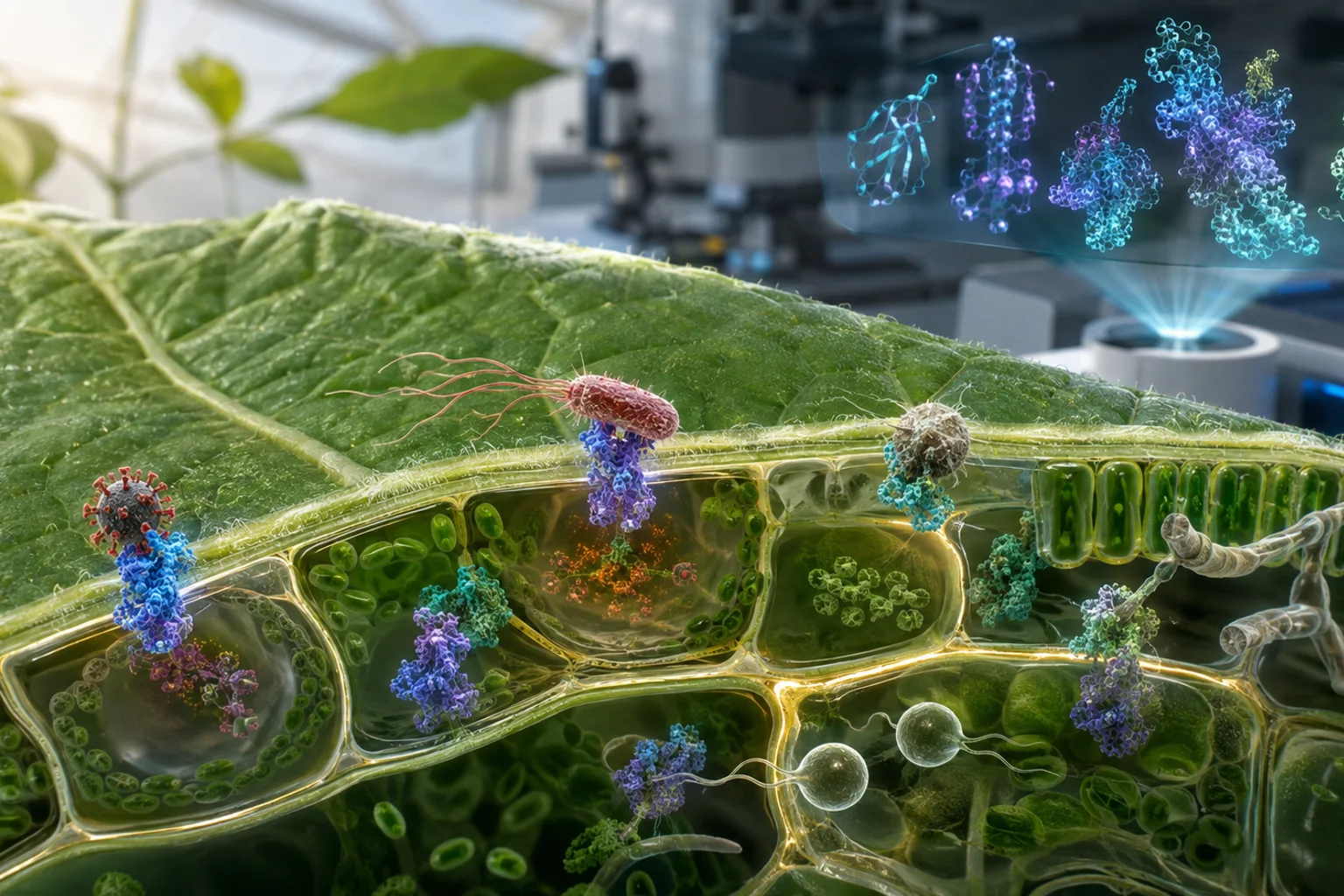
The limited diversity and recognition scope of natural plant immune receptors impede resistance breeding against rapidly evolving pathogens. Here, we report the programmable design of synthetic plant immune receptors (SPIRs). De novo–designed binding modules targeting pathogen proteins were grafted into the integrated decoy domain of a plant immune receptor. SPIRs recognized proteins derived from viral, bacterial, fungal, and oomycete pathogens. Their performance was improved by combining artifi

The limited diversity and recognition scope of natural plant immune receptors impede resistance breeding against rapidly evolving pathogens. Here, we report the programmable design of synthetic plant immune receptors (SPIRs). De novo–designed binding modules targeting pathogen proteins were grafted into the integrated decoy domain of a plant immune receptor. SPIRs recognized proteins derived from viral, bacterial, fungal, and oomycete pathogens. Their performance was improved by combining artificial intelligence–guided protein design with in planta–directed evolution, enhancing immune activation while reducing autoactivation. The SPIRs exhibited high target specificity and could be stacked for multiplexed recognition of pathogen proteins. Viral-targeting SPIRs responded to infectious clones of plant viruses, and transgenic plants expressing SPIRs conferred disease resistance. This work establishes a versatile platform for the efficient engineering of plant immunity.


Read the original source →

Related Stories

Artificial Intelligence

Plant fiber exploitation contributed to the emergence of ground-edged cutting tools in North China.

Ground-edged cutting tools are widely regarded as technological hallmarks of early agriculture in North China, commonly hypothesized to have been developed primarily for cereal harvesting. Yet the functional foundations of this innovation remain insufficiently tested. This study integrates use-wear and microfossil analyses of 140 stone tools from the Peiligang site, with experimental data, to reassess their roles within long-term trajectories of technological change from the Late Paleolithic to

Continue reading
Artificial Intelligence

Neural network-augmented Pfaffian wave-functions for scalable simulations of interacting fermions.

Developing accurate numerical methods for strongly interacting fermions is crucial for improving our understanding of various quantum many-body phenomena, especially unconventional superconductivity. Recently, neural quantum states have emerged as a promising approach for studying correlated fermions, highlighted by the hidden fermion and backflow methods, which use neural networks to model corrections to fermionic quasiparticle orbitals. In this work, we expand these ideas to the space of Pfaff

Continue reading
Artificial Intelligence

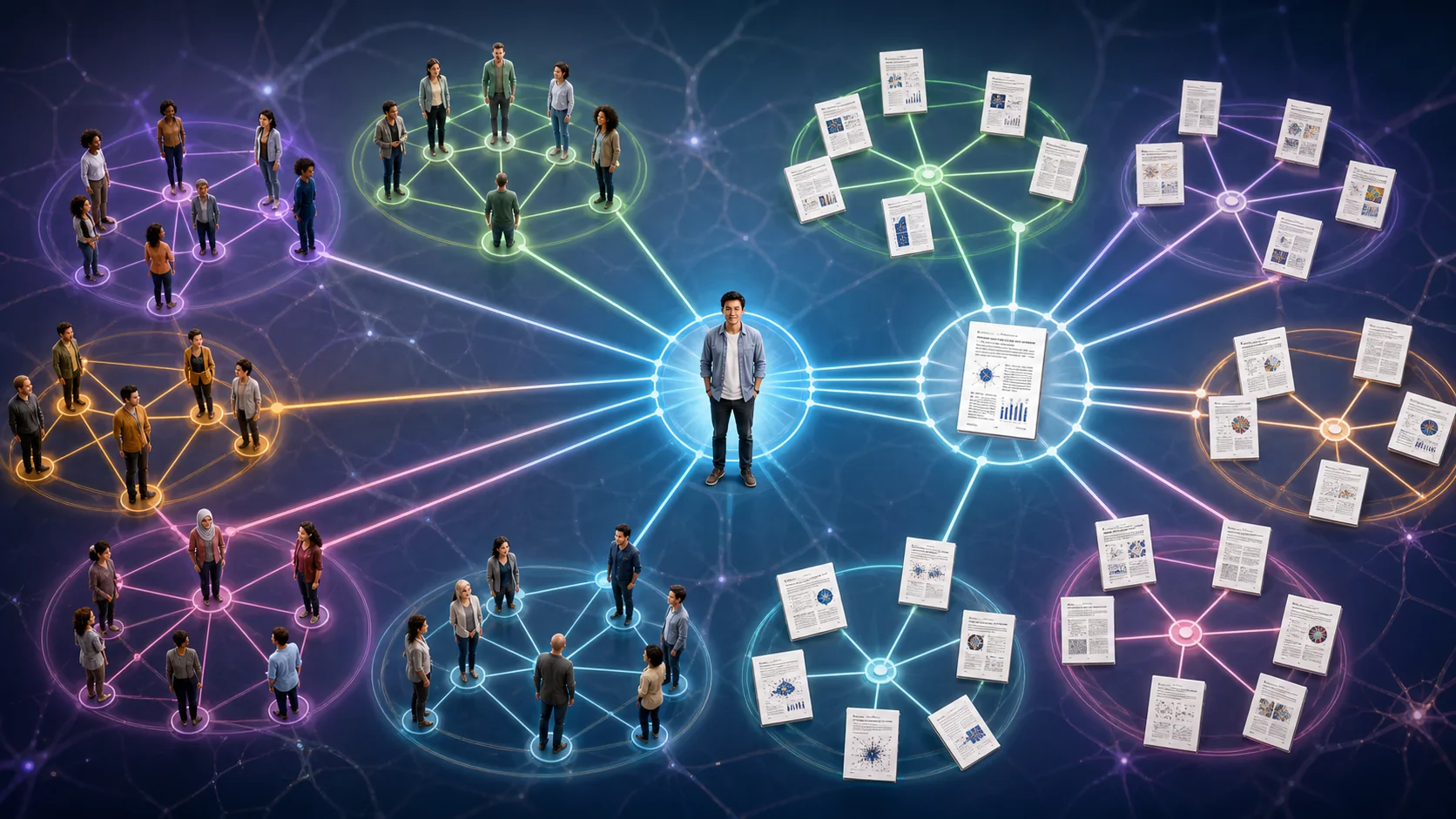
Why friends in common reveal network stars.

The Friendship Paradox states that, on average, your friends have more friends than you do. We extend this to common friends-those who appear in multiple people's friend lists. We show that the more people who share a common friend, the more connected that person tends to be, and we derive an expression quantifying this progression. In a regional Facebook network, a common friend to three randomly sampled individuals has on average more friends than 99.9% of the network. In a citation network, a

Continue reading
Artificial Intelligence

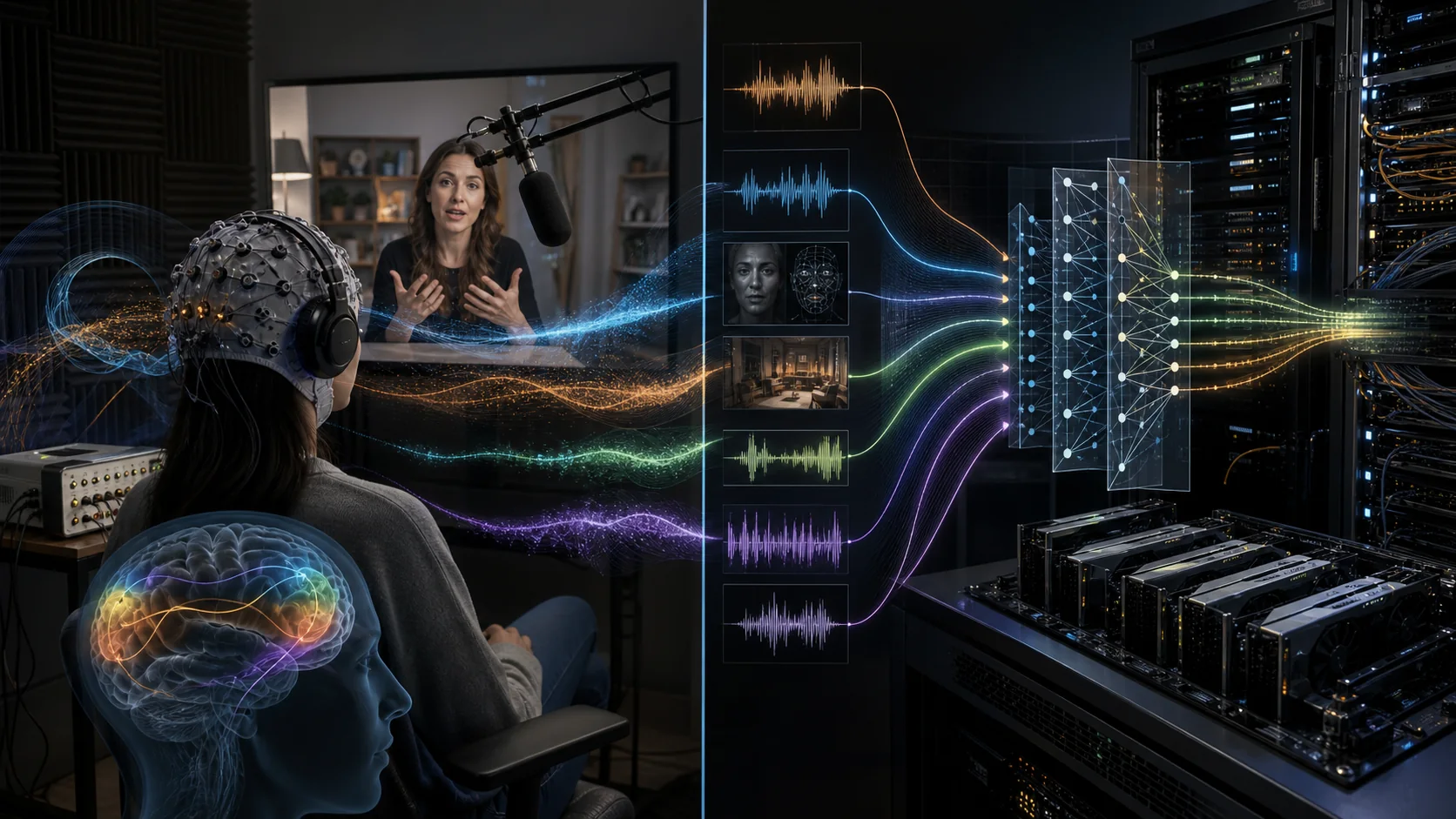
Sensory context improves language prediction in humans and LLMs.

Language is a fundamental human capacity. Large language models (LLMs) have presented the first viable model of language outside of humans, yet how these models learn and use language differs significantly from humans. Here, we compare LLMs and humans predicting language with varying levels of sensory information-from disembodied written text to audiovisual videos of speakers-to demonstrate that, in both humans and LLMs, sensory context is critical for optimal performance. We asked human partici

Continue reading
Artificial Intelligence

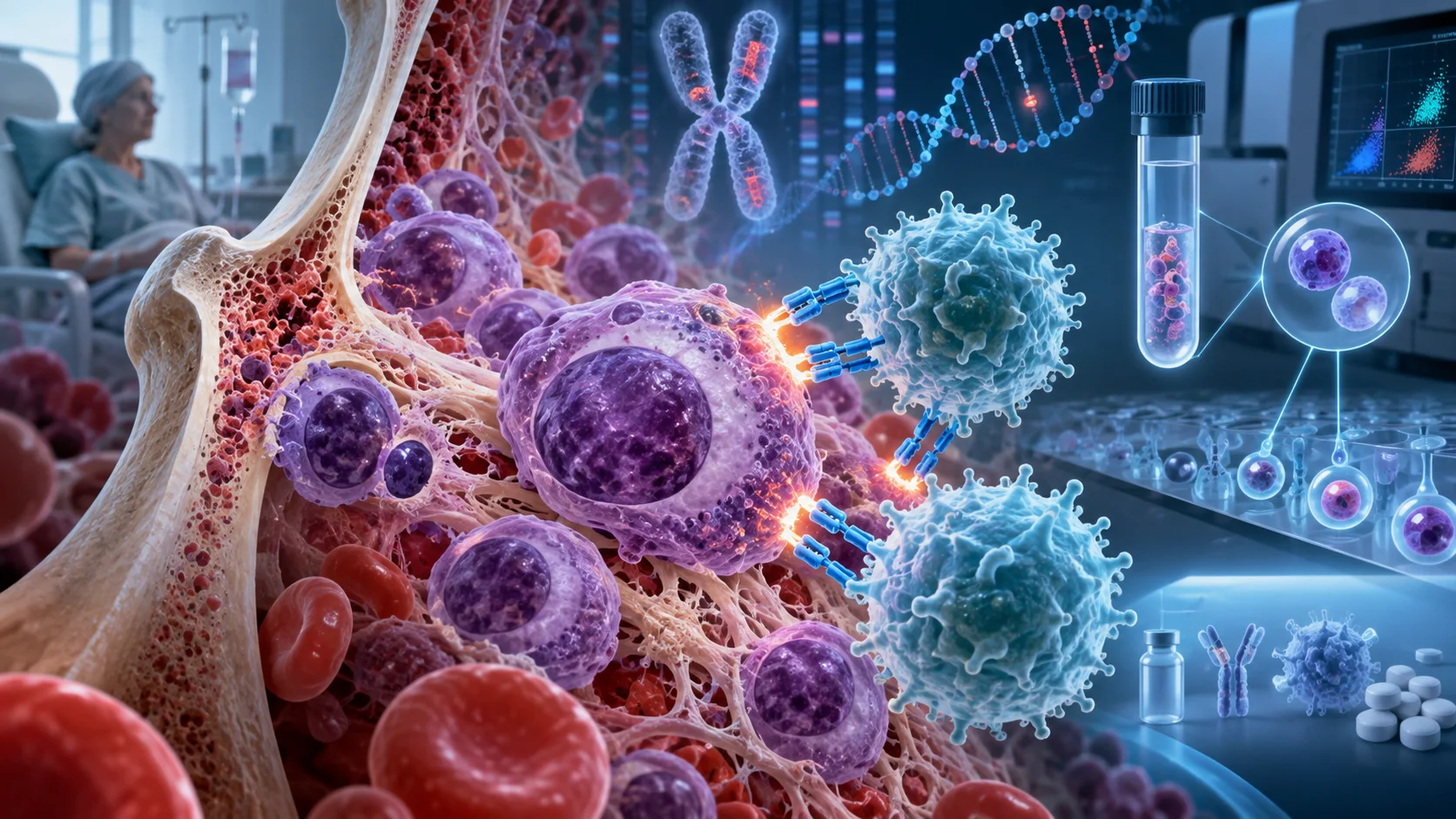
Treatment Decisions in Multiple Myeloma.

Revolutions in transplantation and targeted and immune therapies have transformed multiple myeloma from a disease with an associated survival of a few years into one for which functional cure is an emerging goal. This abundance of effective therapies has created clinical complexity. Here we provide a practical framework, anchored in trial evidence and informed by emerging biologic discoveries, for the navigation of treatment decisions across the disease spectrum. We outline how cytogenetic and g

Continue reading