Health & Medicine

Lynch syndrome.

| Source: Lancet (London, England)

Lynch syndrome is the most common inherited cancer predisposition syndrome, affecting approximately one in 350-450 individuals, yet the majority of carriers remain undiagnosed, representing a substantial and preventable public health burden. Caused by germline pathogenic variants in DNA mismatch repair (MMR) genes, Lynch syndrome confers markedly elevated and heterogeneous risks of colorectal, endometrial, and multiple extracolonic cancers. Advances in molecular diagnostics, particularly univers

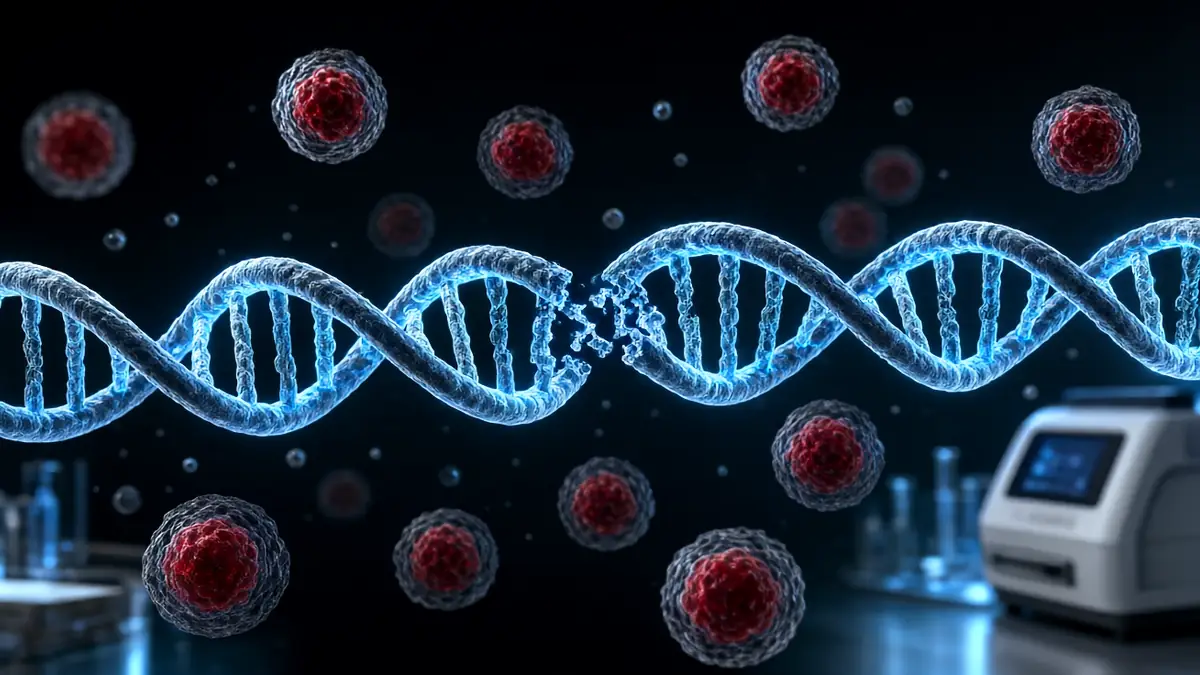
Lynch syndrome is the most common inherited cancer predisposition syndrome, affecting approximately one in 350-450 individuals, yet the majority of carriers remain undiagnosed, representing a substantial and preventable public health burden. Caused by germline pathogenic variants in DNA mismatch repair (MMR) genes, Lynch syndrome confers markedly elevated and heterogeneous risks of colorectal, endometrial, and multiple extracolonic cancers. Advances in molecular diagnostics, particularly universal tumour testing for MMR deficiency, have transformed case identification and enabled targeted germline testing and cascade screening of relatives at risk. Despite these advances, implementation remains inconsistent, with substantial attrition across diagnostic pathways and inequities in access to care. Preventive strategies-including colonoscopic surveillance, aspirin chemoprevention, and risk-reducing surgery-are effective but require gene-specific and individualised application. Therapeutically, the immunogenic biology of MMR-deficient tumours has positioned Lynch syndrome at the forefront of precision oncology, with immune checkpoint inhibitors delivering substantial benefit and emerging vaccine strategies offering promise for cancer interception. In this Review, we provide an integrated overview of Lynch syndrome across the continuum of care, highlighting advances in biology, diagnosis, prevention, and treatment, while emphasising the crucial need to align scientific progress with equitable and effective health-system delivery.
Read the original source →

Related Topics

Related Stories

Health & Medicine

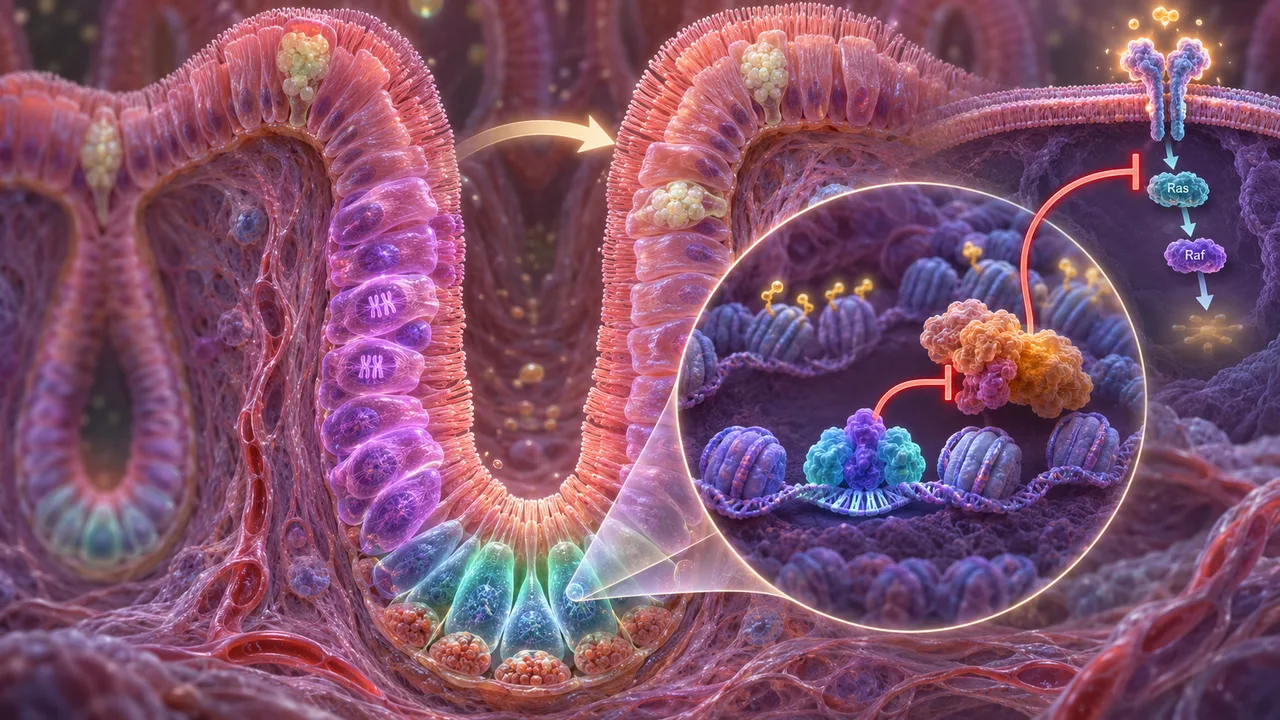
Homeostatic control of stem cell activity during intestinal regeneration.

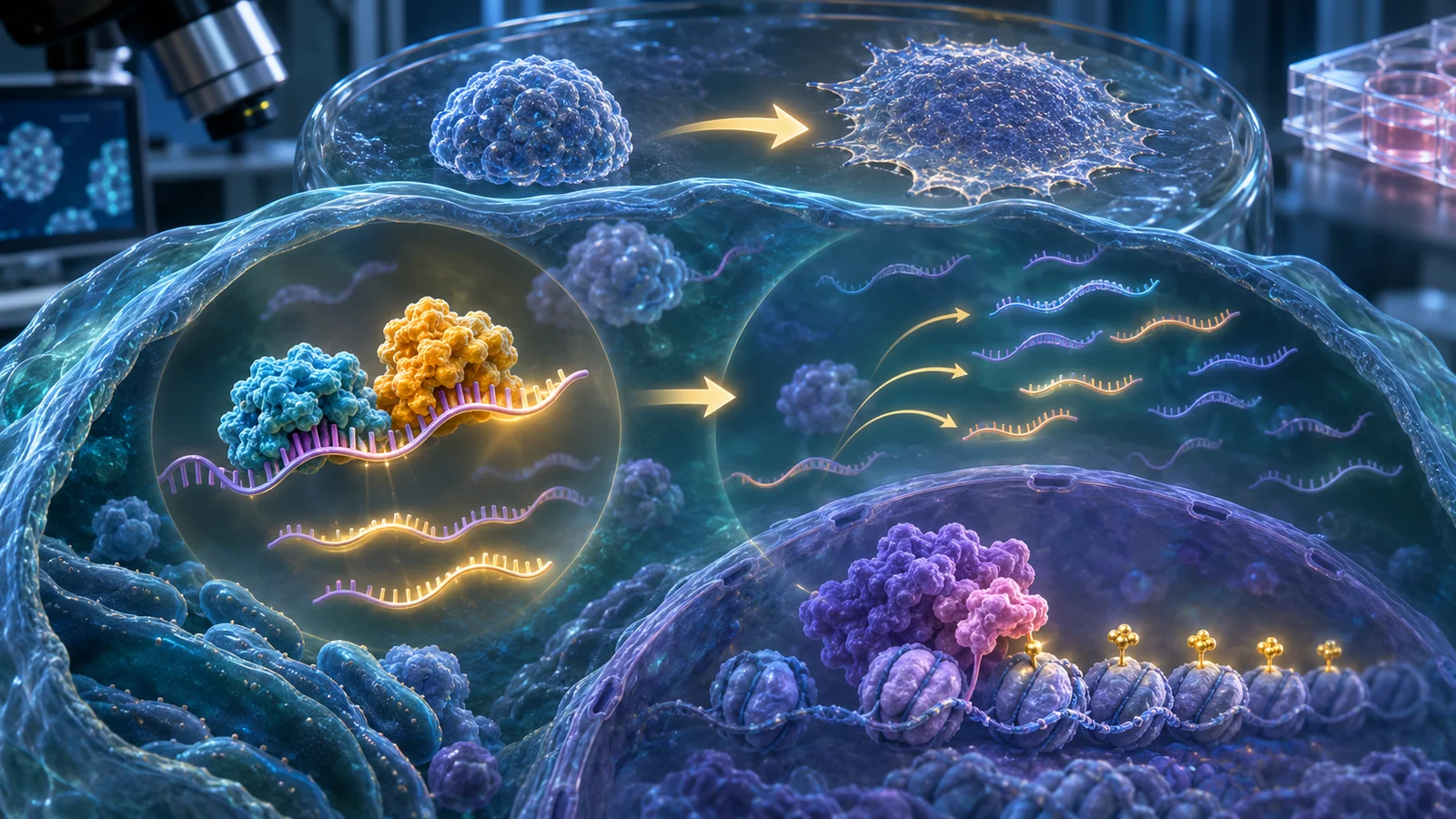
Stem cells proliferate rapidly to maintain tissue turnover during regeneration, yet the mechanisms preventing hyperproliferation remain unclear. Here, we identified nuclear factor Y (NF-Y) as a transcriptional repressor that maintains intestinal stem cell (ISC) quiescence. NF-Y restricts ISC proliferation by occupying the promoters of epidermal growth factor receptor (EGFR) signaling components, including Egfr , Mkp3 , Raf , Ras , and pnt , through regulation dependent on the histone acetyltrans

Continue reading
Health & Medicine

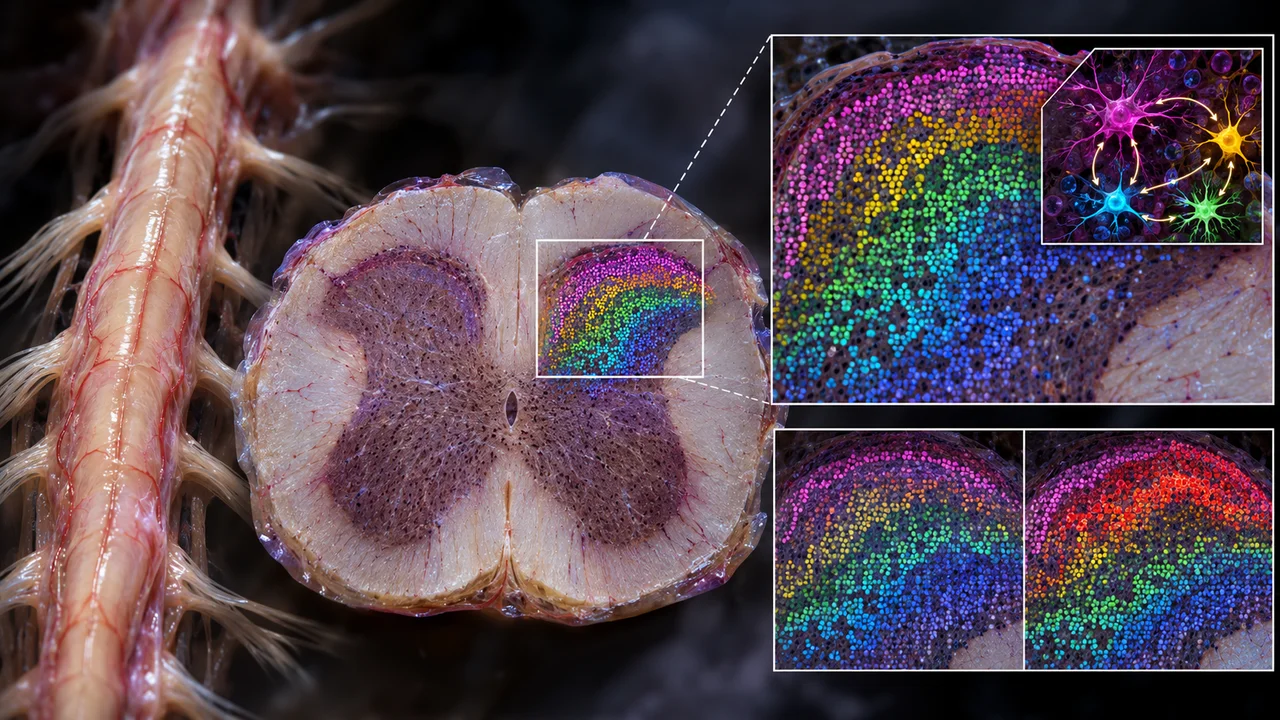
Spatial transcriptomics reveals organizational properties of the mouse spinal cord and alterations in neuropathic pain.

The spinal cord integrates diverse somatosensory inputs and executes motor outputs through anatomically and functionally distinct circuits. Here, we employed spatially resolved single-cell transcriptomic profiling of the adult mouse spinal cord to gain insights into the organizational logic of the spinal cord. Our results reveal distinct spatial and laminar distributions of neuronal subtypes, including axial level and sex-specific differences. Many neuronal subtypes exhibit lamina-specific somat

Continue reading
Health & Medicine

Acute degradation of Pumilio proteins reveals a biphasic posttranscriptional regulatory hierarchy in embryonic stem cell fate decision.

Posttranscriptional regulation is critical for mammalian embryogenesis yet has been underexplored. We previously showed that RNA-binding Pumilio proteins (Pum1/2) are essential for early mouse embryogenesis and embryonic stem cell (ESC) functions. Here, using acute protein degradation systems combined with time-resolved RNA sequencing and enhanced crosslinking and immunoprecipitation, we delineate a two-phase regulatory hierarchy modulated by Pum1/2 in mouse ESCs. The first phase, occurring with

Continue reading
Health & Medicine

Elastic interactions of mechanically polarizable cells.

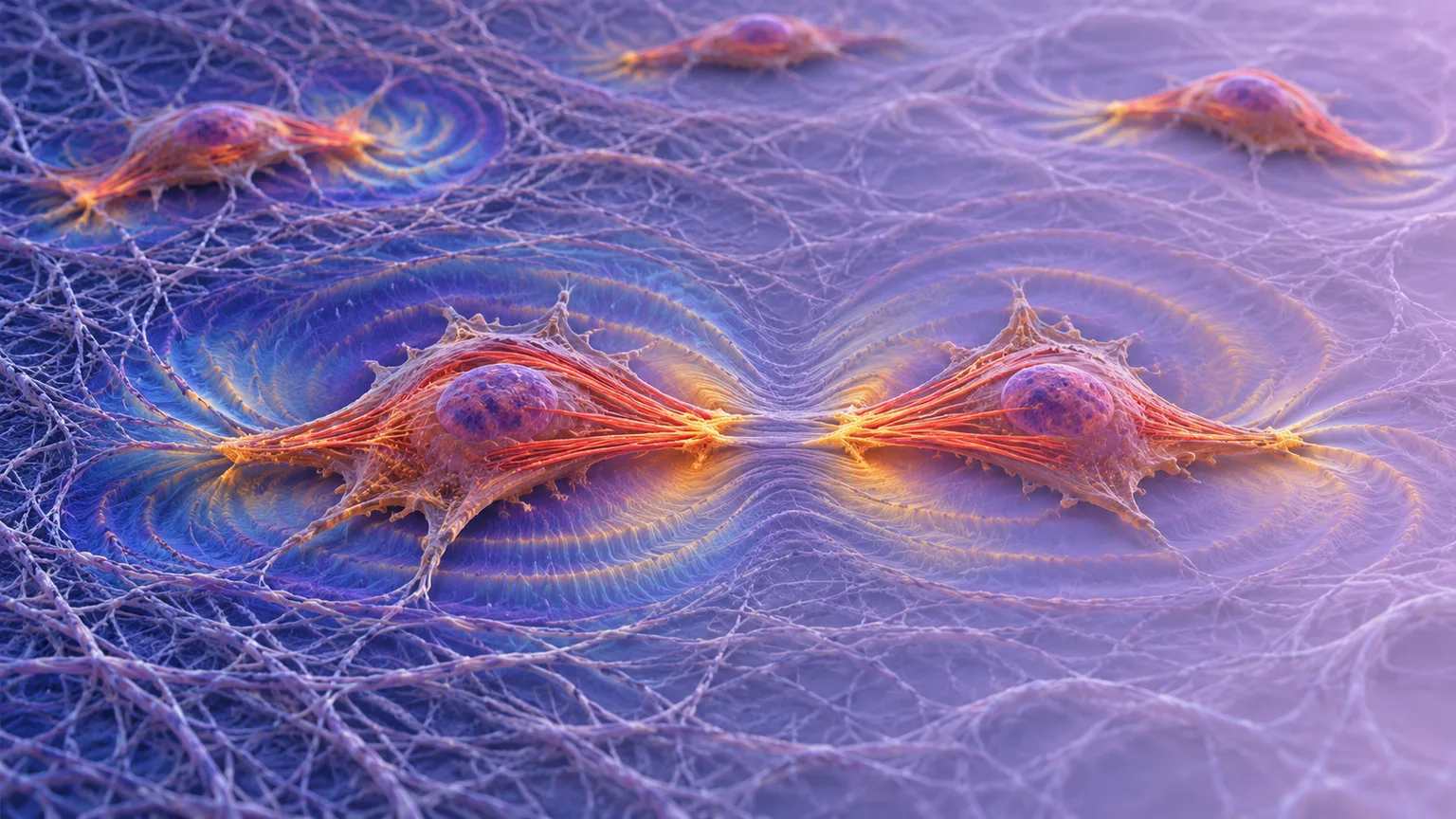
Cells mechanically interact through the deformations they generate in their surrounding extracellular matrix. We present an analytical theory of the elastic interactions between cells that actively adapt their forces in response to local deformations of their environment. Cells are represented as localized contractile force generators, modeled as polarizable point force dipoles, whose adaptive forces are determined self-consistently with those of surrounding cells. Analysis of the associated ela

Continue reading
Health & Medicine

ChREBP drives diabetic kidney disease, and its inhibition confers renal protection.

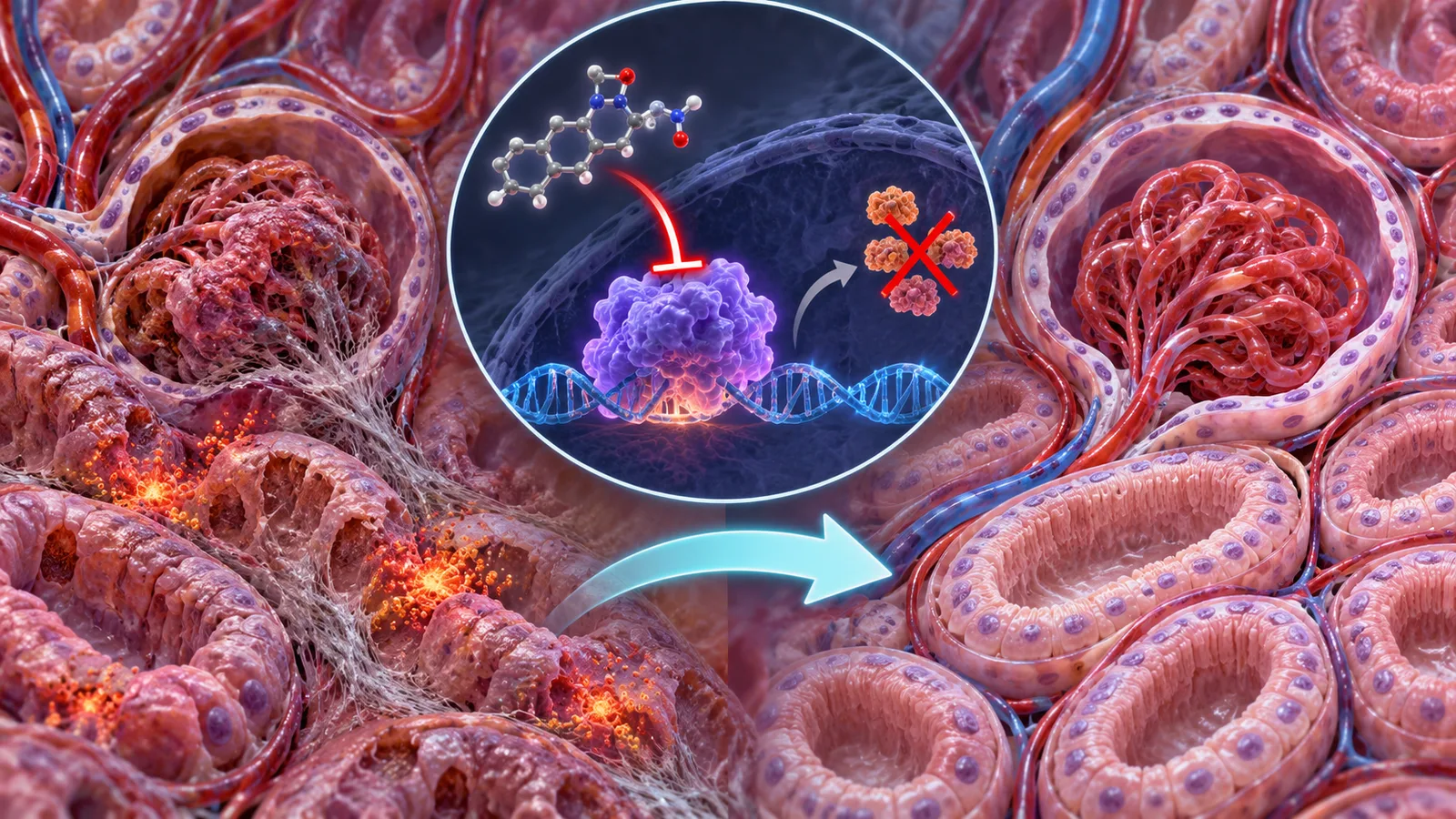
Chronic kidney disease (CKD) represents a major medical burden. Diabetic kidney disease (DKD) is a leading cause of CKD, but intracellular pathways that can be pharmacologically targeted are poorly defined. Using transcriptome screening of DKD model mice we found that a carbohydrate-responsive element-binding protein (ChREBP)-dependent transcriptional cascade is markedly up-regulated in diabetic kidneys. Genetic ablation of ChREBP in diabetic mice ameliorated DKD, establishing ChREBP as a potent

Continue reading