Health & Medicine

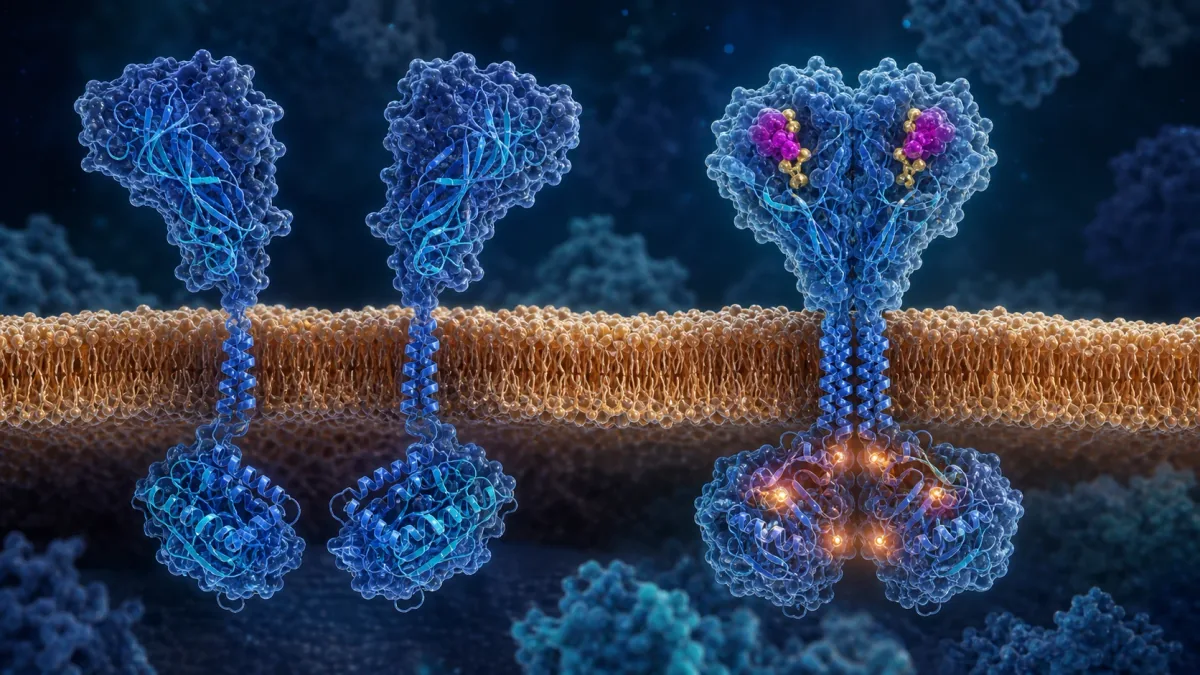
Ligand regulation and function of preformed EGFR dimers.
| Source: Proceedings of the National Academy of Sciences of the United States of America

Receptor tyrosine kinases (RTKs) are key therapeutic targets in cancer, diabetes, and other diseases. With only one transmembrane α-helix-compared with seven in G-protein-coupled receptors-RTKs are thought to be activated by ligand-induced dimerization. Complicating this view, however, one of the best-studied RTKs, the insulin receptor (IR), forms allosterically regulated covalent dimers. Moreover, noncovalent "preformed" dimers have frequently been reported for the sequence-related epider

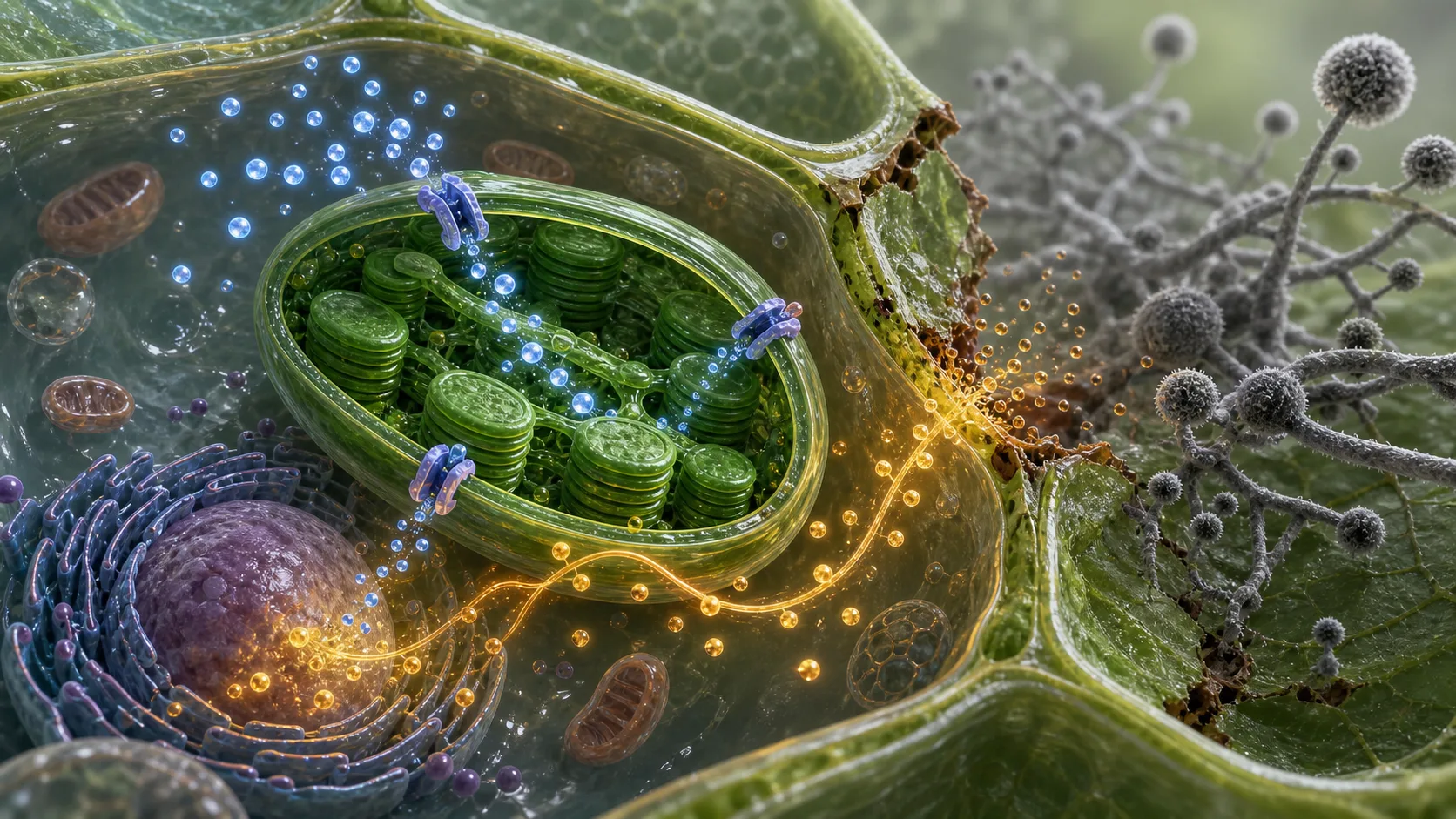
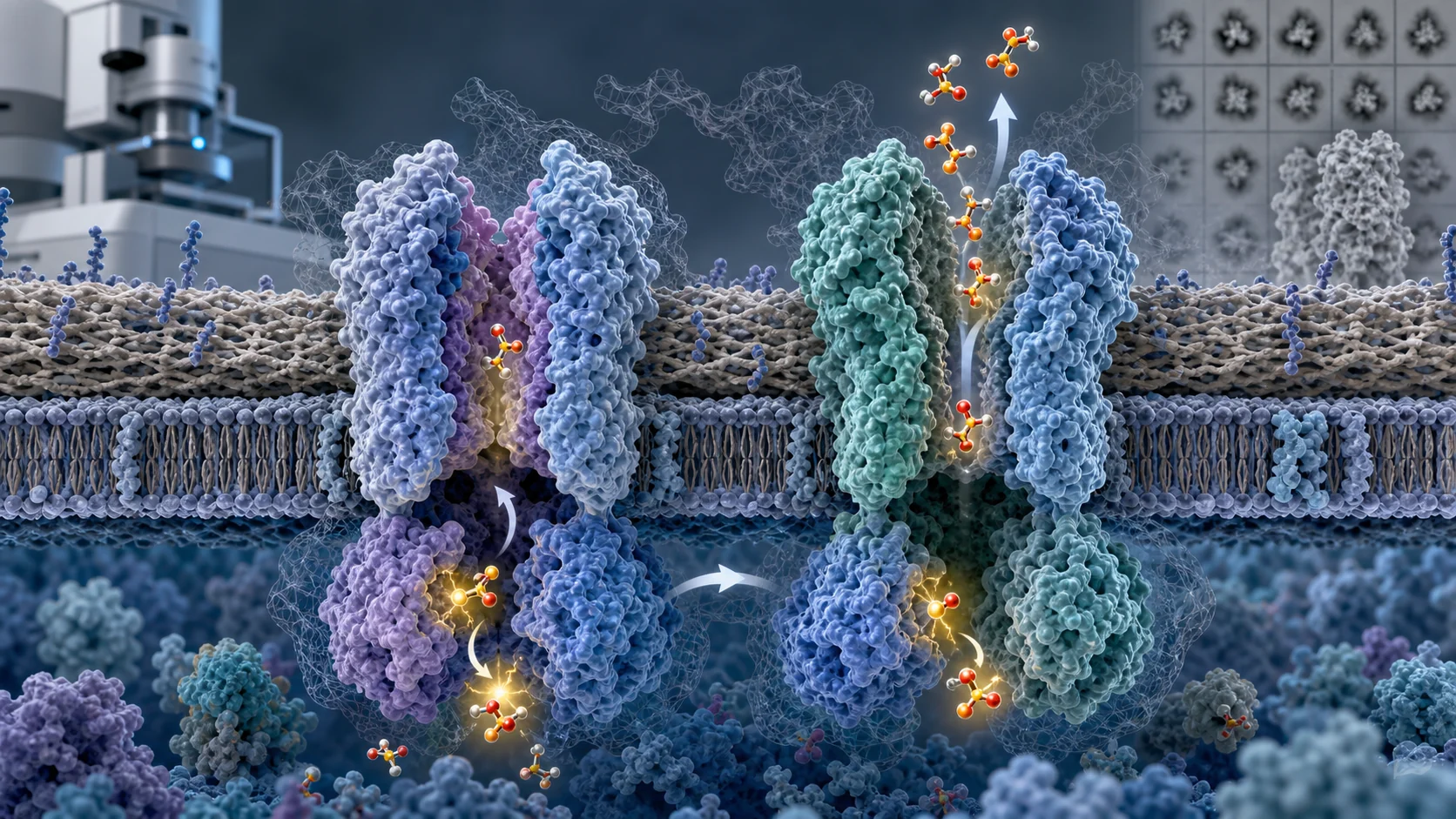
Receptor tyrosine kinases (RTKs) are key therapeutic targets in cancer, diabetes, and other diseases. With only one transmembrane α-helix-compared with seven in G-protein-coupled receptors-RTKs are thought to be activated by ligand-induced dimerization. Complicating this view, however, one of the best-studied RTKs, the insulin receptor (IR), forms allosterically regulated covalent dimers. Moreover, noncovalent "preformed" dimers have frequently been reported for the sequence-related epidermal growth factor receptor (EGFR), one of the first RTKs for which ligand-induced dimerization was described. Here, we describe a detailed structural view of a preformed EGFR dimer. Using cryo-EM, we describe how the Caenorhabditis elegans EGFR (LET-23) dimerizes without ligand. We show that preformed dimer formation modulates ligand sensitivity in vivo, but is not required for signaling itself. We also elucidate substantial ligand-induced conformational changes in LET-23 required for signaling. Our structures reveal unexpected similarities between regulation of LET-23 and the IR, suggesting that LET-23 may represent an evolutionary "missing link" between the IR and EGFR families. In the absence of ligand, intermolecular interactions within preformed receptor dimers hold the extracellular juxtamembrane regions far apart to separate the intracellular kinase domains so that they remain inactive. Ligand binding disrupts these interactions to remove the restraints on the kinase domains, which then can associate to become activated. Our analysis further suggests a unified model for the allosteric activation of preformed RTK dimers that has important implications for understanding cell-surface EGFR.
Read the original source →

Related Topics

Related Stories

Health & Medicine

Cryoelectron tomography reveals an age-related decline in mitoribosomes that contributes to T cell dysfunction in older individuals.

Mitochondrial dysfunction drives T cell aging in mice. Yet, due to fundamental differences in T cell aging mechanisms between species, whether human T cells exhibit similar mitochondrial alterations remains unclear, with existing evidence often conflicting. Using cryoelectron tomography, we resolved the structure and spatial organization of mitochondrial ribosomes in primary human CD8 + T cells under physiological conditions. Comparative analysis with human aging models revealed an age-related r

Continue reading
Health & Medicine

RelB NF-κB tunes Notch2 signaling to promote IL-23-secreting solitary isolated lymphoid tissue-resident DCs critical for gut immunity.

While preserving tolerance toward commensals, dendritic cells (DCs) also orchestrate response against pathogens. The noncanonical RelB NF-κB pathway in DCs curbs tolerogenic Tregs in the intestine. Whether RelB-dependent DC regulations also impact intestinal immunity remains less clear. Here, we show that genetic ablation of RelB in DCs compromises IL-23-dependent immune response in the intestine, imparting vulnerability in Relb ΔCD11c mice to infection with Citrobacter rodentium , a

Continue reading
Health & Medicine

X-linked SYTL4 missense variant disrupts RAB27A-dependent vesicle trafficking and synaptic transmission in autism.

Autism spectrum disorder (ASD) is a neurodevelopmental condition characterized by impaired social communication and repetitive behaviors, with genetic studies implicating widespread synaptic dysfunction. However, the contribution of presynaptic vesicle trafficking mechanisms to ASD pathogenesis remains incompletely understood. Here, we identify synaptotagmin-like protein 4 (SYTL4), a RAB27A effector previously characterized in secretory cells, as a regulator of presynaptic function in the mammal

Continue reading
Health & Medicine

Folic acid prevention of neural tube defects requires retinoic acid produced by ALDH1L1.

Folic acid (FA) supplementation during pregnancy is the commonly accepted treatment to prevent neural tube defects. The mechanism by which FA prevents neural tube defects (NTDs) remains unclear. FA also prevents other developmental malformations, including alcohol-induced malformations in Fetal Alcohol Syndrome models. We show that FA acts through a metabolic link to retinoic acid (RA) signaling. Using a pax3 -knockdown Xenopus model of FA-rescuable NTDs, we show that RA or its precursors equall

Continue reading
Health & Medicine

Dynamic principles of concentration buffering through liquid-liquid phase separation.

Living systems must maintain robust biochemical function despite fluctuations that span a wide range of timescales. Biomolecular condensates formed by liquid-liquid phase separation (LLPS) have been shown to buffer concentration fluctuations, but the principles governing their dynamic regulation remain unclear. We address this by probing the response of LLPS to oscillatory perturbations that mimic fluctuations across different timescales, establishing the first systematic frequency-domain analys

Continue reading