Health & Medicine

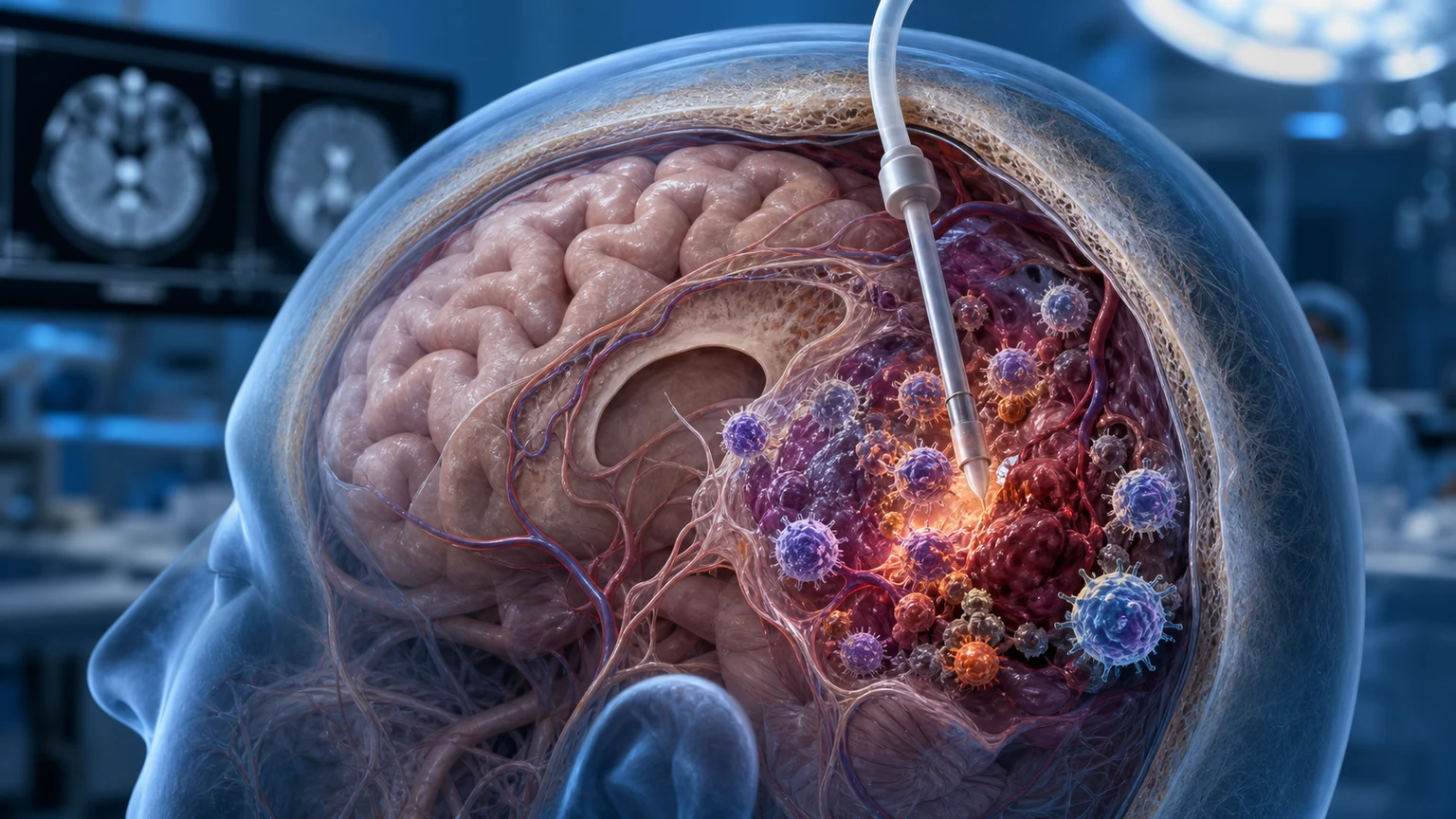
Intracranial delivery of B7-H3-targeting CAR-T cells for recurrent glioblastoma: a phase 1 trial.
| Source: Nature medicine

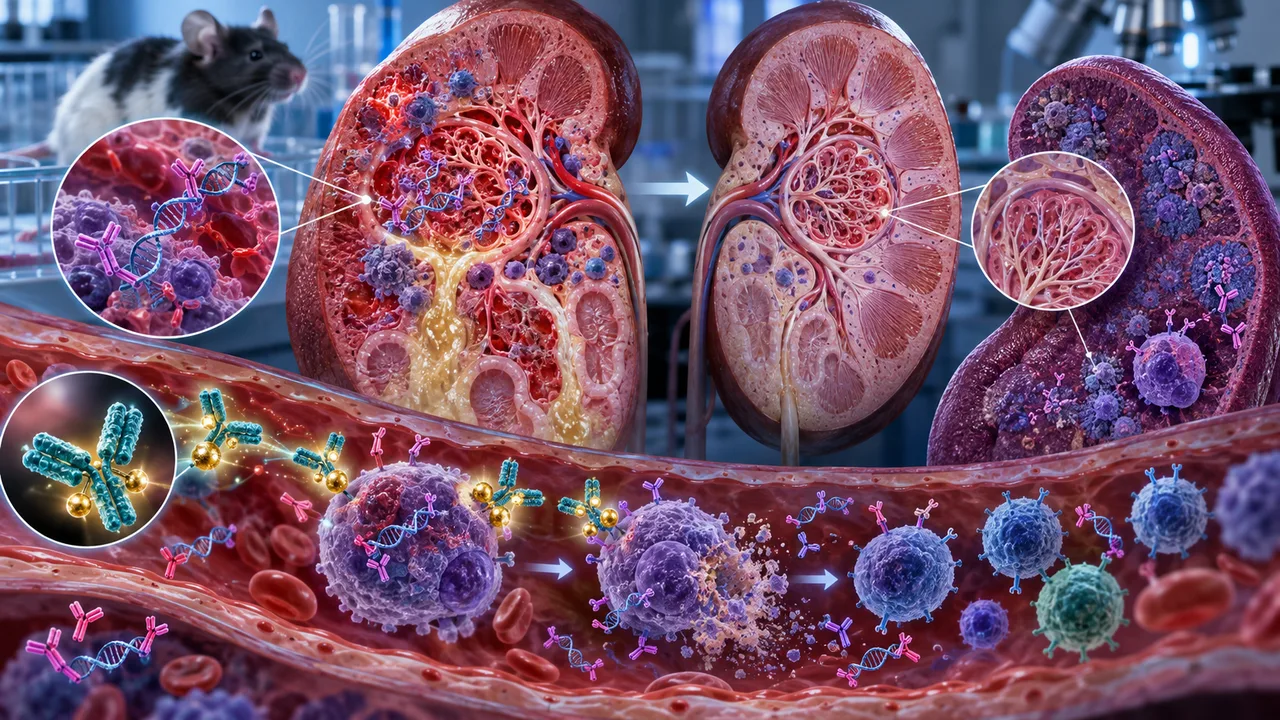
Recurrent glioblastoma (rGBM) is a leading brain malignancy with few therapeutic options. Here we present the complete results of a phase 1 trial investigating the safety and efficacy of autologous B7-H3-targeting chimeric antigen receptor T (CAR-T) cell (TX103) therapy for the treatment of rGBM. In this open-label, 3 + 3 dose-escalation trial, patients aged 18-75 years with B7-H3-positive (≥30%) rGBM received intracranial infusion of TX103 at three dose levels (DLs-2&#x2009

Recurrent glioblastoma (rGBM) is a leading brain malignancy with few therapeutic options. Here we present the complete results of a phase 1 trial investigating the safety and efficacy of autologous B7-H3-targeting chimeric antigen receptor T (CAR-T) cell (TX103) therapy for the treatment of rGBM. In this open-label, 3 + 3 dose-escalation trial, patients aged 18-75 years with B7-H3-positive (≥30%) rGBM received intracranial infusion of TX103 at three dose levels (DLs-2 × 10 7 , 6 × 10 7 and 1.5 × 10 8 cells per infusion). Primary endpoints were safety, maximum tolerated dose (MTD), and recommended phase 2 dose (RP2D). Secondary endpoints included survival, pharmacokinetics and immunological response. Fifteen patients received a total of 72 intracranial infusions and 13 underwent repeated infusions. TX103 therapy was well tolerated, with no dose-limiting toxicities or MTD identified. Treatment-related adverse events (TRAEs) included low-grade cytokine release syndrome (86.7%), sinus tachycardia (53.3%), vomiting (53.3%), hypertension (53.3%) and elevated intracranial pressure (46.7%). Three grade 3 TRAEs considered serious adverse events occurred (elevated intracranial pressure, epilepsy and depressed consciousness), two at DL3. The 12-month overall survival (OS) rate was 66.7% and median OS was 19.1 months (95% confidence interval = 8.93, not reached) from first infusion. Disease control (stable disease or better) was achieved in 8 of 14 patients with measurable disease, including one complete response sustained through the latest follow-up. Cerebrospinal fluid showed a marked increase in CAR gene copy numbers and cytokine release, with minimal peripheral activity and no cumulative toxicity after repeated infusions. In conclusion, intracranial TX103 infusion demonstrated acceptable safety and encouraging efficacy in rGBM, supporting a future phase 2 evaluation at the RP2D (DL2, 6 × 10 7 cells per infusion). ClinicalTrials.gov registration: NCT05241392 .
Read the original source →

Related Topics

Related Stories

Health & Medicine

Palmitoylation of TK1 exacerbates osteoarthritis by promoting JNK-mediated metabolic reprogramming.

Osteoarthritis (OA) lacks approved disease-modifying therapies. Here, by integrating quantitative proteomics with reanalysis of public single-cell RNA sequencing data from human articular cartilage, we identify thymidine kinase 1 (TK1) as a pathogenic regulator linking inflammatory stress to metabolic rewiring and matrix breakdown. TK1 is markedly upregulated in OA chondrocytes. Mechanistically, IL-1β enhances S-palmitoylation of TK1 at Cys153, which promotes USP9X-dependent deubiquitinati

Continue reading
Health & Medicine

[ 177 Lu]Lu-PSMA-617 in patients with PSMA-positive metastatic androgen pathway modulator-naive/sensitive prostate cancer (PSMAddition): a phase 3 randomised, controlled trial.

A contemporary standard of care for patients with metastatic androgen pathway modulator-naive/sensitive (APMN/S) prostate cancer (also known as metastatic hormone-sensitive prostate cancer) is androgen deprivation therapy (ADT) plus an androgen receptor pathway inhibitor (ARPI) until progression. PSMAddition aimed to evaluate the efficacy and safety of [ 177 Lu]Lu-PSMA-617 ( 177 Lu-PSMA-617) combined with ADT plus ARPI in prostate-specific membrane antigen (PSMA)-positive metastatic APMN/S prost

Continue reading
Health & Medicine

Psilocybin-assisted therapy for treatment-resistant major depressive disorder in a public healthcare setting: a randomized controlled trial.

Psilocybin-assisted therapy may be a promising new treatment for treatment-resistant depression. We examined the feasibility of administering a single 25-mg dose of psilocybin or placebo with psychological support in a randomized controlled trial design with 6 weeks of follow-up. A two-arm, double-blind, randomized, placebo-controlled feasibility trial was conducted at one National Health Service (NHS) site in England. Eligible participants met Diagnostic and Statistical Manual of Mental

Continue reading
Health & Medicine

The complete genome of a songbird.

Bird genomes are the smallest among amniotes; however, they remain challenging to assemble due to their structural complexity. This study presents a fully phased diploid telomere-to-telomere reference genome for the zebra finch (Taeniopygia guttata), a model organism for neuroscience and evolutionary genomics. Combining sequencing strategies allowed the closing of nearly all gaps, adding ∼90 Mbp of sequence (7.8%). The assembly contains gapless sequences for all microchromosomes, includin

Continue reading
Health & Medicine

Complex subtelomeric architectures in a complete rhesus macaque reference genome.

We present T2T-MMU8v2.0, a near-perfect telomere-to-telomere assembly of the rhesus macaque (Macaca mulatta), representing high base-level accuracy reported in a primate genome. Our optimized assembly strategy exposes subtelomeric satellite-rich regions as the principal bottleneck in obtaining full assemblies, owing to long-read technological biases and limitations in hybrid assembly frameworks. By resolving ∼8 Mbp of SATR satellite arrays and discovering 268 previously unannotated repeat

Continue reading