Health & Medicine

In vivo CAR-T double knockout screen maps synergistic antitumour gene pairs.
| Source: Nature

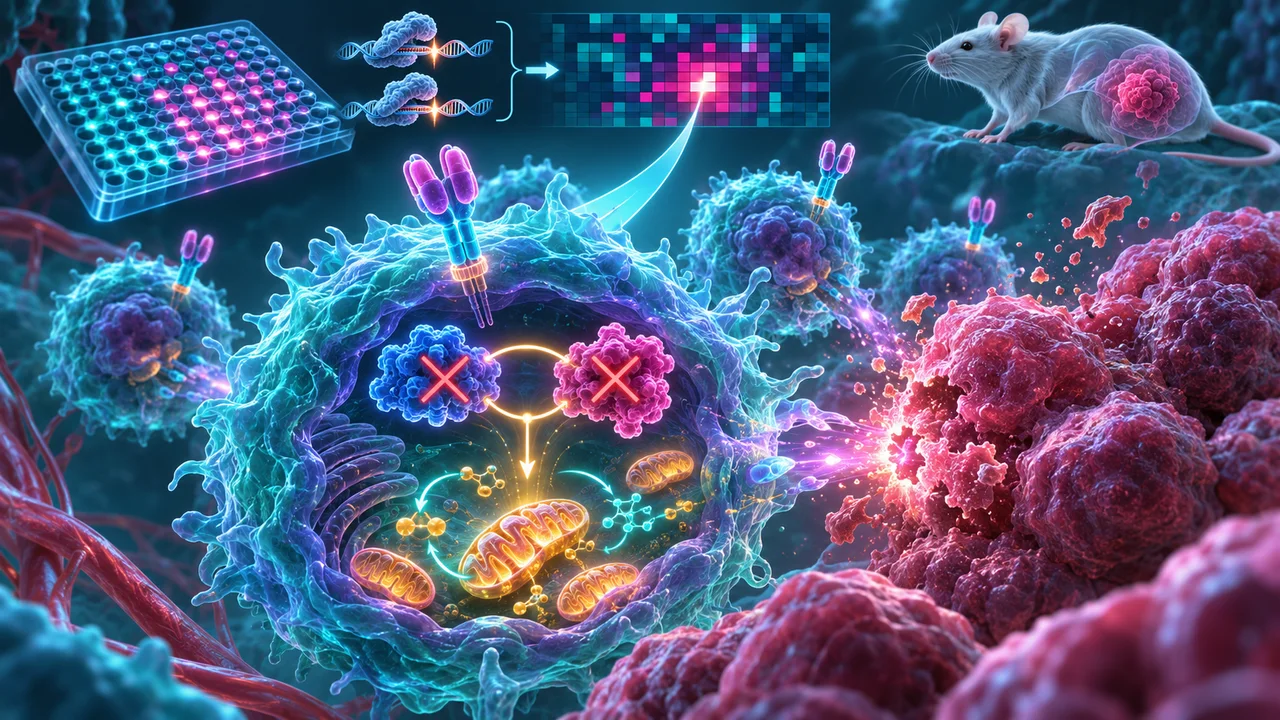
Chimeric antigen receptor (CAR)-T cell therapy has transformed the treatment of haematological malignancies, but its efficacy remains limited by multiple negative regulatory mechanisms intrinsic to T cells 1-4 . Here we perform a high-throughput in vivo CAR-T double-knockout (DKO) CRISPR screen, and identify multiple DKO gene pairs that are both effective and synergistic. The top pair, NR4A1-SOCS3 DKO, has multiple favourable immunological features. Whole-transcriptome profiling and in vivo

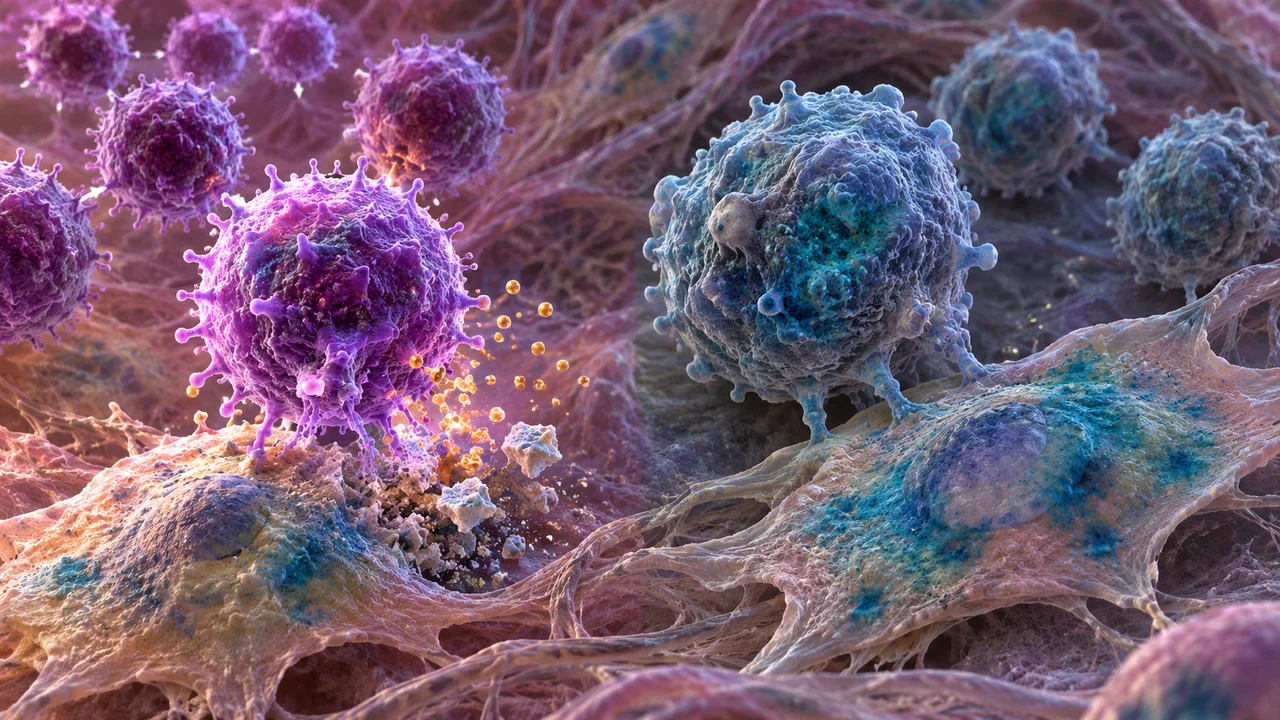
Chimeric antigen receptor (CAR)-T cell therapy has transformed the treatment of haematological malignancies, but its efficacy remains limited by multiple negative regulatory mechanisms intrinsic to T cells 1-4 . Here we perform a high-throughput in vivo CAR-T double-knockout (DKO) CRISPR screen, and identify multiple DKO gene pairs that are both effective and synergistic. The top pair, NR4A1-SOCS3 DKO, has multiple favourable immunological features. Whole-transcriptome profiling and in vivo single-cell RNA sequencing reveal that NR4A1-SOCS3 DKO specifically upregulates metabolic pathways in CAR-T cells, which show significantly higher metabolic fitness and mitochondrial activity. NR4A1-SOCS3 DKO CAR-T cells and T cells exhibit exceptionally potent antitumour efficacy and long-term tumour control across different tumour models without compromising safety features. NR4A1-SOCS3 DKO outperforms several benchmark single-gene and dual-gene modifications in T cells and CAR-T cells 5-9 . These data demonstrate high-throughput in vivo CAR-T DKO screening for rapid discovery of combination targets, and establish NR4A1-SOCS3 as a promising pair of intracellular checkpoints to engineer high-performance CAR-T therapies against cancer.

Read the original source →

Related Topics

Related Stories

Health & Medicine

Spontaneous gas film expansion at an oil-water interface.

Spontaneous interfacial separation of oil and water, by inserting a gas film between the two liquids, is thermodynamically unfavorable because the oil-water interface is replaced by oil-gas and water-gas interfaces with a higher combined interfacial energy. Here, we demonstrate that microstructural confinement enables this transition after bubble introduction through the coupling of wetting, capillarity, and gas transport. Spontaneous oil imbibition into a water-submerged micropillar array, toge

Continue reading
Health & Medicine

Senescent CD8 T effector memory cells are functionally impaired, enriched in aging and disease, and a barrier to immunotherapy.

Senescent cells play important roles in various biological processes that promote fitness and health; however, their timely elimination by immune cells is critical to maintain tissue homeostasis and prevent disease. Despite this, senescent cells accumulate systemically with age, suggesting that certain immune cells also become senescent and dysfunctional during aging. In support of this, we previously demonstrated that CD8 T cells, immune cells capable of targeting senescent cells, increasingly

Continue reading
Health & Medicine

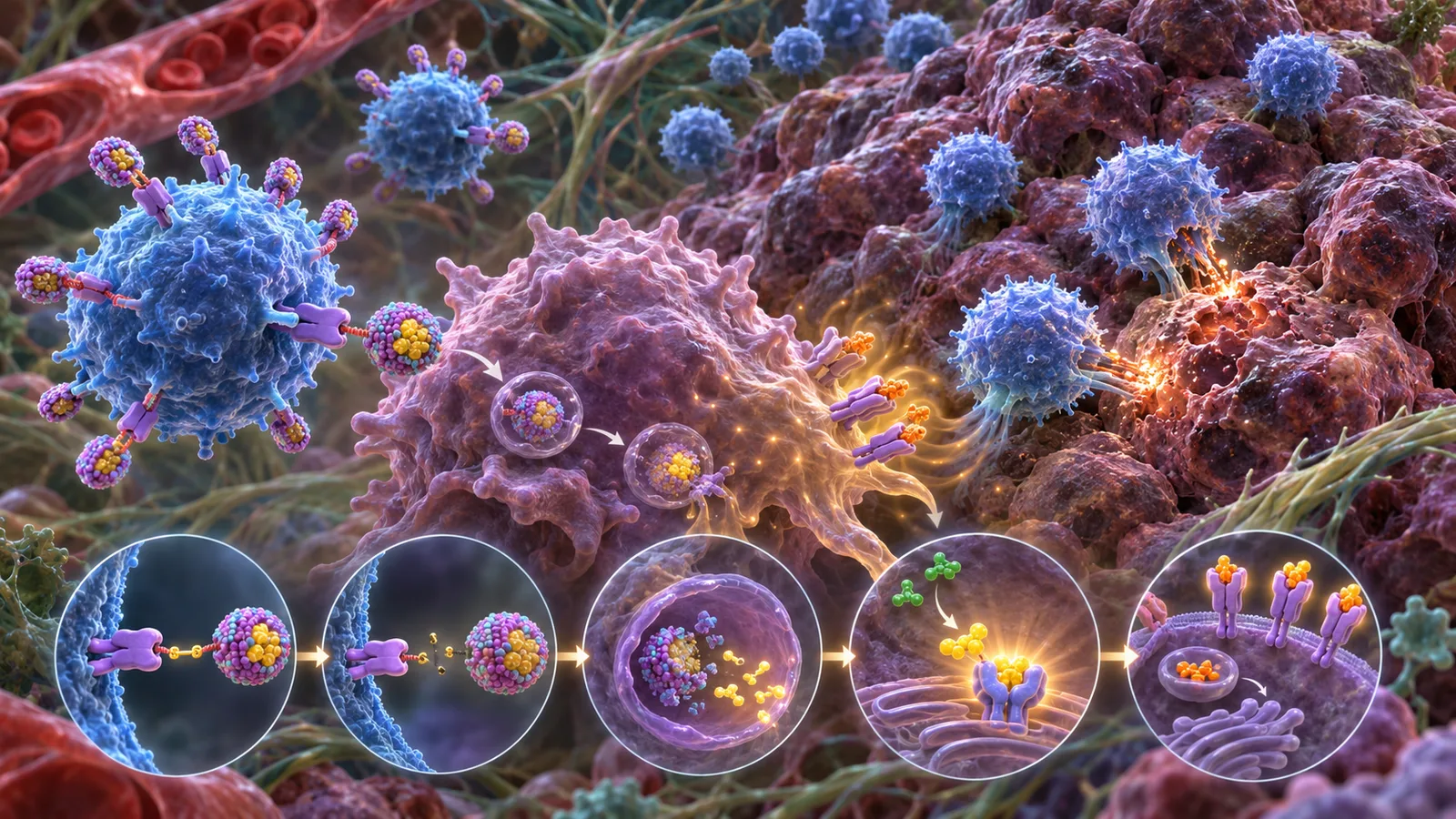
Engineered T cell-agonist chimera for logic-gated STING activation and augmented cancer immunotherapy.

The efficacy of adoptive T cell therapy against solid tumors is markedly hindered by the immunosuppressive microenvironment. Here, we demonstrate that stimulator of interferon genes (STING) activation in tumor-associated macrophages (TAM) enhances the intratumoral infiltration and cytotoxicity of adoptive T cells. We next design a TAM-targeted nanoagonist and engineer a T cell - agonist chimera (SNTC) via covalent surface anchoring, to achieve synchronized biodistribution of STING agonist with a

Continue reading
Health & Medicine

Decoding the regulatory programs governing glioblastoma plasticity.

Glioblastoma is incurable and resistant to therapy despite genomic stability under treatment 1-8 , suggesting that non-genetic cellular plasticity is a central driver of progression. Whether such plasticity reflects stochastic state switching or is governed by predictable gene regulation has remained unclear 9-13 . Here we introduce scDORI (single-cell deep multi-omic regulatory inference)-a deep-learning framework that infers enhancer-driven gene-regulatory networks at single-cell resolution-an

Continue reading
Health & Medicine

Aggression experience and observation drive shared behavioural and neural changes.

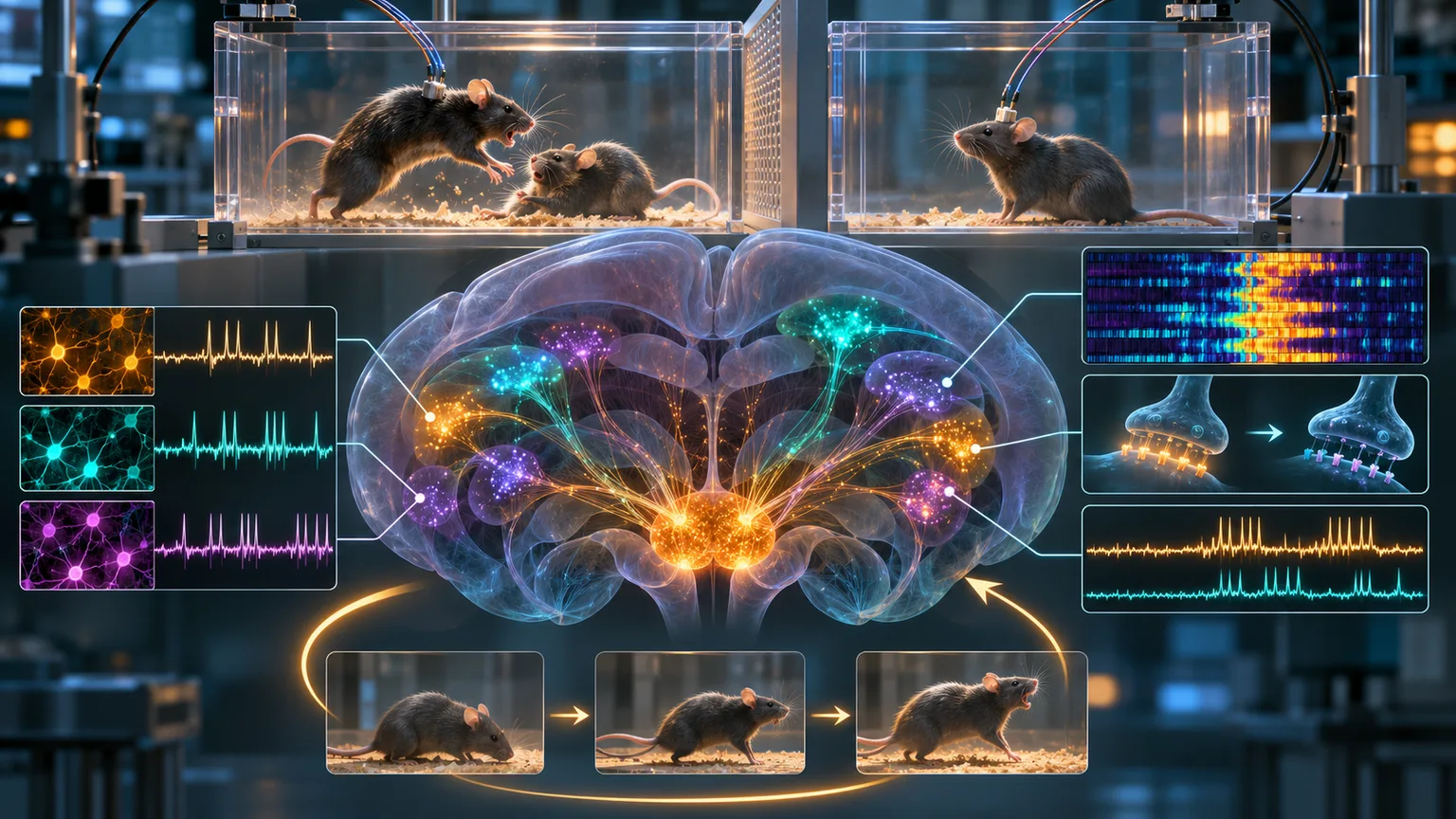
The ability to observe the social behaviour of others and use observed information to bias future action is a fundamental building block of social cognition 1-3 . Aggression observation activates hypothalamic neurons relevant for aggression control 4,5 , but whether observation and experience engage common circuit mechanisms that promote a new shared behavioural policy is unclear. Here we develop a strategy to perform large-scale cell-type-specific recordings across subcortical networks for soci

Continue reading