Health & Medicine

Engineering signalling centres to trigger human trunk morphogenesis in vitro.
| Source: Nature

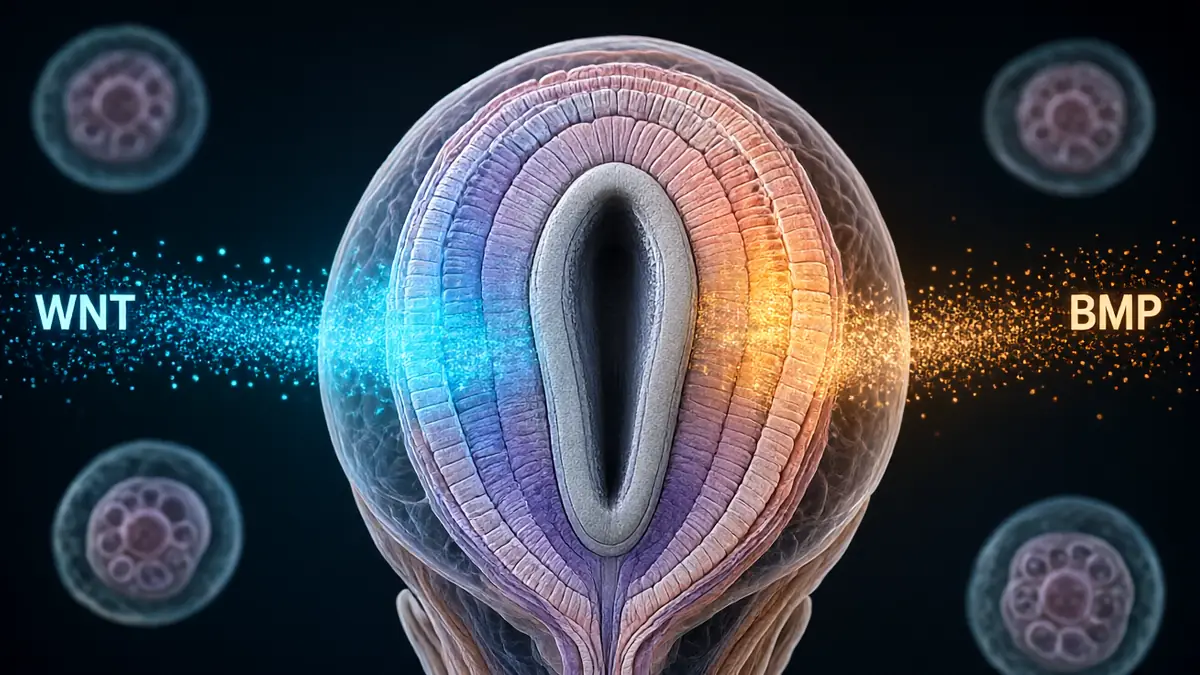
Vertebrate trunk development is orchestrated by endogenous signalling centres that generate gradients of signals such as WNT and BMP to pattern cell fates and drive morphogenesis 1-7 . Whether these cues alone can reconstitute human trunk-like morphogenesis in vitro remains unknown. Here we present a synthetic embryology platform for high-throughput, spatiotemporal delivery of morphogen signals to epithelial cysts derived from human pluripotent stem cells. Transient WNT and BMP gradients are suf

Vertebrate trunk development is orchestrated by endogenous signalling centres that generate gradients of signals such as WNT and BMP to pattern cell fates and drive morphogenesis 1-7 . Whether these cues alone can reconstitute human trunk-like morphogenesis in vitro remains unknown. Here we present a synthetic embryology platform for high-throughput, spatiotemporal delivery of morphogen signals to epithelial cysts derived from human pluripotent stem cells. Transient WNT and BMP gradients are sufficient to drive the generation of axially elongating trunk-like structures that contain a central neural tube flanked by axial, paraxial, intermediate and lateral mesoderm. The geometry of the transient BMP signal exerts lasting control over mediolateral patterning and bilateral symmetry. Patterning and morphogenesis are sustained by neuromesodermal and lateral plate mesoderm progenitors induced by the initial cues, which act as endogenous signalling centres. Together, these findings define a minimal spatial code sufficient to reconstitute trunk-like morphogenesis in a human stem-cell-based model and establish a scalable platform for studying early human development and congenital disorders.
Read the original source →

Related Stories

Health & Medicine

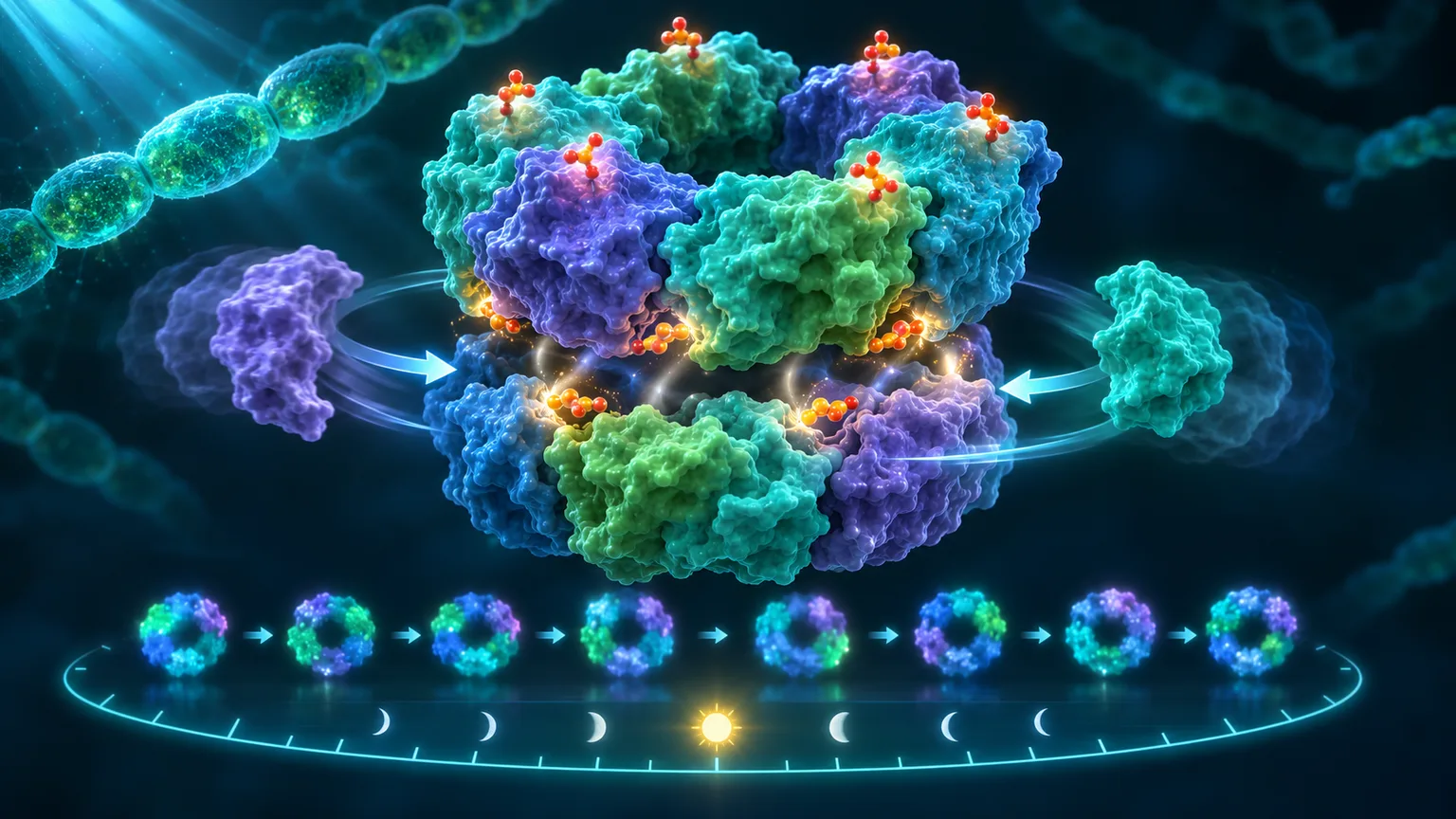
Phosphorylation-dependent ATPase activity regulates subunit shuffling dynamics in cyanobacterial circadian clock proteins.

Protein complexes are essential for cellular functions, with their dynamics increasingly recognized as key regulatory elements. In the cyanobacterial circadian clock, the KaiC hexamer is highly dynamic, undergoing phosphorylation-dependent monomer shuffling that synchronizes individual oscillators. However, the molecular mechanism of monomer shuffling is not fully understood. Here we combine a chromatography-based method with single-molecule fluorescence microscopy to quantify subunit exchange i

Continue reading
Health & Medicine

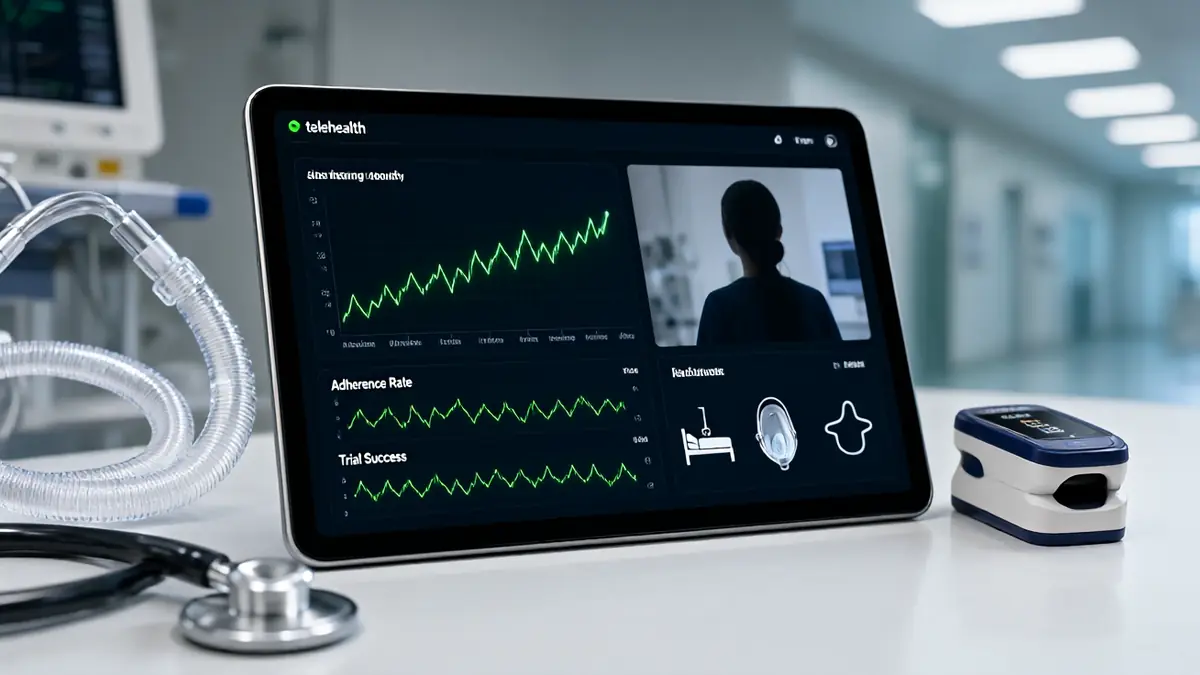
Telehealth to Support Coordinated Spontaneous Awakening and Breathing Trials in Invasive Ventilation: The TEACH Cluster Randomized Clinical Trial.

Coordinated spontaneous awakening trials and spontaneous breathing trials (C-SAT/SBT) improve outcomes for patients receiving invasive mechanical ventilation, but implementation remains inadequate. To evaluate whether a telehealth intervention added to a standard audit and feedback implementation of C-SAT/SBT increases adherence and improves outcomes compared with standard audit and feedback implementation alone (control). A cluster randomized type 2 hybrid effectiveness-implementation clinical

Continue reading
Health & Medicine

Heterogeneity co-evolves with architecture to determine colon cancer outcome.

Intratumoural heterogeneity, originating from genetic, epigenetic and phenotypic diversity, is pervasive in cancer and a fundamental barrier to curative treatment 1,2 . How these heterogeneous cell states emerge and co-evolve within tumours remains poorly understood. Here we develop a deep-learning framework that quantifies colorectal cancer tissue architecture and nuclear morphology at subcellular resolution to predict patient outcome. Integrating this with spatial transcriptomics, multiplex im

Continue reading
Health & Medicine

Transcription from megabase-scale heterochromatin generates neural barcodes.

Heterochromatin typically represses genes 1,2 , yet some genes paradoxically require it for activation 3-7 . How can the same chromatin environment both silence and promote transcription? Here we address this question by interrogating the clustered protocadherin (Pcdh) locus, where subsets of genes are stochastically expressed while most remain silent 8 . In neurons, stochastic and combinatorial expression of Pcdh genes generates unique cell-surface barcodes required for self-non-self discrimina

Continue reading
Health & Medicine

Structural basis of RNA-guided DNA integration by type I CAST systems.

CRISPR-associated transposases (CASTs) achieve site-specific DNA integration by combining the RNA-guided targeting action of a nuclease-deficient CRISPR-Cas system with the assembly of a Tn7-like transpososome complex 1,2 . Understanding the detailed mechanisms of this elaborate process is paramount to engineering CAST systems into programmable genetic tools 3-6 . Type I-F Pseudoalteromonas CAST (PseCAST) shows the highest activity in mammalian cells so far 7 and has been adapted extensivel

Continue reading