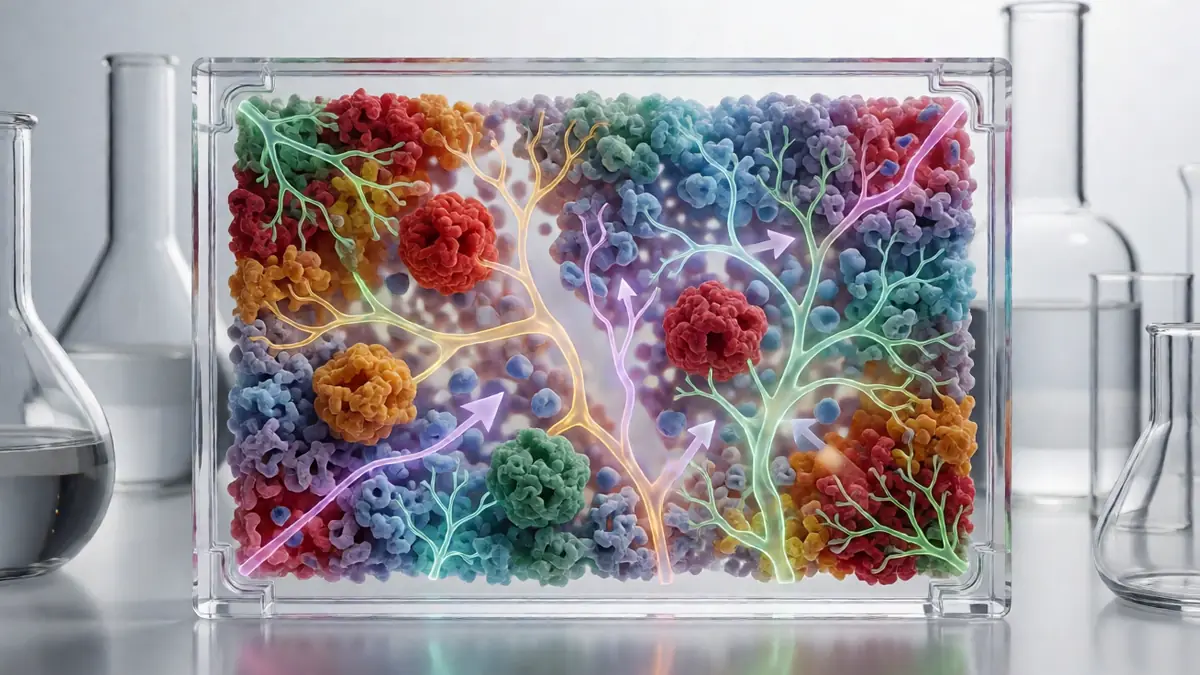
Diet at disease onset determines tissue inflammatory memory.
Obesity, which is often associated with prolonged exposure to an obesogenic diet, substantially alters immunity 1-7 , but whether brief dietary changes shape acute inflammatory responses and long-term tissue memory remains unclear. Here we show that transient high-fat diet (HFD) exposure at the onset of acute type 17 skin inflammation exacerbates disease in lean mice to levels comparable to those associated with chronic obesity. This effect is restricted to a discrete 4-day peri-i
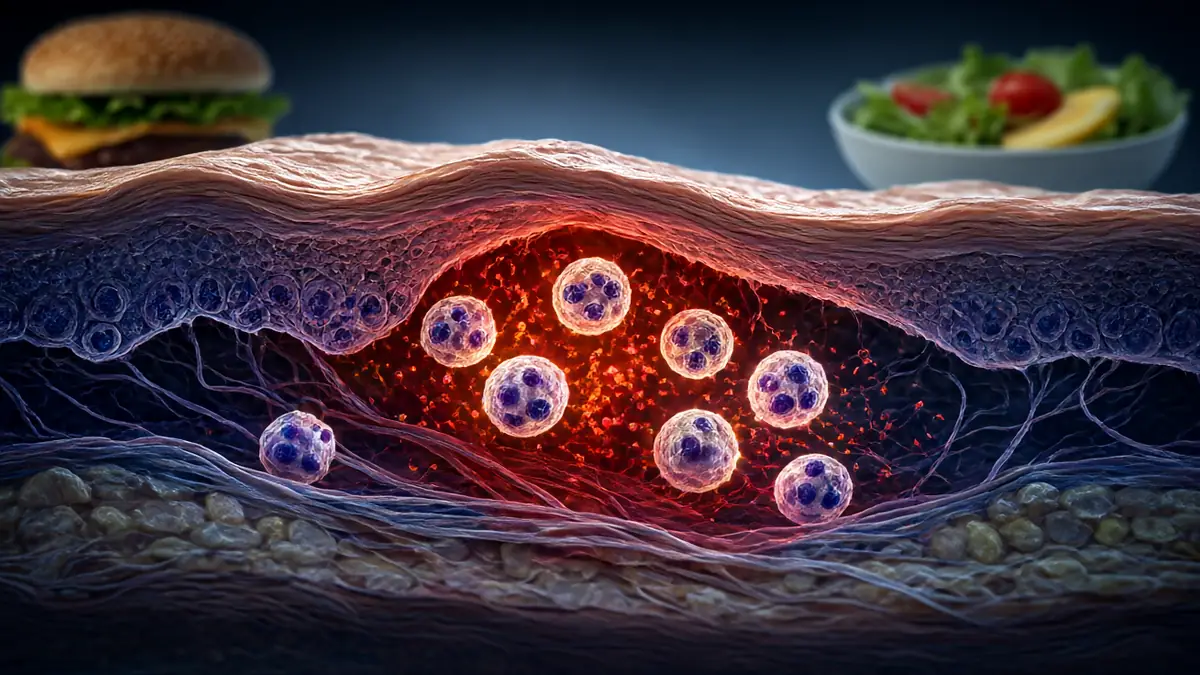
Obesity, which is often associated with prolonged exposure to an obesogenic diet, substantially alters immunity 1-7 , but whether brief dietary changes shape acute inflammatory responses and long-term tissue memory remains unclear. Here we show that transient high-fat diet (HFD) exposure at the onset of acute type 17 skin inflammation exacerbates disease in lean mice to levels comparable to those associated with chronic obesity. This effect is restricted to a discrete 4-day peri-initiation window; HFD outside this window has no impact, whereas switching obese mice to a low-fat diet (LFD) during a similar window fully blunts disease amplification. Mechanistically, HFD rapidly recruits neutrophils into the skin, and neutrophils in challenged skin express high levels of Nlrp3 (ref. 8 ) and Il1b. Neutrophil depletion, genetic Nlrp3 deficiency and pharmacological NLRP3 inhibition each blunt the HFD-induced inflammatory amplification. These findings nominate a neutrophil-NLRP3-IL-1β axis that licences pathogenic IL-1R1 + CD4 + T helper type 17 (T H 17) cells 9,10 . After recovery, a chromatin-poised tissue-resident memory T cell population persists. Consequently, mice exposed to HFD at disease onset develop exaggerated inflammation upon recurrence, despite recovery and maintenance on LFD. Transient HFD similarly amplifies lung T H 17 inflammation through neutrophil- and IL-1R1-dependent mechanisms. Together, these findings show that dietary state during a narrow temporal window can durably reprogram disease trajectory, suggesting that short-lived physiological states may become embedded in local immune memory 11 when they coincide with tissue inflammation.