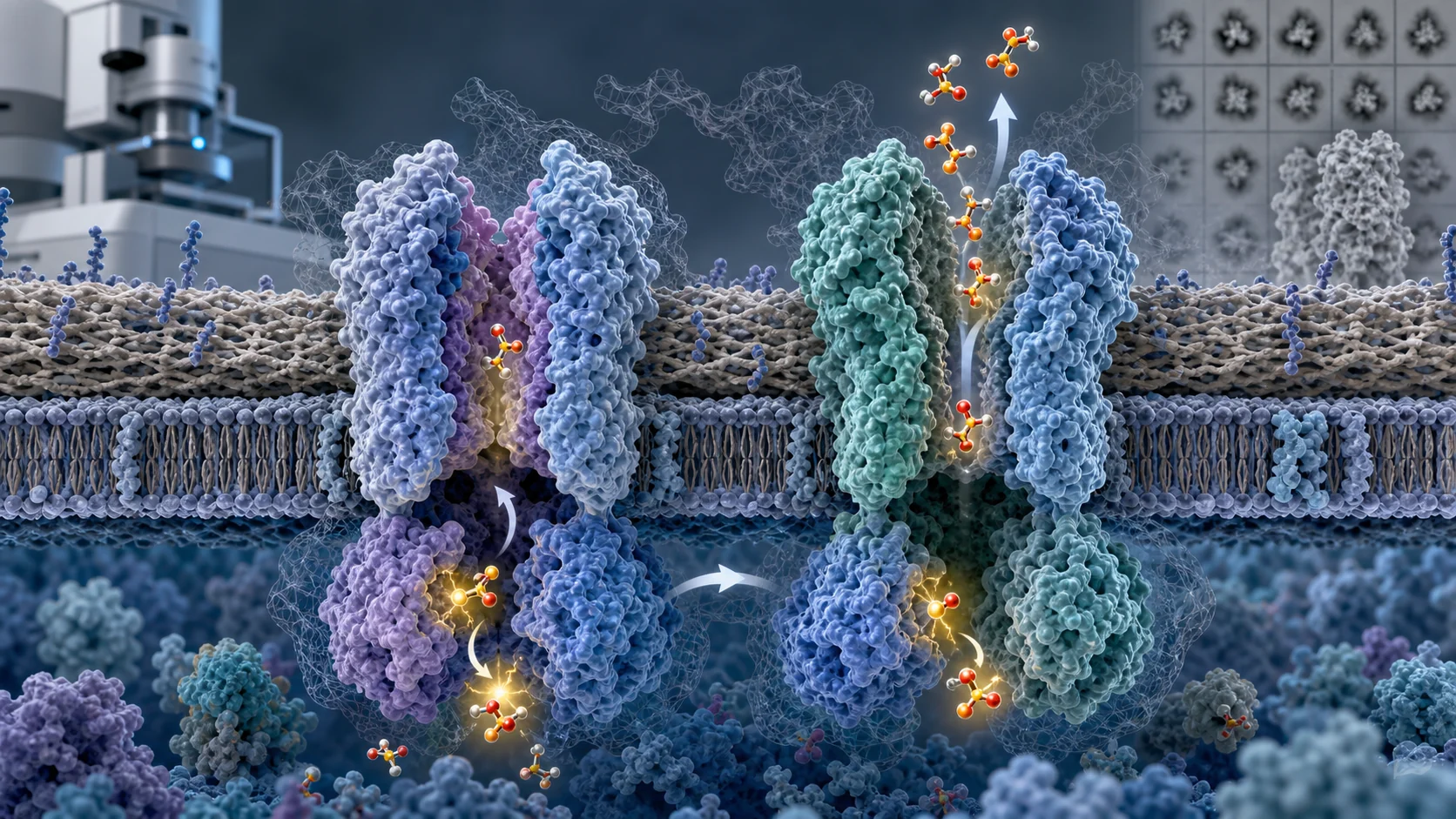
Cryoelectron tomography reveals an age-related decline in mitoribosomes that contributes to T cell dysfunction in older individuals.
Mitochondrial dysfunction drives T cell aging in mice. Yet, due to fundamental differences in T cell aging mechanisms between species, whether human T cells exhibit similar mitochondrial alterations remains unclear, with existing evidence often conflicting. Using cryoelectron tomography, we resolved the structure and spatial organization of mitochondrial ribosomes in primary human CD8 + T cells under physiological conditions. Comparative analysis with human aging models revealed an age-related r
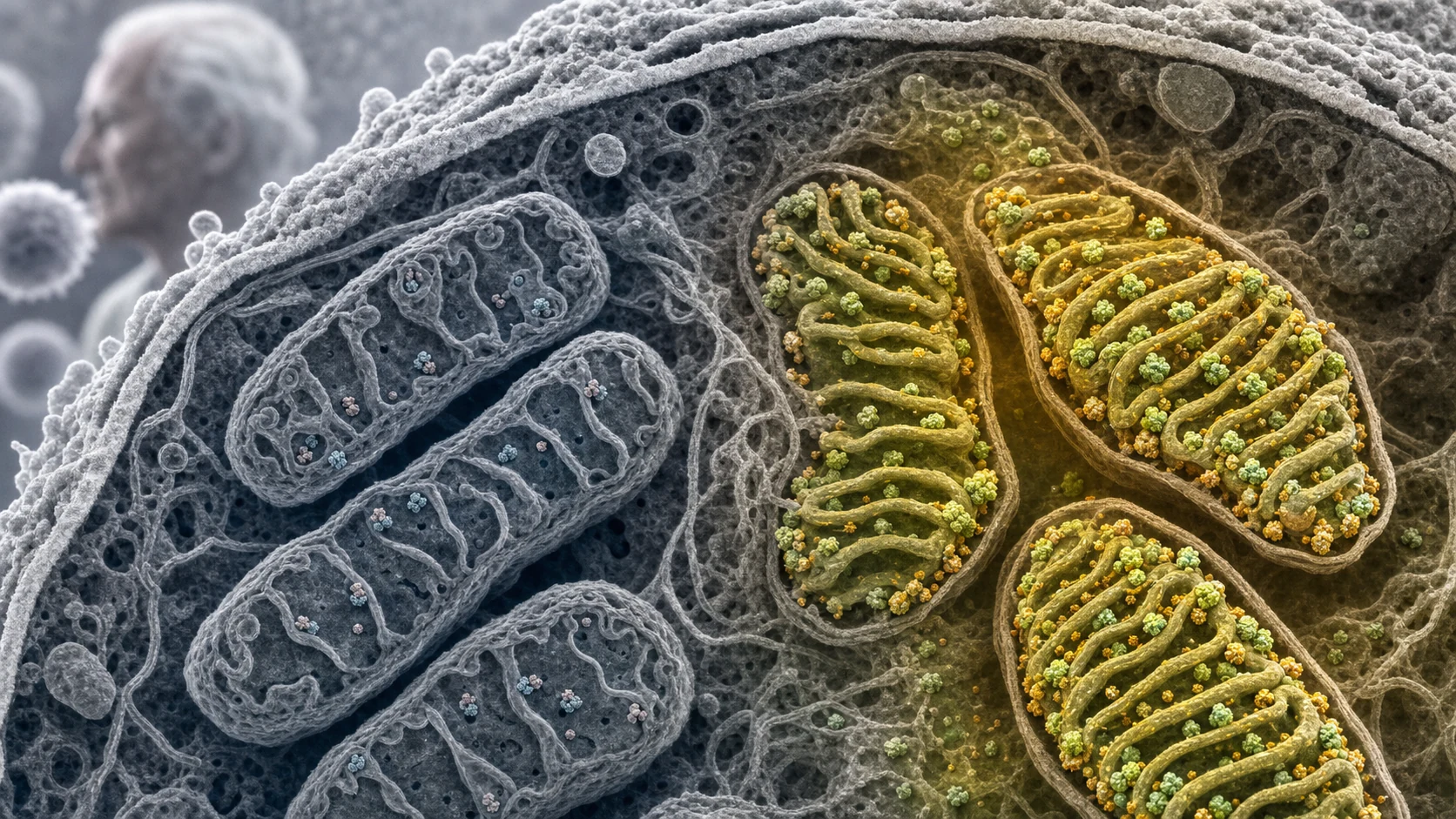
Mitochondrial dysfunction drives T cell aging in mice. Yet, due to fundamental differences in T cell aging mechanisms between species, whether human T cells exhibit similar mitochondrial alterations remains unclear, with existing evidence often conflicting. Using cryoelectron tomography, we resolved the structure and spatial organization of mitochondrial ribosomes in primary human CD8 + T cells under physiological conditions. Comparative analysis with human aging models revealed an age-related reduction in mitoribosome abundance and in higher-order mitoribosome organization, which is necessary for cooperative translation. Defective mitochondrial translation suppressed cytosolic ribosomal protein expression, thereby limiting mitochondrial biogenesis. The consequent reduction in mitochondrial mass induced an aged T cell phenotype characterized by compromised memory phenotypes and proliferative capacity. Enhancing mitochondrial translation via overexpression of the mitoribosomal component Mrps5 reversed aged T cell phenotypes in a mouse model of viral infection or tumor. Together, our findings provide nanoscale-resolution views of internal mitochondrial structures in situ, revealing an age-related loss of mitoribosomes. This loss contributes to mitochondrial dysfunction and the subsequent decline in T cell function observed in older individuals. Restoring mitochondrial translation may therefore represent a strategy for mitigating T cell dysfunction in the aging population.