Health & Medicine

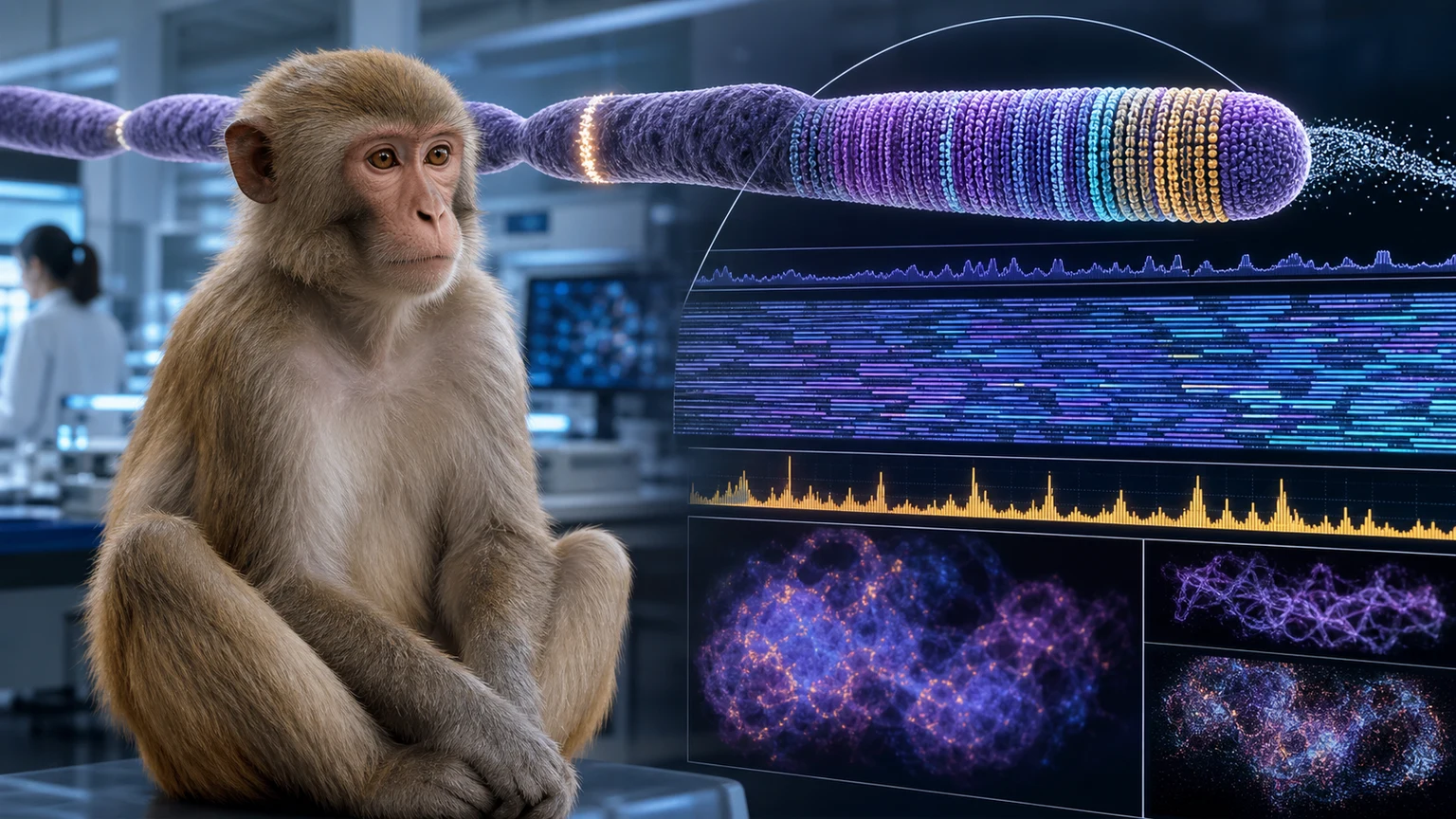
Complex subtelomeric architectures in a complete rhesus macaque reference genome.
| Source: Cell

We present T2T-MMU8v2.0, a near-perfect telomere-to-telomere assembly of the rhesus macaque (Macaca mulatta), representing high base-level accuracy reported in a primate genome. Our optimized assembly strategy exposes subtelomeric satellite-rich regions as the principal bottleneck in obtaining full assemblies, owing to long-read technological biases and limitations in hybrid assembly frameworks. By resolving ∼8 Mbp of SATR satellite arrays and discovering 268 previously unannotated repeat

We present T2T-MMU8v2.0, a near-perfect telomere-to-telomere assembly of the rhesus macaque (Macaca mulatta), representing high base-level accuracy reported in a primate genome. Our optimized assembly strategy exposes subtelomeric satellite-rich regions as the principal bottleneck in obtaining full assemblies, owing to long-read technological biases and limitations in hybrid assembly frameworks. By resolving ∼8 Mbp of SATR satellite arrays and discovering 268 previously unannotated repeat families, we define four distinct SATR genomic architectures, each with unique satellite composition, segmental duplication organization, and epigenetic signatures, which are distinct from the subtelomeric architectures observed in hominid genomes. These regions harbor 58 actively transcribed genes, suggesting gene innovation within these repetitive regions. Functionally, T2T-MMU8v2.0 improves alignment accuracy and chromatin accessibility detection, enabling a finer resolution in population variation and regulatory elements. Together, this work establishes a benchmark for primate genomics and illustrates the functional and evolutionary importance of previously inaccessible structures of the genome.
Read the original source →

Related Stories

Health & Medicine

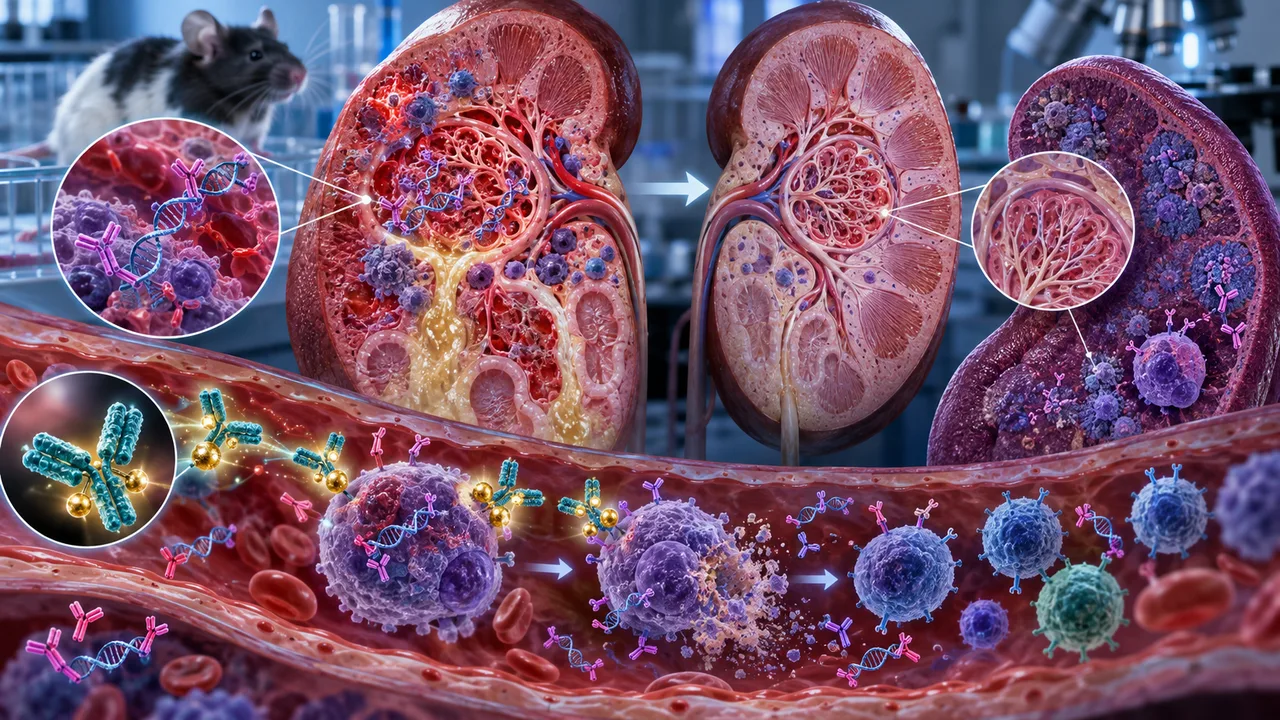
Selective ablation of dsDNA-specific plasma cells improves lupus nephritis in NZB/W mice.

Antibodies specific for double-stranded DNA (dsDNA) are thought to play a crucial role in the pathogenesis of lupus nephritis. Plasma cells have emerged as a promising therapeutic target in antibody-mediated diseases. Here, we show that dsDNA oligonucleotides longer than 80 bp and irrespective of their sequence, react with more than 80% of murine and human dsDNA antibodies. With a conjugate of a modified antibody to mouse CD138 and 100 bp dsDNA oligonucleotides, we demonstrate the selective depl

Continue reading
Health & Medicine

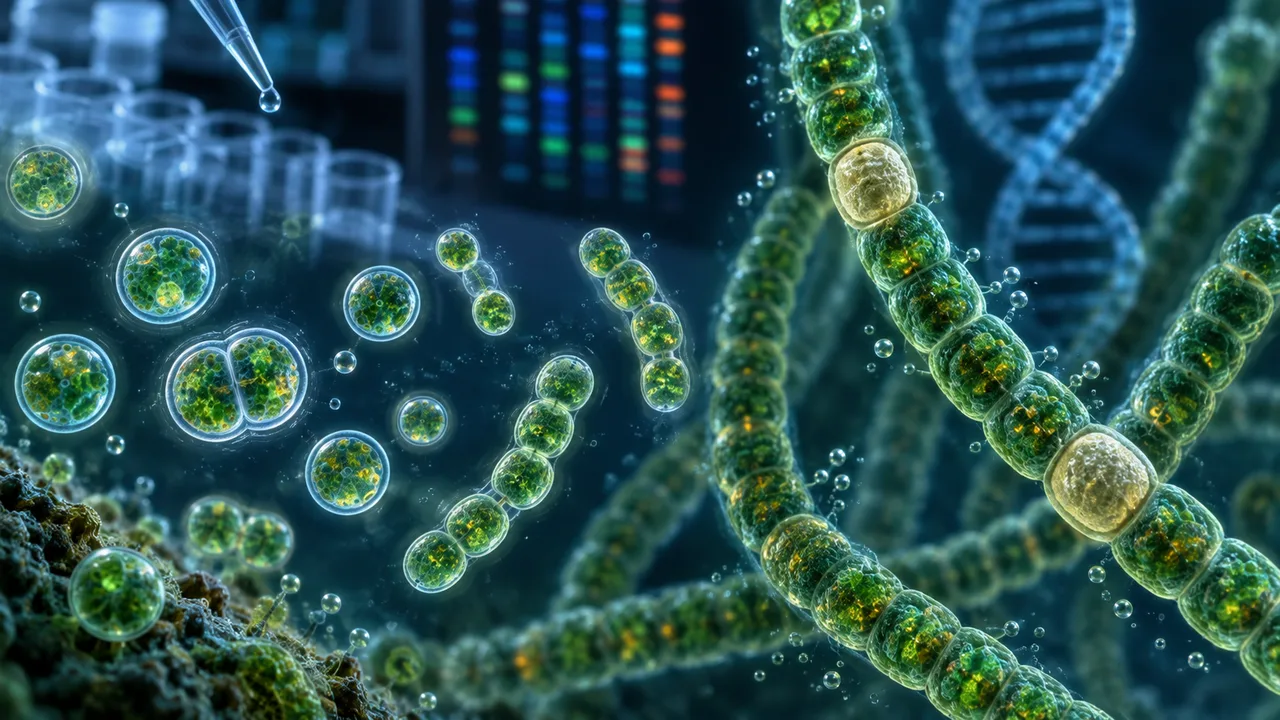
The genomic origins of cyanobacterial morphological diversity.

Cyanobacteria are the only prokaryotes to have evolved oxygenic photosynthesis, transforming the geochemistry and biology of the planet. They exhibit remarkable morphological diversity and represent one of the earliest known multicellular organisms, including filamentous growth and cellular differentiation. However, the genomic mechanisms underlying their repeated transitions between unicellularity and multicellularity remain unresolved. Here, we implement phylogenomic and Bayesian molecular clo

Continue reading
Health & Medicine

PLASTID ENVELOPE ION CHANNELS (PEC1/2) link Ca 2+ and jasmonic acid signaling in plant cells.

Plants constantly encounter adverse environmental interactions. One organelle is particularly specialized in stress signaling and phytohormone synthesis: the plastid. Calcium (Ca 2+ ), a key second messenger, is known to intersect with cellular phytohormone signaling networks. While cytosolic Ca 2+ dynamics have been studied extensively, the physiological relevance of stromal Ca 2+ transients and the identity of channels mediating rapid Ca 2+ flux into plastids remain largely unexplored. In this

Continue reading
Health & Medicine

Structural insights into fosfomycin efflux by a streptococcal ABC transporter.

Gram-positive bacteria encode a broad array of ABC transporters that mediate substrate translocation across the cell membrane, with some contributing to their survival under environmental stresses such as antimicrobial exposure. While several of these transporters have been shown to exhibit multidrug efflux activity, the functional roles of many others remain unknown. Here, using an efflux pump screen in the opportunistic human pathogen Streptococcus pneumoniae , we identified a previously uncha

Continue reading
Health & Medicine

Detection of "hidden" mitotic crossovers by long-read DNA sequencing.

Mitotic crossovers in diploid organisms are usually detected by looking for loss of heterozygosity (LOH) for a marker. Assuming the crossover occurs between two duplicated chromatids, a single reciprocal crossover will result in two recombinant chromatids and two nonrecombinant chromatids. LOH will only be observed when a recombinant chromatid cosegregates with a nonrecombinant chromatid. Cells containing both recombinant chromosomes will not result in LOH. Below, we use long-range DNA sequencin

Continue reading