Health & Medicine

CD4 T cells convert transient responses to KRAS inhibition to durable remissions in pancreatic cancer.
| Source: Cell

Pancreatic ductal adenocarcinoma (PDAC) is refractory to most therapies, including immunotherapies, for which reinvigoration of CD8 T cells through immune checkpoint blockade is insufficient to induce long-term, durable remissions. Direct KRAS inhibitors (KRASi) have shown clinical promise, although acquired resistance is common. We modeled KRASi response and relapse in mice and demonstrated that, unlike chemotherapy or combinations with checkpoint blockade, an interleukin (IL)-21 cytokine mimic

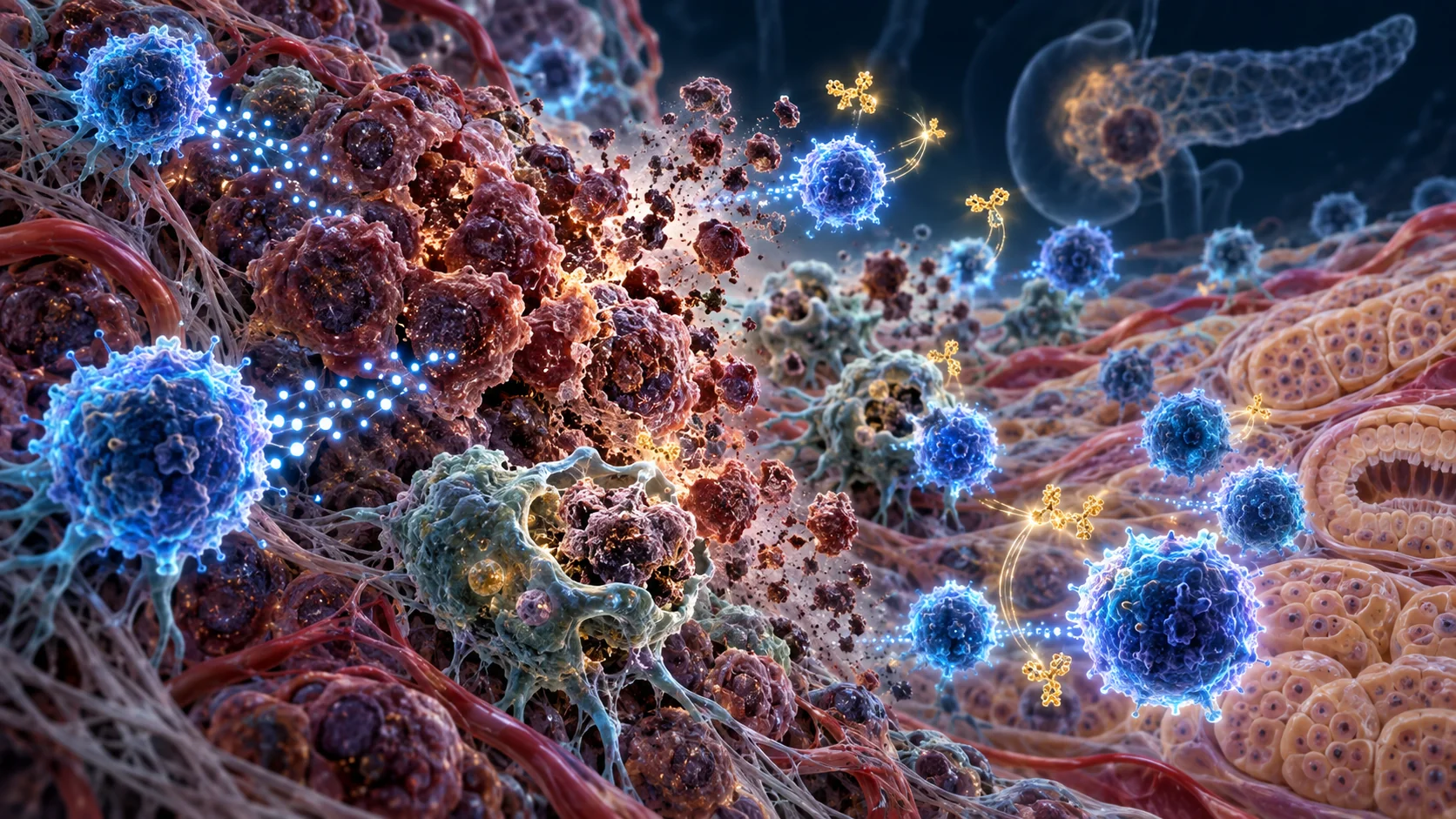
Pancreatic ductal adenocarcinoma (PDAC) is refractory to most therapies, including immunotherapies, for which reinvigoration of CD8 T cells through immune checkpoint blockade is insufficient to induce long-term, durable remissions. Direct KRAS inhibitors (KRASi) have shown clinical promise, although acquired resistance is common. We modeled KRASi response and relapse in mice and demonstrated that, unlike chemotherapy or combinations with checkpoint blockade, an interleukin (IL)-21 cytokine mimic (21h10) induced long-term, durable remissions. Its efficacy depends on T helper 1 (Th1)-polarized CD4 T cells, but not on CD8 T cells or tumor cell expression of major histocompatibility complex class I (MHC class I). Specifically, CD4 T cells primed by type 2 conventional dendritic cells (cDC2s) produce interferon γ (IFN-γ), which promotes macrophage-mediated phagocytosis of tumor cells. Ex vivo treatment of human PDAC specimens with 21h10 induces IFN-γ production by infiltrating T cells. Thus, IL-21-elicited CD4 T cells exert antitumor activity in mice and potentially in humans, converting transient responses to KRAS inhibition into durable remissions.
Read the original source →

Related Topics

Related Stories

Health & Medicine

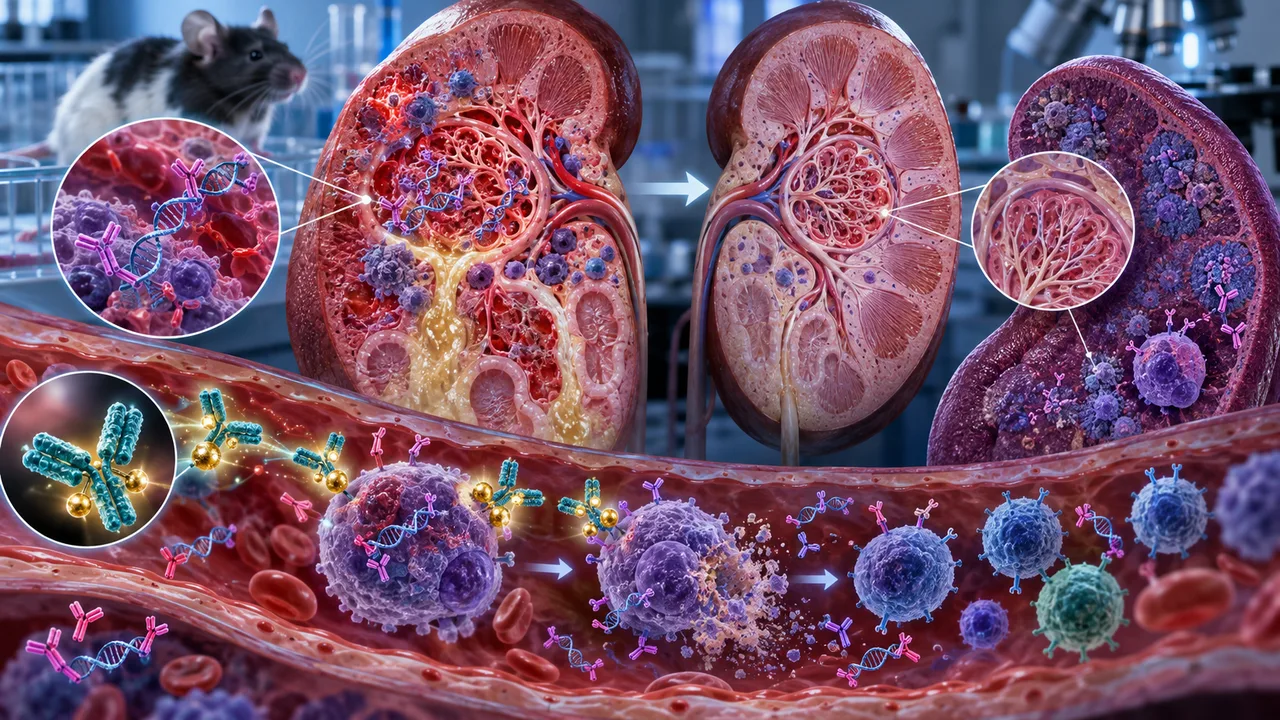
Selective ablation of dsDNA-specific plasma cells improves lupus nephritis in NZB/W mice.

Antibodies specific for double-stranded DNA (dsDNA) are thought to play a crucial role in the pathogenesis of lupus nephritis. Plasma cells have emerged as a promising therapeutic target in antibody-mediated diseases. Here, we show that dsDNA oligonucleotides longer than 80 bp and irrespective of their sequence, react with more than 80% of murine and human dsDNA antibodies. With a conjugate of a modified antibody to mouse CD138 and 100 bp dsDNA oligonucleotides, we demonstrate the selective depl

Continue reading
Health & Medicine

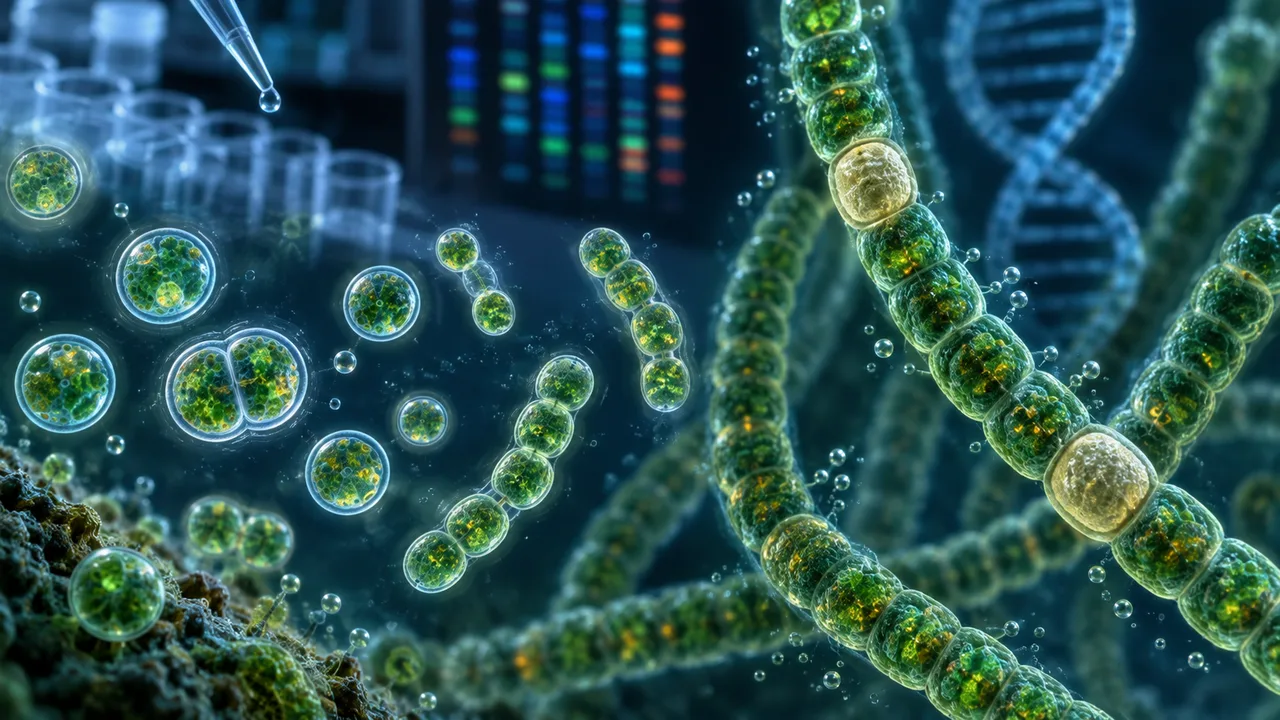
The genomic origins of cyanobacterial morphological diversity.

Cyanobacteria are the only prokaryotes to have evolved oxygenic photosynthesis, transforming the geochemistry and biology of the planet. They exhibit remarkable morphological diversity and represent one of the earliest known multicellular organisms, including filamentous growth and cellular differentiation. However, the genomic mechanisms underlying their repeated transitions between unicellularity and multicellularity remain unresolved. Here, we implement phylogenomic and Bayesian molecular clo

Continue reading
Health & Medicine

Perfluorooctane sulfonate directly interacts with IRF3 to attenuate antiviral innate immunity.

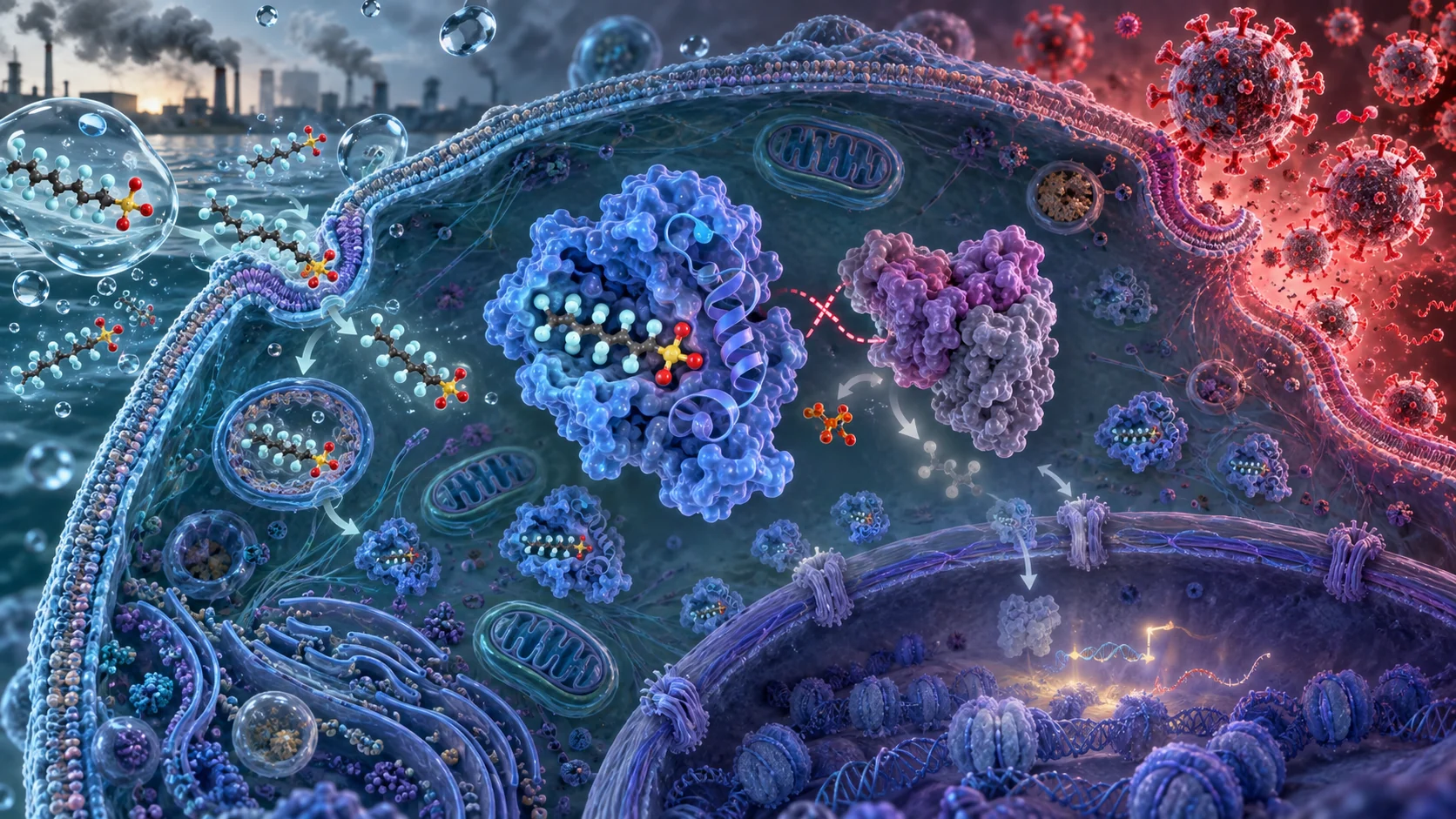
Perfluorooctane sulfonate (PFOS), a prominent per- and polyfluoroalkyl substance (PFAS), has raised significant public health concerns due to its widespread use, environmental persistence, and bioaccumulation potential. Both epidemiological and experimental studies demonstrate that PFOS exposure causes immunotoxicity and disrupts both innate and adaptive immunity. However, the specific effects of PFOS on innate antiviral immunity remain poorly understood. Here, by integrating multi-omics analysi

Continue reading
Health & Medicine

Sliding-before-breaking governs deformation in chitinous extracellular matrices reinforced by strong, fatigue-resistant chitin.

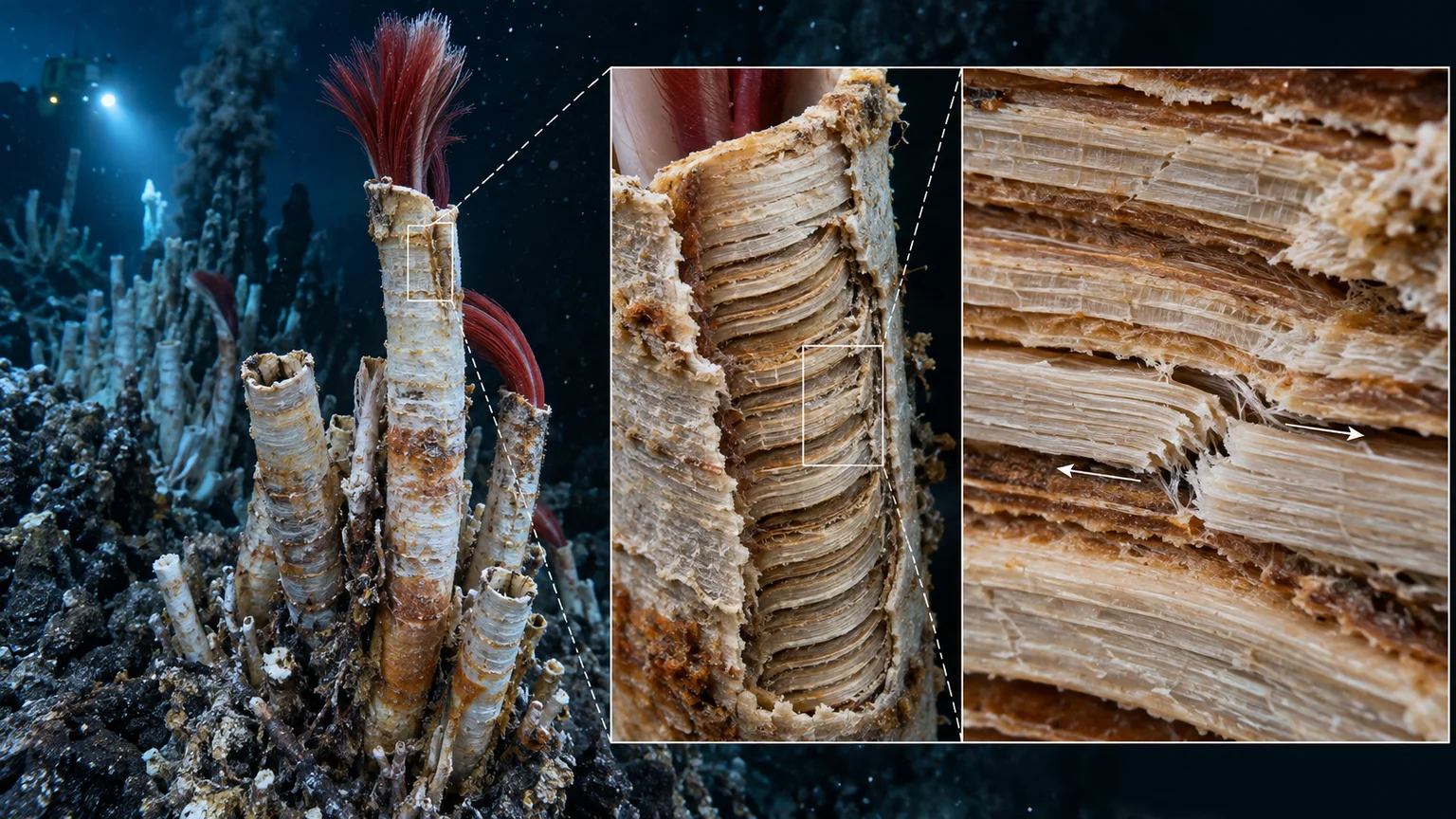
Many fibrous biological materials combine high strength with the ability to undergo permanent shape change, a balance that remains difficult to replicate synthetically. In twisted, plywood-like architectures, the origin of irreversible deformation remains unresolved: does strain arise from covalent bond scission or from coordinated interfacial processes across hierarchical scales? Here, we use the chitin-based protective tubes of vestimentiferan deep-sea tubeworms ( Siboglinidae: Vestimentifera

Continue reading
Health & Medicine

PLASTID ENVELOPE ION CHANNELS (PEC1/2) link Ca 2+ and jasmonic acid signaling in plant cells.

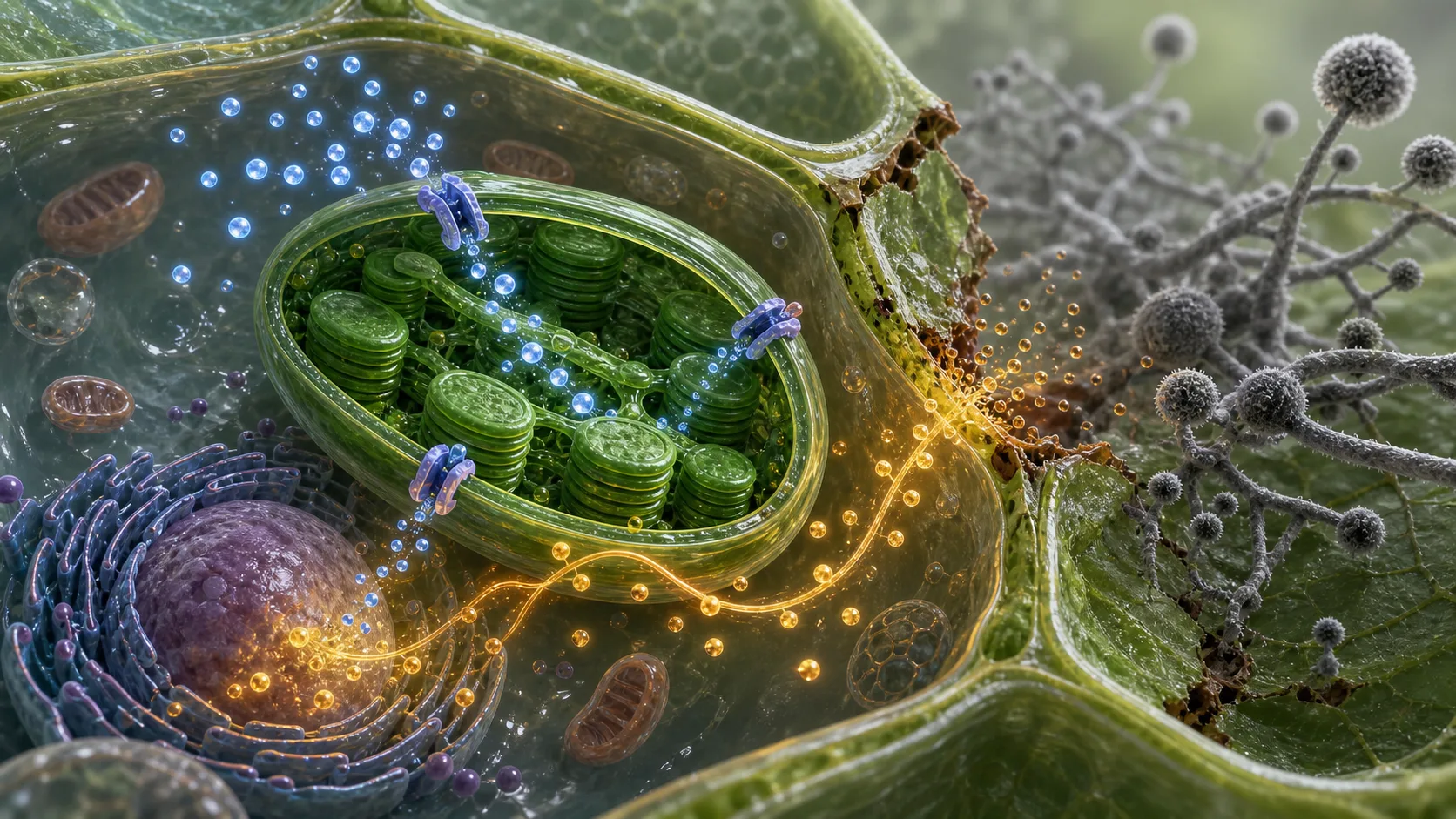
Plants constantly encounter adverse environmental interactions. One organelle is particularly specialized in stress signaling and phytohormone synthesis: the plastid. Calcium (Ca 2+ ), a key second messenger, is known to intersect with cellular phytohormone signaling networks. While cytosolic Ca 2+ dynamics have been studied extensively, the physiological relevance of stromal Ca 2+ transients and the identity of channels mediating rapid Ca 2+ flux into plastids remain largely unexplored. In this

Continue reading