Use of the bacterial lysate OM-85 for the primary prevention of wheezing lower respiratory illness in preschool children: a randomised, placebo-controlled trial.
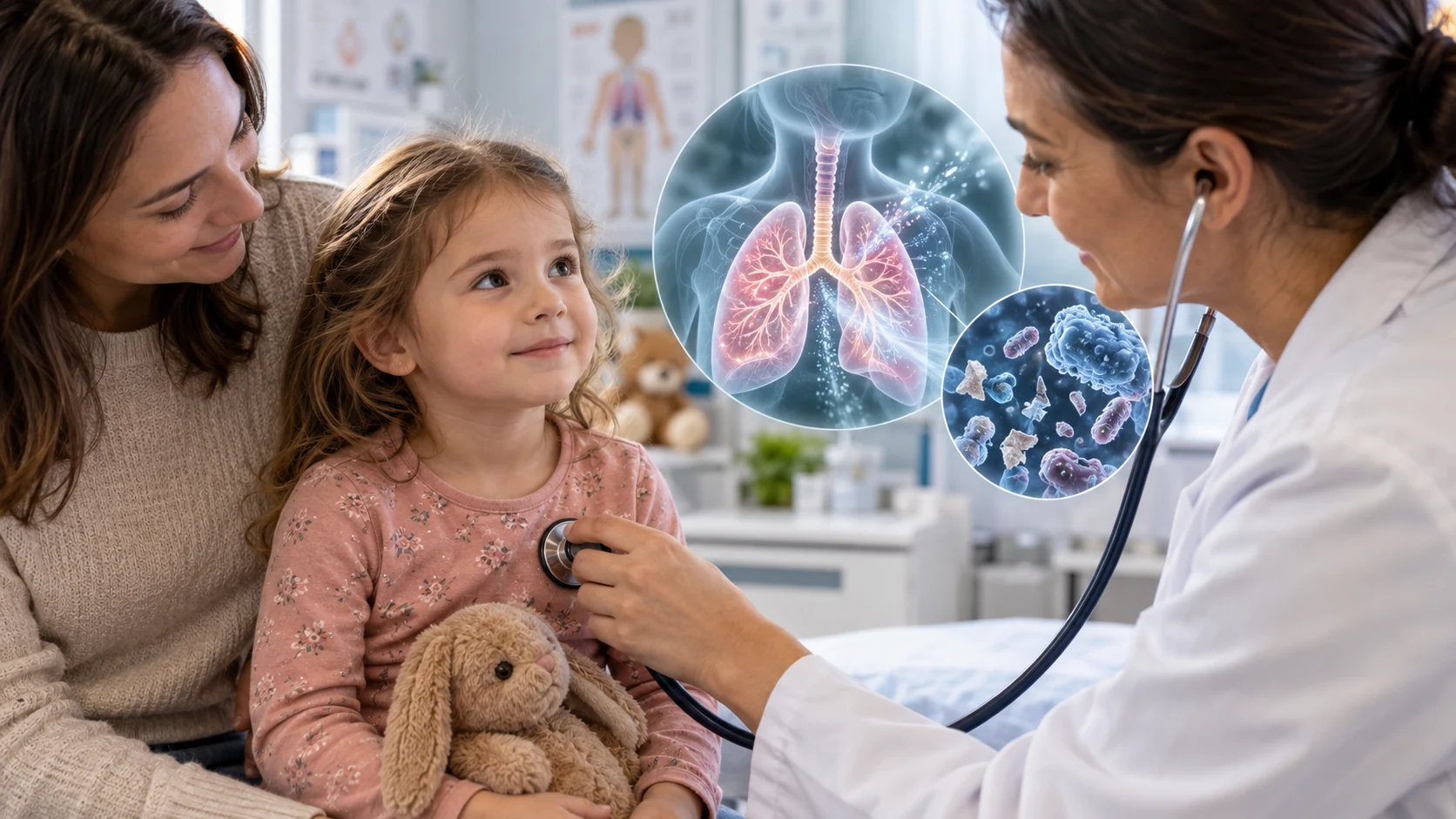
Wheezing lower respiratory tract illnesses are a major health concern in preschool children. We report the results of the ORBEX trial which evaluated the safety and efficacy of the bacterial lysate, OM-85, in the primary prevention of wheezing lower respiratory tract illness. ORBEX is a parallel-arm, double-blind, placebo-controlled trial for the primary prevention of wheezing lower respiratory tract illness in young children at increased risk for asthma due to atopic dermatitis, parental asthma
Wheezing lower respiratory tract illnesses are a major health concern in preschool children. We report the results of the ORBEX trial which evaluated the safety and efficacy of the bacterial lysate, OM-85, in the primary prevention of wheezing lower respiratory tract illness. ORBEX is a parallel-arm, double-blind, placebo-controlled trial for the primary prevention of wheezing lower respiratory tract illness in young children at increased risk for asthma due to atopic dermatitis, parental asthma, or asthma in a blood sibling aged 4 years or older. Children aged 6-18 months were centrally randomly assigned (1:1) at 11 academic clinical sites with experience in recruiting young children in the USA to receive OM-85 3·5 mg or placebo orally for 10 days each month for 24 months and then followed for an additional 36 months to evaluate outcomes while they were off the study drug. Identical openable capsules were used for active drug and placebo, and staff, investigators, and participants were masked to treatment assignment. Participants received usual treatment for wheezing illness as per US guidelines. Randomisation was stratified by sex, age group, family history of asthma, and clinical site. The primary outcome was the time to first wheezing lower respiratory tract illness during the 36-month observation period off the study drug analysed in the intention-to-treat population, which included all randomly assigned participants. The trial is registered with clinicaltrials.gov, NCT02148796, and is completed. Between Jan 3, 2017, and Nov 30, 2020, 984 children were screened for eligibility, 162 were excluded, and 822 were randomly assigned (411 to the OM-85 intervention group and 411 to the placebo group). 492 participants were male (59·9%) and 330 (40·1%) were female and the mean age of participants was 11·8 months (SD 3·8). 681 children completed the 24-month treatment period, and 596 children completed the 36-month observation period. 132 children experienced at least one wheezing lower respiratory tract illness during the observation period; 71 (21%) of 342 in the OM-85 group and 61 (18%) of 339 in the placebo group. There was no significant difference between OM-85 and placebo with respect to the time to first wheezing lower respiratory tract illness (log-rank test p value 0·35; hazard ratio 1·16 [95% CI 0·82-1·64]). The most frequent adverse events, fevers, coughs, and colds, did not differ between groups. Oral administration of OM-85 in early life did not decrease the incidence of wheezing lower respiratory tract illness in this high-risk population. Bacterial lysates are not efficacious for the primary prevention of asthma-like symptoms during the preschool years. National Heart, Lung, and Blood Institute and OM Pharma with supplemental funding and provision of study drug and placebo from OM Pharma.