Tracking danger on the peaks
The Earth is warming, but not all regions are warming equally. In high mountain areas, temperatures are generally increasing by 1.5 to 2 times the global average, sometimes with devastating consequences. A small or gradual change in the mountain cryosphere—perhaps progressive thawing of frozen ground or a flood from a small glacial lake—can suddenly turn into a cascade of catastrophes with enormous ramifications. Monitoring systems for the cryosphere in high mountain areas have traditionally bee
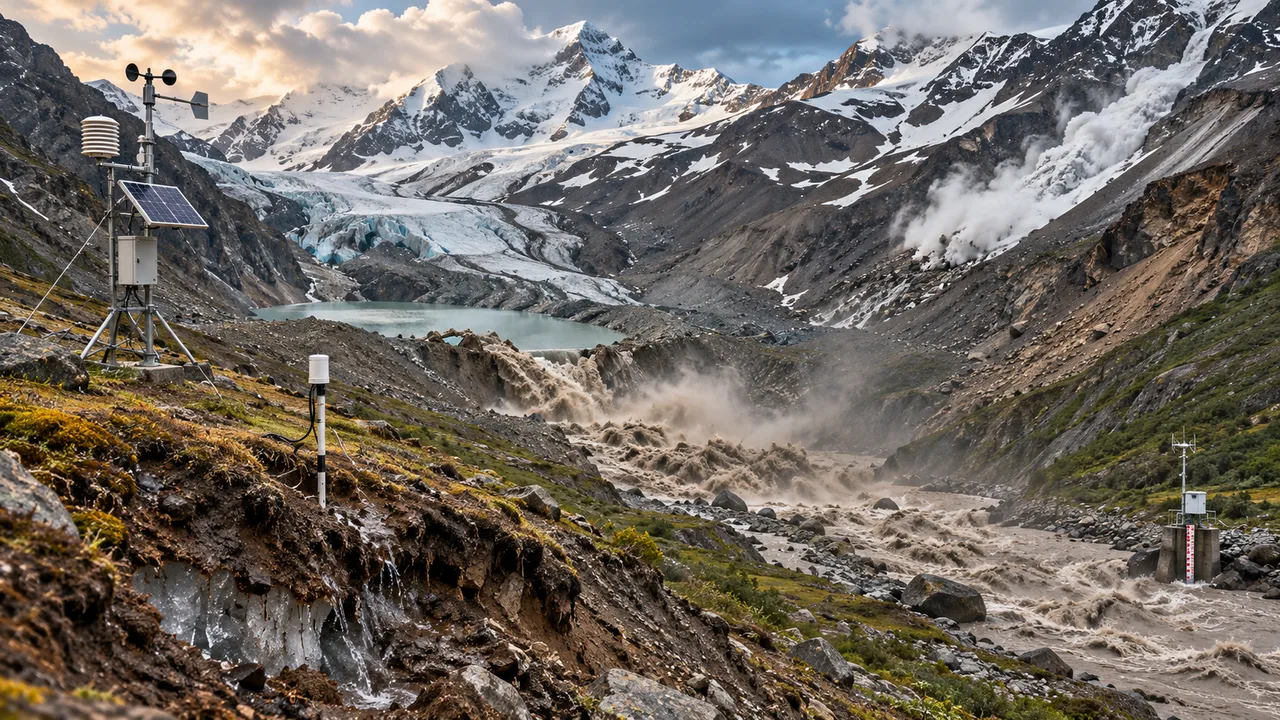
The Earth is warming, but not all regions are warming equally. In high mountain areas, temperatures are generally increasing by 1.5 to 2 times the global average, sometimes with devastating consequences. A small or gradual change in the mountain cryosphere—perhaps progressive thawing of frozen ground or a flood from a small glacial lake—can suddenly turn into a cascade of catastrophes with enormous ramifications. Monitoring systems for the cryosphere in high mountain areas have traditionally been designed to look at individual components and changes. What are the temperature and depth of the permafrost, or how much area is covered by snow, and what is the related avalanche danger? Many of the monitoring and warning systems were designed for historical patterns of snowfall or rainfall, and a river gauge may no longer be adequate if there is greater flow in the rainy season, or increased sediment that could damage the gauge.